Digital Marketing Due Diligence Before You Hire

Written by
Springbrand Editor Team
Editorial team
Springbrand Editor Team creates and maintains blog guides on AI tools, automation, marketing, and agent workflows.

Reviewed by
Springbrand Audit Team
Editorial review team
Springbrand Audit Team supports editorial quality through source checking, clarity, and consistency across the blog.
Updated
Published
Digital marketing due diligence helps owners assess strategy, access, data, reporting, and vendor risk before they hire or invest.
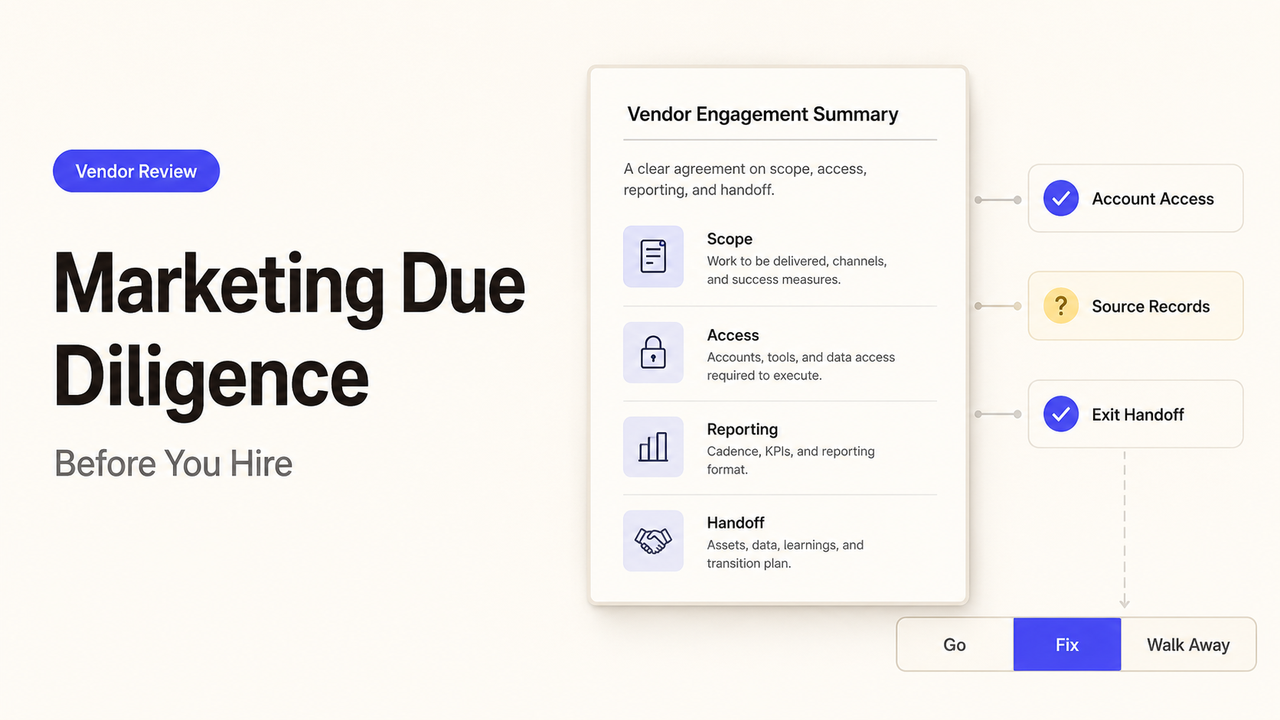
The vendor has sent the final proposal and asked for admin access before kickoff. The presentation looks credible, but the account owner, source records behind reported conversions, and exit handoff are still unclear. This guide turns digital marketing due diligence into a Go, Fix, or Walk Away decision using evidence the buyer can inspect. I’m Alex. For this review, every unresolved access or source-record gap stays on the decision page—not in a footnote.
When Digital Marketing Due Diligence Is Needed
Due diligence belongs wherever another party’s marketing claims, assets, or access will influence a commitment: hiring or renewing a vendor, investing in a business, or taking over its accounts.
It is narrower than a general digital marketing audit, which may diagnose campaign or website performance. Due diligence asks whether the evidence and control of dependencies are strong enough to proceed.
Match the depth of the review to the decision:
Situation | Main risk to test | Evidence to request |
New vendor appointment | Scope, access, and responsibility may be unclear | Proposed account roles, deliverables, approval map, and exit process |
Vendor renewal | Reports may hide unresolved operating problems | Raw platform records, change history, issue log, and completed work |
Business investment | Reported growth may not connect to customers or revenue | Source exports, CRM records, billing records, and stated assumptions |
Account takeover | The business may depend on vendor-owned assets or knowledge | Asset register, administrator access, documentation, and handoff files |
A missing record is an open finding, not automatic misconduct. Record what was requested, why it matters, who can supply it, and whether the decision can wait.
Check Goals, Strategy, and Channel Fit
Before comparing providers, lock the outcome. “Grow social” or “improve SEO” names an activity, not the business decision behind it. Write down the audience, offer, desired customer action, commercial constraint, review period, and person who can approve a change.
Then test whether each proposed channel has a clear job:
Question | What a clear answer should show |
Who is the channel meant to reach? | A specific customer group and the problem or demand state being addressed |
What should that audience do next? | A traceable action such as booking, buying, requesting a quote, or entering a qualified sales process |
Why does this channel fit? | Evidence or a documented assumption—not popularity alone |
What must already work? | The offer, landing page, stock, sales response, tracking, and approval process |
Who makes the final call? | A named business owner for budget, claims, creative, and major changes |
This is the point where the record has to become more precise than the conversation. Label an untested audience as an assumption. If the agency cannot control sales follow-up or product availability, do not assign it sole responsibility for revenue. A marketing vendor assessment should separate the desired outcome from conditions the vendor can influence.
Verify Account Ownership, Data Access, and Tracking
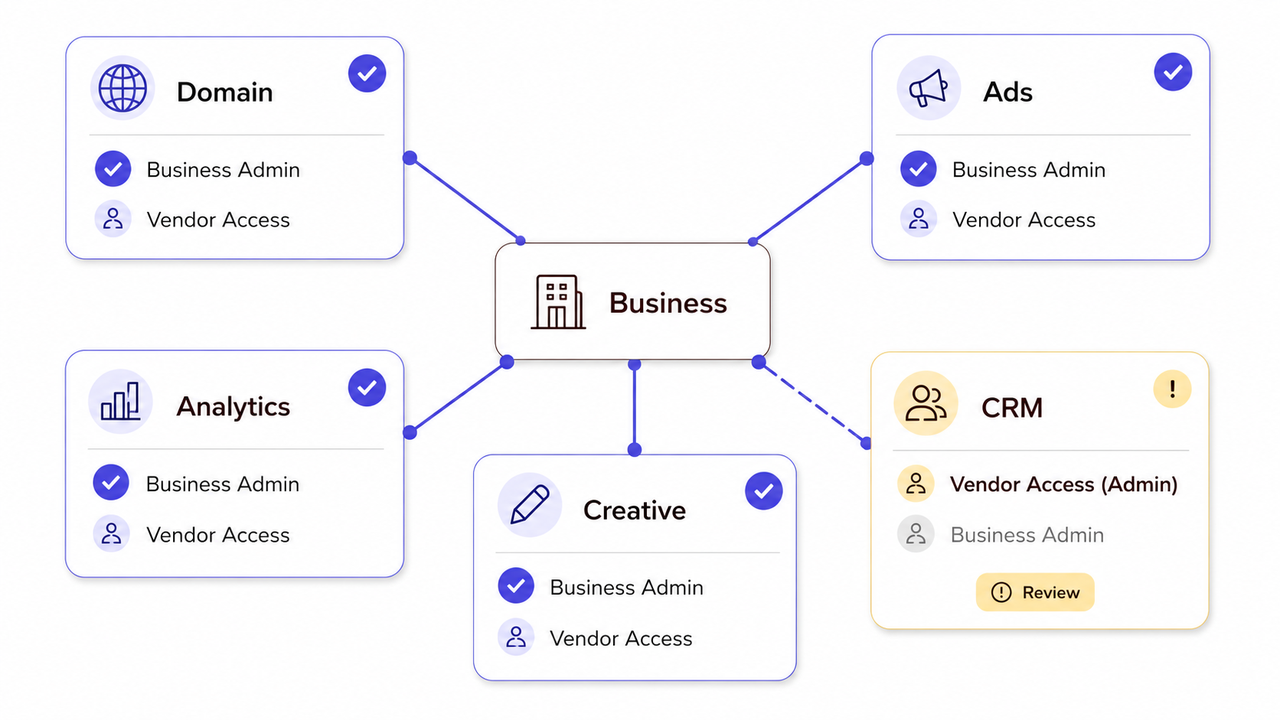
Start with an asset register, not a shared-password list. Include the domain, website and hosting, analytics, tag manager, advertising accounts, CRM, email platform, call tracking, merchant feeds, social accounts, dashboards, and creative storage.
For every asset, record:
- the business owner and current administrator;
- the login or recovery method controlled by the business;
- vendor, employee, and subcontractor roles;
- billing ownership and renewal responsibility;
- connected tools, exports, and automated transfers;
- the access change required at handoff or termination.
Platform labels matter. Google explains that a manager account may own a Google Ads client account for administrative purposes, while the client account still owns its data and can unlink the owner. Confirm the actual arrangement in the account rather than accepting “we manage it” as proof of business control.
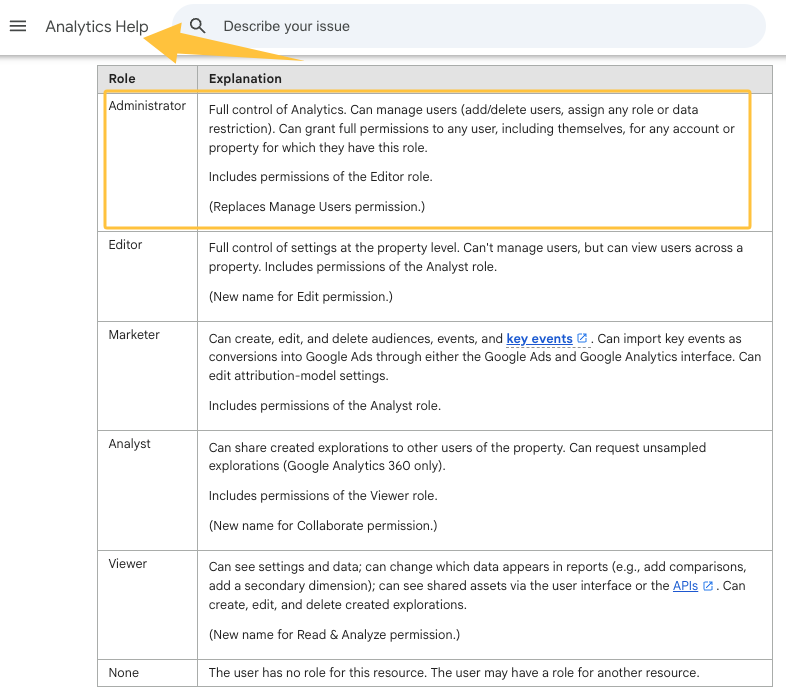
Access is also granular. In Google Analytics, roles and data restrictions can be assigned at account or property level, and an administrator is required to grant them, according to Google’s Analytics access-management guidance. Ask for the least privilege needed for the review; read-only access or a supervised screen share may be enough at first.
Next, follow one important conversion through the system: from campaign or source to website or phone event, CRM lead, and later status. Note breaks, duplicates, inconsistent dates, missing consent records, or changed definitions. The aim is to learn whether the claimed path can be reproduced from records the business controls.
Review Creative, Content, Spend, and Performance Claims
Review work samples as well as the dashboard. For creative and content, check final assets, source files, approvals, usage rights, publication records, and evidence behind factual claims. Compare platform billing with invoices and any media markup. Compare reported performance with a platform export and the business record that follows the lead or sale.
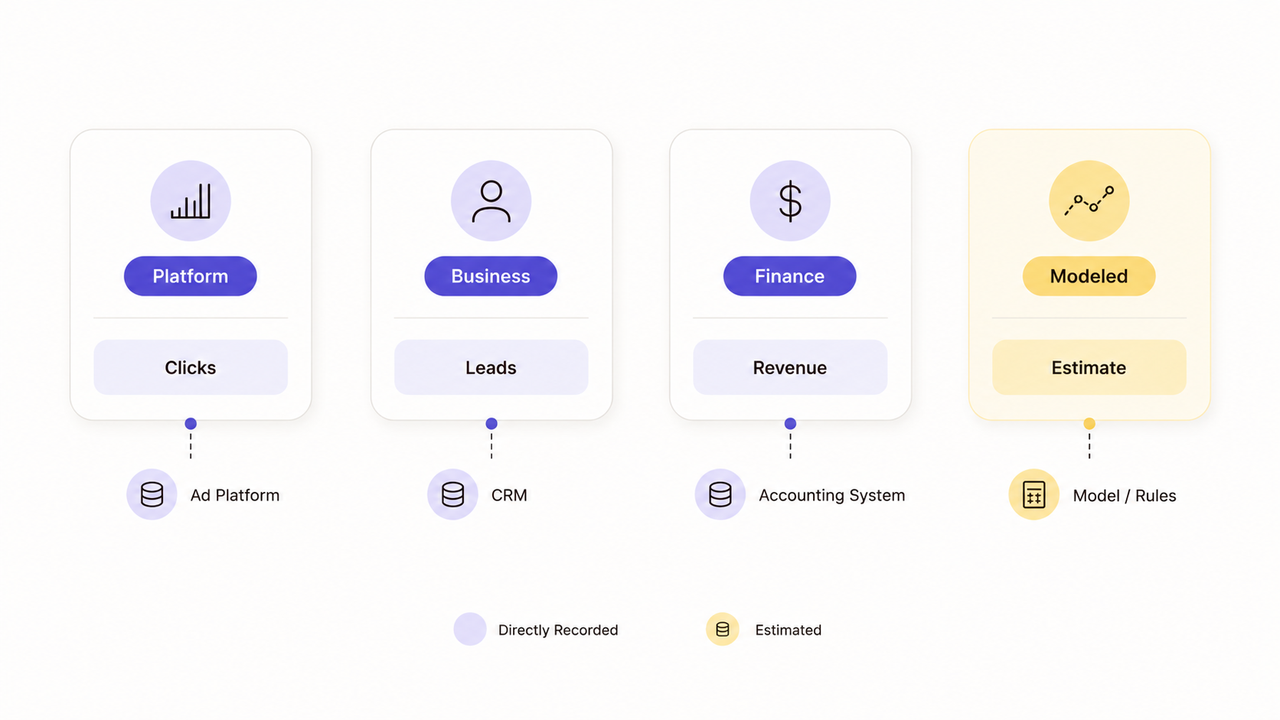
Keep four types of numbers separate:
- platform-observed: clicks, impressions, events, or attributed conversions recorded by a marketing tool;
- business-recorded: leads, opportunities, appointments, or orders stored in the CRM or commerce system;
- finance-recognized: revenue, refunds, cancellations, and other amounts recorded by finance;
- modeled or inferred: estimates produced through attribution, forecasting, or incomplete matching.
Those categories answer different questions and should not be silently combined. A platform conversion does not become verified revenue merely because both appear in the same report.
Change records help explain discontinuities. Google Ads says its change history identifies account changes, their timing, and—in many cases—the user or system responsible. Compare material edits with the reporting timeline, but treat timing as a lead for investigation, not proof that a change caused the result.
Marketing claims need their own evidence file. In the United States, the FTC’s advertising guidance says claims should be truthful, non-deceptive, and evidence-based. Other jurisdictions or regulated industries may impose different requirements. Flag unsupported claims for the appropriate business and qualified professional review rather than making a legal conclusion inside the marketing assessment.
Assess Contracts, Dependencies, and Vendor Risk
A healthy account can still be difficult to transfer. Map what would remain if the provider disappeared tomorrow: tracking scripts, call numbers, reporting connectors, audiences, data warehouses, feeds, landing-page code, automation, licensed assets, and undocumented knowledge.
For each dependency, ask who owns it, who can change it, what data it handles, what breaks when access ends, and what export or replacement is available. Review whether subcontractors receive account or customer data, which work they perform, and who supervises and removes their access.
Security expectations should be specific to the exposure. The FTC’s small-business guidance recommends putting vendor security expectations in writing, verifying compliance, and limiting sensitive access to the information and period needed for the work. Its vendor security checklist also calls out data use, sharing, retention, and deletion. Apply those questions where the vendor will actually handle sensitive systems or information; do not turn a low-risk creative assignment into a generic compliance exercise.
Read the proposed agreement alongside the operating map. Check whether it addresses deliverables, account access, data handling, asset rights, subcontractors, approvals, change control, incident responsibilities, termination, exports, and transition support. The purpose here is to locate operational gaps. If a term could affect a contract, investment, privacy obligation, or financial exposure, have the appropriate qualified adviser interpret it.
Make a Go, Fix, or Walk-Away Decision
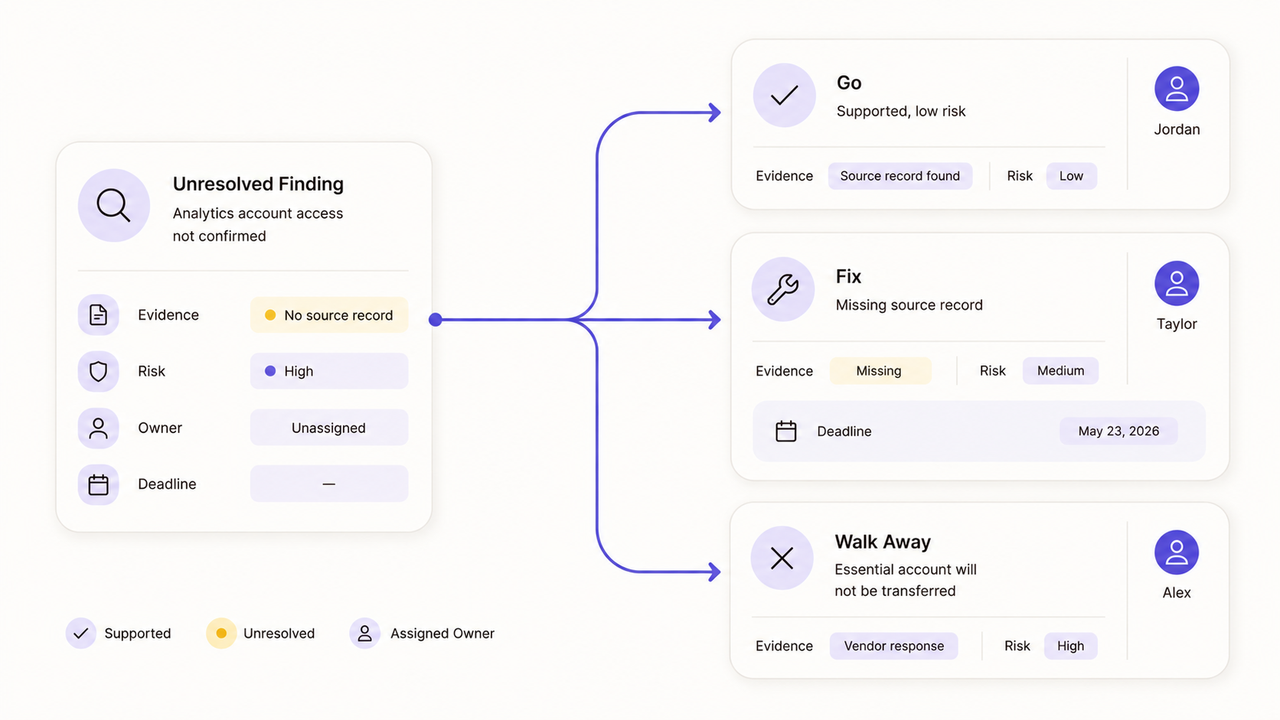
The final report should not end with a page of unranked concerns. Give each finding an evidence reference, affected asset or claim, risk, owner, corrective action, due date, residual uncertainty, and approving decision-maker.
Use the three outcomes consistently:
Decision | Use it when | Required record |
Go | Material claims are supported, essential access is controlled, and remaining risks are accepted | Evidence index, approval owner, and any monitoring condition |
Fix | A defined gap can be corrected before or shortly after commitment without hiding the risk | Corrective action, owner, deadline, acceptance evidence, and consequence if missed |
Walk Away | A critical claim cannot be supported, essential control will not be transferred, or the exposure exceeds the approved tolerance | Failed condition, evidence reviewed, decision owner, and preserved correspondence |
Do not turn missing pre-access evidence into a false green status. Mark it “not tested,” state what access would resolve it, and make the decision conditional if necessary. Likewise, do not use a long issue count to imply high risk; one lost domain or untraceable revenue claim can matter more than many minor housekeeping gaps.

For a remediable gap that needs outside execution, match the corrective scope with a relevant service through SpringBrand after the owner approves the evidence.
FAQ
Can due diligence begin before platform access is granted?
Yes. Review the proposal, public campaigns, website, asset inventory, sample reports, account-ownership statements, and a supervised screen share. Label every access-dependent check as open rather than passed. The pre-access review can shape the request, but it cannot validate records the reviewer has not seen.
What should be checked when a vendor uses subcontractors?
Record who they are, what work they perform, which systems or data they can access, who supervises them, and how their access and files are handled at exit. Check relevant approval, confidentiality, licensing, security, and handoff terms with the appropriate qualified reviewer.
How should unresolved findings be documented in a deal?
Give each finding an identifier, evidence request, current status, business risk, owner, correction, deadline, and decision condition. Attach the list to the approval record or other controlling deal document where appropriate. Do not bury a material open item in meeting notes that the final approver may never see.
What if reported conversions cannot be traced to source records?
Classify them as reported but unverified. Trace a sample through the platform event, lead record, sales status, order or invoice, and finance record where relevant. If the chain remains incomplete, exclude the figure from validated performance and document exactly which link is missing.
How should conflicts between vendor reports and finance data be escalated?
Preserve both records. First align dates, currency, refunds, cancellations, tax treatment, and the definition of a conversion or recognized revenue. Assign marketing operations and finance to reconcile the difference. A material dispute should reach the decision-maker—and a qualified adviser when needed—without overwriting either source.
Conclusion
Digital marketing due diligence is complete when the decision-maker can trace material claims, control essential accounts, see the remaining dependencies, and approve the residual risk. If one of those conditions is missing, is the next honest decision Go, Fix, or Walk Away?
Recommended Reads
- ChatGPT Sites vs a Web Designer: Business Fit
- ChatGPT Sites Checklist: What to Verify Before Launch
- ChatGPT Sites for Small Business: What to Check
- Best LinkedIn Post Generators for Better Professional Content
Explore SpringBrand
Turn ideas into working workflows
Connect agents, APIs and tools in one workspace. Start with a task you want to get done.
Get started free
One account. 10,000+ APIs & capabilities
Give your agent APIs and plugins without separate keys or integrations for every provider.
Explore APIs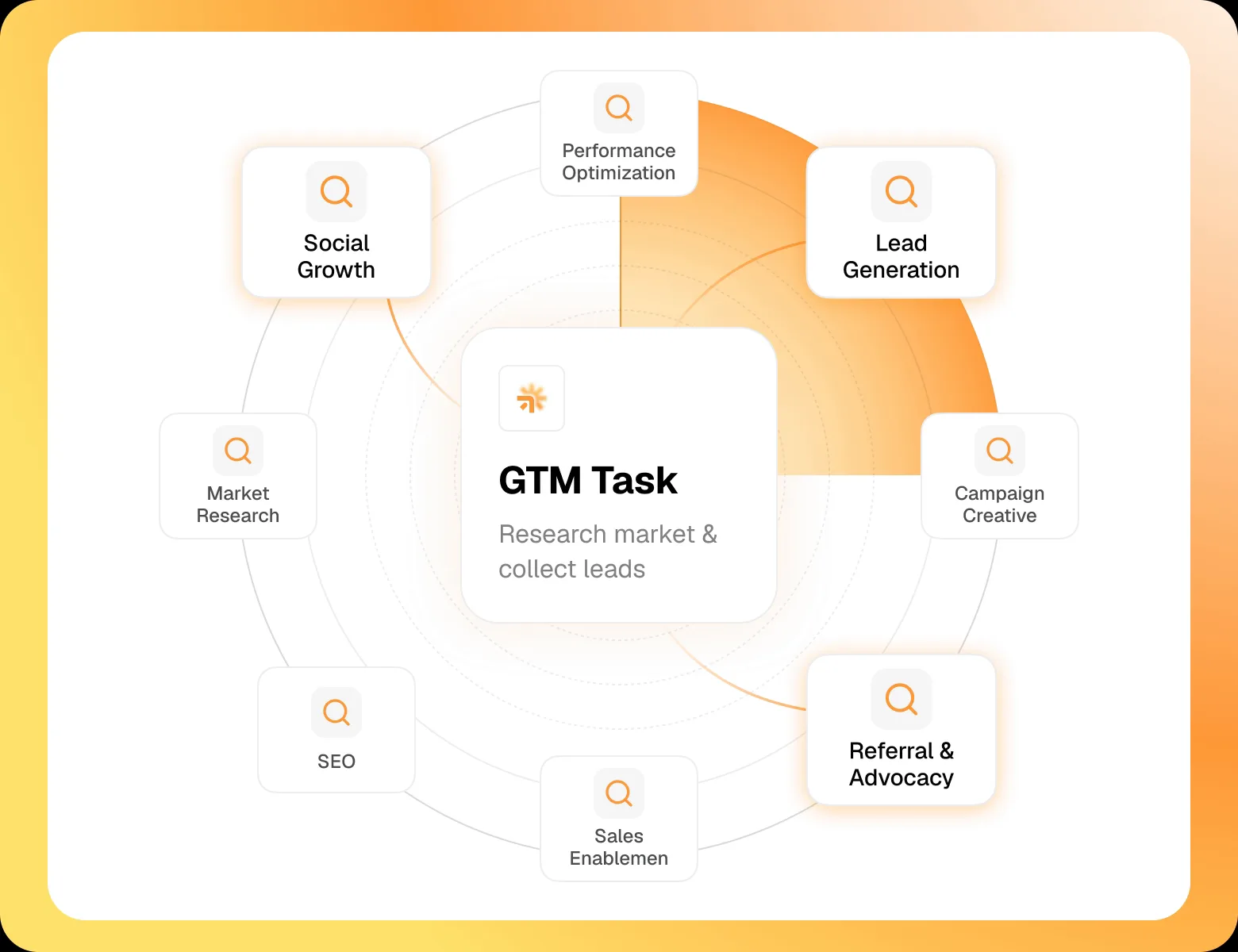
No tool expertise needed
Describe your GTM task. SpringBrand chooses the right APIs and plugins for your agent automatically.
Find tools for your task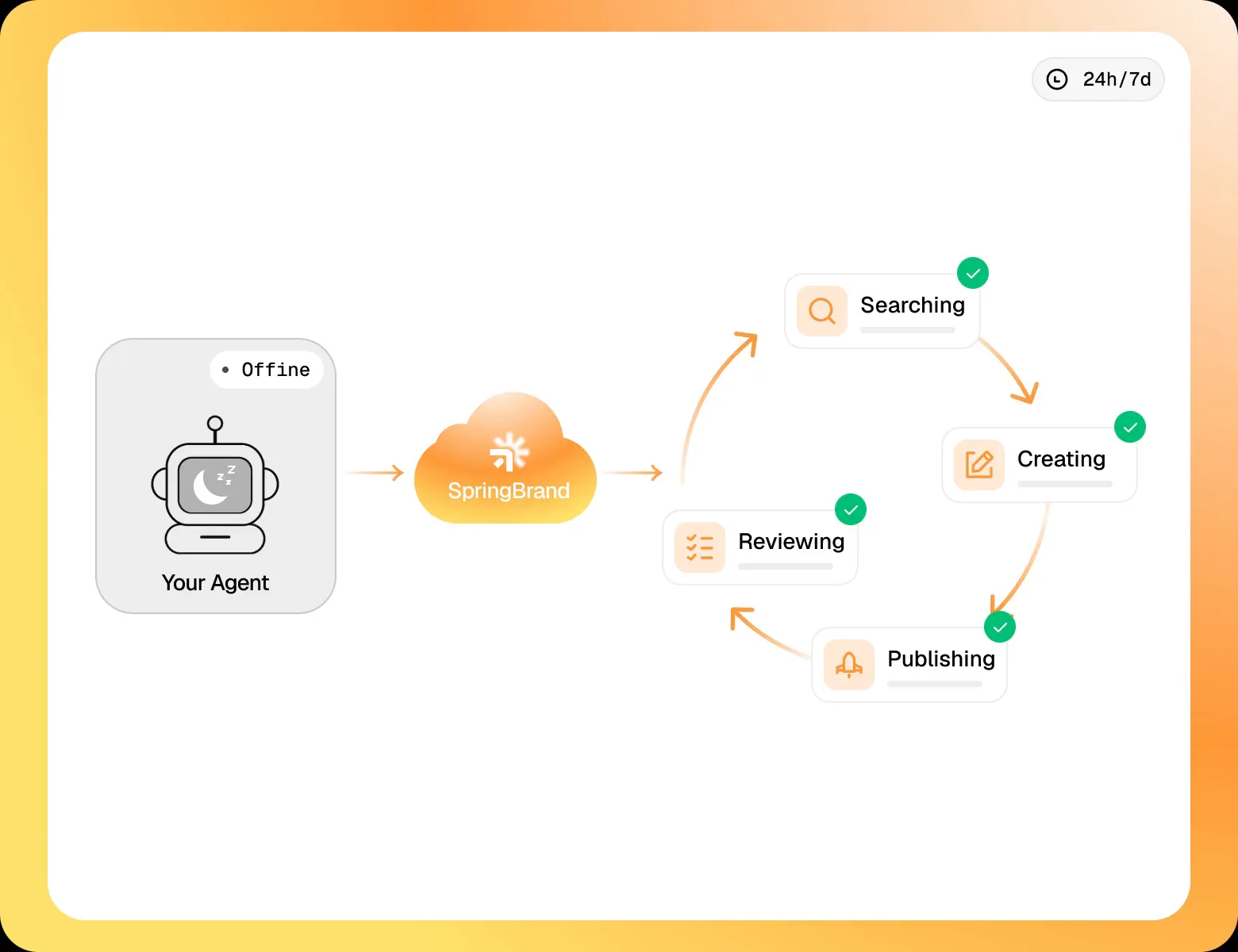
Run tasks 24/7
Connect your agent to SpringBrand to keep tasks running automatically, day and night.
Connect your agent