Fractional Marketing Services: When They Make Sense

Written by
Springbrand Editor Team
Editorial team
Springbrand Editor Team creates and maintains blog guides on AI tools, automation, marketing, and agent workflows.

Reviewed by
Springbrand Audit Team
Editorial review team
Springbrand Audit Team supports editorial quality through source checking, clarity, and consistency across the blog.
Updated
Published
Fractional marketing services provide part-time leadership or execution. Compare scope, accountability, cost structure, and business fit.
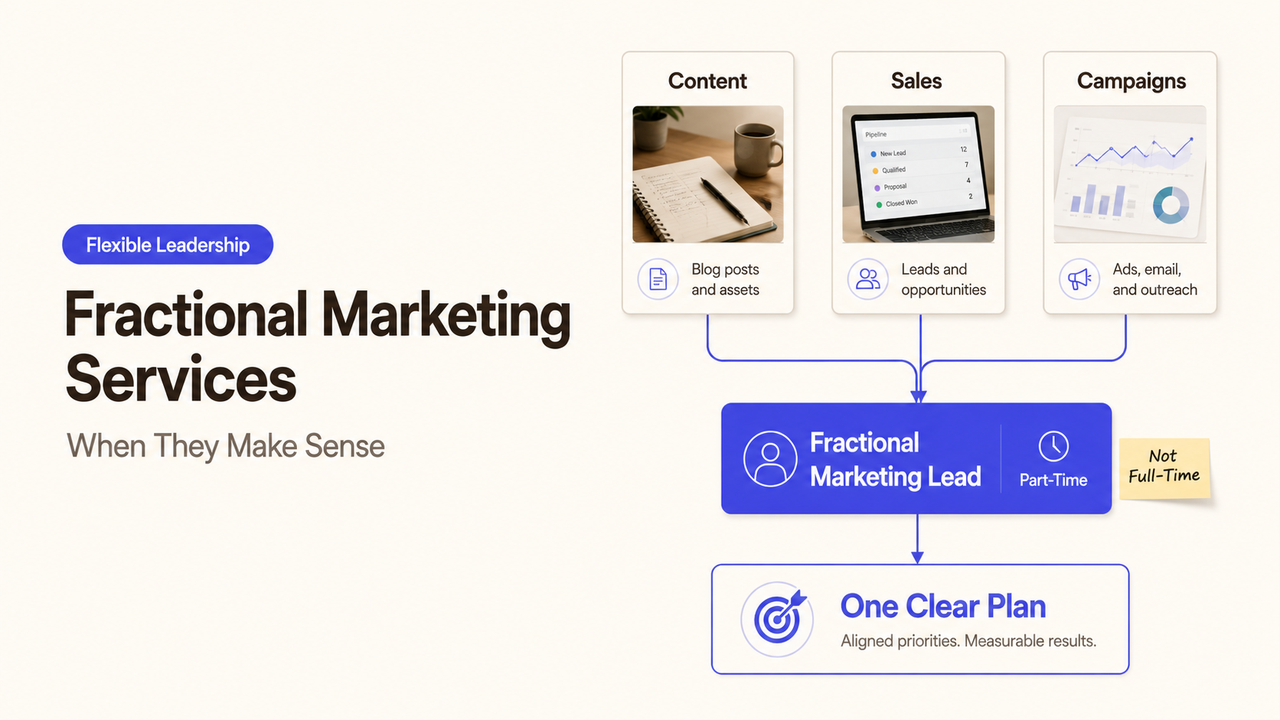
Consider a founder who hires a fractional CMO for one day a week and expects that person to reset priorities, approve campaigns, and manage two agencies. The internal marketing manager thought the role was advisory, while the provider priced leadership meetings and a monthly plan. This guide separates leadership, management, and execution so you can decide whether fractional marketing services fit the authority, work, and capacity your business actually needs. I’m Alex; start by naming the missing layer before you compare titles.
Quick Fit: Leadership, Execution, or Both
“Fractional” describes shared capacity, not a standard job. A provider might set direction, manage one channel, or bring a part-time marketing team that also produces the work.
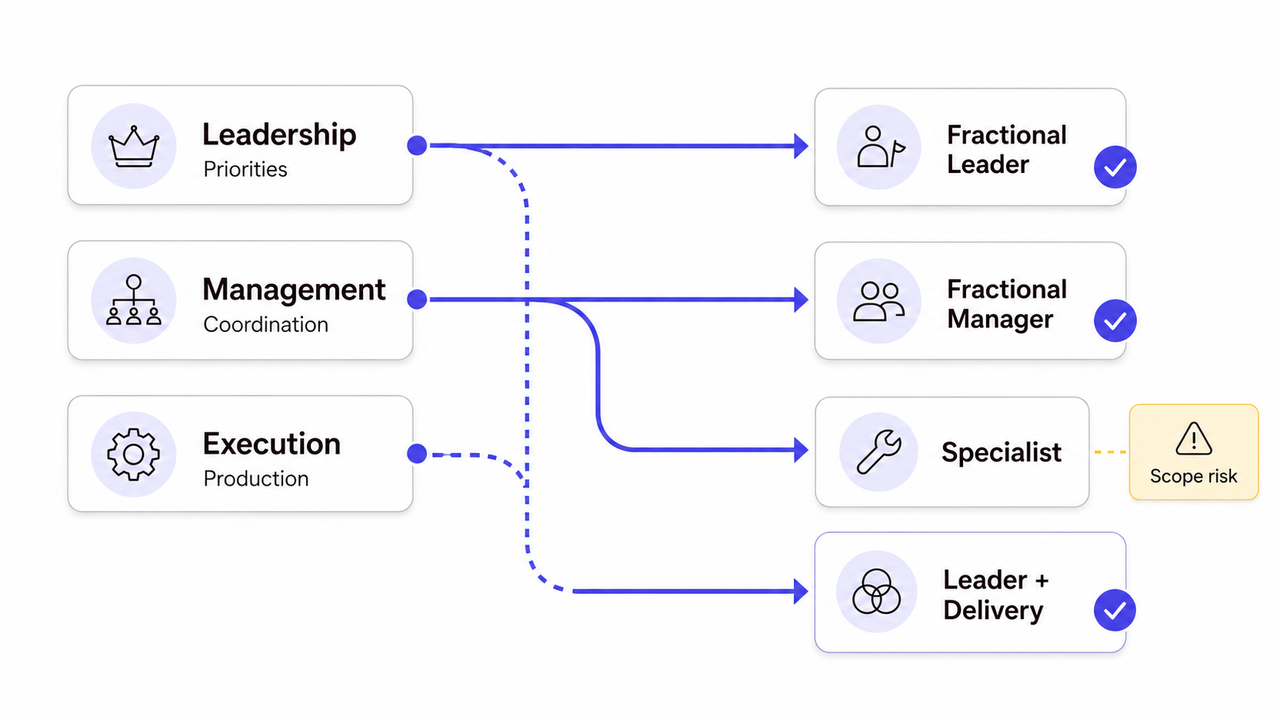
Use this quick fit check before reviewing candidates:
What the business lacks | Work that must happen | Likely fit | Main scope risk |
Leadership | Set priorities, budgets, and tradeoffs | Fractional CMO or senior leader | Executive time is consumed by production |
Management | Convert strategy into coordinated work | Fractional director or manager | Nobody can resolve priority conflicts |
Specialist execution | Run a defined channel | Specialist, freelancer, or agency | One specialist is asked to repair the whole system |
Leadership and delivery | Direct the plan and supply execution | Fractional team or leader plus providers | Production consumes the leadership capacity |
Fractional marketing can fit when the business needs recurring senior judgment but not a full working week, or when an existing team lacks direction. It fits poorly when the role must be continuously available, most work is routine production, or the company will not delegate meaningful decisions. Name the layer first, then decide whether leadership and execution need separate owners.
Common Fractional Roles and Scope
There is no universal scope attached to “fractional marketing.” Treat every title as a starting point for a role discussion.
Role | Primary responsibility | Typical evidence of work | Usually outside the role unless added |
Fractional CMO | Direction, executive alignment, budgets, and team design | Priorities, operating plan, decisions, and executive updates | Routine production across every channel |
Fractional marketing director | Convert strategy into managed programs | Campaign plan, assignments, reviews, and issue log | Company-wide executive authority |
Fractional channel lead | Own one discipline such as SEO or paid media | Roadmap, briefs, reviews, and analysis | The complete marketing plan |
Fractional marketing team | Combine specified leadership and execution | Named roles, capacity, deliverables, and handoffs | Work beyond purchased capacity |
The U.S. Bureau of Labor Statistics describes a broad range of marketing-management duties, including budgets, contracts, research, strategy, staff, sales, finance, and creative coordination. A leadership title can cover many responsibilities; a fractional proposal may include only some.
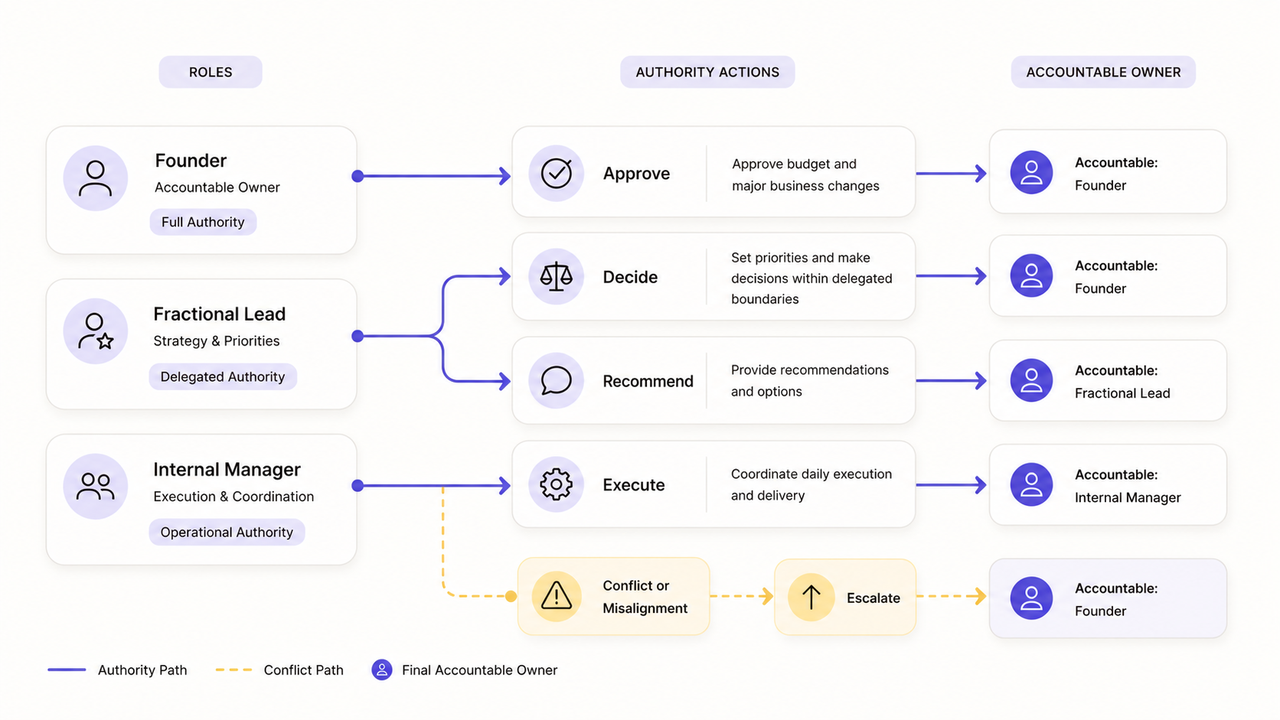
For fractional CMO services, ask whether the person decides, recommends, or prepares analysis for approval. Name each team role instead of accepting one blended hour pool. Outsourced marketing leadership also needs an internal counterpart: the CEO may retain budget authority while a manager coordinates daily work. Two people claiming final say over one campaign creates a governance problem.
Compare Fractional, Agency, Freelancer, and Full-Time Hire
The right model depends on the job, not the prestige of the title.
Model | Best suited to | Decision authority | Capacity pattern | Main dependency |
Fractional leader or team | Recurring leadership or specialist capacity | High only within delegated boundaries | Reserved but limited | Internal decisions between sessions |
Agency | Multi-discipline execution or channel management | Usually recommends; client approves | Team capacity tied to scope | Staffing and account management |
Freelancer | A defined skill or project | Limited to assigned work | Individual availability | One-person continuity |
Full-time hire | Continuous ownership and company context | Embedded management authority | Dedicated capacity | Hiring, management, and retention |
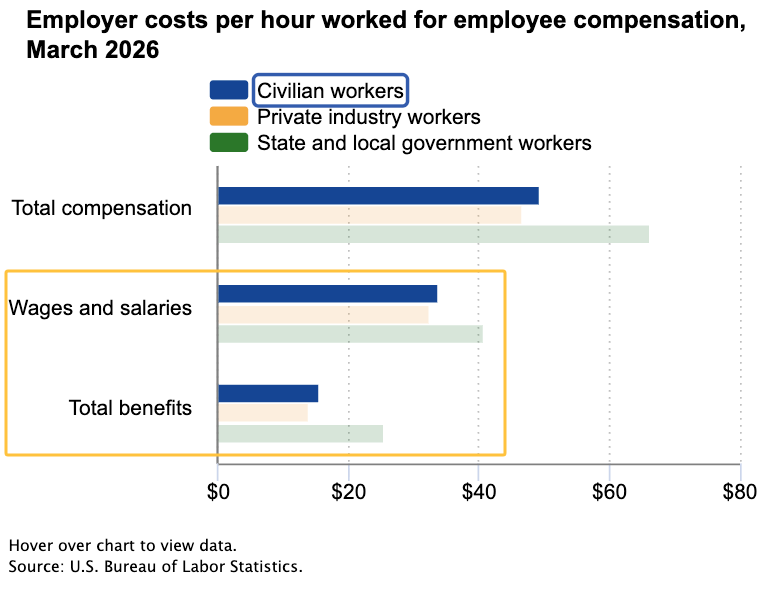
Do not compare only a fractional fee with salary. A full-time employee’s cost includes wages and benefits, both tracked in the U.S. Bureau of Labor Statistics’ Employer Costs for Employee Compensation data. Also count recruiting, onboarding, management time, supporting vendors, and work left uncovered.
The contract label does not settle worker status. For U.S. federal tax purposes, the IRS examines behavioral control, financial control, and the relationship when distinguishing an employee from an independent contractor. Rules vary by jurisdiction and context, so seek appropriate advice rather than treating “fractional” as a classification.
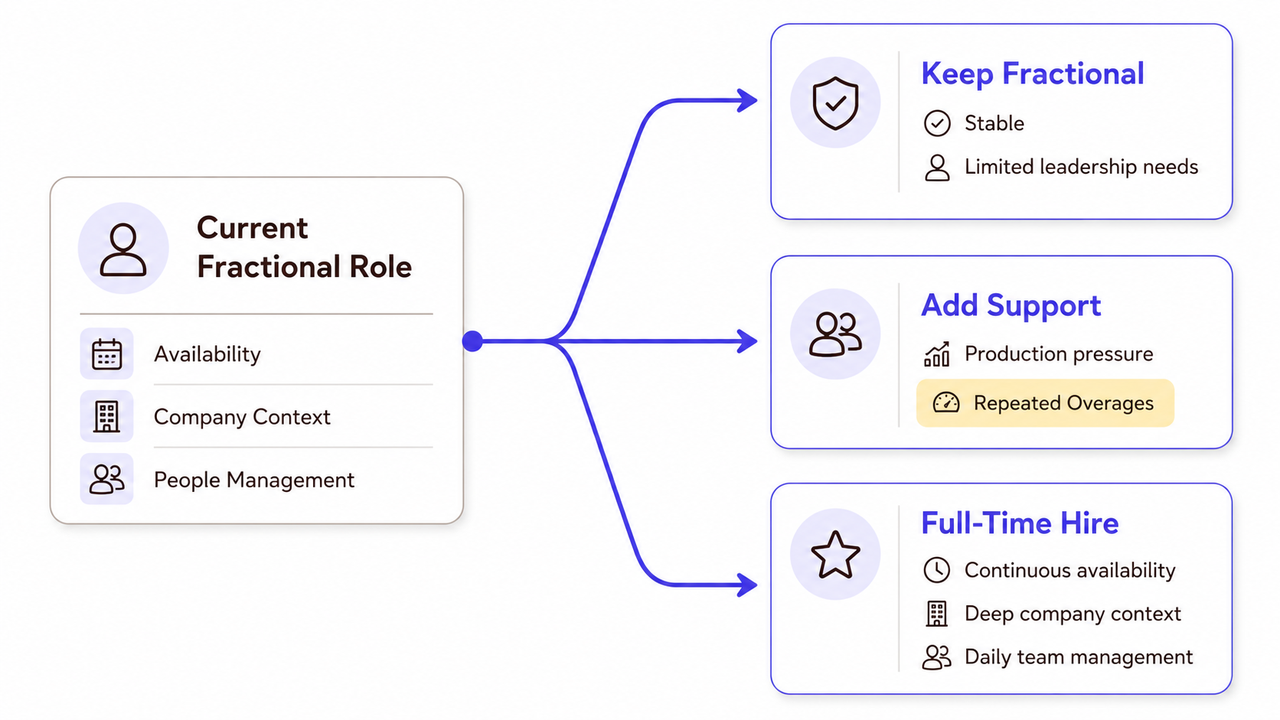
A fractional arrangement may provide senior attention without creating a permanent role before the need is stable. Full-time becomes more sensible when context, availability, people management, and decisions consume most of the working week.
Set Goals, Hours, Decision Rights, and Deliverables
Start with an operating brief, not a list of channels. It should be short enough to use in a kickoff and precise enough to settle a later disagreement.
Brief field | What to record |
Business goal | The customer behavior or commercial problem to influence |
Role outcome | The operating condition this role should create |
Included work | Decisions, meetings, reviews, management, and production |
Excluded work | Work and approvals owned elsewhere |
Capacity | Reserved time, response window, and overage process |
Decision rights | What the provider may decide, recommend, pause, or escalate |
Deliverables | Plans, briefs, reviews, assets, and records |
Internal owner | Who supplies context and clears blockers |
Review evidence | What will demonstrate useful progress |
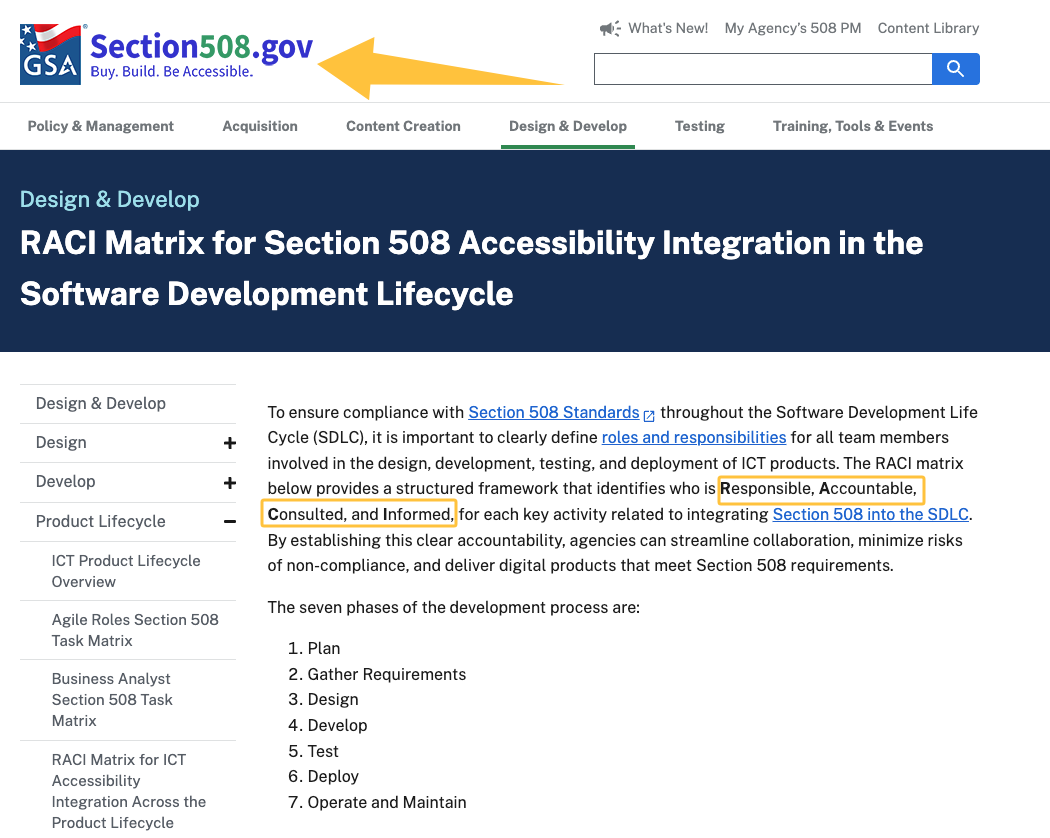
A responsibility map keeps authority visible. A U.S. General Services Administration guide uses a RACI matrix to define responsible, accountable, consulted, and informed roles for each activity. Use it selectively: one person should remain accountable even when several contribute.
Hours need operating rules. State whether meetings count, how preparation is handled, when messages receive a response, and who approves extra work. Once capacity is used, new work needs a queue.
Set conflict handling early. An internal manager may own daily delivery while the fractional leader owns strategy. Name the executive who resolves overlap, how the decision is recorded, and what pauses meanwhile.
Access should follow the role. The FTC recommends written expectations, verification, and need-based, time-limited access in its small-business vendor security guidance. Start with the lowest useful permission and name who can remove it.
Pricing Structures and Capacity Limits
There is no responsible universal price for fractional marketing services. Quotes change with seniority, scope, access, time, team composition, and included execution. Compare the mechanism and capacity, not a borrowed market range.
Pricing structure | What to define before approval |
Monthly retainer | Capacity, recurring duties, term, unused time, and overages |
Day or hour block | Scheduling, preparation, meetings, response, and expiry |
Fixed project or phase | Deliverables, milestones, revisions, acceptance, and exclusions |
Embedded fractional team | Roles, capacity, substitutions, and production limits |
Base plus variable work | Base scope, fee triggers, and approval |
Capacity is a service boundary. Ask what meetings, reviews, briefs, interviews, and urgent decisions fit inside the purchased time. If production is included, identify whose capacity it uses.
“Part-time” does not imply on-call support. Define the emergency contact, response target, extra-fee rule, backup, and qualifying issues. For planned leave, record notice, interim authority, and transferred deadlines.
Repeated overages should trigger a decision: narrow the role, add support, increase capacity, or begin a full-time hire.
Evaluate Candidates or Providers
Evaluate candidates against the written role, not the broadest version of their title. Seek examples matching the business stage, decision level, team, and channel complexity. Paid media results do not prove executive leadership; strategy experience does not prove production capacity.
Request a redacted prioritization memo, role map, planning brief, or issue log. Ask what the candidate decided, what someone else approved, and how execution was assigned.
Use the interview to test operating fit:
- Which decisions do you expect to own, and which stay with the founder or internal manager?
- What work will you do, delegate, or source elsewhere?
- How do you protect leadership time when execution requests increase?
- What is your availability and backup between working sessions?
- What should exist at the end of the opening phase that does not exist now?
- How will you document priorities and unresolved decisions?
- When would you recommend a full-time hire or different provider?
Check references for role accuracy. Ask whether the person worked at the claimed decision level, what internal support existed, and whether the operating rhythm survived the transition.
A trusted match needs an accountable handoff. Before approval, name the internal owner, the first deliverables, the access granted, the capacity limit, and the escalation route.
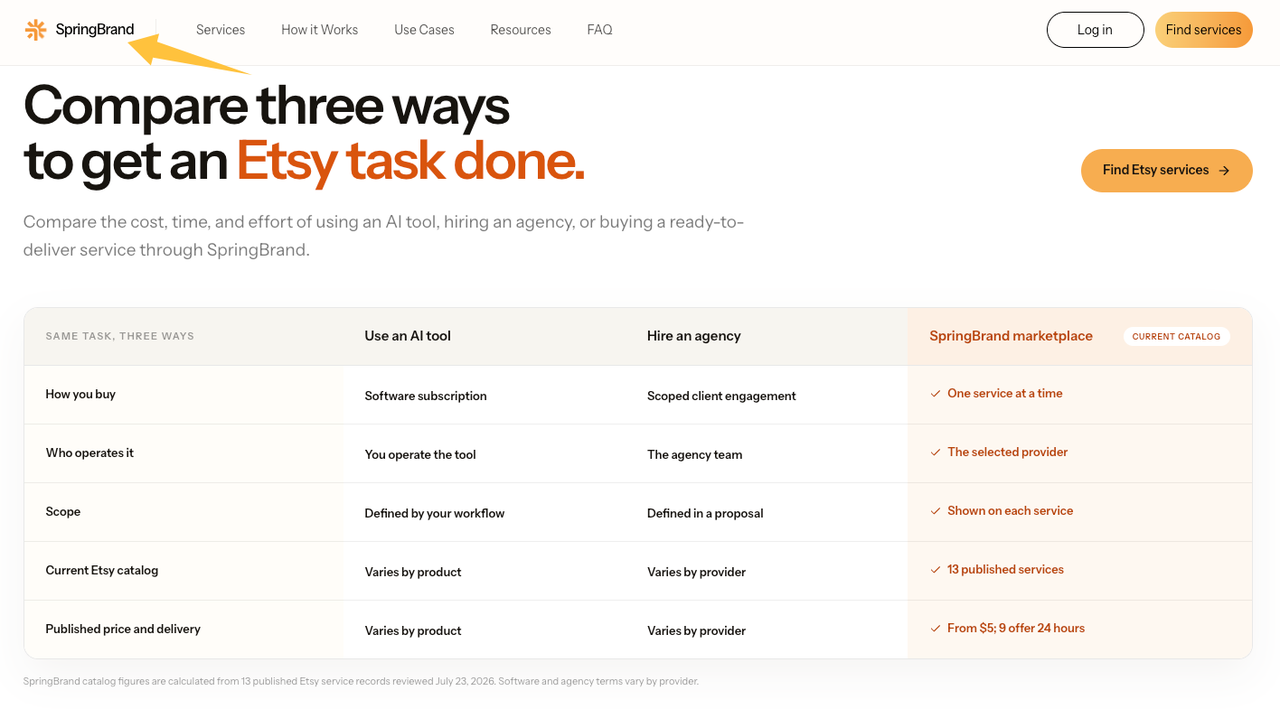
If an Etsy execution task remains after that plan is set, describe that task through SpringBrand for a match against its current service catalog.
FAQ
How should conflicts with an internal manager be resolved?
Assign different decision domains before work starts. The internal manager might own daily delivery, while the fractional leader owns priorities and strategic recommendations. Name one executive to resolve overlap, record the decision, and state which work pauses during escalation. Do not let seniority implied by a title settle authority informally.
Can two fractional specialists share one growth plan?
Yes, if one person owns the integrated plan. Give each specialist a channel or workstream, shared definitions, dependencies, reporting dates, and a common escalation path. Without one accountable owner, two reasonable channel decisions can compete for the same audience, budget, landing page, or internal production capacity.
What if the business needs emergency support?
Define emergency coverage separately from normal capacity. Specify qualifying incidents, contact method, response target, backup person, access level, and any additional fee. If the provider cannot offer coverage, assign an internal owner or another vendor. Do not assume a fractional schedule includes immediate availability.
What happens when a fractional marketing leader takes planned leave?
The engagement should name a temporary decision owner, notice period, transferred deadlines, open approvals, and the records needed for handoff. Routine work may continue under the internal manager; major budget or strategy changes may wait. If no one can legally or operationally approve an action, pause it.
Can the engagement continue after the company hires a full-time executive?
It can, but the role should be rewritten. The fractional leader might support transition, retain a specialist workstream, advise the new executive, or exit after documentation and account transfer. Set an end date or review point so two leaders do not retain overlapping authority indefinitely.
Conclusion
Fractional marketing services make sense when the business can name the authority it needs, the work that fits inside limited capacity, and the person who keeps decisions moving between working sessions. Before the engagement starts, give that internal owner the final say on priority conflicts and the move to a different staffing model.
Recommended Reads
- ChatGPT Sites vs a Web Designer: Business Fit
- ChatGPT Sites for Small Business: What to Check
- One Video, Ten Assets: Small Business Workflow
- LinkedIn Headline Examples That Explain What You Actually Do
Explore SpringBrand
Turn ideas into working workflows
Connect agents, APIs and tools in one workspace. Start with a task you want to get done.
Get started free
One account. 10,000+ APIs & capabilities
Give your agent APIs and plugins without separate keys or integrations for every provider.
Explore APIs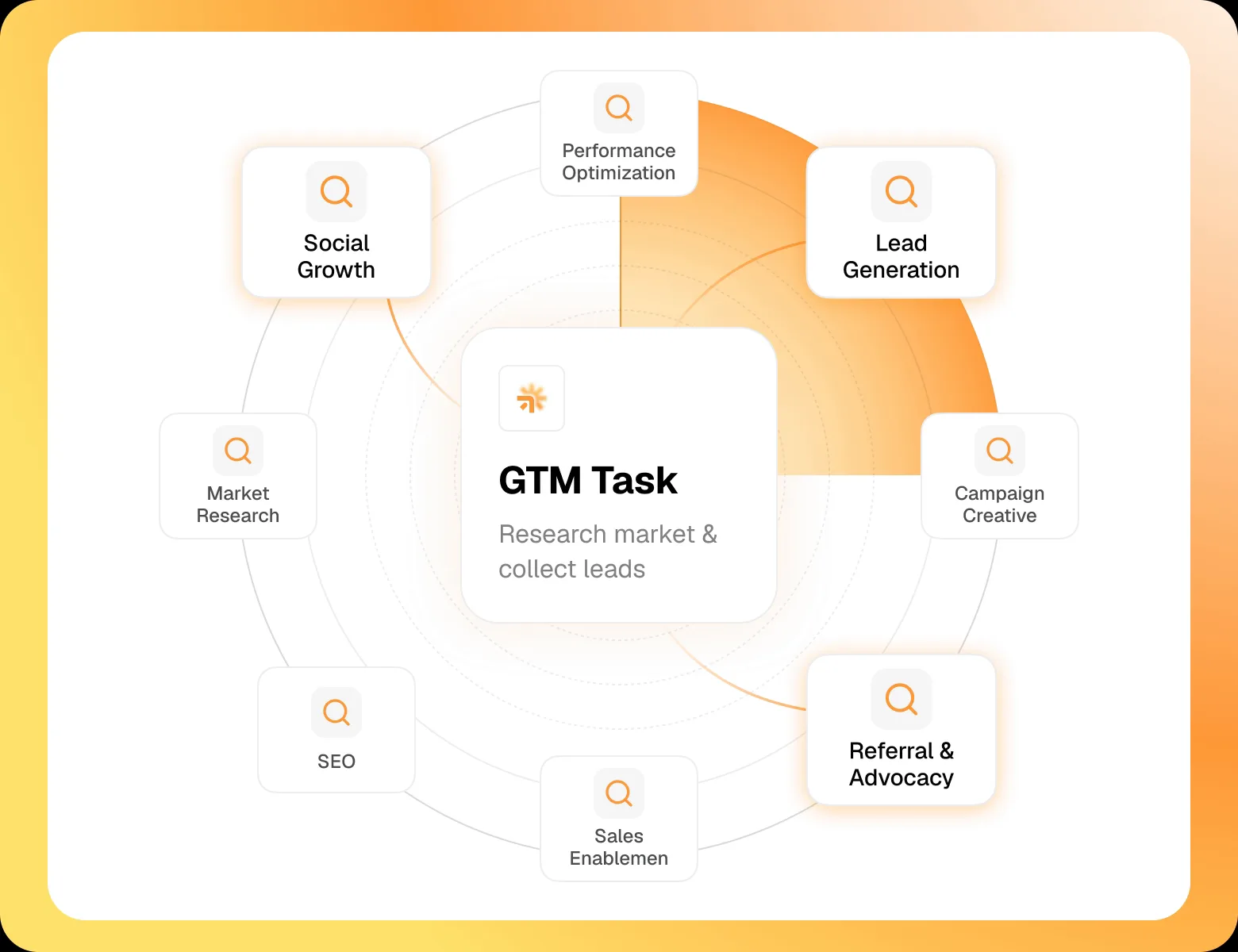
No tool expertise needed
Describe your GTM task. SpringBrand chooses the right APIs and plugins for your agent automatically.
Find tools for your task
Run tasks 24/7
Connect your agent to SpringBrand to keep tasks running automatically, day and night.
Connect your agent