Top Digital Marketing Tactics for SMBs in 2026
Top digital marketing tactics for SMB teams in 2026, prioritized by business goal, effort, cost, and the capability required to execute them.
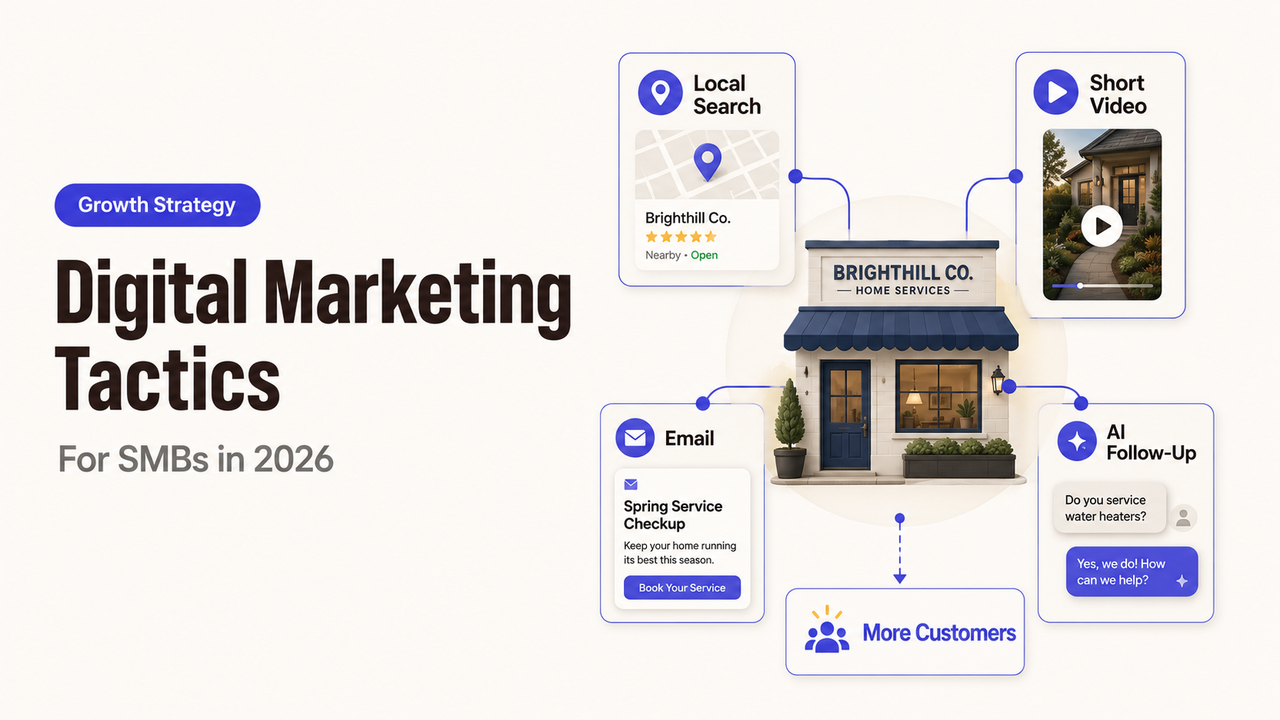
An owner has budget for one meaningful campaign and staff time to maintain one channel well. The planning sheet has the usual pile-up: local SEO, paid search, email, short-form video, partnerships, and a website rebuild all marked as priorities. I’m Alex, and I would not let a small team treat that as a plan yet. This guide looks at the top digital marketing tactics for SMB teams by the job each tactic is supposed to do, the money and attention it will take, and whether the team has the skill to keep it moving after week one. I’m Alex—my rule for this plan is that a tactic does not enter the 90-day queue until someone can own the work and read the result.
Quick Priority Matrix by Goal and Capacity
Choose the business job before the channel. “Do more social” is not a job; “bring previous buyers back” is. These SMB marketing tactics are ranked as next moves, not as universal winners. The effort and cash labels below are comparisons, not price estimates: light fits an existing routine, moderate needs protected weekly time, and heavy usually requires specialist or cross-team work.
Business goal | Start with | Operating effort | Cash need | Capability that must exist | Warning that changes the priority |
Stop losing existing demand | Conversion path and tracking | Moderate | Light–moderate | Web editing, routing, measurement | Calls or forms fail an end-to-end test |
Win nearby customers | Local pages and Business Profile | Moderate | Light | Accurate location data and profile ownership | Details or service areas are disputed |
Capture active search demand | SEO pages or paid search test | Moderate–heavy | Variable | Search intent, landing pages, measurement | No useful offer or qualified action is defined |
Build demand from expertise | Content plus selected distribution | Heavy | Light–moderate | Expertise, editing, publishing | No audience or distribution route exists |
Nurture known contacts | Relevant email | Moderate | Light–moderate | List quality, segmentation, ownership | Contact source or purpose is unclear |
Increase repeat business | Lifecycle messages or reminders | Moderate | Light–moderate | Customer records and timing | Customer experience is unreliable |
Earn referrals | Referral process or partnerships | Moderate | Variable | Partner fit, disclosure, capacity | Incentives or claims could mislead |
For most limited teams, the first move is fixing the path between attention and a business response. Then choose one demand tactic and one retention habit the team can maintain.
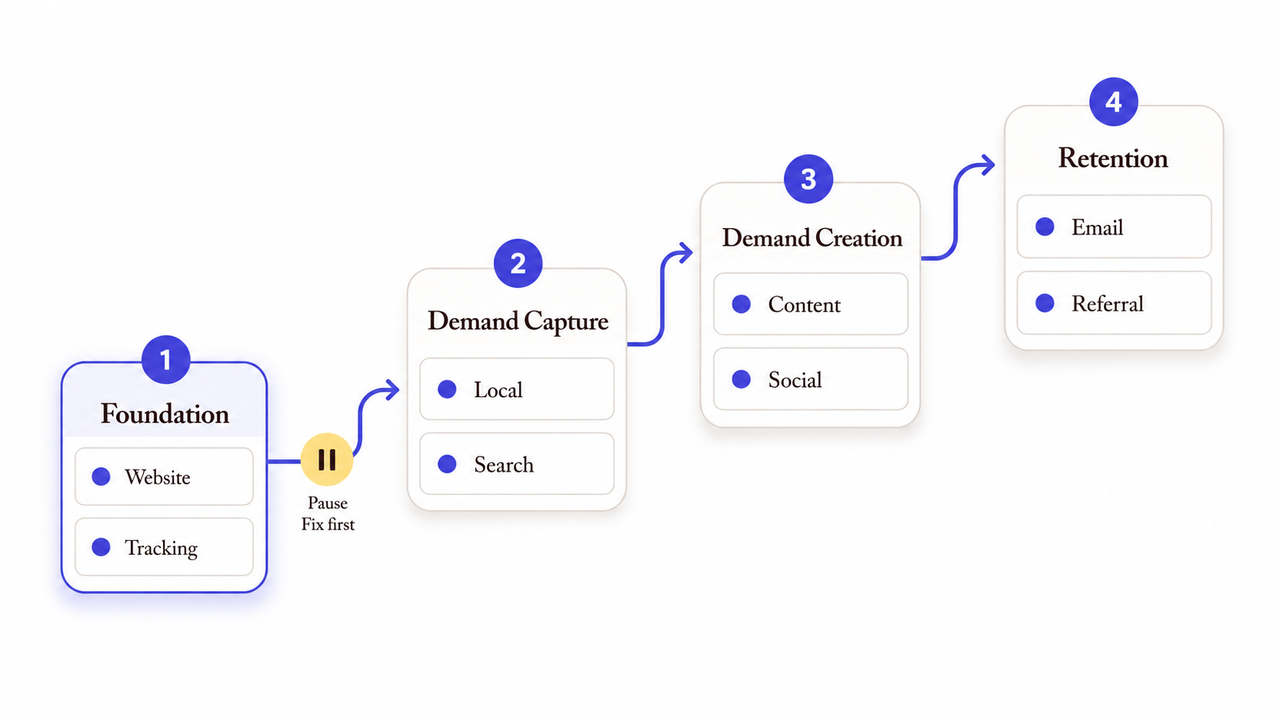
Foundation: Website, Tracking, and Customer Data
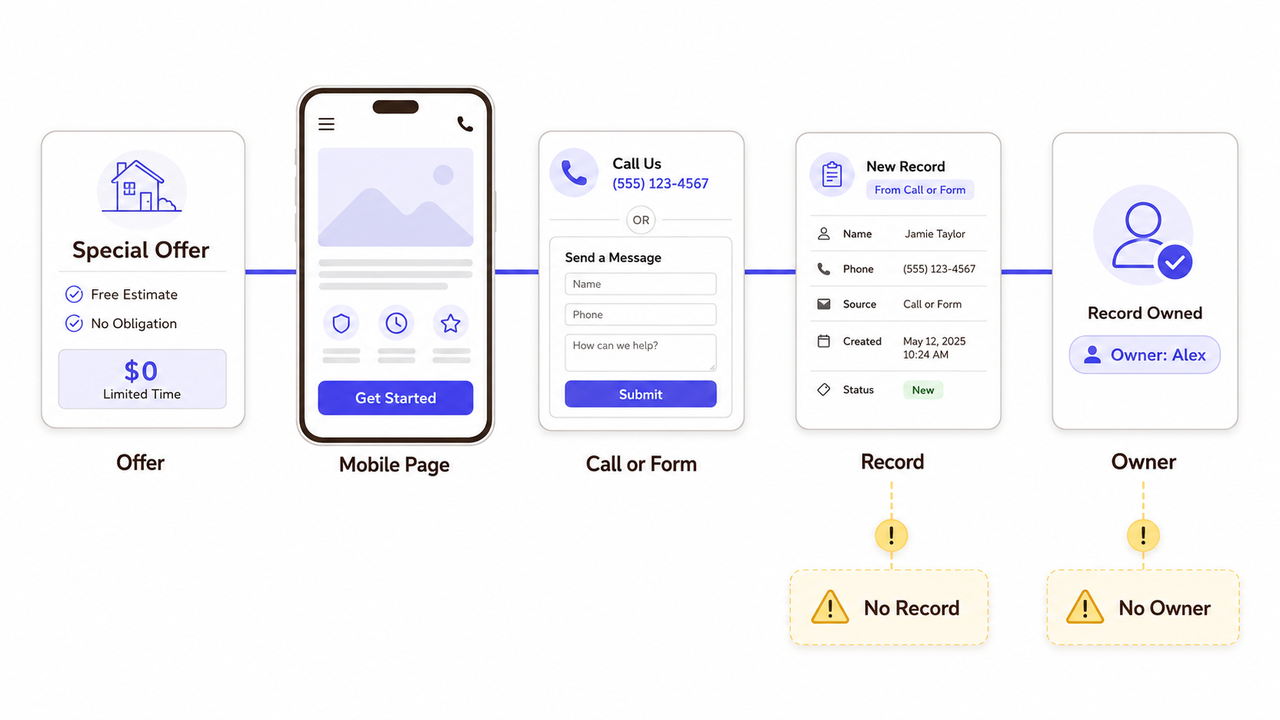
Start where a customer tries to act. Before adding another channel, test the path that already exists. Open the offer page on a phone. Submit the form. Tap the phone number. Try the booking flow or checkout. Then write down where the inquiry goes, who notices it, and what happens when that person is out for the day.
That check usually tells you more than another tactics list. The site needs a clear offer, believable proof, correct contact details, an action people can actually complete, and a follow-up route the business can support. Google’s current Search Essentials recommends helpful content, descriptive words in prominent locations, and crawlable links; following those practices still does not guarantee indexing or visibility.
Define the events the team will review. A recorded form submission is not yet a qualified inquiry. For each event, note the customer action, system, review owner, possible business outcome, and measurement gap.
Set campaign names before links circulate. Google Analytics explains that UTM parameters can identify referring campaigns; inconsistent or missing values fragment reporting. Keep one sheet for source, medium, campaign, offer, owner, and launch date. Collect only the customer data the next step needs, preserve its source, and limit access by role.
Demand Capture: Local SEO, Search, and Conversion
Demand capture serves people already looking for a product, service, location, or answer. Local SEO, search pages, and paid search become useful only when the business can recognize and serve the inquiry.
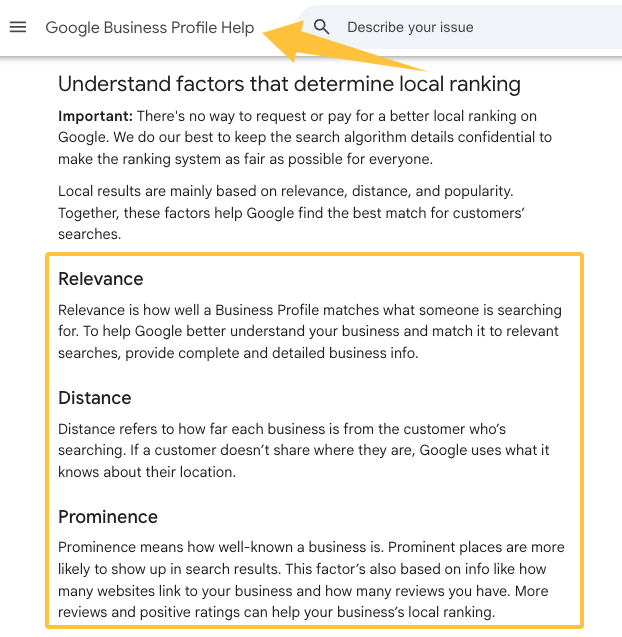
For a location-based business, start with the pieces customers and Google both depend on: the business name, category, address or service area, hours, phone route, website page, and Business Profile owner. Google’s own local ranking guidance points to relevance, distance, and prominence, so complete and accurate profile information is not busywork. It is the floor. No vendor can guarantee a local position.
Organic search fits recurring questions that can support durable pages and a team prepared to wait for crawling, indexing, and competition. Build a focused service or product page before a large content calendar. Answer the searcher’s question, clarify fit, and offer a testable next step.
Paid search can return faster feedback, while exposing weak offers and broken pages just as quickly. Set a finite test budget, narrow the intent, and inspect search terms and lead records rather than clicks alone.
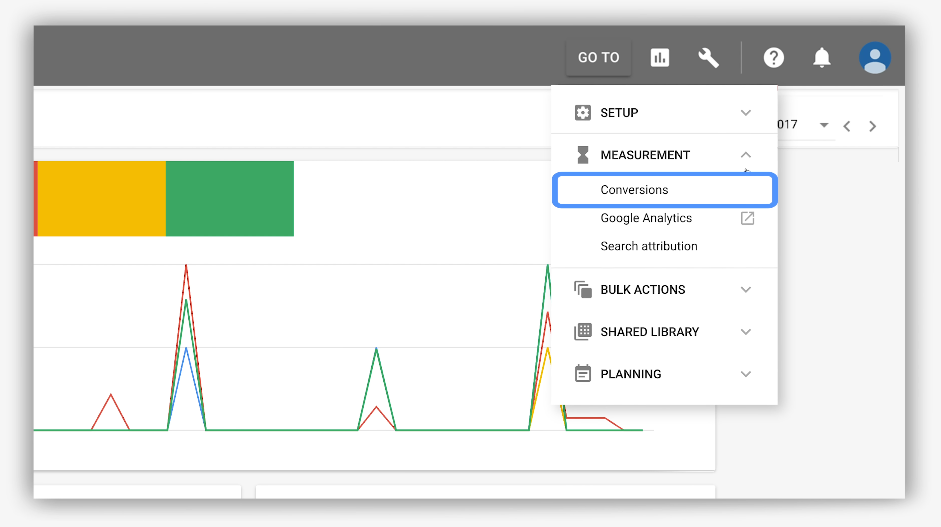
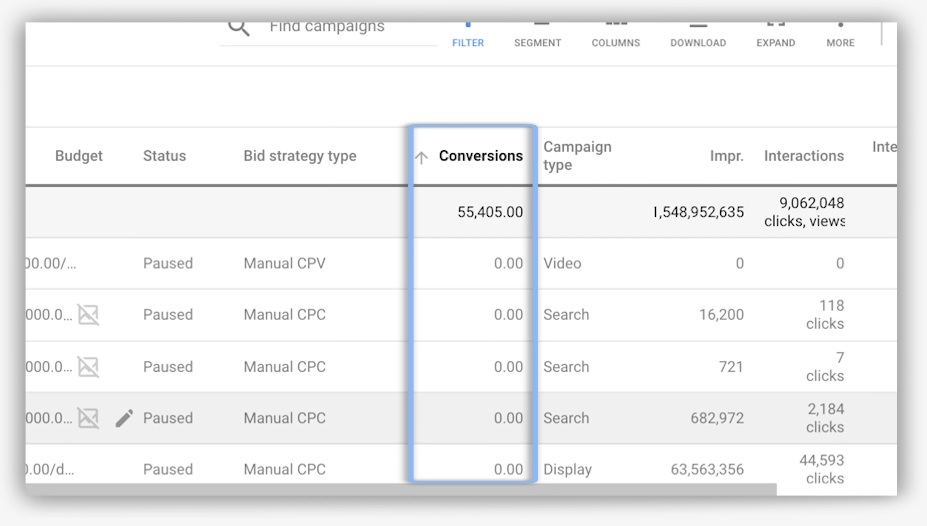
Google Ads defines conversion tracking as connecting ad interactions with actions such as purchases, calls, or sign-ups. The business still decides which action matters. Do not optimize around every form if sales accepts only a defined subset.
Demand Creation: Content, Email, Social, and Partnerships
Demand creation helps people recognize a problem or remember the business before they search. Start with repeated questions from sales, support, proposals, and product use. Turn one into a useful source asset, then adapt it for email, video, sales follow-up, or a partner discussion. Each version still needs context and review.
Choose distribution by audience access. Email needs a relevant relationship and an owner for replies and opt-outs. Social needs an audience on the platform and material suited to its format. Partnerships need adjacent audiences and value for both sides. Events or communities fit offers that require discussion, demonstration, or local trust.
Do not treat a borrowed audience as owned data. Preserve each contact’s source and follow-up terms. For US commercial email, the FTC’s CAN-SPAM business guide covers sender information, subject lines, postal addresses, opt-outs, and vendor responsibility. Other places and message types may differ, so assign a review owner.
Judge content by useful replies, qualified visits, sales reuse, assisted inquiries, or questions resolved—not publishing volume. If none can be observed, tighten the content’s job before increasing output.
Retention and Referral Tactics
Retention begins with an identifiable customer event: onboarding, delivery, replenishment, renewal, an unfinished setup, or a service milestone. Attach a useful message or staff action to it. A monthly newsletter should not replace the follow-up customers need.
Start with one lifecycle gap. A service company might add preparation instructions and a maintenance reminder; a retailer might improve post-purchase education before launching a loyalty program.
For referrals, define who is invited, the request, any incentive and disclosure, and the team’s capacity. Do not make a reward conditional on praise. The FTC’s consumer reviews and testimonials guidance distinguishes review incentives from incentives tied to positive sentiment.
Track repeat purchases, renewals, referred inquiries, and accepted referrals separately. A referral code records a connection; it does not prove why the customer chose the business.
Choose Tactics by Capability, Not Trend
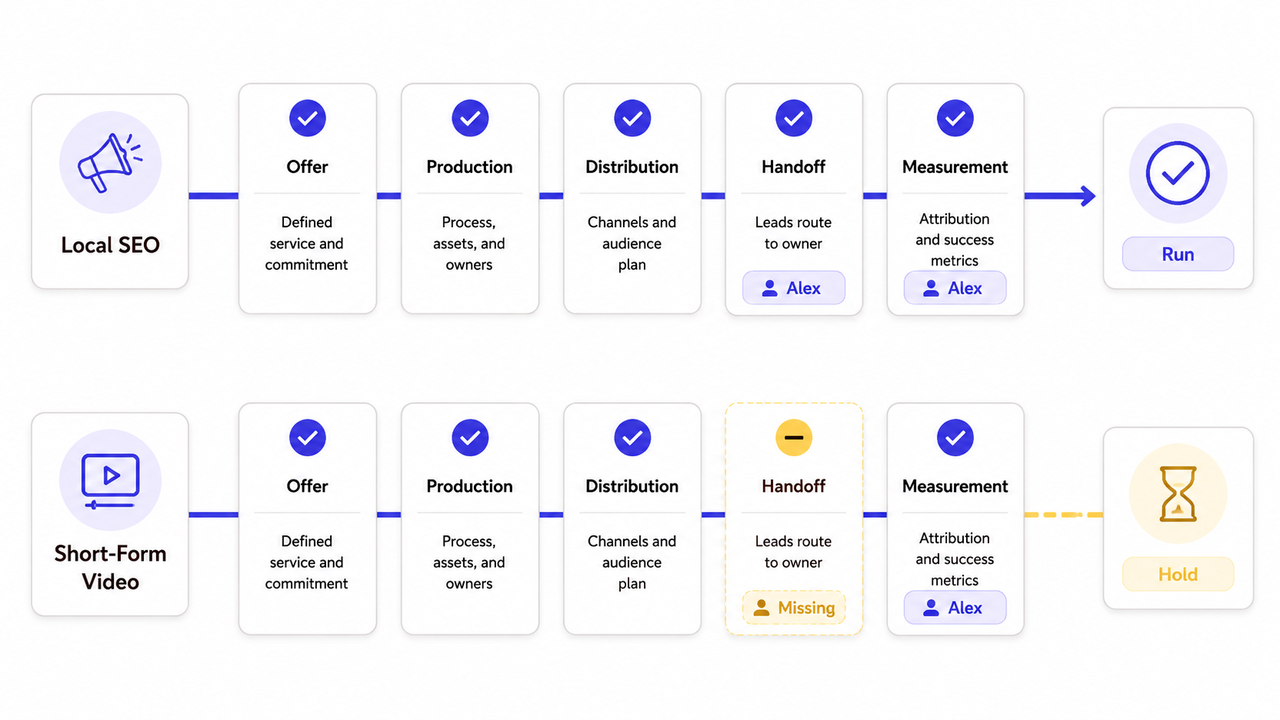
A tactic can be attractive and still be wrong for the next quarter. Check five capabilities:
- Offer: Can the team explain what the customer receives and why it matters?
- Production: Who can create, publish, or configure the work to an acceptable standard?
- Distribution: How will the intended audience encounter it?
- Handoff: Who responds when the tactic produces attention or an inquiry?
- Measurement: Which record supports the keep, change, or stop decision?
This is where a small business digital strategy becomes practical: it is the sequence the team can operate, not the longest channel list. A one-person team can manage several channels when they reuse source material and do not all require daily production. Give each tactic a cadence and an hourly maintenance limit; pause work when the total exceeds capacity.
A small business marketing company may close a capability gap, but the brief must name it: local listing cleanup, paid-search management, lifecycle email setup, or a content system. Keep the offer, customer-data decisions, budget approval, and qualified-result definition with the business.
Build a 90-Day Action Plan
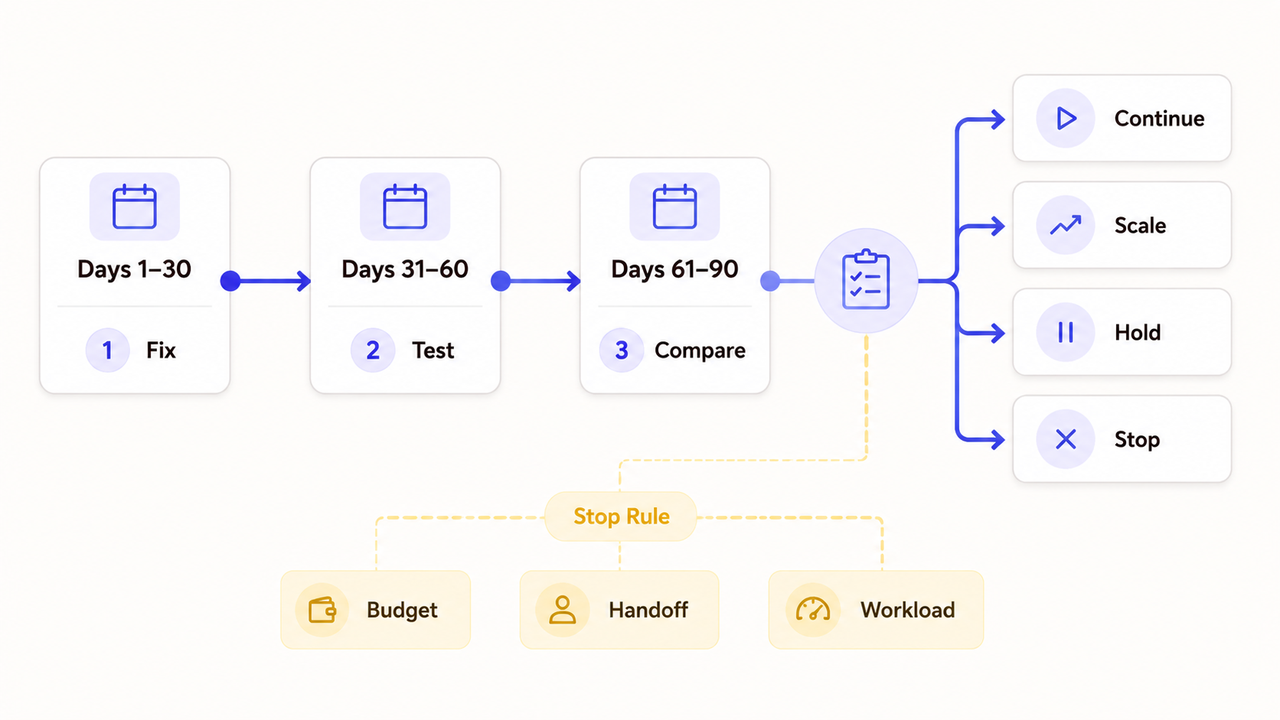
A 90-day plan gives the team a review rhythm. It does not mean every channel should be expected to mature in one quarter. SEO, partnerships, retention work, and long sales cycles often need more time. What the team can test in 90 days is whether the work is clear enough to run, review, and either continue or stop.
Period | Work | Evidence at the review | Decision |
Days 1–30 | Choose one goal; test the website and handoff; establish a baseline; clean naming and data ownership | Baseline, working path, owner, known gaps | Approve one demand test and one retention habit |
Days 31–60 | Launch the test; maintain the retention action; review inquiries and workload weekly | Spend or production time, qualified responses, failures, staff hours | Correct the offer, targeting, page, routing, or cadence |
Days 61–90 | Repeat what passed; compare result quality with cash and staff time | Accepted leads or customer outcomes, cost, workload, uncertainty | Continue, scale, hold, or stop |
For example, a local service business could first correct location details, test call routing, and define a qualified inquiry. In month two, it runs one narrow search campaign and adds a post-service reminder. In month three, the owner compares accepted inquiries and repeat bookings with media cost, staff time, missed calls, and capacity.
Write the stop rule before launch: a spending ceiling, broken handoff, irrelevant inquiries, unsustainable workload, or poor offer fit. A stopped test still has value when its assumptions and result are recorded.
FAQ
Can one person manage several channels effectively?
One person can manage several tactics only when the jobs are narrow, the cadence is realistic, and the same source material can be reused without stretching it thin. One person cannot own strategy, daily creative, ads, website maintenance, lead qualification, and reporting at specialist depth. Something will become shallow, late, or invisible. Set weekly time limits and pause work that displaces the main goal.
What changes when most customers buy offline?
Define offline events such as qualified calls, appointments, visits, quotes, or purchases. Preserve a permitted campaign or referral identifier, then reconcile marketing records with the operational system. Report unmatched activity as unknown.
When should a business stop testing a tactic?
Stop or redesign a tactic when it crosses the agreed limit, attracts the wrong audience, breaks the handoff, creates unacceptable risk, or cannot be evaluated after reasonable corrections. A slow tactic still needs execution milestones and review dates.
How should a seasonal business schedule its marketing tests?
Work backward from the buying window. Finish tracking, pages, list checks, and approvals before demand peaks. Test early enough to adjust, then record the offer, seasonal context, capacity, and comparison period. An off-season result is not a clean forecast for peak demand.
What should change when a small business enters a new region?
Recheck customer language, search behavior, competitors, service capacity, response times, location claims, pricing conditions, and applicable requirements. Build the regional landing and handoff path before expanding media. Keep the first test narrow enough to separate a weak channel from a weak regional offer.
Conclusion
The best 2026 plan is not the one with the newest tactic in it. It is the one a small team can tie to a business goal, operate without losing the handoff, and review with evidence. Fix the foundation first. Choose one demand move and one retention habit. Name the owner and the stop rule. Then let the 90-day record decide what deserves the next round of time and budget.