ChatGPT Sites SEO: What Small Businesses Should Check

Written by
Springbrand Editor Team
Editorial team
Springbrand Editor Team creates and maintains blog guides on AI tools, automation, marketing, and agent workflows.

Reviewed by
Springbrand Audit Team
Editorial review team
Springbrand Audit Team supports editorial quality through source checking, clarity, and consistency across the blog.
Updated
Published
ChatGPT Sites SEO depends on structure, content depth, crawlability, internal links, domains, and ongoing optimization.
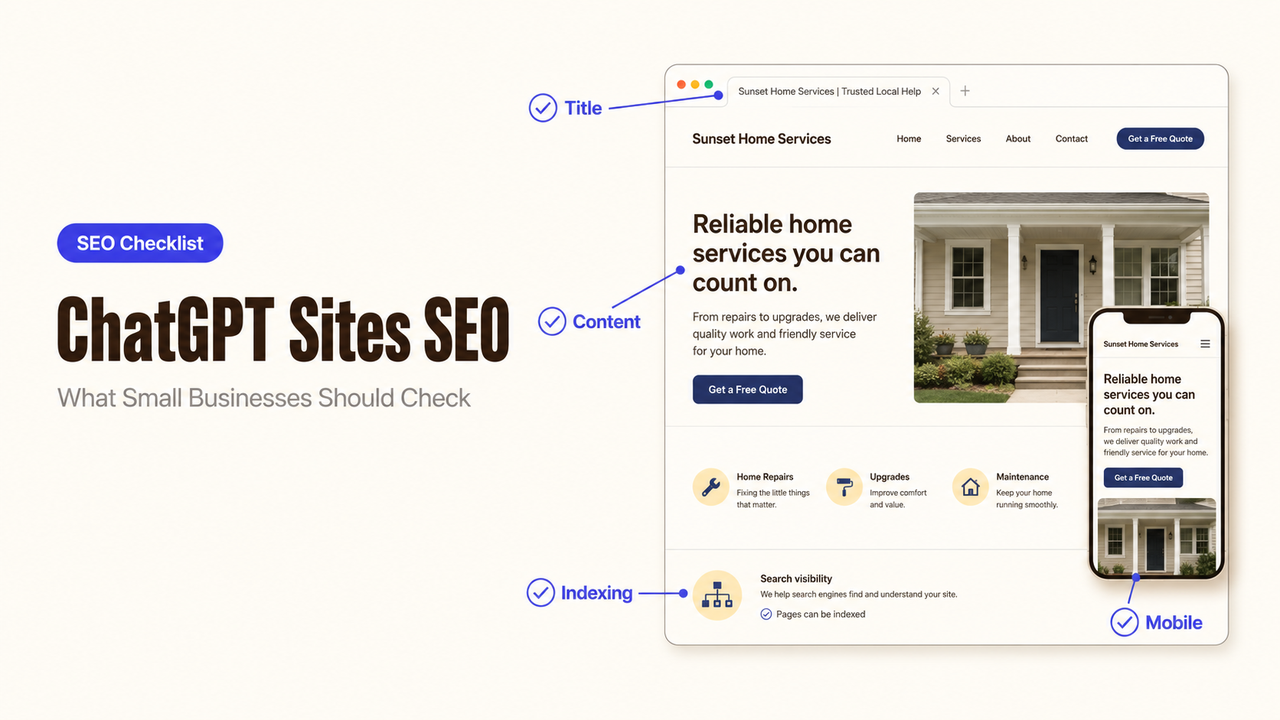
Getting the homepage live is useful, but it does not tell you whether the site is ready for search. Start with the live page: read the title and headings, follow the internal links, and make sure Google can reach the important URLs without those URLs changing underneath you. Then compare the live page with what Search Console reports. Alex here. For this ChatGPT Sites SEO checklist, anything Sites does not document or expose stays open until you can verify it. I’m Alex; treat every unchecked item as a verification task, not as a feature you hope exists.
Publishing a Website Is Not the Same as SEO
Publishing proves that the intended audience can visit a deployment. SEO asks whether a search engine can reach, understand, connect, and revisit its pages. Eligibility for indexing still does not promise visibility or ranking.
OpenAI’s current Sites documentation is useful for confirming what the product does today. It covers creating, hosting, refining, publishing, sharing, and basic traffic analytics. I could not find the same detail for page titles, meta descriptions, robots rules, sitemaps, canonicals, or redirects. For an OpenAI Sites SEO review, I would check those items on the live site one at a time: use the setting when it is visible, inspect the published code when that is the only evidence, and leave the item unverified when neither route works.
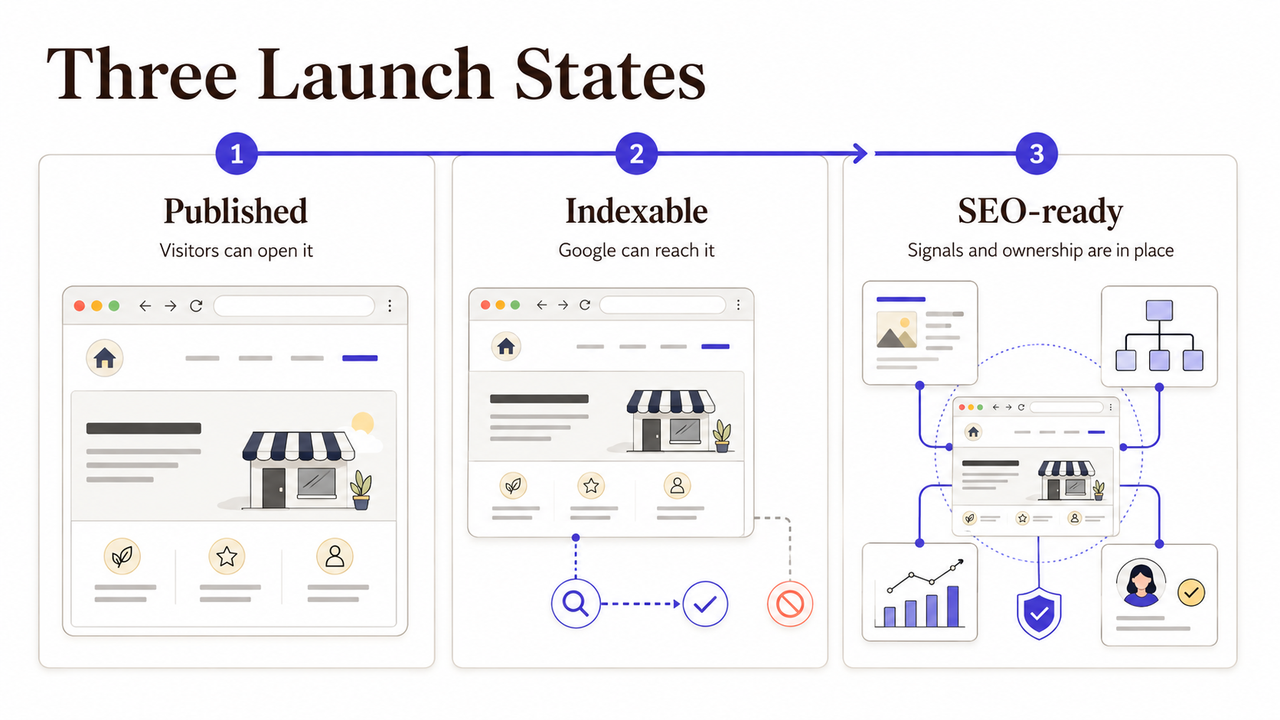
Use three launch states:
- Published: the chosen audience can open the URL.
- Indexable: the page is public, crawlable, and not blocked by an access or indexing rule.
- SEO-ready: the page also has useful content, coherent signals, internal paths, measurement, and an owner for follow-up work.
Check Page Titles, Meta Descriptions, and Headings
To optimize a ChatGPT website for search, start with what a visitor and crawler should understand. Each service page needs a distinct subject, visible main heading, and copy that answers its search intent. Do not copy the homepage title across every URL.
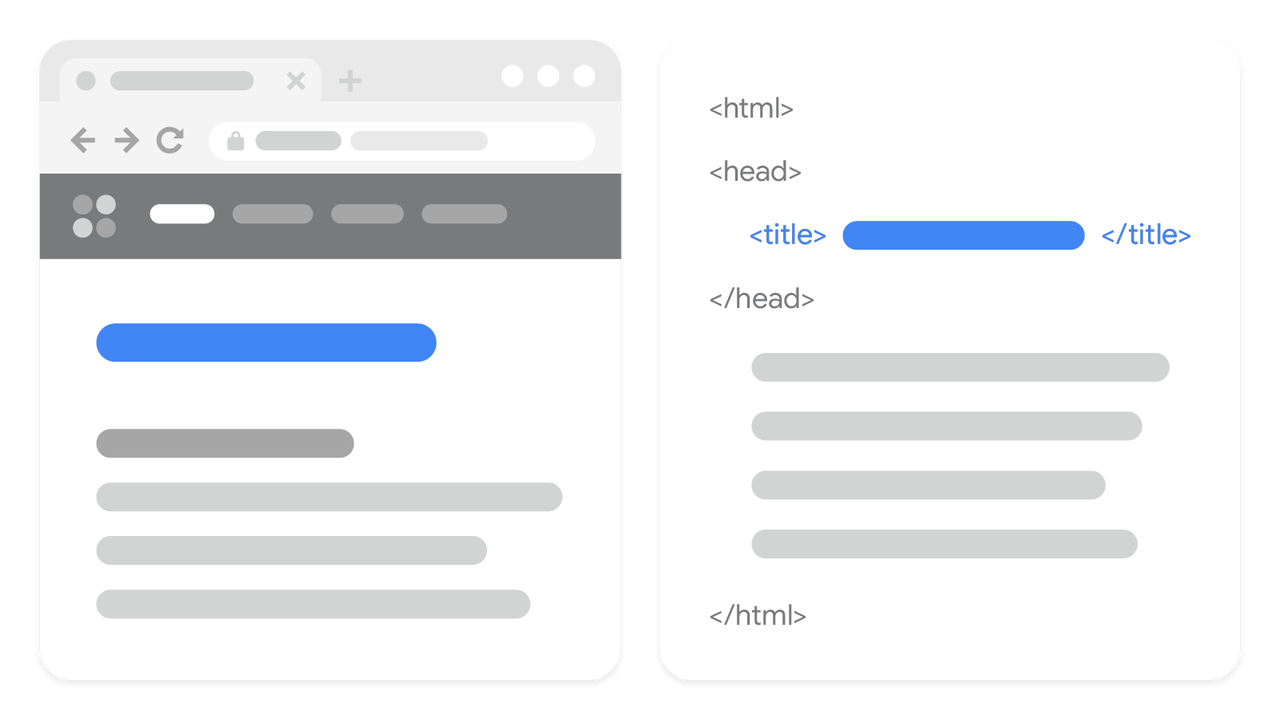
Google’s SEO Starter Guide for titles, snippets, content, and links explains that title links can draw from the HTML title and headings, while snippets usually come from page content and may use the meta description. That means a written meta description is a useful input, not a guaranteed search-result message.
For every important page, collect this evidence:
Check | Evidence to inspect | Failure response |
Page title | Rendered HTML contains a unique, descriptive | Edit the source or verify whether Sites can apply the change |
Main heading | One visible H1 states the page’s primary subject | Rewrite the heading hierarchy before adding more copy |
Meta description | A unique description appears in the document head | If the control is unavailable, strengthen the opening copy and record the gap |
Supporting headings | H2s divide the page by customer question or task | Replace decorative headings with useful information structure |
Do not accept a generated heading because it contains a keyword. Read it beside the title and opening paragraph. Repetition without added meaning optimizes density, not clarity.
Check Crawlability, URLs, Domain, and Indexing Signals
A crawler needs a stable public route. Open the site while signed out, test priority pages on mobile, and confirm navigation does not require a workspace session. Record who controls the domain and Search Console property.
OpenAI’s July 2026 changelog confirms that users can connect custom domains to published Sites. That does not prove redirects, canonical URLs, sitemap generation, or migration behavior meet your needs. Verify them on the deployment instead of inferring them from domain support.
Use this technical readiness check:
- Load each priority URL directly and confirm the expected content appears.
- Inspect whether the URL remains stable after navigation and deployment updates.
- Check for an unintended
noindex, blocked resources, duplicate routes, or sign-in requirement. - Verify ownership in Search Console and inspect the live URL as Google sees it.
- Determine whether a sitemap exists and whether priority pages are discoverable through ordinary links.
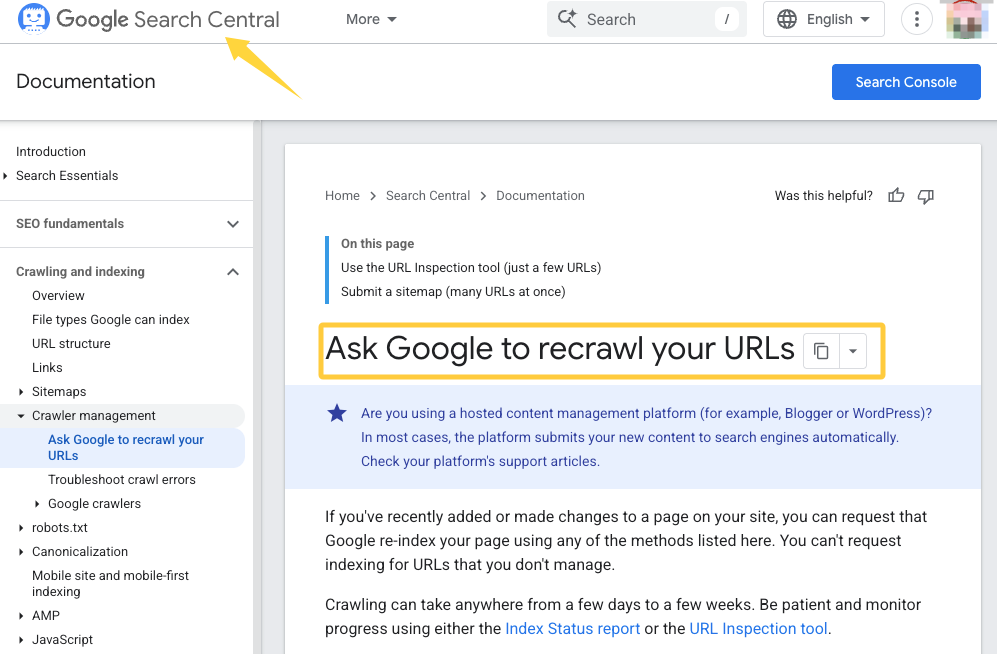
Google says a crawl request can take days to weeks and does not guarantee inclusion in search results. Repeated submission is not an SEO strategy. Fix access problems first; if Google can crawl but does not index the page, review usefulness, duplication, internal links, and site quality.
Before promoting a temporary URL, either keep the validation site small and disposable or establish the final domain, URL map, and migration owner. Otherwise, someone must later repair the handoff.
Check Content Depth and Internal Links
A business site must explain what the company does, where it operates, who the service fits, and what happens next. One homepage rarely covers several services or customer intents well. Create a page when the topic has its own buyer question, explanation, and conversion path—not merely another keyword variation.
A practical map might include the homepage, core service pages, trust information, contact details, and focused FAQs. Each service page should explain scope, audience, process, exclusions, and next action. AI website SEO becomes thin when generated pages differ only by service name or location.
Internal links should reflect that map. Connect the homepage to priority services and educational content to the relevant commercial page. Use descriptive anchor text. A page visible only in a sitemap or editor is not part of the customer journey.
Before launch, ask the content owner to review three paths:
- A visitor who knows the business name and wants contact information.
- A visitor who searches for one specific service and needs proof of fit.
- A visitor who is still learning and needs a relevant next page rather than an immediate sales form.
If a path ends without a useful continuation, fix it before adding another page.
What Small Businesses Still Need After Launch
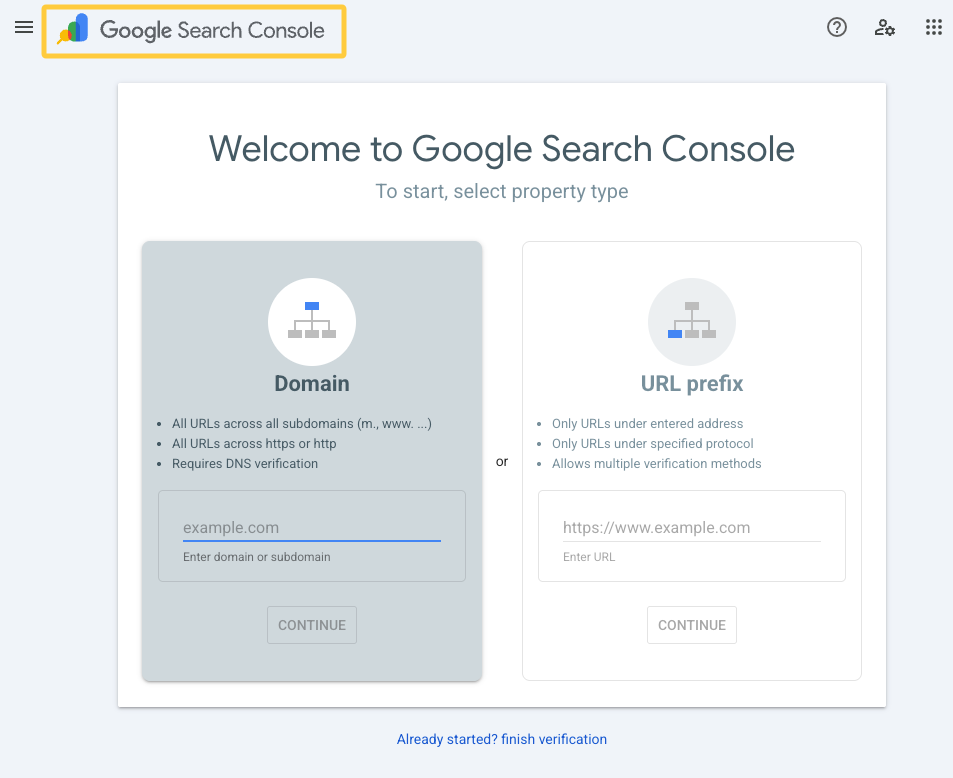
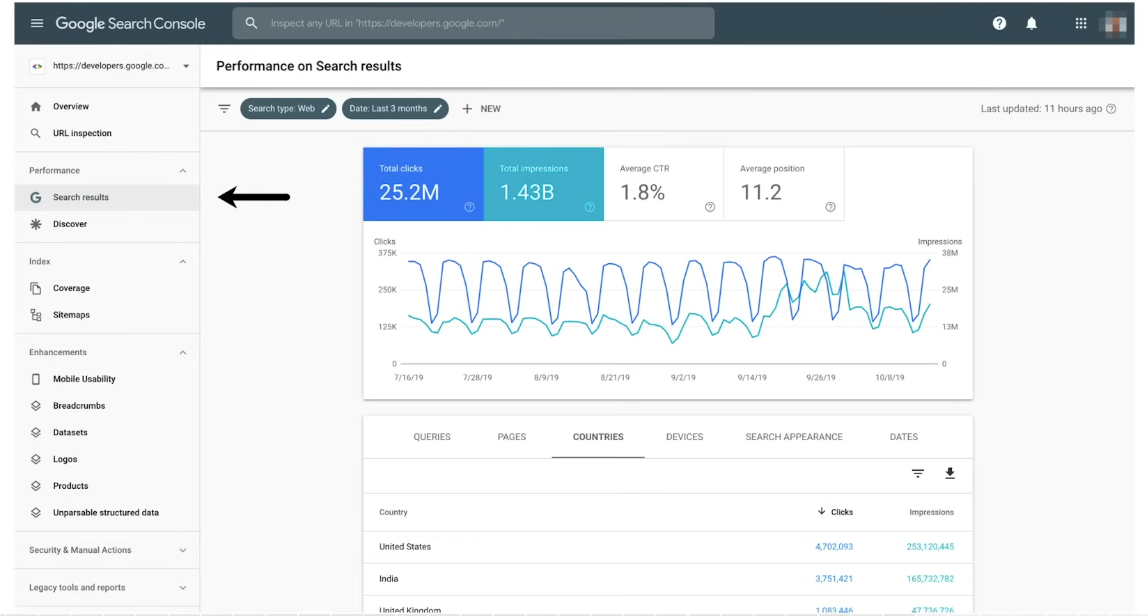
After indexing begins, Search Console shows crawl, indexing, query, page, impression, and click information. Sites analytics currently reports unique visitors and page views. Use Search Console for Google visibility; use site analytics and lead records for behavior after arrival.
For a ChatGPT Sites SEO workflow, assign one person to maintain an issue log with the URL, signal, likely cause, action, owner, and review date. Entries might cover an excluded page, mismatched title, missing internal link, or query the page does not answer. The log makes optimization reviewable.
Track the smallest useful set:
- indexed and excluded priority pages;
- impressions and clicks by query and landing page;
- changes in search-result titles or snippets;
- engagement and qualified inquiries from organic landing pages;
- content, technical, or migration issues still awaiting an owner.
Review the log after material changes and on a schedule the owner can maintain. Compare impressions, clicks, and inquiries with the pages actually edited. A rise or drop without that change record is an observation; it is not yet a diagnosis or a reason to rebuild the site.
DIY maintenance is reasonable when the owner can inspect the source and Search Console and apply fixes. Ask for help when crawl controls are unclear, templates create duplicate signals, a domain move is involved, or implementation is technical. Name the affected URLs, evidence, access constraints, and expected output in the service brief.
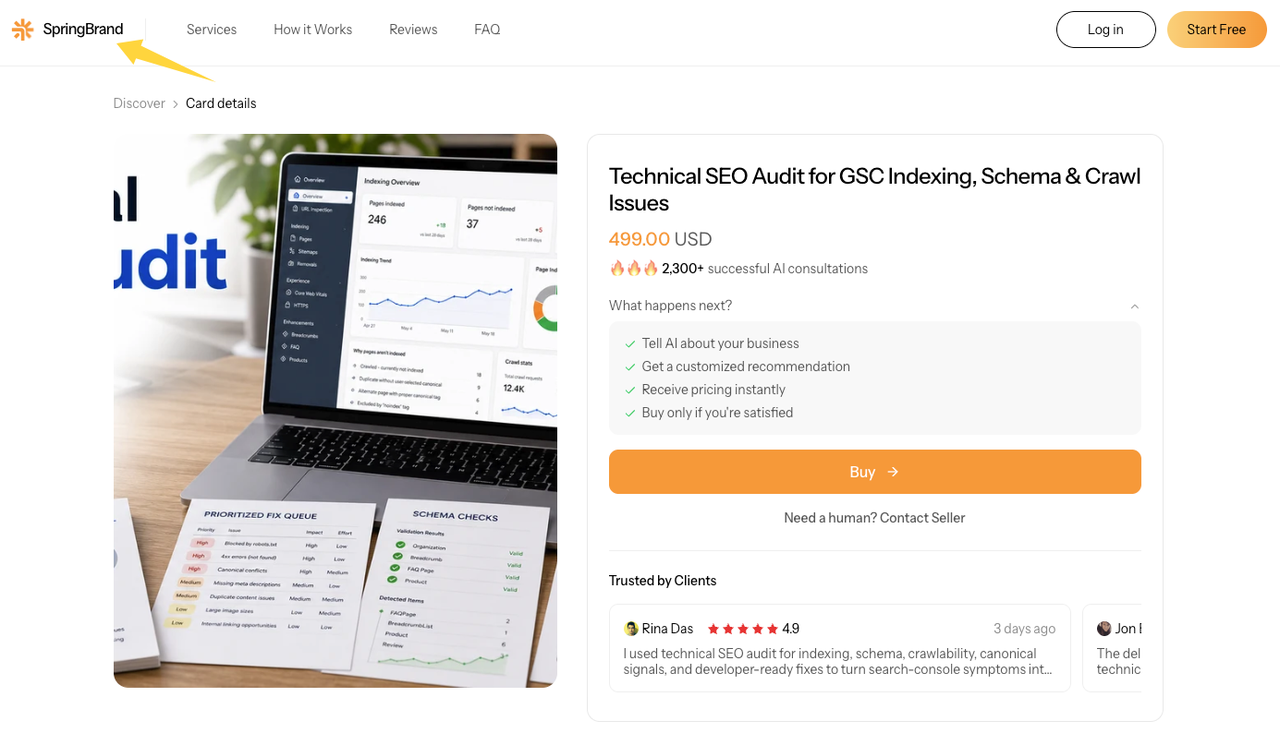
Review SpringBrand’s technical SEO audit scope when indexing, crawl, schema, or template issues need a prioritized fix queue.
FAQ
How long does SEO take for a new business site?
There is no fixed indexing or ranking timeline. Google may process some changes quickly while other changes take weeks or longer, and a crawl request does not guarantee inclusion. Track priority URLs in Search Console, confirm that Google can access them, and review progress against useful content and technical changes rather than a promised launch date.
Should a temporary validation site receive the same SEO investment?
Usually not. Give it clear business information, a usable title and heading, crawl settings that match your intention, and a documented owner. Invest in a full content structure only if the domain and URLs are likely to remain. Otherwise, preserve the final-domain plan and avoid creating pages that will soon need redirects or removal.
What should I track after indexing?
Do not stop at traffic. Watch impressions, clicks, search queries, landing pages, indexing changes, and the inquiries that are actually worth following up. A page may appear more often in search without attracting useful visits, and a traffic increase may still bring the wrong audience. Log every issue against the affected URL, then add the owner, the change made, and the date you plan to review it.
Conclusion
ChatGPT Sites SEO is ready to manage when the business can inspect its search signals, not when the site merely looks finished. Keep the source, domain, Search Console property, priority URLs, content owner, and issue log under named control. A ranking promise cannot close this work; an inspectable record of crawl status, search visibility, and business response can.
Recommended Reads
Explore SpringBrand
Turn ideas into working workflows
Connect agents, APIs and tools in one workspace. Start with a task you want to get done.
Get started free
One account. 10,000+ APIs & capabilities
Give your agent APIs and plugins without separate keys or integrations for every provider.
Explore APIs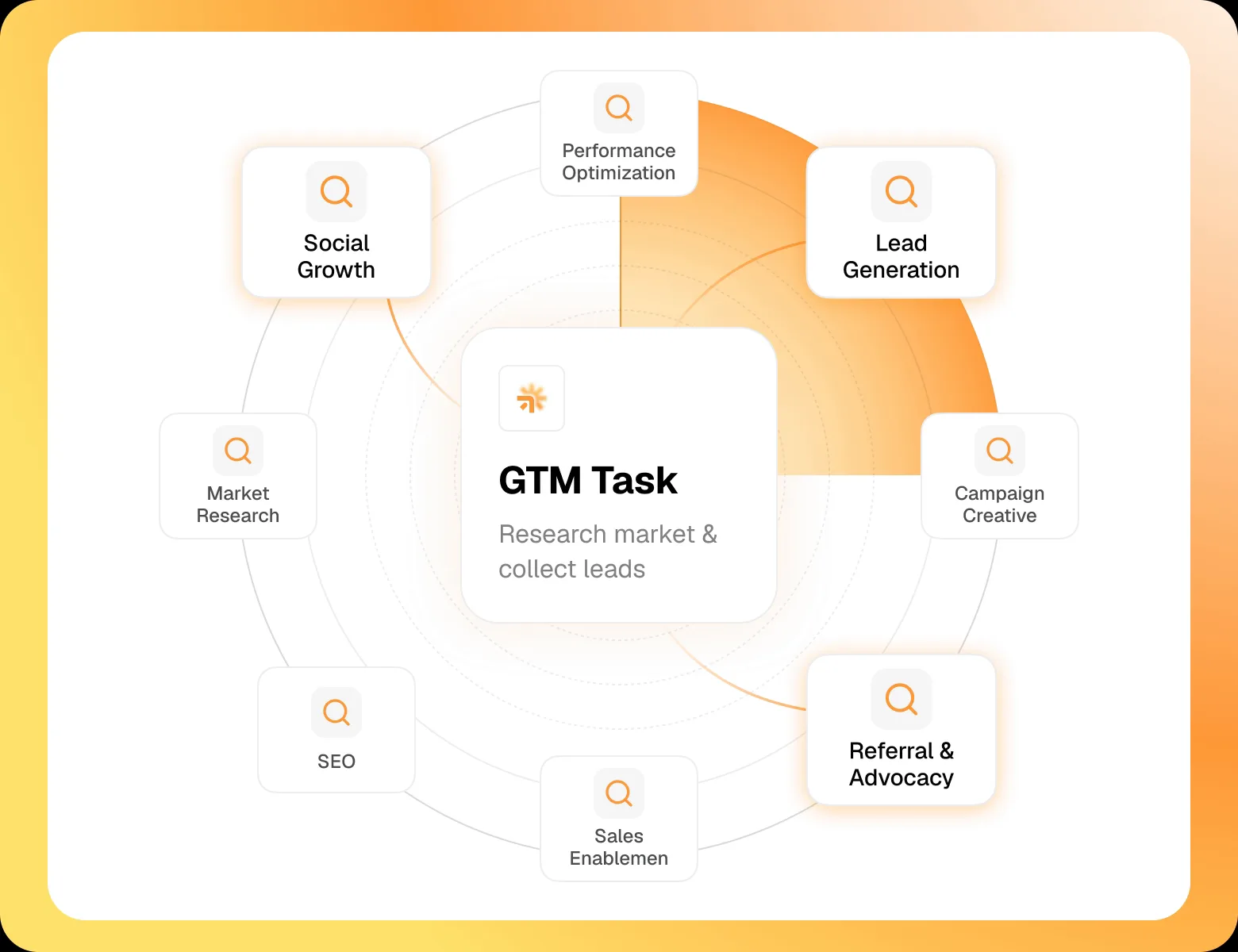
No tool expertise needed
Describe your GTM task. SpringBrand chooses the right APIs and plugins for your agent automatically.
Find tools for your task
Run tasks 24/7
Connect your agent to SpringBrand to keep tasks running automatically, day and night.
Connect your agent