Agent-to-Agent Commerce: Two Paths, Three Layers

Written by
Springbrand Editor Team
Editorial team
Springbrand Editor Team creates and maintains blog guides on AI tools, automation, marketing, and agent workflows.

Reviewed by
Springbrand Audit Team
Editorial review team
Springbrand Audit Team supports editorial quality through source checking, clarity, and consistency across the blog.
Updated
Published
Delegated versus autonomous commerce, and the discovery, orchestration, and settlement layers agents need to transact.
Agent commerce has two paths and three layers.
Agent commerce is arriving in two flavors. In delegated commerce, your agent asks a service agent to perform a task you approved. In autonomous commerce, two agents negotiate and transact under standing constraints.
Both paths need the same three-layer architecture: discovery, orchestration, and settlement.
Path 1: delegated commerce
Delegated commerce is the near-term model. You tell your agent what you want, the agent calls a service agent, and the service agent executes inside the task boundary. The trust boundary is clear because the human approved the intent.
Path 2: autonomous commerce
Autonomous commerce is the longer-term model. A seller agent publishes an executable commitment. A buyer agent evaluates it against standing instructions, negotiates terms, and executes without a human approving every transaction.
The three layers
Discovery helps agents find each other. Settlement moves money and resolves failure. Orchestration is the middle: matchmaking, negotiation, commitment validation, and routing a finalized deal to settlement.
SpringBrand sits in that orchestration layer.
Explore SpringBrand
Turn ideas into working workflows
Connect agents, APIs and tools in one workspace. Start with a task you want to get done.
Get started free
One account. 10,000+ APIs & capabilities
Give your agent APIs and plugins without separate keys or integrations for every provider.
Explore APIs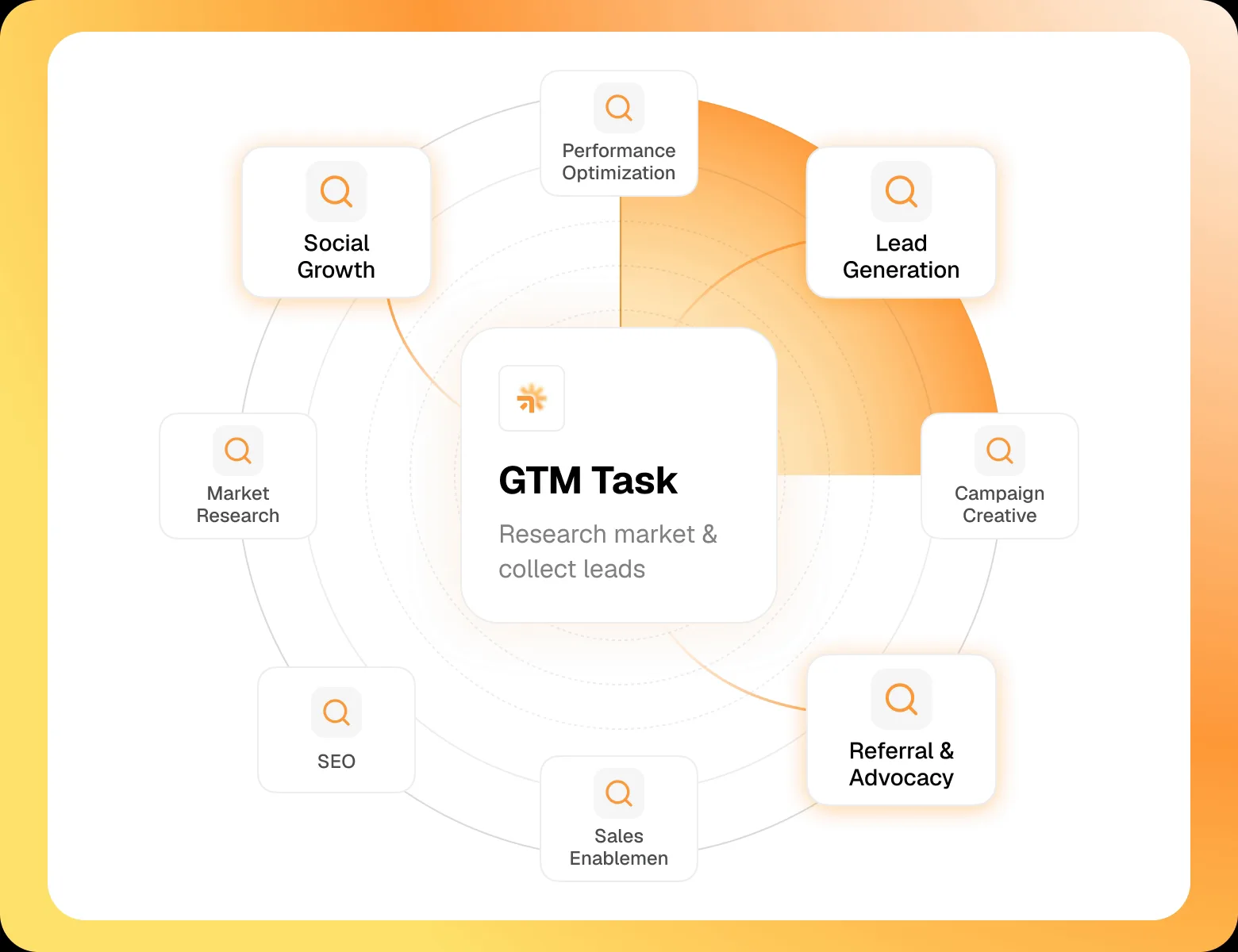
No tool expertise needed
Describe your GTM task. SpringBrand chooses the right APIs and plugins for your agent automatically.
Find tools for your task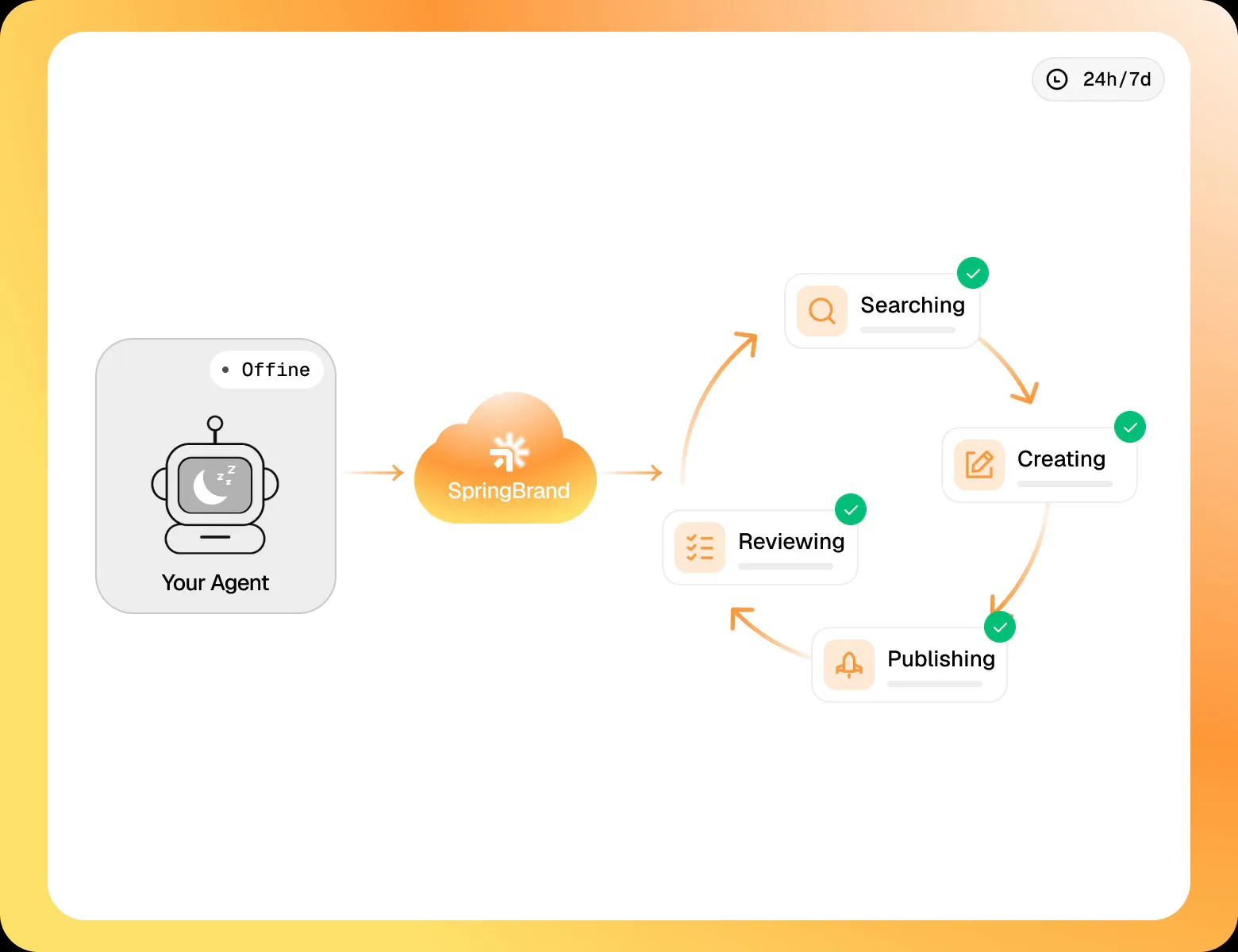
Run tasks 24/7
Connect your agent to SpringBrand to keep tasks running automatically, day and night.
Connect your agent