Social Media Management Packages: Costs and Red Flags
Social media management packages vary in content, channels, approvals, reporting, and exclusions. Compare costs, ownership, and warning signs.
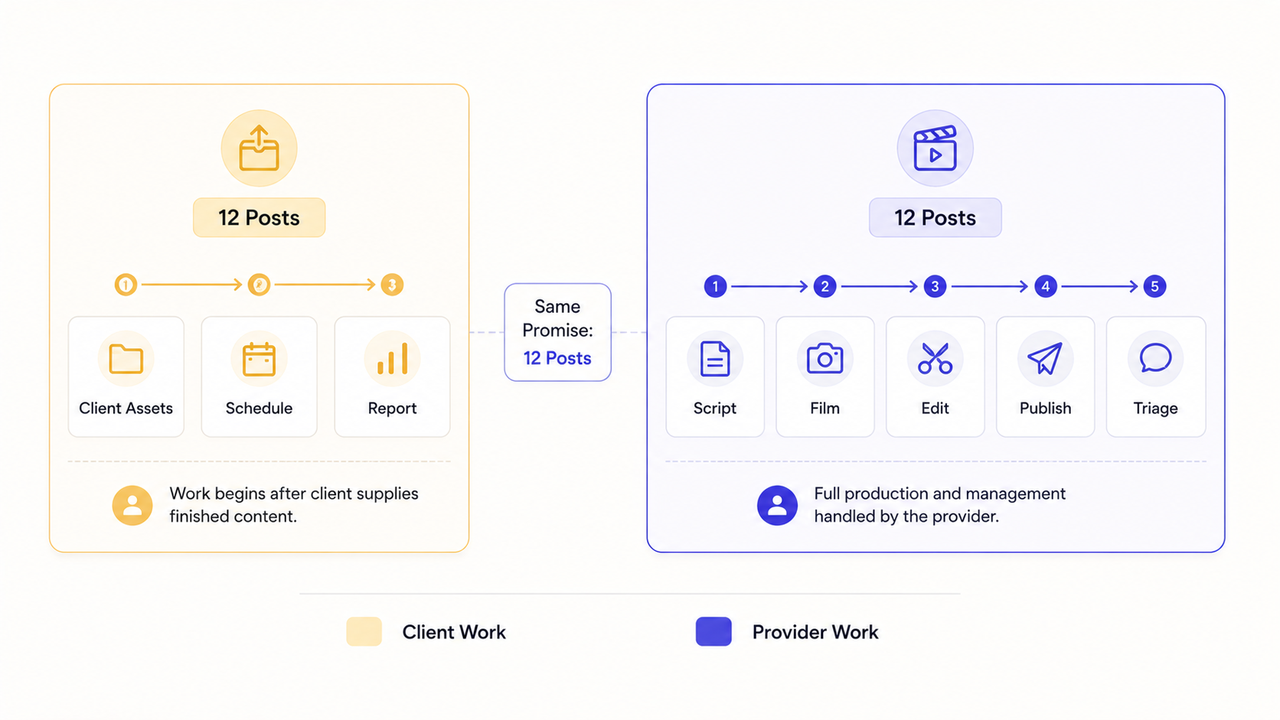
Two social media management packages can each promise 12 posts per month while covering completely different work. One includes scripting, filming, editing, publishing, and comment triage; the other starts after the owner supplies finished assets and ends when the posts are scheduled. The monthly totals may look comparable, but the buyer is carrying different labor and risk. I’m Alex; my comparison starts with the missing owner, approval, or handoff behind every deliverable count.
Quick Comparison: What Common Packages Include
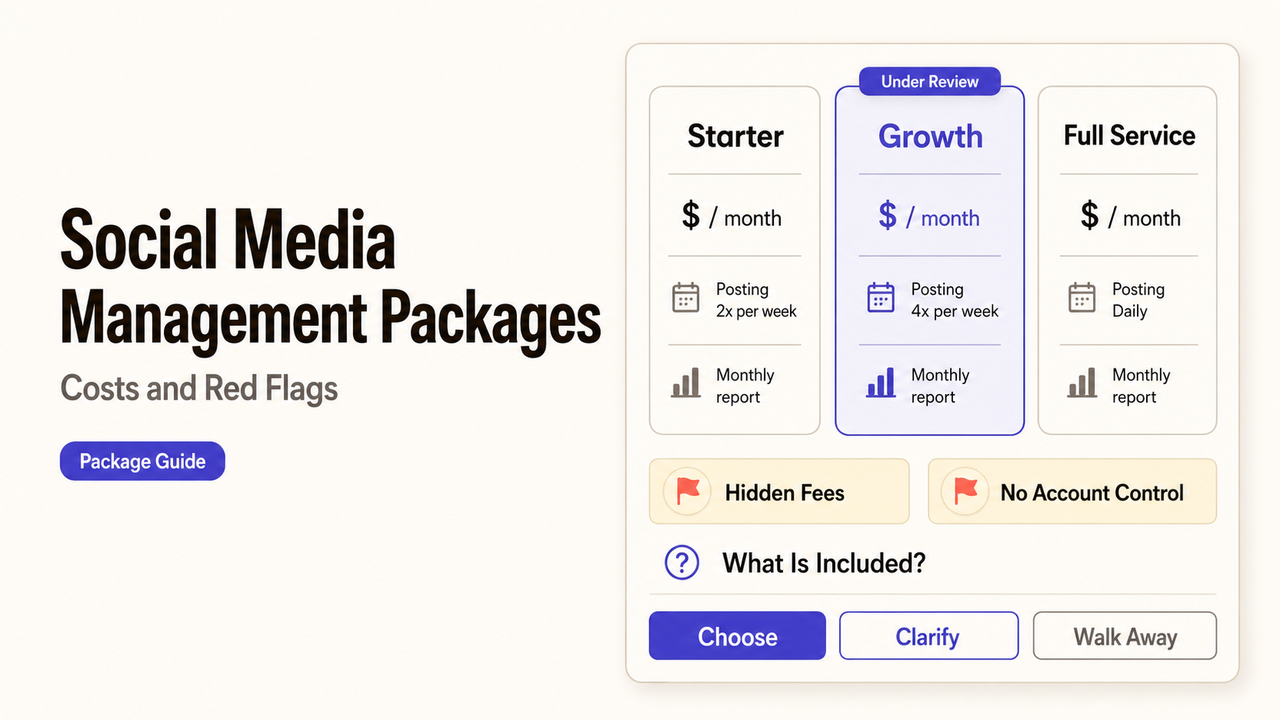
Most social media packages fall into three operating models. Package names vary, so compare the work rather than relying on labels such as “Starter,” “Growth,” or “Premium.”
| Package model | Typical scope | Client still owns |
|---|---|---|
Publishing support | Calendar, captions, scheduling, basic reporting | Strategy, finished assets, approvals, community |
Content production | Planning, copy, design or editing, publishing | Source material, product facts, final approval |
Full management | Strategy, production, publishing, monitoring, reporting | Business decisions, sensitive responses, account ownership |
“Full management” does not have a standard definition. It may exclude filming, creator fees, paid advertising, direct messages, weekend moderation, customer support, or reputational incidents.
Ask the provider to rewrite the package as a responsibility table. Each line should show the deliverable, quantity, format, channel, creator, reviewer, approval deadline, publication owner, and exclusion.
Compare Deliverables by Channel and Posting Volume
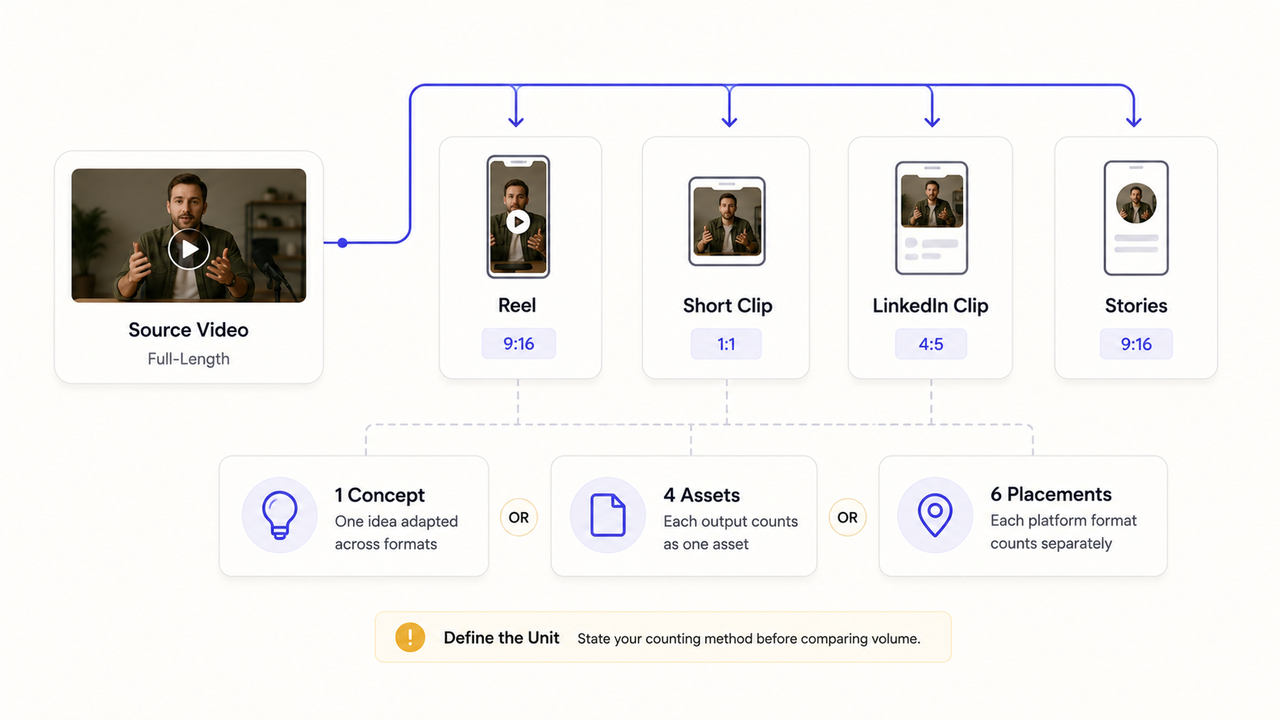
A post count is useful only when the unit is defined.
One source video might become a TikTok post, an Instagram Reel, a shortened LinkedIn clip, and several Stories. A provider may count that as one creative concept, four published assets, or multiple editing deliverables. None of those methods is automatically wrong, but the quote must state which one it uses.
Compare packages with these fields:
| Field | What to clarify |
|---|---|
Channels | Which named accounts are covered |
Formats | Static posts, carousels, short video, Stories, live content |
Quantity | Concepts, finished assets, or published placements |
Adaptation | Whether each channel receives an edited version |
Captions | Original per channel or reused |
Source material | Supplied by client or created by provider |
Revisions | Number, timing, and scope |
Publishing | Draft only, scheduled, or published |
Accessibility | Captions, alt text, transcripts, readable graphics |
Reporting | Metrics, interpretation, and review meeting |
Posting volume also affects internal workload. A package may include many posts but require the owner to supply product information, appear on camera, approve scripts, and return feedback within one business day. Record that client time before deciding which package costs less.
Separate Content Creation From Publishing and Community Work
Content creation, publishing, and community management are different responsibilities.
Content creation may involve research, ideation, scripts, photography, filming, editing, design, captions, and adaptations. The scope should identify whether the provider works from existing brand assets or produces new material.
Publishing includes loading approved content, checking tags and links, selecting platform settings, scheduling, and confirming that the correct version went live. Ask who fixes a post if formatting changes after publication.
Community work can include:
- Monitoring comments and direct messages
- Hiding or escalating spam
- Answering approved questions
- Routing service complaints
- Flagging sales inquiries
- Recording recurring customer questions
- Escalating legal, safety, or reputational issues
A community manager should have a response library and an escalation map. They should not invent refunds, product claims, crisis statements, or customer remedies simply because a response deadline is approaching.
Commercial relationships may also require disclosures. The FTC’s current social media disclosure guidance explains that financial, employment, personal, family, and other material relationships may need clear disclosure. The business should decide which posts require review and obtain qualified legal guidance when the obligation is uncertain.

Understand Pricing Drivers and Additional Fees
Social media management pricing reflects labor, production complexity, response coverage, and business risk—not just the number of posts.
Major pricing drivers include:
- Number of channels and accounts
- Original concepts required
- Video length and editing complexity
- On-site photography or filming
- Number of products, locations, or languages
- Approval rounds
- Publishing frequency
- Community-response hours
- Reporting depth
- Strategy and planning time
- Regulated or technically complex subject matter
Separate the base fee from pass-through or optional costs:
| Cost category | Possible examples |
|---|---|
Setup | Account audit, strategy, templates, access configuration |
Production | Studio, photographer, videographer, models, props |
Third parties | Creators, voice talent, music or stock licences |
Travel | On-site shoots, mileage, accommodation |
Media | Advertising spend and platform charges |
Tools | Scheduling, approval, social listening, asset storage |
Extra scope | Additional posts, revisions, channels, locations |
Urgent work | Same-day edits, crisis coverage, weekend response |
Ask whether unused monthly deliverables expire, roll forward, or can be exchanged for another format. Also ask how additional work is approved. A provider should not incur creator, production, or advertising expenses without an agreed limit and approval owner.
A lower monthly fee may depend on the client supplying every asset and handling every reply. A higher quote may include production and community coverage that replaces substantial internal work. Standardize both proposals before comparing package value.
Set Approval, Account Access, and Reporting Rules
The business should retain ownership and primary administrative control of its social accounts. Give the provider an assigned role where the platform supports one rather than sharing the owner’s password.
Current platforms separate permissions in different ways:
- Meta distinguishes full Facebook access from narrower task access. Its Page-access documentation warns that full-control users can change access or delete the Page.
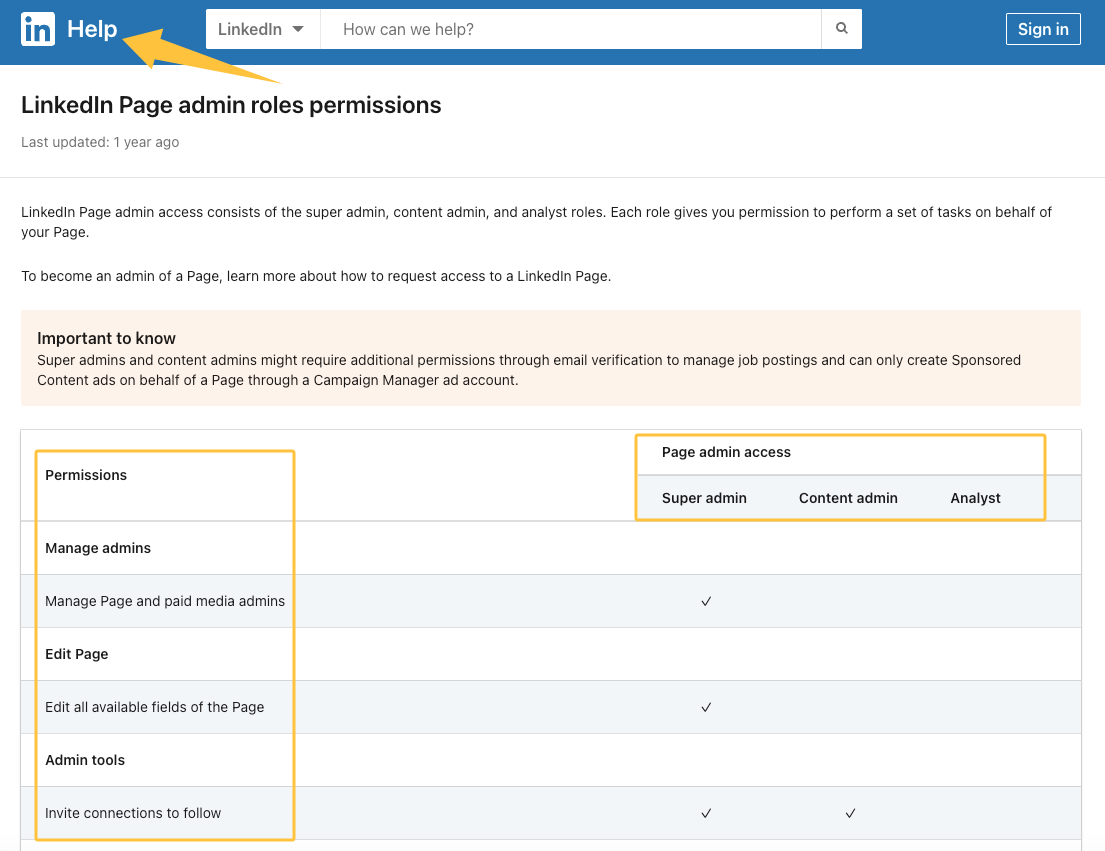
- LinkedIn provides super-admin, content-admin, and analyst roles with different capabilities, as shown in its Page admin permissions.
- TikTok Business Center allows businesses to share selected accounts and assets with partners and assign permissions. Its partner-access process was updated in March 2026.
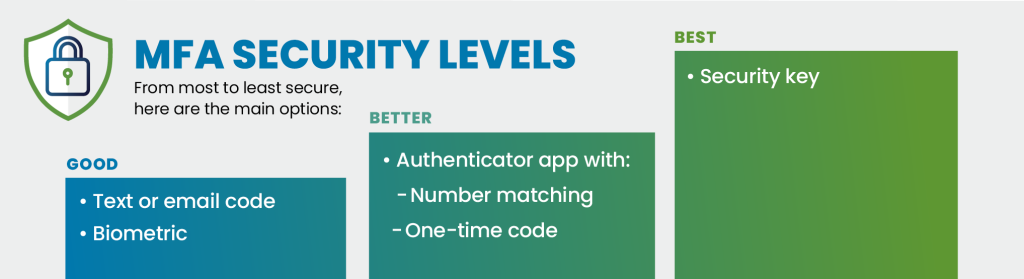
Use the minimum access required for the agreed work. CISA also recommends multifactor authentication for business accounts, including work and social media systems.
Build an approval flow that names:
- Who submits source information
- Who checks brand and factual accuracy
- Who approves sensitive or promotional claims
- Who schedules or publishes
- Who can pause content
- Who handles an exception
Reporting should distinguish delivery from business response. A monthly report can show what was published, whether commitments were met, how audiences responded, and what requires a decision next. It should not imply that reach or engagement caused sales without supporting evidence.
Identify Red Flags and Compare Package Value
A red flag is usually an undefined responsibility presented as a benefit.
Watch for:
- Guaranteed followers, reach, virality, leads, or sales
- Post counts without formats or channel definitions
- “Unlimited” revisions without a workflow
- No approval stage before publication
- Requests for the owner’s password
- Full administrative access without justification
- Community management with no response boundaries
- No process for complaints or sensitive messages
- Reporting limited to screenshots
- Unclear advertising or creator costs
- No cancellation handoff
- Ambiguous ownership of editable files
- The same content published everywhere without adaptation
Score each proposal against the same criteria:
| Criterion | Evidence to request |
|---|---|
Deliverables | Named formats, quantities, and channels |
Client workload | Source assets, review time, filming, approvals |
Community scope | Hours, response types, escalation owner |
Access | Requested roles and removal process |
Costs | Base fee, exclusions, pass-through expenses |
Quality control | Review and publication checklist |
Reporting | Delivery, response, interpretation, next decisions |
Exit | Asset return, scheduled posts, access removal |
The best content management package is the one whose responsibilities your team can support. More posts have little value when approvals arrive late, source material is missing, or nobody owns customer replies.
FAQ
What happens to scheduled posts after cancellation of the package?
The contract and exit plan should say whether approved posts remain scheduled, are transferred as drafts, or are removed. Before access ends, export the calendar and record each post’s status, asset, caption, approval, and scheduled time.
The business should decide which posts remain suitable after the provider is no longer monitoring responses.
Can seasonal businesses pause a monthly package without losing assets?
They can if the pause terms are agreed in advance. Define notice, storage duration, platform access, unfinished work, unused capacity, tool fees, and the process for restarting.
Do not assume a pause preserves the same team, price, publishing dates, or production availability. Record which approved assets the business receives before the pause begins.
Who responds during a reputational incident outside business hours?
Name the incident owner before publishing. A normal community manager may acknowledge and escalate a complaint but should not issue an unapproved legal, safety, refund, employment, or executive statement.
The package should specify coverage hours, alert thresholds, contact routes, response authority, and what happens when the designated client approver cannot be reached.
Can one package cover several franchise locations?
Yes, but the package needs a location model. Separate shared brand content from local offers, hours, events, reviews, community responses, approval owners, and account access.
Clarify whether volume is measured per brand, location, account, or published placement. Otherwise, “one monthly package” can become an undefined multiplication of local work.
Are raw video and design files transferable after cancellation?
That depends on the contract, licences, production arrangements, third-party assets, and applicable law. Identify which source files, project files, fonts, music, stock assets, templates, and exports will be delivered and what continuing use is permitted.
Do not infer ownership from payment alone. Put the terms in writing and ask a qualified legal professional to review material rights questions.
Conclusion
Compare social media management packages by the work performed, the responsibility retained by the owner, the additional costs, and the evidence delivered at cancellation. Monthly price matters, but it cannot be evaluated until content creation, publishing, community work, approvals, access, and exclusions use the same definitions.
Approve the package only when every account has a business owner, every post has an approval path, and every public exception has someone authorized to respond.