Marketing Strategy vs GTM Strategy: Key Differences
Marketing strategy vs GTM strategy differences affect audience, launch, channels, and ownership. Learn which plan your small business needs.

A leadership meeting ends with two assignments: “write the marketing strategy” and “finish the GTM plan.” The founder assumes they mean the same deck. Meanwhile, the product lead is deciding pricing and the sales handoff, while the marketer is planning demand for the year. This guide separates those decisions before one document inherits work no one agreed to own. The marketing strategy vs GTM strategy difference is scope and trigger: marketing guides how the business creates and retains demand over time, while GTM defines how a particular offer reaches a market through a workable sales and delivery motion. I’m Alex; use that boundary to decide which plan should lead and who must approve the next move.
Quick Comparison: Marketing Strategy vs GTM Strategy
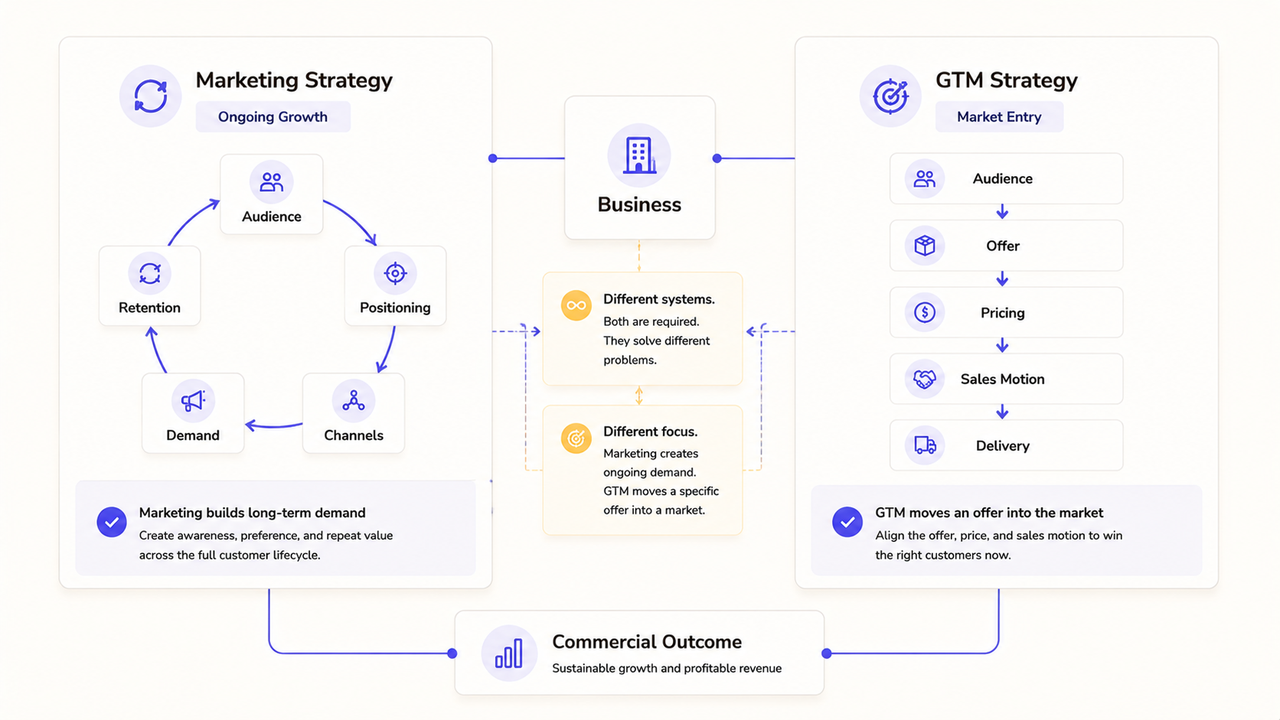
A marketing strategy gives the business direction for attracting, converting, and retaining customers. A go to market strategy starts when an offer, audience, channel, geography, or sales motion must enter a market.
GTM is therefore more than a product launch strategy. Launch communications may be one part, but the work also covers the offer, pricing, distribution, sales, onboarding, support, and the feedback needed to continue or change the motion.
| Decision | Marketing strategy | GTM strategy |
|---|---|---|
Primary question | How will the business build and sustain demand? | How will this offer reach and serve this market? |
Typical trigger | Annual planning, repositioning, demand problems, or changing business goals | A new offer, segment, region, channel, pricing model, or sales motion |
Scope | Brand, audience, positioning, channels, customer lifecycle, budget, and measurement | Offer, launch market, pricing, route to customer, sales handoff, delivery readiness, and adoption |
Main owners | Business lead and marketing owner, with sales and service input | Cross-functional owner with product, marketing, sales, operations, and support |
Useful evidence | Audience response, channel performance, qualified demand, retention, and cost | Readiness checks, buyer response, sales movement, delivery capacity, and launch exceptions |
The two strategies should connect. Marketing supplies the audience and positioning direction; the GTM plan tests them in a commercial move. The result may force the wider strategy to change.
What a Marketing Strategy Is Designed to Do
A small business marketing strategy starts with the business goal, the customers worth serving, and why they should choose the company. It then decides how marketing will create demand, support a sale, and maintain the relationship.
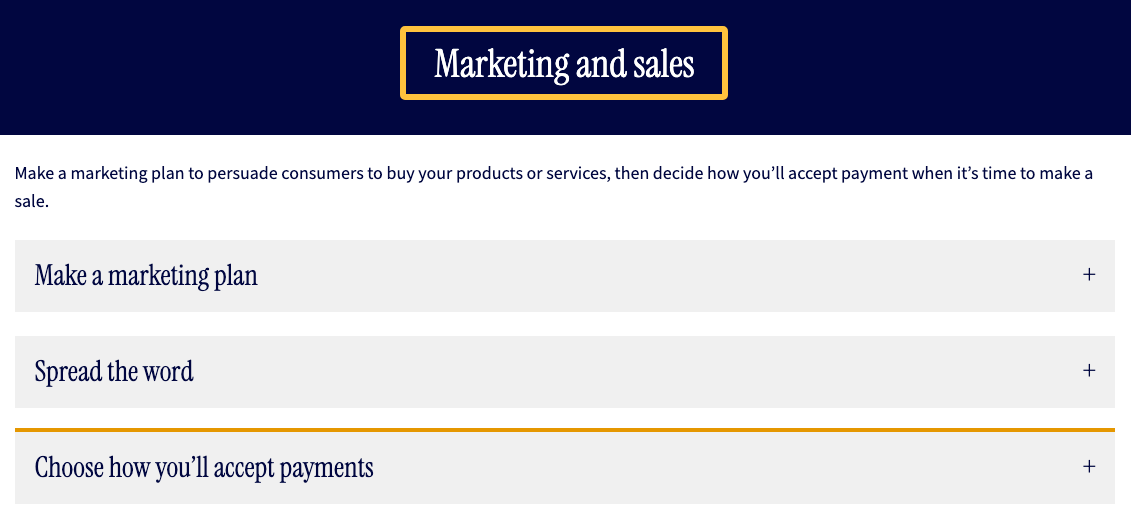
The U.S. Small Business Administration places the target market, competitive advantage, sales plan, goals, action plan, and budget among the central elements of a marketing plan.
A service company may decide to pursue multi-location operators rather than individual consumers. That choice affects positioning, proof, website content, referral partners, sales materials, and lead qualification. The strategy keeps each channel from inventing a different customer.
The strategy also needs a review rule. Who can change the target audience? What would justify reducing spend on a channel? Which signals show that the problem is weak execution rather than weak positioning? Without those decisions, the document is only a collection of preferred tactics.
What Changes When Building a GTM Strategy
A GTM strategy narrows the operating question. It takes one defined offer and asks how the business will move it into a particular market, sell it, deliver it, and learn from the result.
The Product Marketing Alliance describes a GTM strategy as a plan covering how an offer will be positioned, priced, promoted, and distributed. For a small business, the important addition is ownership: someone must reconcile what product, marketing, sales, and operations each believe is ready.
Suppose a consulting firm wants to introduce a fixed-price assessment for manufacturers. Its GTM decisions include the qualifying problem, buyer role, included analysis, price, sales conversation, delivery capacity, and the route into a larger engagement.
Before committing to the plan, check whether demand exists, how large and crowded the market is, where the buyers are, what prices they accept, and which barriers could slow entry. These questions form part of the SBA’s market research and competitive analysis guidance. The person leading GTM must then decide whether the evidence supports moving ahead, changing the offer, or pausing the work.
A launch date alone cannot close those questions. If the sales team cannot explain the offer, delivery has no capacity, or onboarding still depends on an improvised email, the GTM plan is not ready simply because the campaign assets are finished.
Compare Audience, Offer, Timing, and Channel Decisions
The same category can appear in both documents, but it serves a different decision.
Audience: A marketing strategy may define the company’s priority customer groups across several services. A GTM strategy selects the buyer and buying situation for one commercial move. If the audience remains “small businesses,” the GTM team cannot qualify demand or tailor the sales path.
Offer: Marketing defines the value the company wants to be known for. GTM converts that value into an offer someone can evaluate, buy, receive, and use. The scope, exclusions, pricing approach, approval path, and delivery owner need to agree.
Timing: Marketing usually works across an ongoing planning period, even though channels and budgets receive scheduled reviews. GTM timing follows dependencies: product readiness, claim approval, sales training, inventory or capacity, partner commitments, onboarding, and launch windows.
Channels: Marketing decides the roles of search, email, social, events, partners, advertising, and sales support. GTM selects the channels capable of reaching this market and completing this motion. A channel that generates interest but cannot pass context into sales may be useful for awareness and unsuitable for the immediate launch.
Claims need an owner before creative production begins. UK ASA/CAP guidance says marketers should hold documentary evidence for objective claims before publication. Other locations or regulated categories may apply different requirements.
Decide Which Strategy Your Business Needs First
Start with the decision that is currently blocked.
Choose the marketing strategy first when the business lacks a stable answer to whom it serves, how it differs, which demand sources matter, or how marketing supports the wider business goal. This is also the better starting point when several channels are active but each is pursuing a different customer or measure of success.
Start with GTM when the business has a specific commercial change to make. It may be launching an offer, moving into another segment or region, using a new route to market or partner channel, or turning custom work into a defined service package. The work should end in a usable operating motion, not only a campaign calendar.
Some businesses need both. The owner may set the priority audience and position in a short marketing strategy, then build a deeper GTM plan for the next offer. The documents can be short; the decisions cannot remain implied.
Use this test:
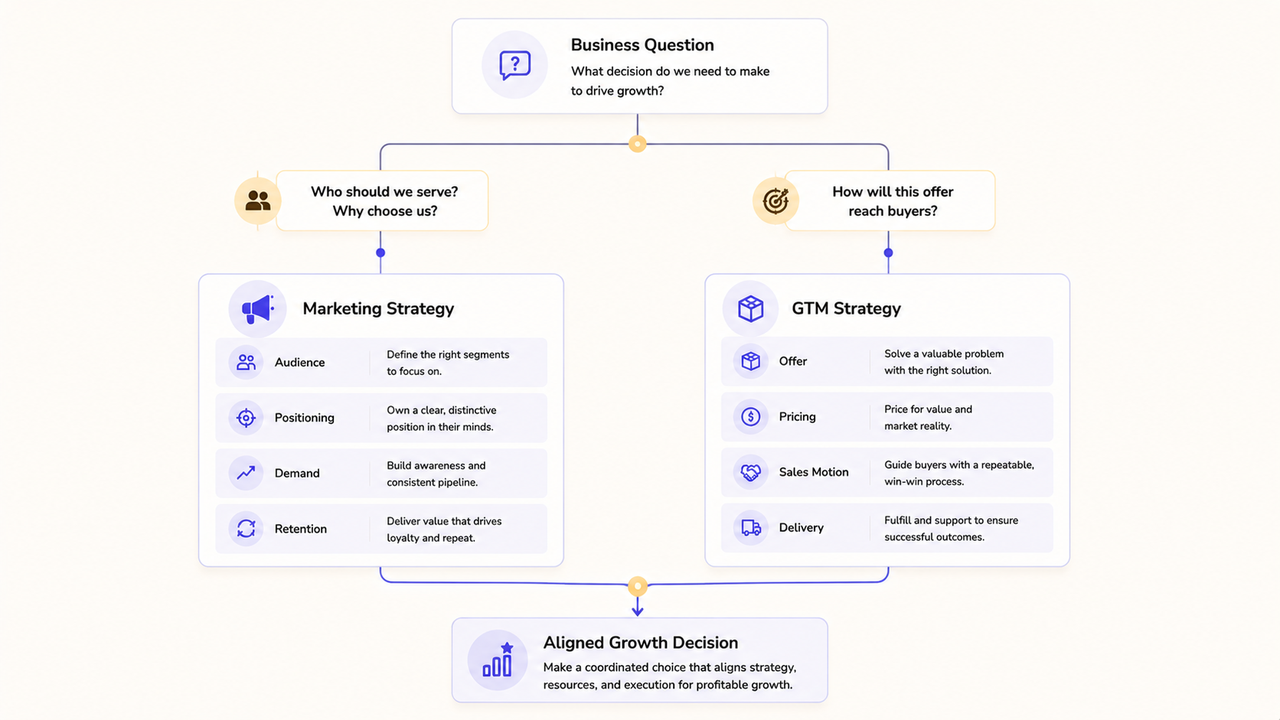
- If the blocked question is “Who should we build demand with, and why us?”, start with marketing strategy.
- If it is “How will this offer reach, convert, and serve this market?”, start with GTM.
- If neither question has a stable answer, define the business goal and customer problem before commissioning either plan.
Turn the Strategy Into an Owned Action Plan
A strategy becomes usable when each decision has an owner, an operating artifact, and a review condition. Do not send the final deck to the team and assume alignment happened during the presentation.
| Decision to operate | Named owner | Evidence to maintain | Failure response |
|---|---|---|---|
Priority audience and problem | Business or marketing lead | Approved segment definition and research record | Revisit when qualified demand repeatedly falls outside the segment |
Offer and claims | Product or service owner | Current offer sheet and claim support | Pause affected materials until the statement is corrected |
Channel role and budget | Marketing owner | Channel brief, budget limit, and review date | Reduce, replace, or retest the channel under an agreed rule |
Sales handoff | Sales owner | Qualification fields, response rule, and disposition record | Escalate missed or untraceable inquiries |
Delivery readiness | Operations owner | Capacity check, onboarding steps, and service boundary | Change timing or narrow the available offer |
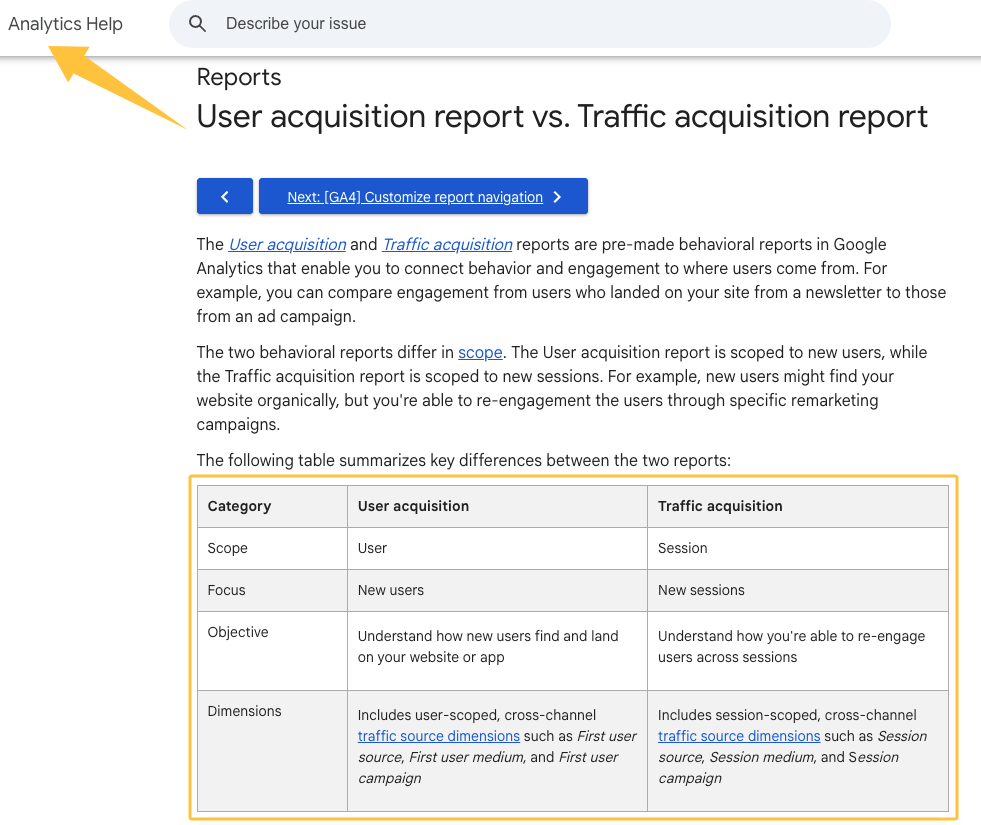
Measurement should follow the decision. Google Analytics separates user acquisition from traffic acquisition because they answer different questions about where new users and new sessions originate. The business must still connect those records to an outcome it can verify.
Set a review date and record what would trigger a change. If a launch misses its target, the owner should be able to tell whether the audience, offer, channel, handoff, capacity, or execution failed. Otherwise the team may replace the entire growth strategy when only one operating assumption was wrong.
FAQ
Does a service business need a GTM strategy?
Yes, when it is introducing a service, entering a market, packaging custom work, changing its pricing, or adopting a sales channel. An established local service may need an updated marketing strategy instead. The trigger is a new commercial motion, not whether the business sells software or physical products.
What changes when the business has only one product?
Having one product does not leave the business with only one way to sell it. The same offer might appeal to a new type of buyer, reach customers through a partner instead of direct sales, or need a different approach in another region. The company-wide marketing strategy can stay in place while a GTM plan deals with that particular change in audience, positioning, price, sales route, or delivery.
Can partners use different GTM plans for the same offer?
They can use different channel motions, but the offer facts and core positioning should remain controlled. Each partner plan should state the audience, geography, claims, pricing authority, lead handoff, customer-data rules, and support responsibility. If partners promise different outcomes or send buyers into incompatible onboarding paths, the company no longer has one coherent offer.
Should a failed launch lead to a new strategy or a new campaign?
Investigate the failed assumption first. If the audience, offer, price, route to market, or delivery model was wrong, revise the GTM strategy. If those choices remain supported but the creative, targeting, schedule, or landing page failed, a new campaign may be enough. Keep the evidence attached to the decision so disappointment does not become the diagnosis.
When should confidential launch information be shared with contractors?
Do not send a contractor the entire launch folder because they are working on one part of the project. Share only the confidential material the agreed assignment requires, using a named recipient and approved delivery method. Record the version sent and close access when the work ends. Questions about contracts, privacy, or intellectual property should go to an appropriately qualified professional rather than be settled by the project team.
Conclusion
The marketing strategy vs GTM strategy difference becomes useful when it changes who owns the next decision. Use marketing strategy to set the continuing direction for demand; use GTM when a particular offer needs a complete route into a defined market.
Once the strategy identifies an execution gap, compare SpringBrand services by scope and buyer job before requesting outside help.
Choose the document that resolves the blocked decision, assign its approval owner, and keep that choice open until the evidence supports the next move.