Brand Monitoring: Build a Signal-to-Action Workflow
Brand monitoring becomes useful when signals lead to review and action. Build a workflow for collection, triage, ownership, and measurable follow-up.
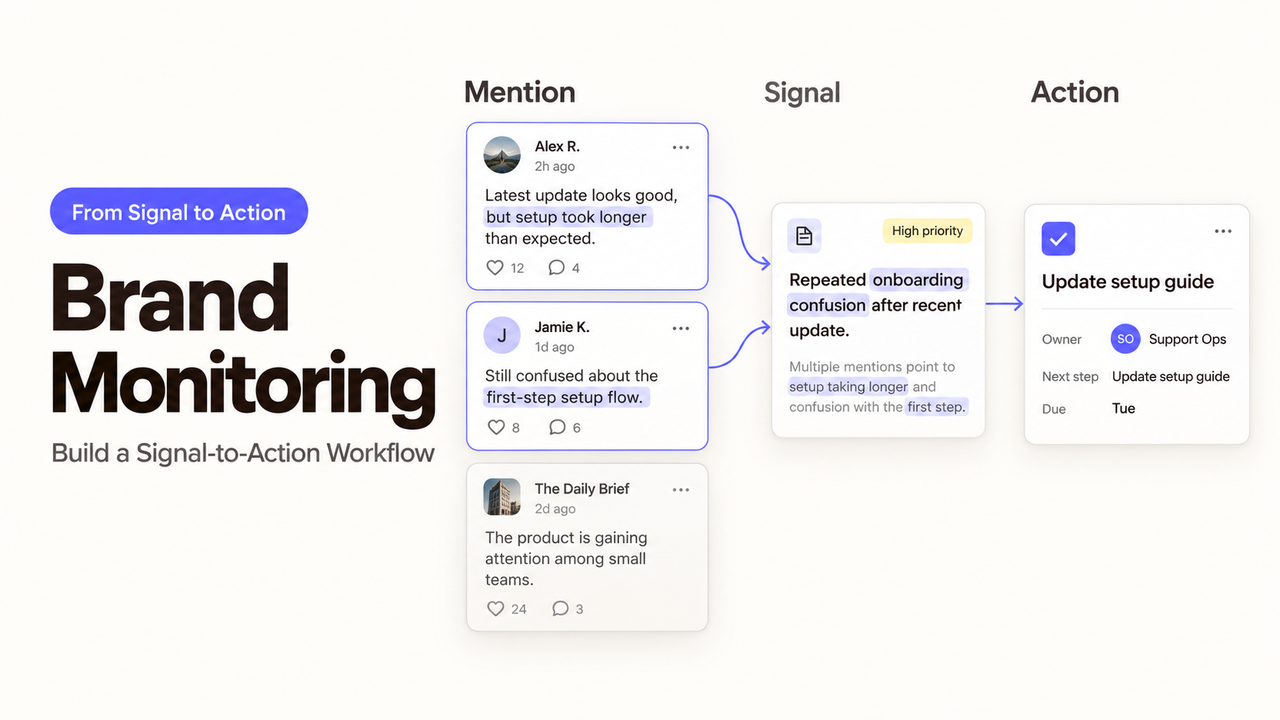
A spike in mentions is not yet a business event. It may be a customer problem, a news cycle, a joke, a copied press release, or twenty accounts repeating the same post.
Useful brand monitoring starts after collection. A team must remove duplicates, understand the signal, choose who should see it, and record what happened next.
This guide builds that route from public signals to reviewed action. It uses current platform and policy materials checked on September 20, 2026, but does not assume that SpringBrand connects to any social network or monitoring vendor.
What Should Brand Monitoring Help a Team Decide?
Brand monitoring should help a team decide whether a signal needs no action, a customer response, internal investigation, competitive review, or urgent escalation. Mention volume alone cannot make that choice.
Start with four working categories:
- Brand visibility: coverage, campaign discussion, creator activity, and share of voice.
- Customer issue: a product problem, service complaint, unanswered question, or repeated point of confusion.
- Risk signal: safety, fraud, impersonation, legal concern, coordinated abuse, or a fast-moving false claim.
- Competitor movement: a pricing change, launch, partnership, positioning shift, or customer comparison.
A single mention can belong to more than one category. A customer complaint about an outage may also become a broader risk signal when independent reports rise quickly.
Sentiment can help reviewers sort a large queue, but it is not an objective account of intent. Sarcasm, slang, mixed opinions, quoted text, and local usage can all change the meaning.
Define the Signals Worth Collecting
Collect only what can change a decision. A smaller query with clear destinations is more useful than a feed that nobody can finish reading.
Choose Sources, Brand Terms, and Competitor Terms
Begin with brand names, former names, domains, product names, executive names, campaign phrases, common misspellings, and approved competitor terms. Separate exact names from ambiguous words.
Choose sources by task. News and public social posts may surface reputation signals. Review sites and support channels reveal product friction. Competitor websites, release notes, job posts, and advertising libraries support monitoring competitor activity.
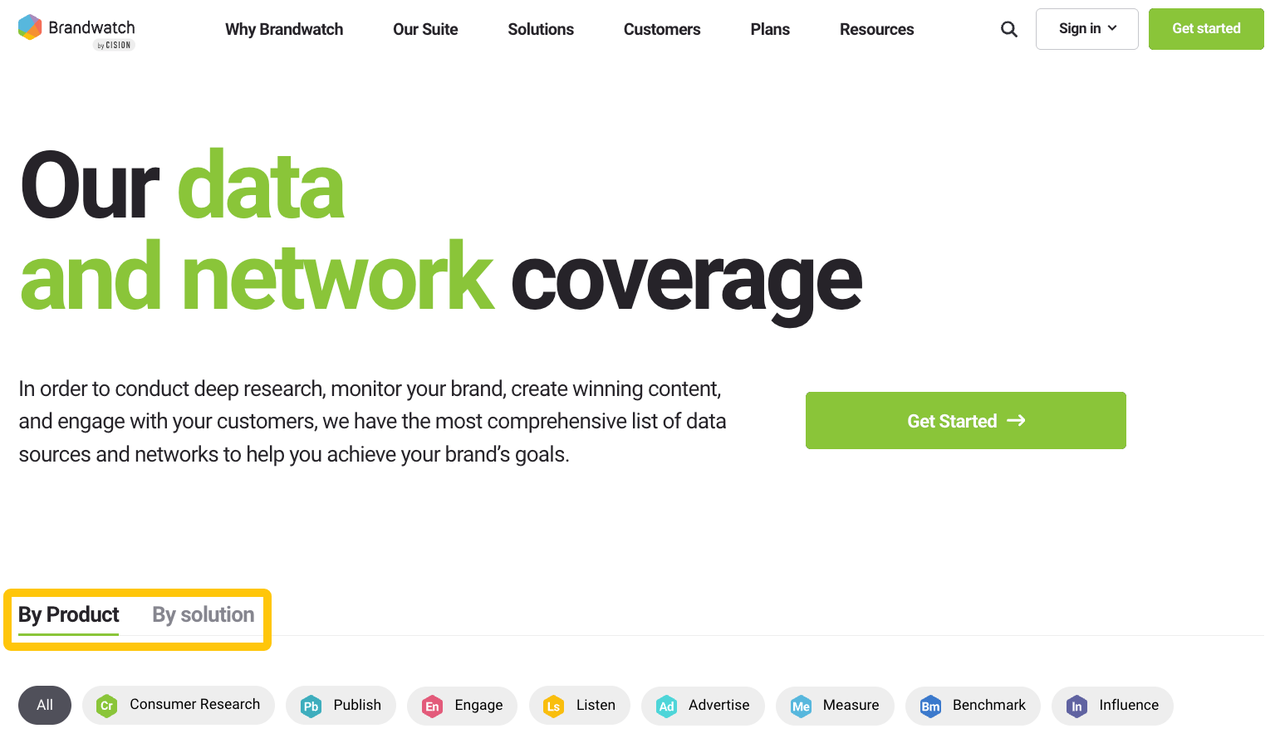
Coverage must be documented rather than assumed. Brandwatch’s current data coverage page lists networks by product and use. Talkwalker’s data coverage page documents social networks, review sites, websites, video content, and podcasts. Access can still vary by network, region, plan, and platform policy.
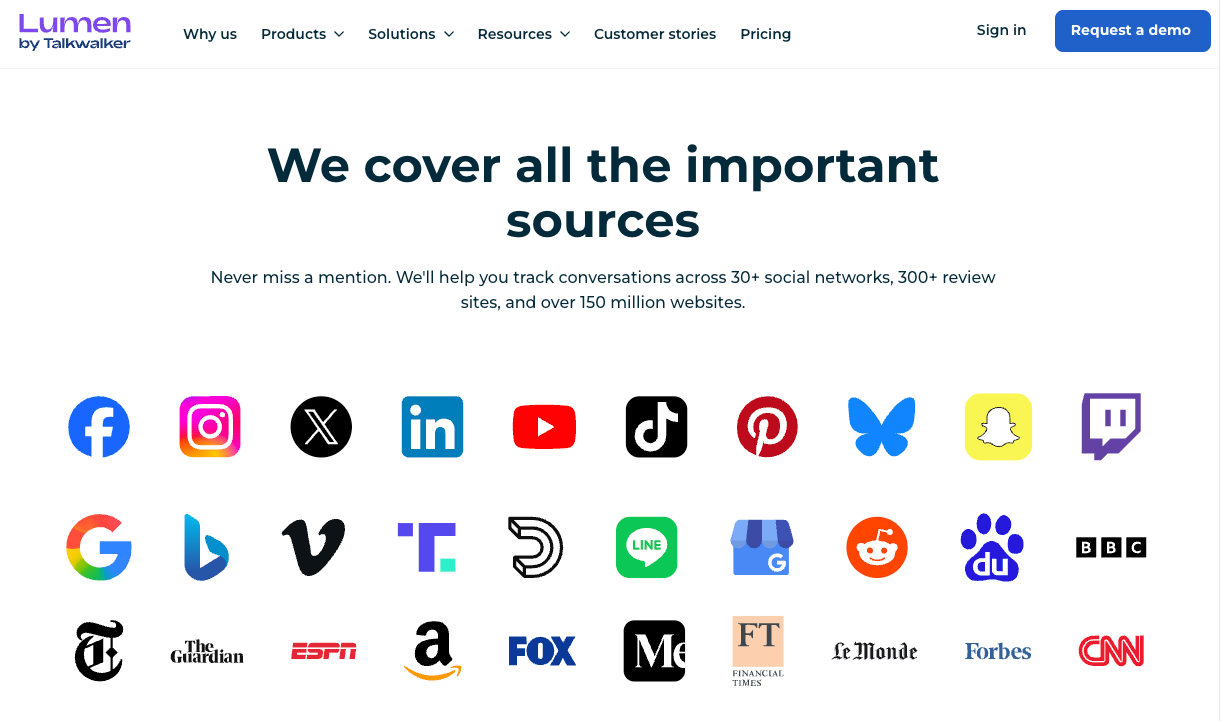
Create a source register with the source type, access method, query owner, expected delay, and known gaps. Update it when an API, platform rule, or subscription changes.
Exclude Noise Before It Reaches Reviewers
Write exclusions beside the collection terms. Remove careers pages from product-alert queries, coupon sites from pricing reviews, and the team’s own scheduled posts from earned-mention counts.
Use language, geography, source type, author, and minimum-engagement filters only when they serve the decision. A high follower threshold can hide a real customer problem before it spreads.
Keep an exclusion log. When a useful mention disappears, the team should be able to identify which rule removed it. Sample excluded results each week so that quiet failure does not look like a quiet market.
Build the Signal-to-Action Workflow
The workflow should turn one observed item into one reviewable case. Collection volume may be high, but the decision queue should be intentionally small.
Deduplicate and Classify Mentions
Group copies of the same URL, syndicated article, repost, or quoted message. Preserve the first observed item and record meaningful changes in reach or commentary rather than presenting every copy as a new event.
Classify the remaining item by signal type, product, geography, language, source, urgency, and confidence. Keep the original text or media link beside the classification.
Automated sentiment and topic labels should remain proposals. A reviewer must be able to correct them without changing the source. Track corrections to find weak terms, languages, and categories.
Route Risks and Opportunities to the Right Owner
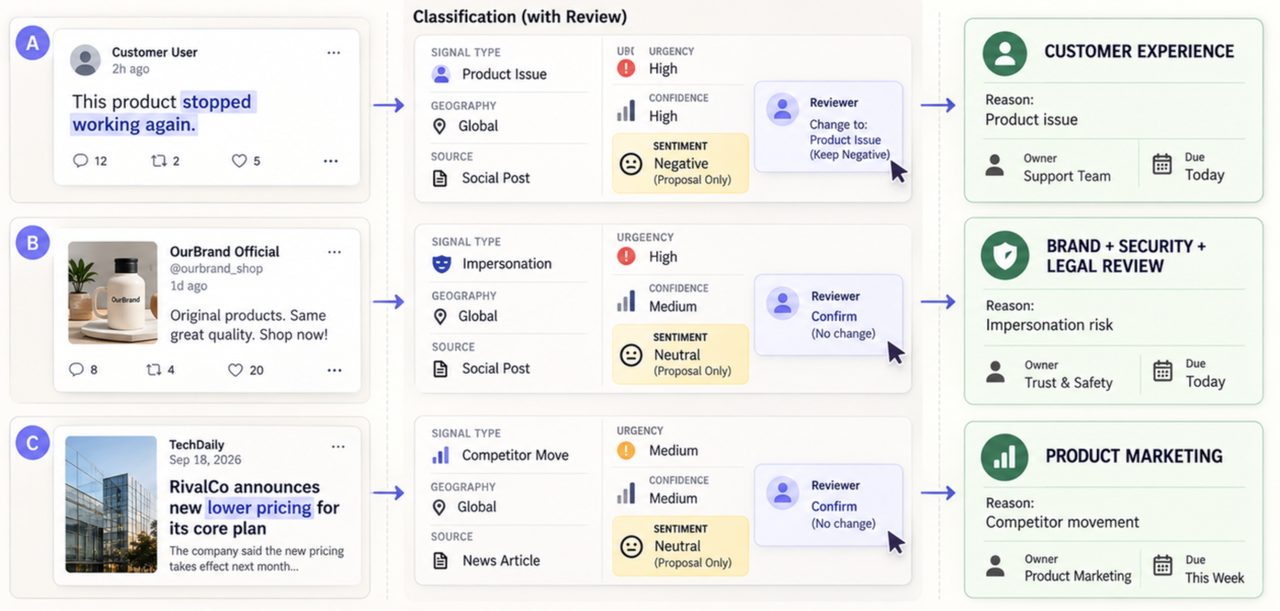
Routing should depend on the decision, not only the tone. A negative product review belongs to Customer Experience. A counterfeit account may need Brand, Security, and Legal review. A neutral competitor pricing change may matter to Product Marketing.
Set a primary recipient and a backup for each category. Add a time target only when the team can meet it. “Urgent” should have a written definition, such as credible safety risk, active impersonation, or rapid verified spread.
Do not let automation publish a reply, submit a takedown, or contact an individual from a sentiment score alone. External action should follow the team’s approval rules.
Record the Decision and Follow-Up
Every routed case needs a short record: signal, source, time observed, category, reviewer, decision, action, and result. “No action” is a valid decision when the reason is recorded.
Link the follow-up to the case. A customer response, corrected help article, internal investigation, sales note, or competitor brief should not live in an unrelated chat thread.
Close the case when the assigned work is complete, not when someone opens the alert. If another team takes responsibility, record the transfer and new destination.
Measure Coverage and Response Quality
Measure whether the workflow finds relevant signals and supports sound responses. Raw mention growth may reflect a larger campaign, broader source coverage, or spam.
Useful measures include:
- relevant mentions found in a reviewed sample;
- duplicate and false-positive rates;
- time from collection to first human review;
- cases routed to the correct team on the first attempt;
- decisions changed after additional context;
- completed follow-ups and reopened cases;
- sources or languages with repeated misses.
Review false negatives through known incidents. If the team learned about a problem from Support, Sales, or a customer before the monitoring queue, determine which source, term, or rule missed it.
For competitor alerts, measure whether the change affected a decision. Counting every website edit rewards noise instead of useful intelligence.
Where Does Brand Monitoring Break Down?
Brand monitoring breaks down when teams treat available data as complete data. Private posts, closed groups, encrypted messages, deleted content, images without recognizable logos, and sources excluded by platform policy may never enter the system.
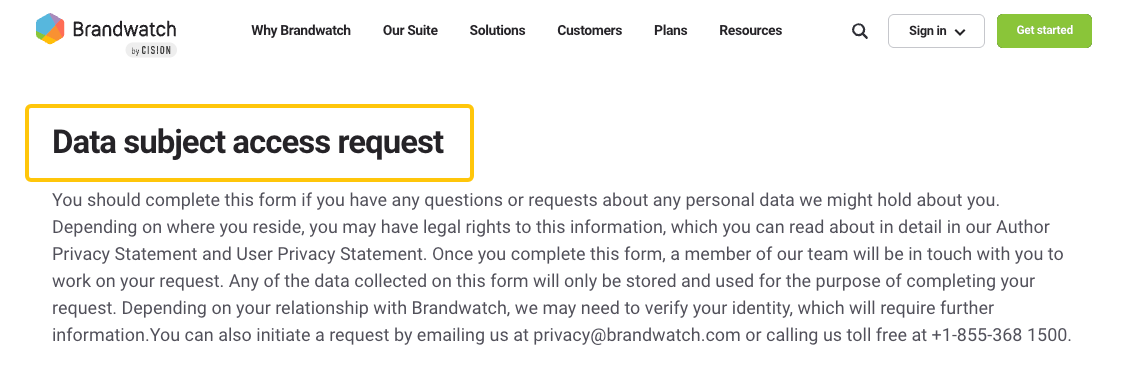
Brandwatch states that its product collects publicly available online content and cannot collect privately posted material. Its current data-request page also provides a route for online authors to ask about indexed data. Talkwalker’s current terms and acceptable-use rules should be checked before monitoring restricted spaces; do not use the service to bypass access controls or permissions.
Do not join a private community under false pretenses, reuse a member’s credentials, or bypass a technical restriction. Only monitor restricted spaces when the platform permits it, the account is authorized, and the organization has approved the purpose.
Deletion creates another limit. X’s published compliance-stream documentation instructs integrations to process relevant Post and User compliance events for stored data. A saved screenshot may preserve what a reviewer saw, but it does not create an unlimited right to retain or redistribute personal content.
Regional hosting also requires contract-level verification. Vendor privacy pages may describe general hosting and transfers without promising that a specific account can select a region. Check the current DPA, subprocessors, product tier, and written order. This is operational information, not legal advice.
Conclusion
Brand monitoring becomes operational when a signal reaches the right person with enough context to make a decision. Collection is only the first step.
Define the sources and exclusions, keep automated labels reviewable, and connect each decision to its follow-up. The goal is not to watch everything. It is to notice the signals that matter and handle them consistently.
FAQ
Can monitoring tools detect image-only logo mentions?
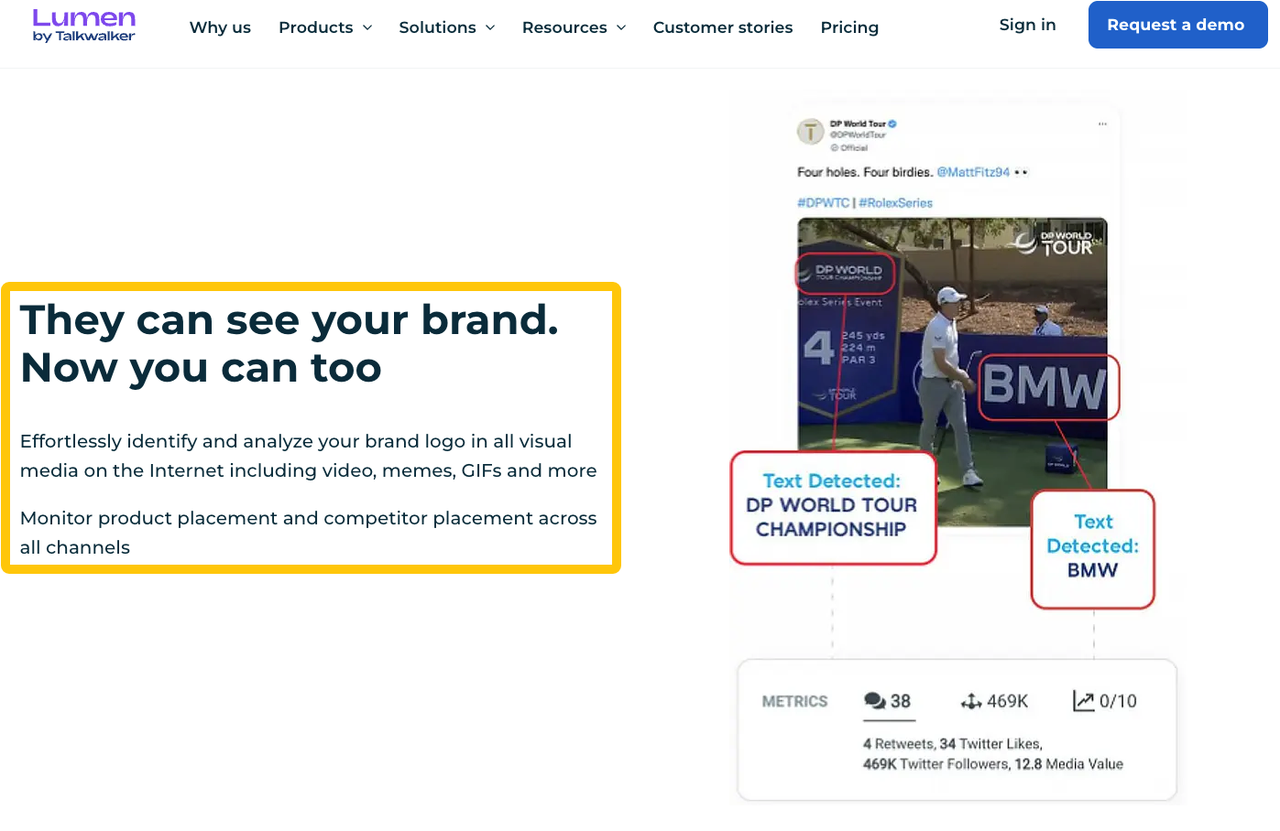
Yes, some products can. Talkwalker’s visual-listening page documents logo, scene, object, image, and video recognition. Brandwatch also documents image analysis. Coverage depends on the logo, source, media format, model, and plan, so test altered, partial, monochrome, and low-resolution examples.
What happens to saved evidence when a public post is deleted?
The original may become unavailable, and the monitoring provider may need to remove or restrict stored platform data. X’s compliance-stream guidance requires applications to process relevant deletion and account-status events. Define what the case record may retain, why, for how long, and who may view it.
Do brand-monitoring vendors offer regional data-residency options?
Some vendors describe regional hosting, but availability is product- and contract-specific. Public security language is not enough to assume customer-selectable residency. Request the data location, backup region, subprocessors, transfer mechanism, support access, and deletion schedule in writing.
Can monitoring include private groups or closed communities?
Not through ordinary public listening unless the platform and account authorization permit access. Brandwatch says privately posted material is outside its public collection. An authorized integration may expose content from an account the organization legitimately controls, but it should not be used to bypass group permissions.
Which records should be preserved for an audit trail?
Preserve the query version, source identifier, collection time, relevant excerpt or permitted media reference, classification, reviewer, decision, approval, action, and final status. Also record corrections and deletion notices. Retain only what the organization is allowed and needs to keep under its policy and applicable agreements.