What Does a Digital Marketing Agency Do for Small Businesses

Written by
Springbrand Editor Team
Editorial team
Springbrand Editor Team creates and maintains blog guides on AI tools, automation, marketing, and agent workflows.

Reviewed by
Springbrand Audit Team
Editorial review team
Springbrand Audit Team supports editorial quality through source checking, clarity, and consistency across the blog.
Updated
Published
What does a digital marketing agency do for small businesses? Compare strategy, channel execution, reporting, and common service boundaries before hiring.
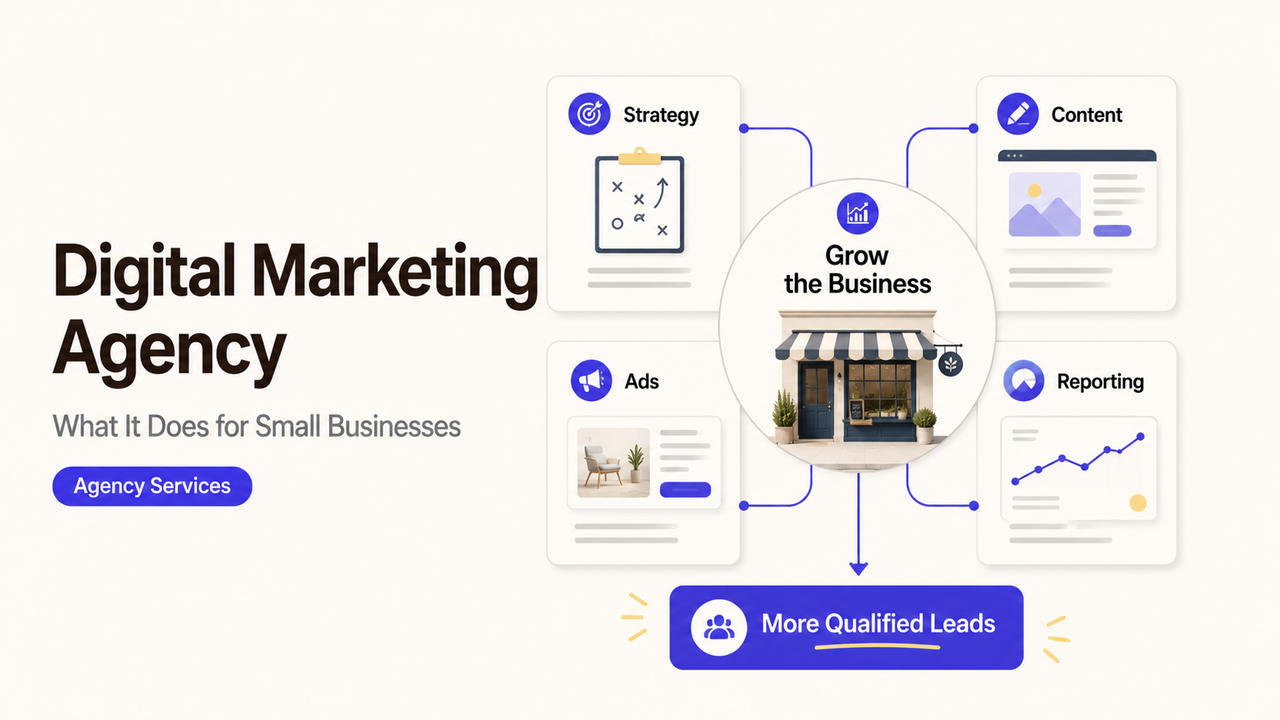
A bakery owner asks an agency for “more online sales,” and the agency comes back with an SEO plan, a paid search campaign, an email program, or changes to the website. The work still cannot be scoped until the owner names the customer, the action that counts as a conversion, the available budget, and who can approve the plan. If you are wondering, “What does a digital marketing agency do for small businesses?” this guide looks at the work in practical terms: what the agency plans, what it carries out, how it measures progress, and which decisions remain with the client. I’m Alex. Below, I’ll keep each service tied to an outcome, a deliverable, and the person who must approve it.
Quick Answer: Strategy, Execution, and Measurement
Most small businesses hire an agency because they need help reaching a particular group of customers or deciding where to put their marketing budget. What the agency does next varies. One team might plan and run the campaign from start to finish; another may handle only the ads, SEO work, email, content, design, or reporting.
The work usually falls into three layers:
- Strategy: define the audience, offer, objective, channel role, budget boundary, and measurement plan.
- Execution: create assets, configure campaigns, publish content, run tests, and coordinate channel work included in the scope.
- Measurement: verify tracking, report results, explain changes, and recommend the next decision.
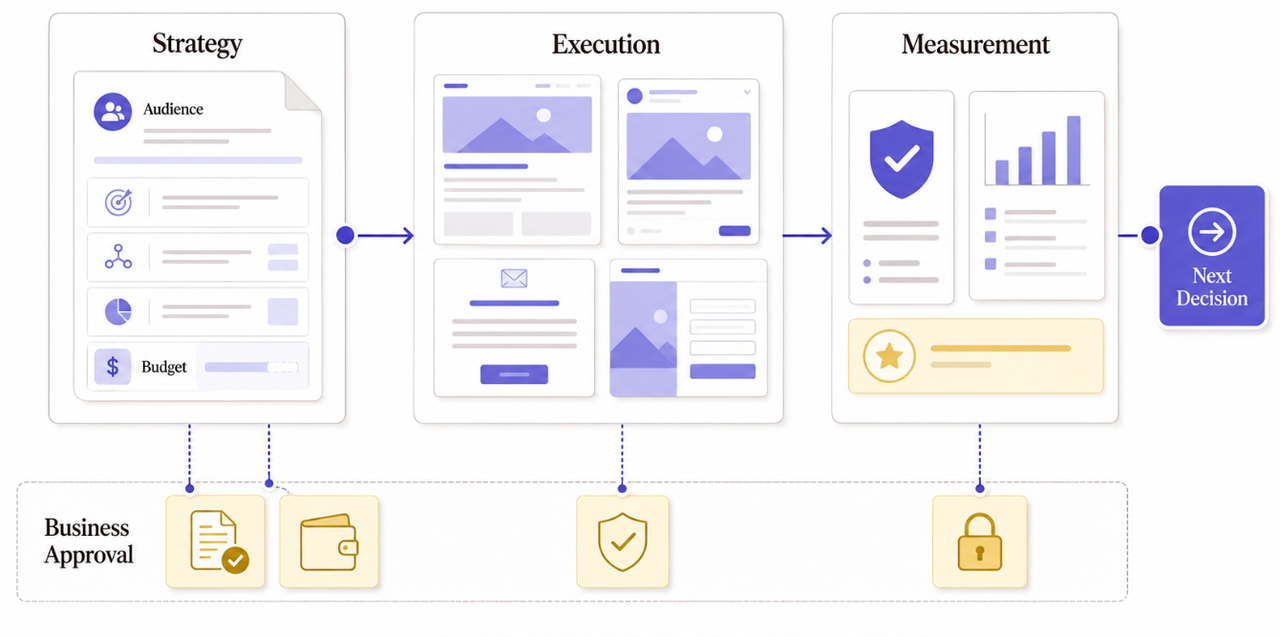
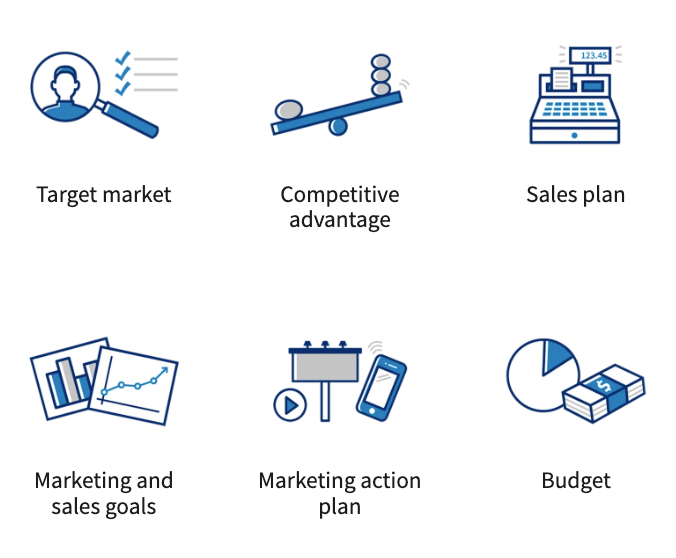
The client still supplies the business facts, approves claims and spending, grants appropriate access, and follows up when marketing produces an inquiry. Before choosing a small business marketing agency, decide which of the three layers the business actually needs. The U.S. Small Business Administration’s marketing plan guidance similarly connects target market, competitive advantage, sales process, goals, actions, budget, and measurement. Hiring an agency does not remove those operating decisions; it gives them a structured execution owner.
Common Digital Marketing Agency Services
Put two proposals for digital marketing agency services side by side and you may find that they are not offering the same job at all. Both may say “SEO.” One price covers the research, setup, content work, monthly management, and reporting; the other covers only one piece of that work.
Service area | What an agency may do | Inspectable output |
Marketing strategy | Research the audience, offer, channels, and campaign priorities | Strategy brief, channel plan, budget assumptions |
SEO and content | Audit search issues, plan topics, and improve or produce pages | Audit, briefs, revised pages, publishing plan |
Paid media | Build campaigns, prepare creative, manage budgets, and test pages | Campaign structure, ads, change log, report |
Email and CRM | Segment contacts, write sequences, and improve lead handoffs | Emails, workflow map, test record, routing rules |
Social media | Plan themes, create posts, manage calendars, or run paid social | Calendar, creative files, approvals, report |
Website and conversion | Improve landing pages, forms, calls to action, and user paths | Revisions, test plan, form checks, findings |
Analytics and reporting | Define events, review attribution, build dashboards, and interpret results | Measurement plan, dashboard, report, next actions |
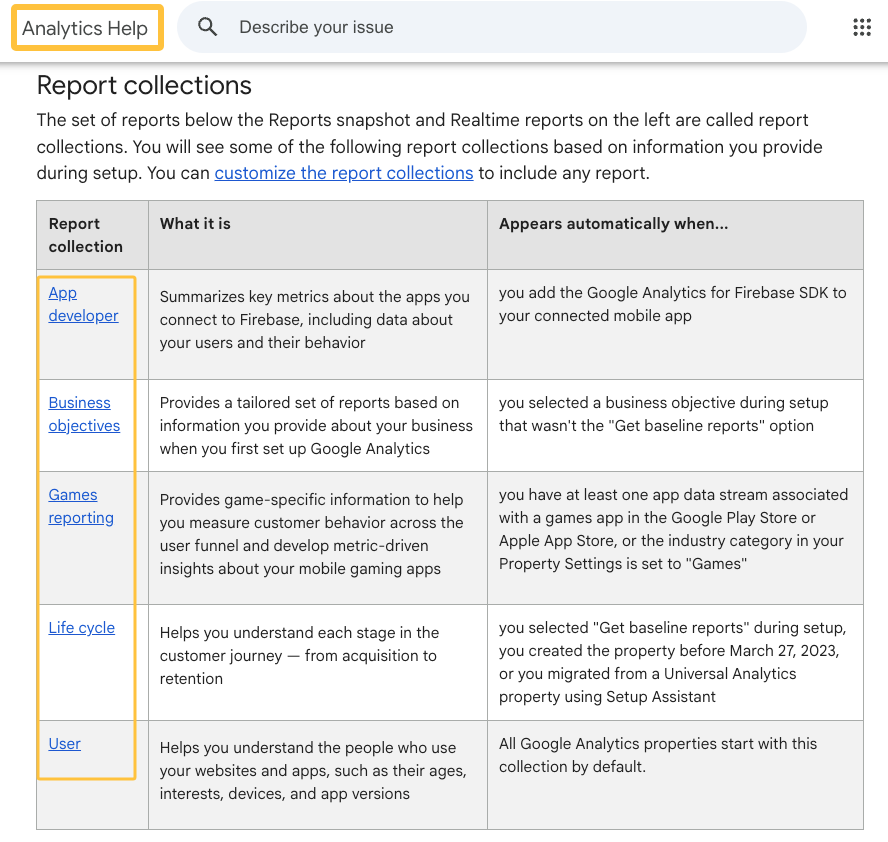
Even reporting needs a definition of done. Google explains that Analytics reports can show traffic, user activity, and configured business data, but the parties must agree which events matter and whether setup is reliable. A dashboard should inform a decision.
An agency may coordinate all seven areas, or only one. Ask who performs each task and what gets delivered, including any specialist or subcontractor role.
What an Agency Needs From the Client
An agency cannot infer every constraint from a website. The client should provide the priority outcome, target customer, offer, market, budget, available data, brand assets, known objections, and launch date. Label uncertain facts as assumptions.
The agency also needs an approval path. Name who approves strategy, creative, claims, budget changes, and publication, with a fallback owner for delays.
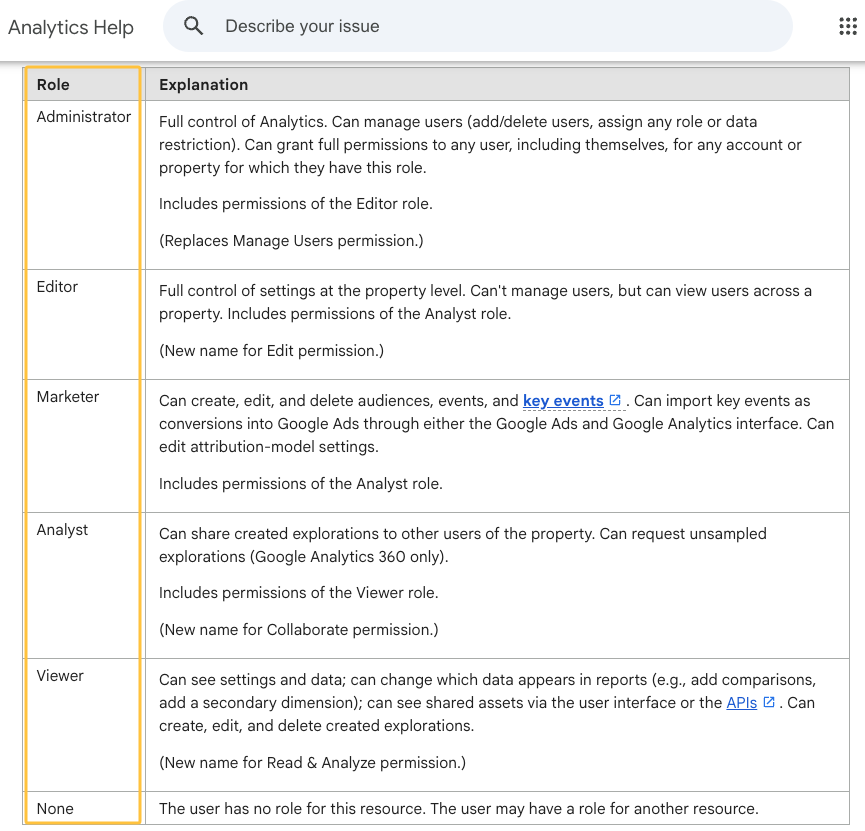
Access should follow the work. Google Ads says the client account retains its data and can unlink the manager, while Google Analytics provides separate roles and data restrictions. Keep business-controlled administration, grant only required access, and document its removal.
The client must also explain what happens after a lead arrives. Without response and sales outcomes, the agency sees only part of the journey.
What Agencies Do Not Automatically Own
Outsourced marketing services do not automatically transfer every adjacent business responsibility. Unless the agreement says otherwise, do not assume the agency owns:
- product quality, pricing, inventory, or capacity;
- sales calls, qualification, or customer support;
- final approval of budgets, claims, offers, and brand decisions;
- legal review, industry compliance, or permission to use every supplied asset;
- ownership of accounts, domains, source files, or CRM data;
- work outside the named channels, markets, deliverables, or revision limits;
- a guaranteed volume of traffic, leads, sales, or revenue.
This boundary matters when campaigns make factual or regulated claims. In the United States, the FTC says advertising claims must be truthful, non-deceptive, and supported by evidence, with additional rules for some products or audiences. The business identifies the applicable reviewer; the agency follows the approved process. This is not legal advice.
Agency responsibilities need an exception path. If tracking fails, an account is restricted, or an asset is late, the agreement should say what pauses and who decides next.
Match Services to a Business Goal
Start with the outcome, then select the smallest service scope that can reasonably test or support it. The table below is a scoping aid, not a promise that one channel will produce the result.
Business goal | Possible service scope | Client dependency | Evidence to review |
Become easier to find in relevant searches | SEO, content planning, page improvements | Accurate services, markets, access, expertise | Fixed issues, published pages, search trends |
Generate qualified inquiries | Paid search, landing pages, forms, call tracking | Lead definition, budget, response owner | Tested paths, source data, qualified inquiries |
Improve purchase completion | Analytics, product-page work, email recovery, testing | Product data, inventory, margins, site access | Implemented changes, test and purchase data |
Retain customers | CRM cleanup, segmentation, lifecycle email | Lawful contact data, offer rules, suppression process | Segment logic, journeys, response data |
Launch a new offer | Positioning, campaign plan, creative and media execution | Final offer, claim evidence, capacity, approval date | Approved assets, launch and campaign records |
When the outcome is vague, begin with strategy. A clear audience paired with slow production points to an execution gap. If activity cannot connect to inquiries or sales, fix measurement before expanding.
Questions to Ask Before Hiring
Use the first agency conversation to expose scope, not to collect optimistic predictions. Ask:
- Which business outcome will this engagement support, and which result is outside your control?
- What research, channels, deliverables, revision rounds, and meetings are included?
- Who will perform the work, and will freelancers or subcontractors be involved?
- Which accounts, data, files, and client approvals do you need?
- Who owns the accounts, source files, campaign history, and final deliverables?
- Which metrics appear in reports, and what decision should each metric inform?
- How are delays, rejected work, tracking failures, and scope changes handled?
- What is returned or removed when the engagement ends?
Put the answers in the proposal or statement of work. A sales call is not a substitute for deliverables, exclusions, owners, and review dates.

Bring the outcome, constraints, and approval owner; then compare relevant packaged services through SpringBrand before opening a broader agency search.
FAQ
Can an agency work with existing freelancers?
Yes, if roles and handoffs are explicit. Decide whether the agency directs freelancers, coordinates with them, or receives their work. Name who owns the brief, calendar, approvals, files, and final quality check.
What if the business has no historical marketing data?
Begin with a baseline and verify tracking before making performance claims. Document current traffic, inquiries, sales process, customer questions, and channel activity, then mark the unknowns. Early reports should separate setup findings from outcome trends.
Should the first engagement be a pilot or an ongoing contract?
Use a pilot when scope is bounded, dependencies are ready, and both sides agree on a useful delivery or learning outcome. Ongoing work fits continuous production, optimization, or reporting. Either agreement needs review points, exit terms, and a handoff.
Can an agency support a business with strict industry compliance requirements?
Possibly, but channel skill does not prove compliance competence. Ask for relevant process experience, identify the business’s internal compliance or legal reviewer, restrict access to sensitive data, and require approval before publication. The contract should state who interprets the rules; the agency should not be assumed to provide legal conclusions.
What if an agency knows the marketing channel but not the client’s industry?
That can work when the client can supply subject knowledge and the agency has a disciplined research and approval process. Start with a bounded assignment and inspect the brief, questions, claims, and draft accuracy. If industry context drives safety, trust, or buyer qualification, add a subject-matter reviewer before expanding the scope.
Conclusion
When the question is what does a digital marketing agency do for small businesses, the useful answer is not “everything marketing.” An agency should own the work written into its scope; the business should keep a named approver for the outcome, budget, claims, access, and final evaluation.
Recommended Reads
Explore SpringBrand
Turn ideas into working workflows
Connect agents, APIs and tools in one workspace. Start with a task you want to get done.
Get started free
One account. 10,000+ APIs & capabilities
Give your agent APIs and plugins without separate keys or integrations for every provider.
Explore APIs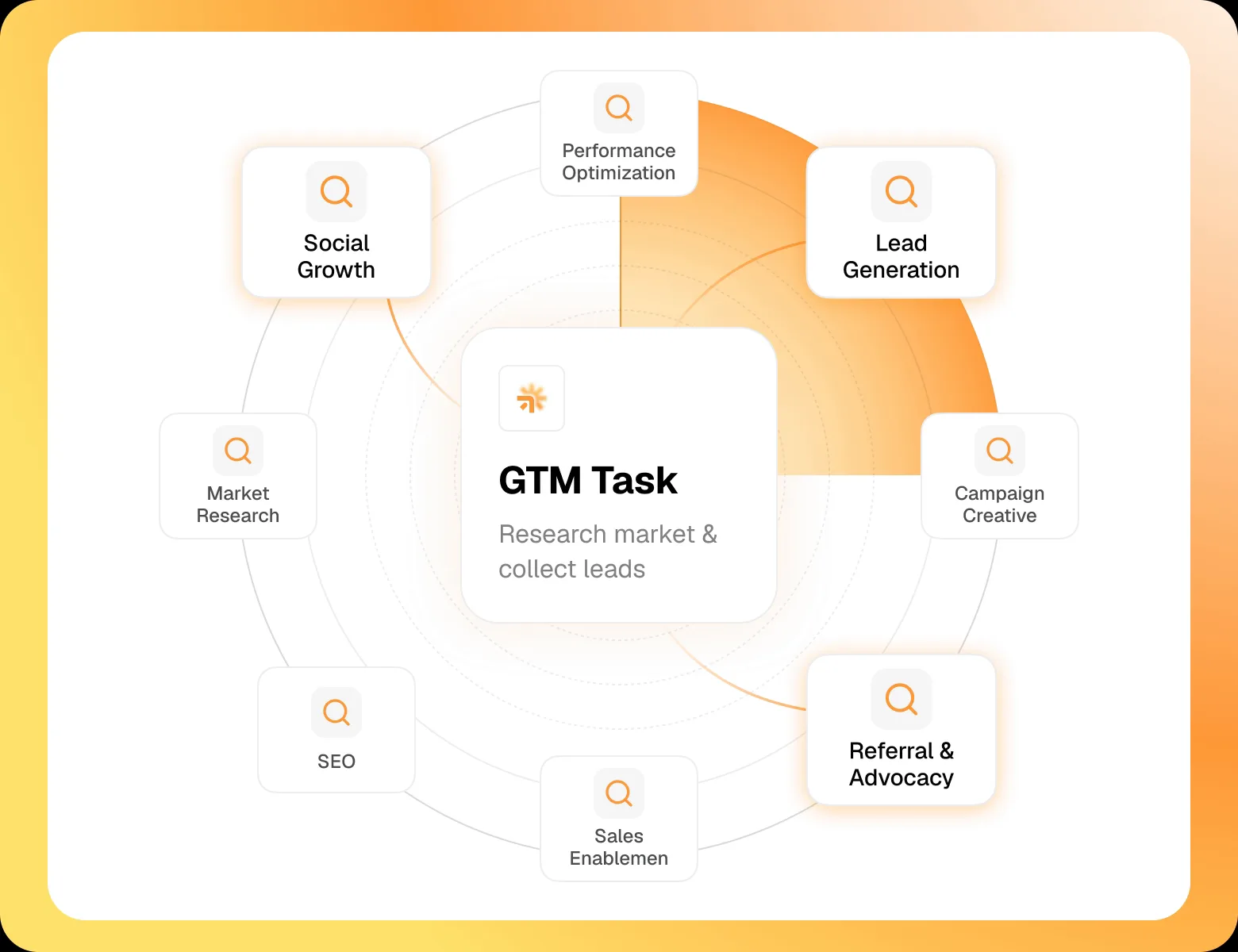
No tool expertise needed
Describe your GTM task. SpringBrand chooses the right APIs and plugins for your agent automatically.
Find tools for your task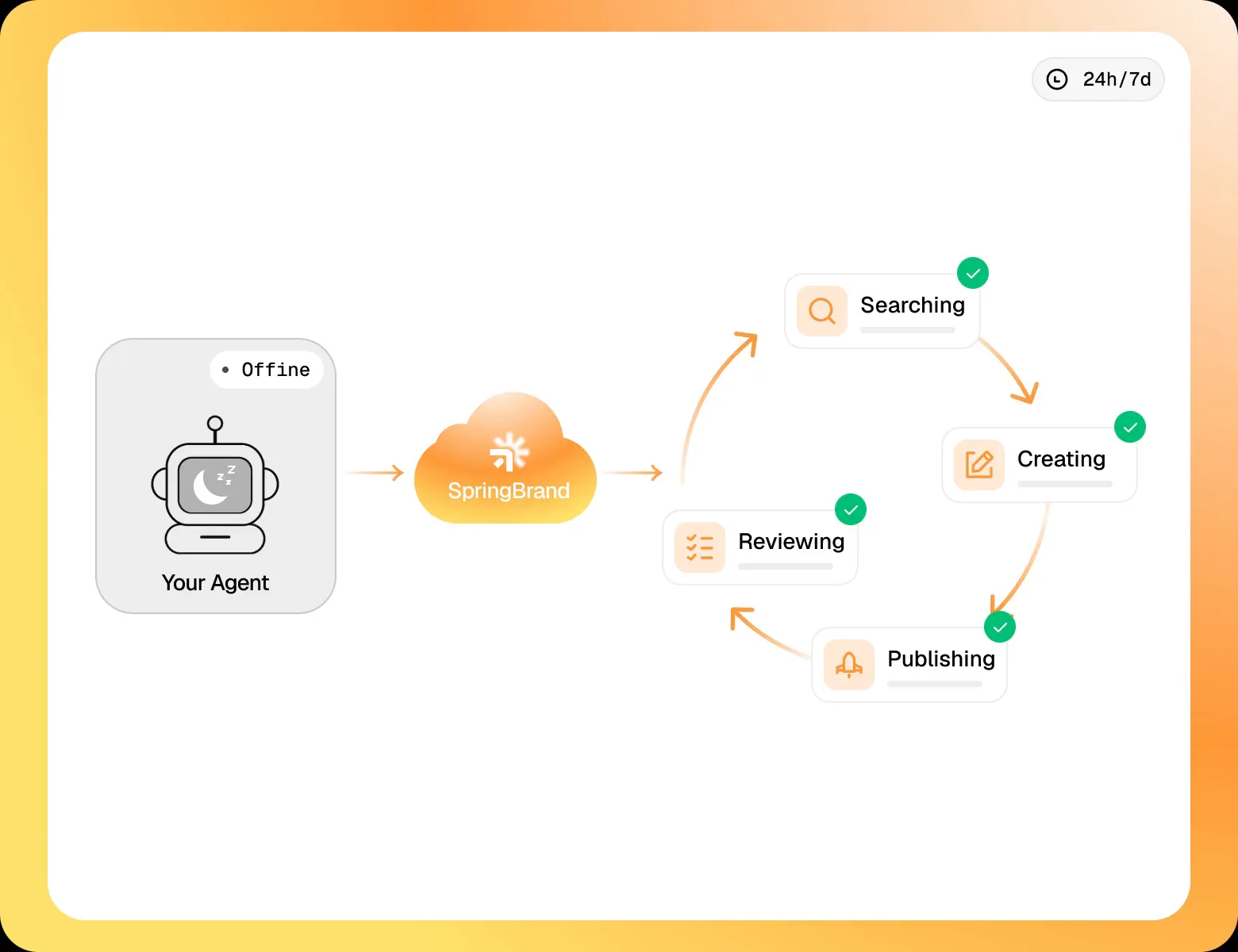
Run tasks 24/7
Connect your agent to SpringBrand to keep tasks running automatically, day and night.
Connect your agent