OpenSEO Review for Small Teams: Test One SEO Brief

Written by
Springbrand Editor Team
Editorial team
Springbrand Editor Team creates and maintains blog guides on AI tools, automation, marketing, and agent workflows.

Reviewed by
Springbrand Audit Team
Editorial review team
Springbrand Audit Team supports editorial quality through source checking, clarity, and consistency across the blog.
Updated
Published
OpenSEO review for small teams testing one keyword-research brief, including data inputs, handoff quality, and limits that need expert review.
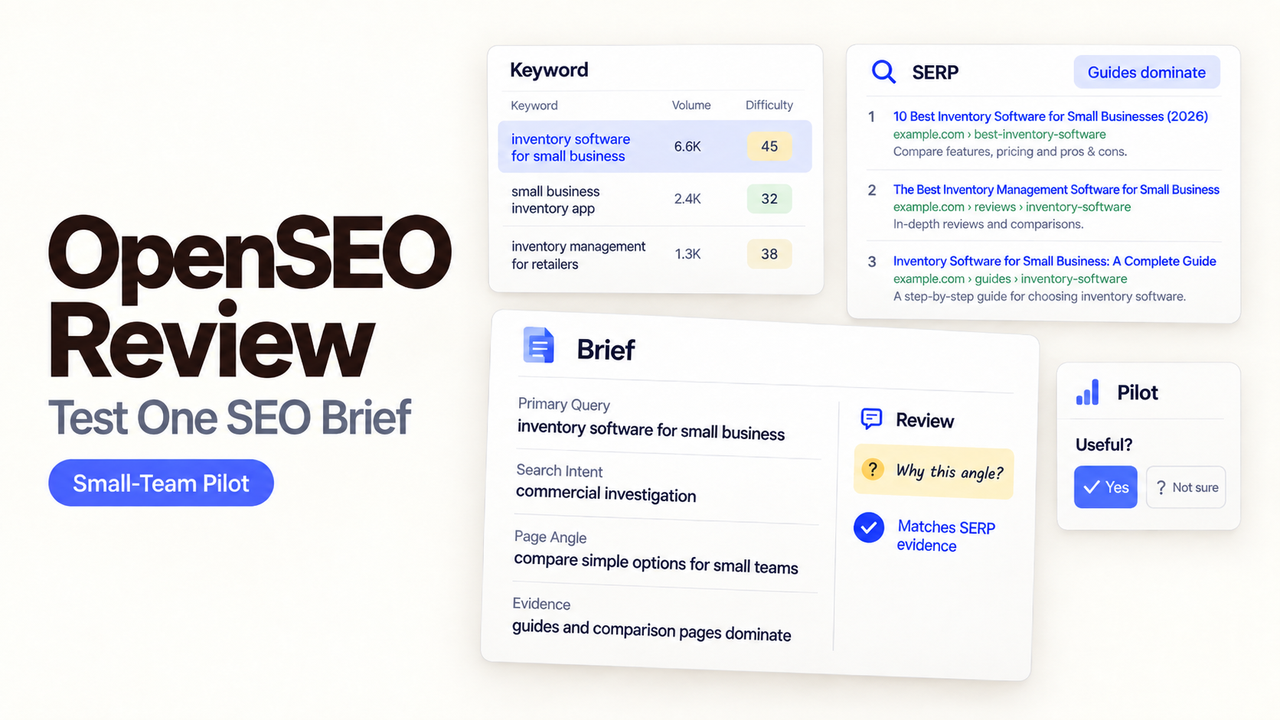
A keyword list can show demand and competition without telling a writer what page to create. Should the next page be a service page, a guide, or nothing at all? That is the decision this OpenSEO review tests.
The review covers one keyword-research brief for a small-business service page. It draws on OpenSEO’s public documentation and repository commit 3632f40, checked on September 9, 2026.
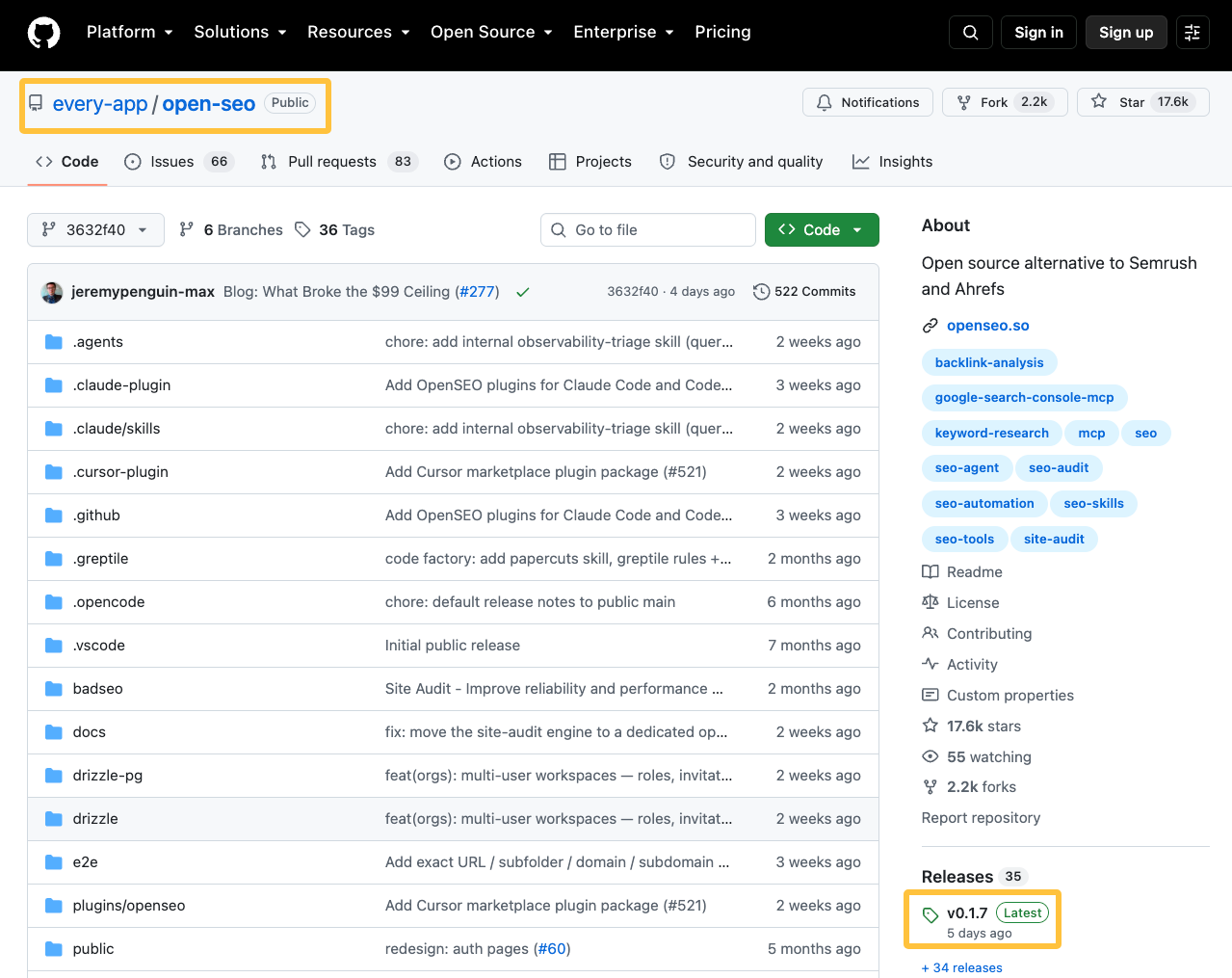
Quick Verdict: Pilot One Keyword-Research Brief
OpenSEO is a reasonable candidate for a limited trial if your team wants keyword metrics and live search results in the same research flow. Its current materials cover keyword discovery, SERP inspection, saved keywords, and access for AI agents through MCP.
Those features can help an agent recommend a target. They cannot establish that your business has the right offer or evidence for the page. A person still needs to approve the direction.
Test the tool on one real service page. Pass the brief only if it answers three questions:
- Which search query should this page serve first?
- What current evidence supports that choice?
- Can another person review the reasoning without rerunning the research?
A longer keyword list is not a better brief.
What OpenSEO Currently Provides for the Test
OpenSEO offers a hosted product and a self-hosted route. Its keyword research page describes keyword ideas, search volume, difficulty, CPC, intent signals, live SERP inspection, and saved-keyword tagging. The site says its metrics are backed by DataForSEO.
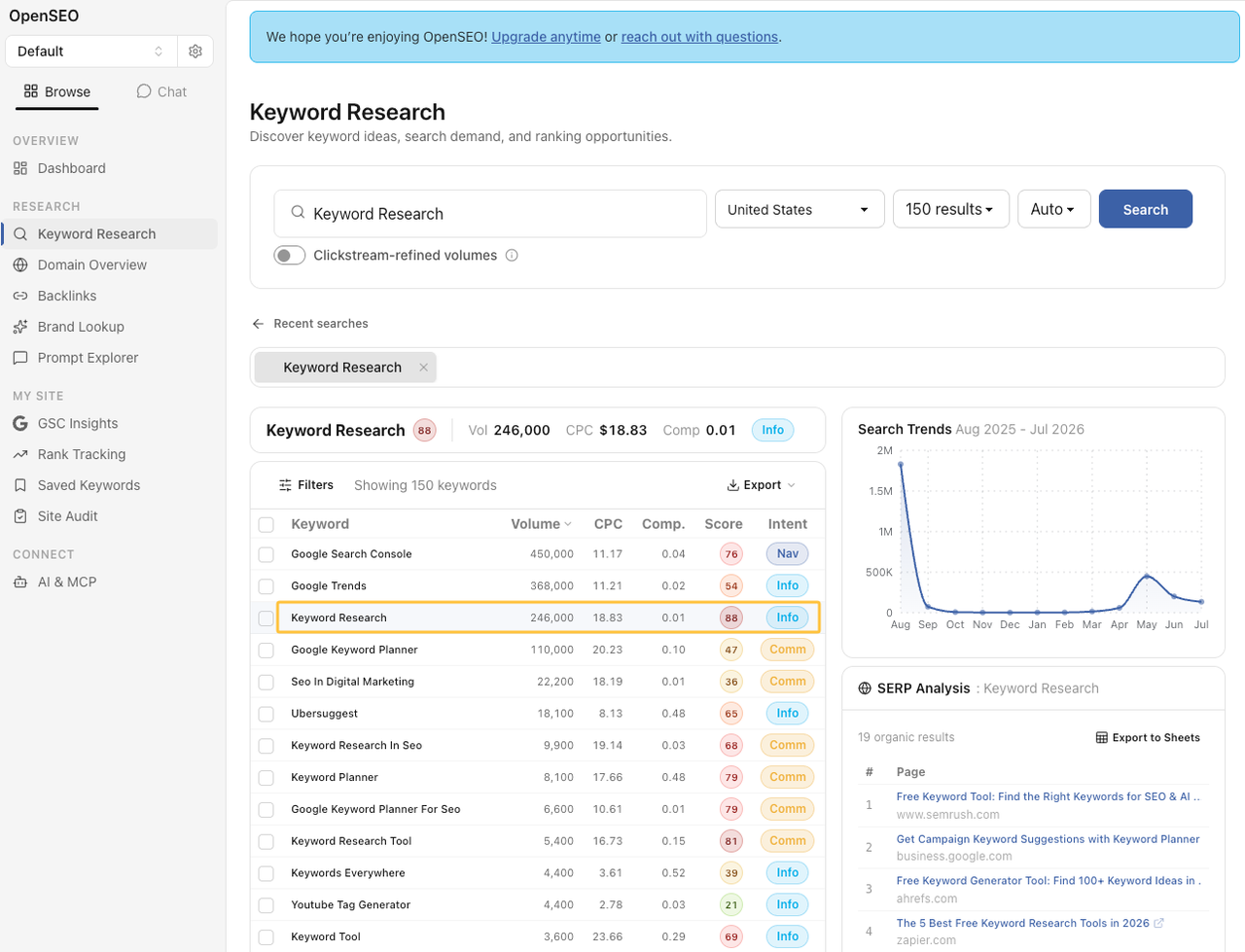
The documented Keyword Research Agent Skill begins with one to five seed topics. Users can also supply the product, audience, page type, country, and language. The expected result includes a shortlist, a wider opportunity table, SERP caveats, and a next action.
That is useful structure, but it is still a recommendation. Your team must decide whether the proposed page matches the offer and whether its claims can be supported.
Evaluate the Brief on Three Practical Questions
Are the Data Inputs Clear and Current?
The brief should record the seeds, market, language, page type, date, and data source. It should separate current SERP observations from stored metrics. Volume without a market or date is incomplete evidence.
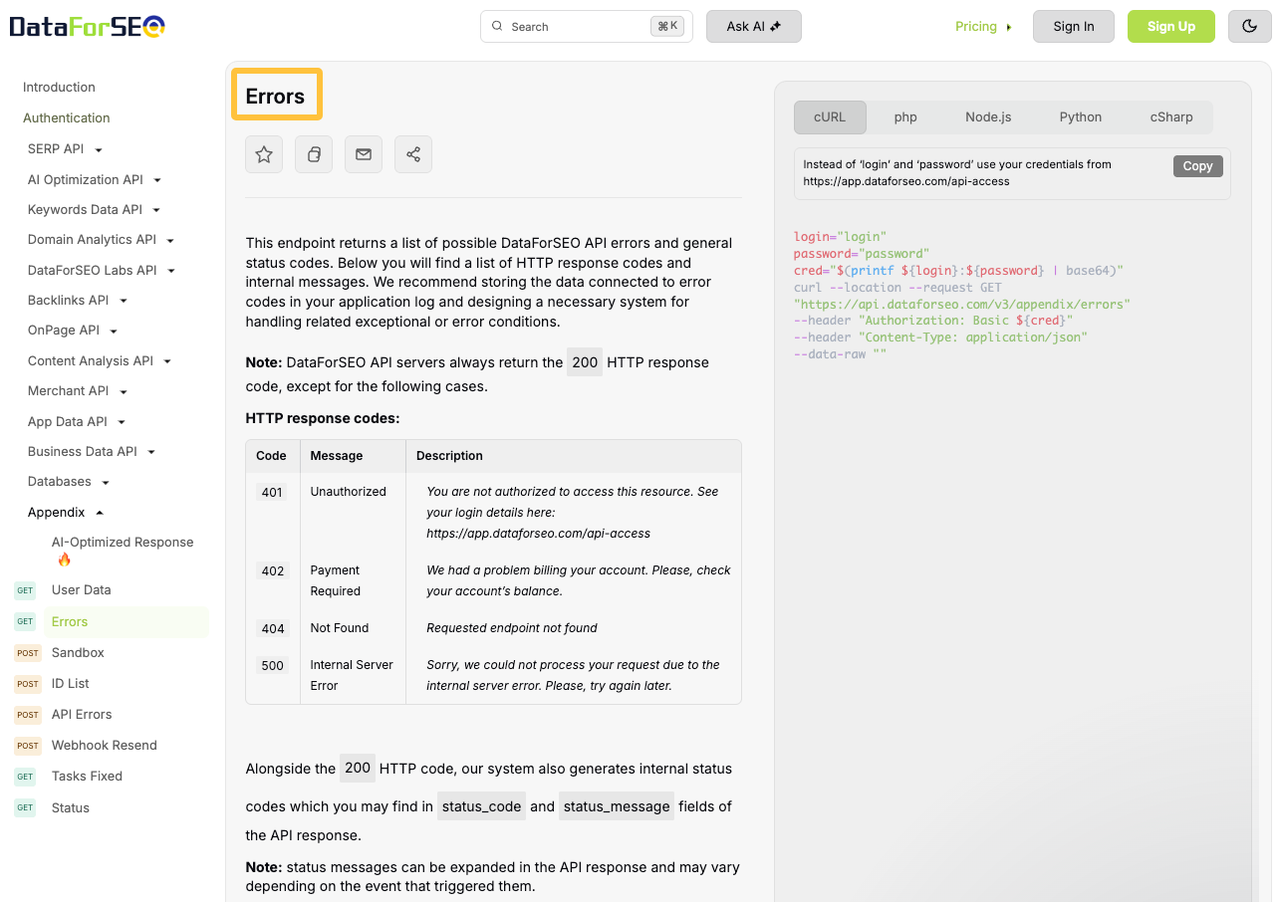
Do not turn a failed request into “zero demand.” DataForSEO publishes API error guidance, and OpenSEO reports MCP results by seed. Keep the error with the affected seed and investigate it before drawing a conclusion.
Does the Output Support a Real Page Decision?
A service-page brief needs one primary query, a clear visitor need, and a reason the business should answer it. It should also name the topics that belong elsewhere.
Check the ranking pages before accepting the target. If the results favor tutorials while you plan a service page, choose another target or explain the mismatch. “Use all related keywords” is not a decision.
Can Another Person Review the Evidence?
A colleague should be able to trace the recommendation back to its seed, market, SERP examples, and selection logic. OpenSEO’s MCP documentation lists keyword, SERP, saved-keyword, project-context, and research-log tools. That access helps, but a saved keyword alone is not an audit trail.
Attach the shortlist, the most relevant SERP observations, rejected alternatives, and unresolved questions. The recommendation should make sense without access to a hidden prompt.
Know What This Test Cannot Prove
One brief cannot prove that OpenSEO replaces a full audit platform, predicts rankings, or improves conversions. Keyword metrics are estimates. Read them alongside the current results, the existing site, and what the business can genuinely offer.
The trial reveals little about long-term administration. Review access, backups, updates, logs, and client-data handling before broadening use.
Decide Whether to Keep the Tool or Add SEO Support
Keep the decision in-house when someone can interpret mixed intent, check business claims, and spot overlap with existing pages. Give that person clear ownership of the final recommendation.
Specialist review is useful when pages compete for one query or the SERP has no stable pattern. It also matters for regulated claims, migrations, and technical faults. Share the evidence trail, not a request for a bigger keyword list.
Where SpringBrand Fits in the Research Workflow
SpringBrand does not provide OpenSEO data or approve an SEO target. It sits at the capability-selection layer: an existing agent can use SpringBrand to find and assemble plugins for a wider workflow.
OpenSEO is not currently documented on SpringBrand’s public site as a supported integration. To connect research to another agent task, explore SpringBrand’s current plugin options and verify the connection first. Let research produce a draft brief, but require human approval before creating or publishing a page.
FAQ
Can OpenSEO import an existing keyword list without API calls?
The current save_keywords tool accepts up to 100 supplied keywords and says it does not call DataForSEO. I found no documented CSV import screen. Test the supported route before planning a large migration.
What happens when a DataForSEO request fails during research?
OpenSEO’s current MCP code handles each seed separately. A failed seed can return an error while successful seeds retain their results. Record the failed seed, market, and message. Resolve the cause before retrying, and never record the failure as zero search demand.
Can teams export saved projects before leaving the hosted version?
OpenSEO’s saved-keyword export code supports CSV and Google Sheets export. I found no documented whole-project export. Export the required tables and ask what happens to project context before closing the account.
Does self-hosted OpenSEO support separate workspaces for client projects?
The Cloudflare self-hosting guide describes one shared workspace. Everyone admitted through Cloudflare Access can see the same projects. The guide does not document isolated client workspaces, so confirm the required separation before a multi-client deployment.
Which logs show what an AI agent requested from OpenSEO?
OpenSEO documents a project research log and tool-call instrumentation, but not a full transcript of every agent request and response. Check what the MCP client or agent host retains before relying on it as an audit trail.
Conclusion

OpenSEO has enough documented support for a focused keyword-research brief. The useful output is a defensible page decision, not a large table.
Keep a person responsible for interpreting the SERP, checking business fit, and approving the target. If the team needs outside review, preserve the shortlist, source trail, rejected options, and open questions. That evidence gives the next reviewer something concrete to assess.
Recommended Reads
Explore SpringBrand
Turn ideas into working workflows
Connect agents, APIs and tools in one workspace. Start with a task you want to get done.
Get started free
One account. 10,000+ APIs & capabilities
Give your agent APIs and plugins without separate keys or integrations for every provider.
Explore APIs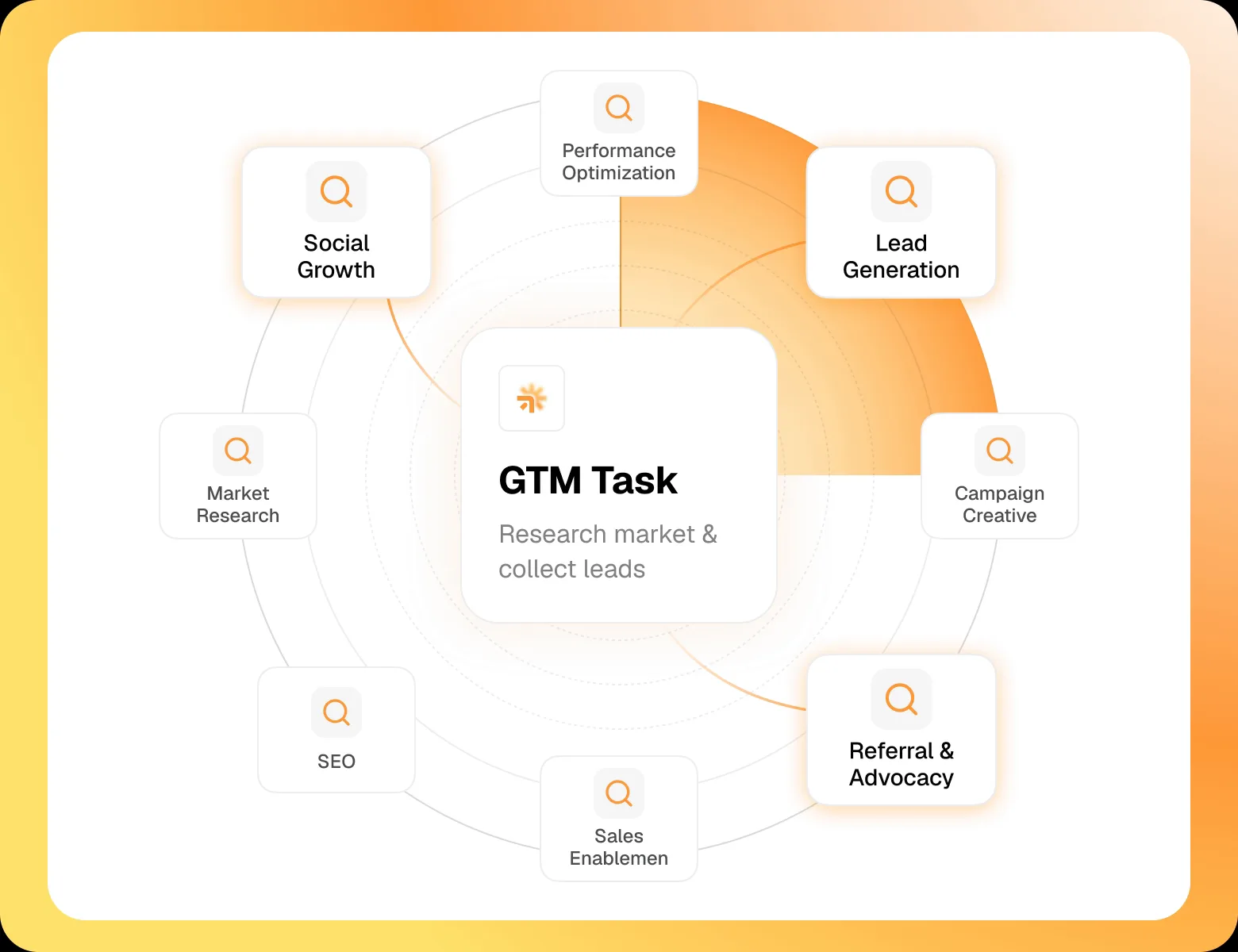
No tool expertise needed
Describe your GTM task. SpringBrand chooses the right APIs and plugins for your agent automatically.
Find tools for your task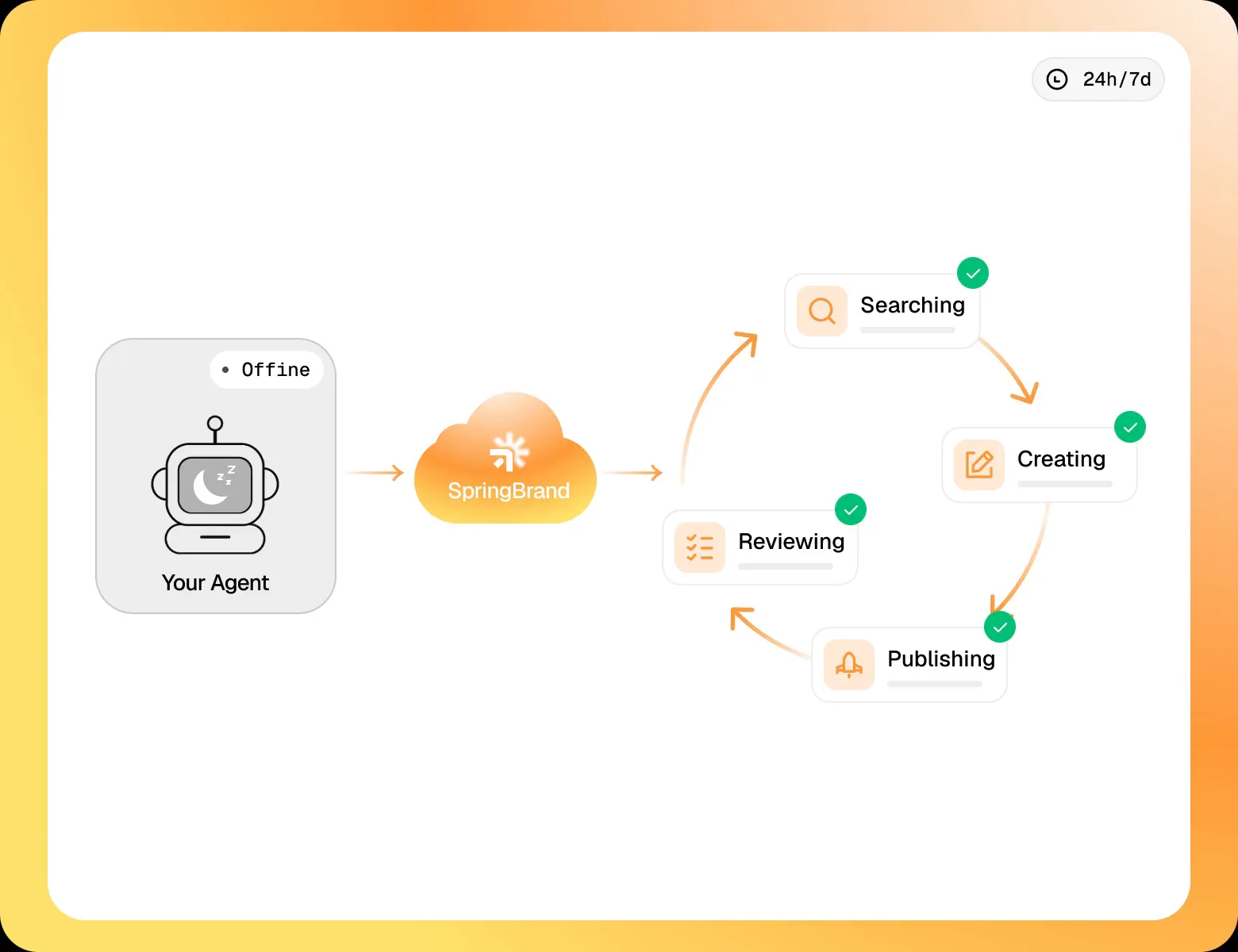
Run tasks 24/7
Connect your agent to SpringBrand to keep tasks running automatically, day and night.
Connect your agent