OpenSEO AI Agent Access for Keyword Research
OpenSEO AI agent access for one supervised keyword-research task, with a clear data budget, evidence checks, and human approval.
An agent can research the wrong market just as confidently as the right one. The tables may look complete, yet the team has already spent credits on a question nobody meant to ask.
I’m Alex, and I’d give an OpenSEO AI agent one narrow assignment: find viable searches for a single planned page. Set the market, spending limit, and stopping point before the first data request.
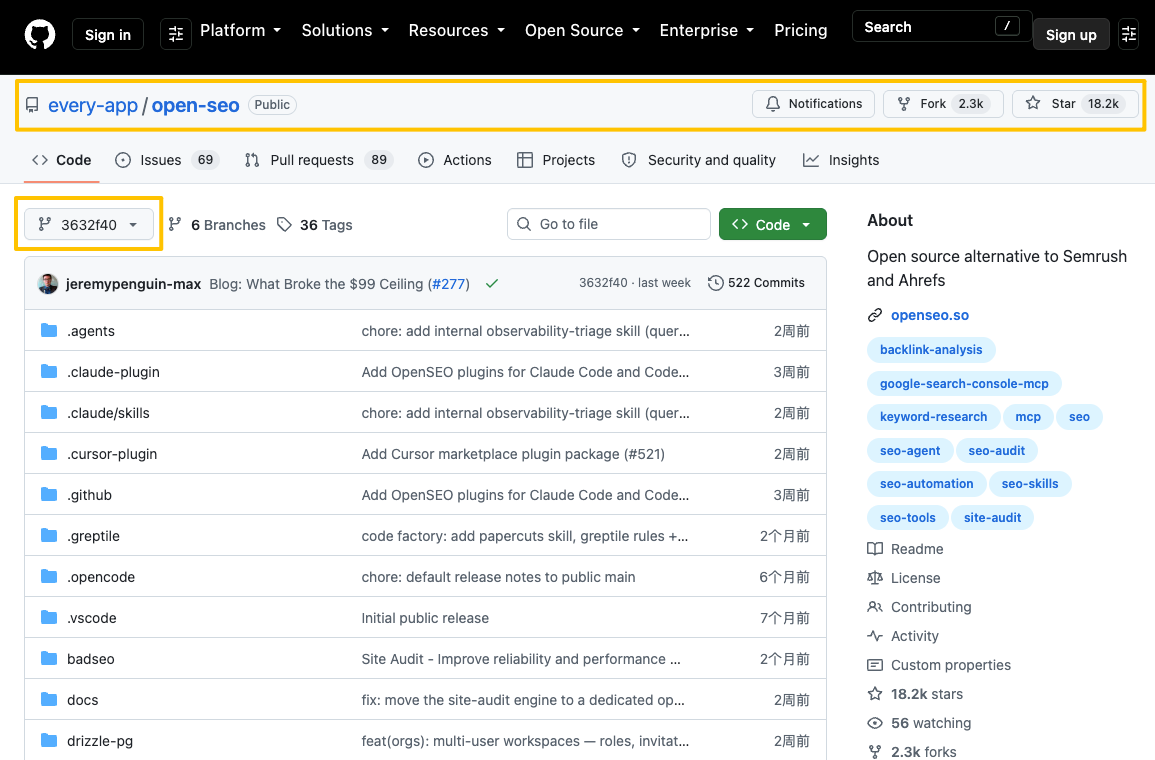
This guide is based on OpenSEO’s public documentation and repository commit 3632f40, checked on September 10, 2026.
Start With One Supervised Keyword-Research Task
Choose a page the business is already considering, such as a service page for one location. Give the agent one to five seed topics, the intended audience, page type, country, and language.
Ask for a shortlist rather than every related query. A useful response should show the primary candidate, close alternatives, relevant search results, and reasons to reject weak options.
Stop before saving keywords or creating content. The first run is successful when a reviewer can understand the recommendation and challenge it.
What Agent-Accessible SEO Data Changes
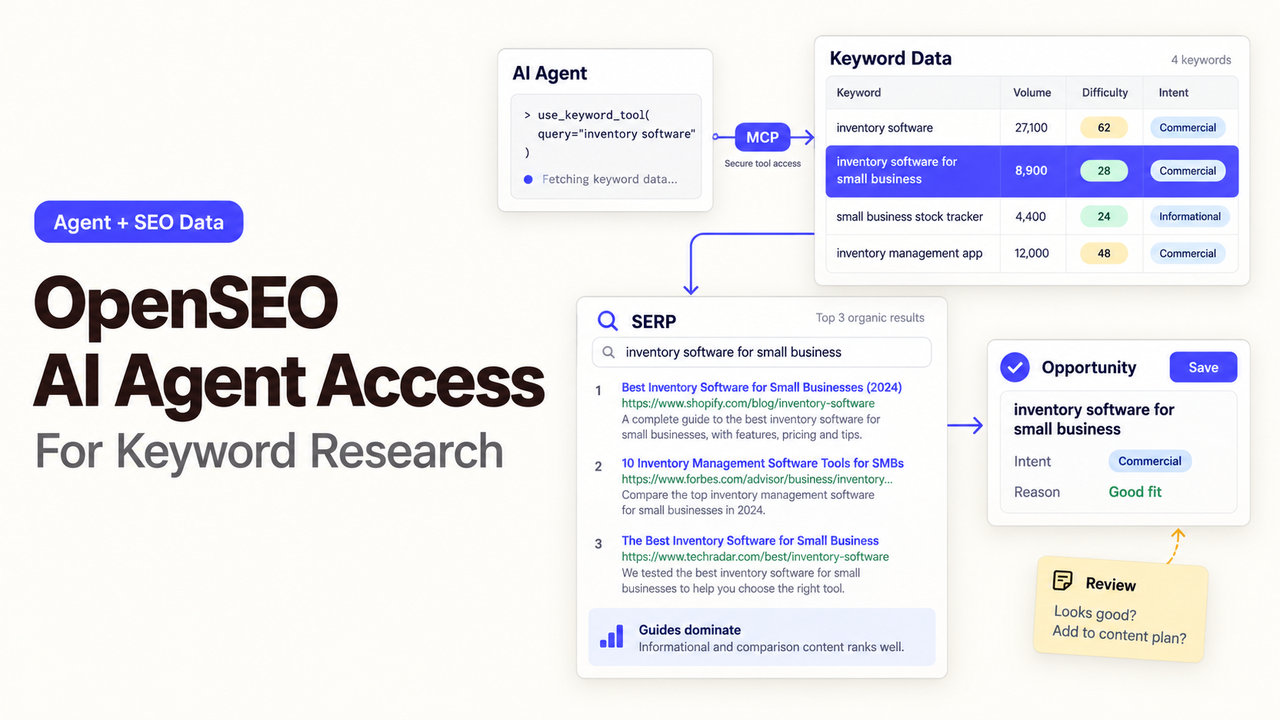
Without a data connection, an AI keyword research agent may reason from public pages or model knowledge. OpenSEO MCP lets compatible clients request keyword metrics, inspect current Google results, read saved project context, and store selected terms.
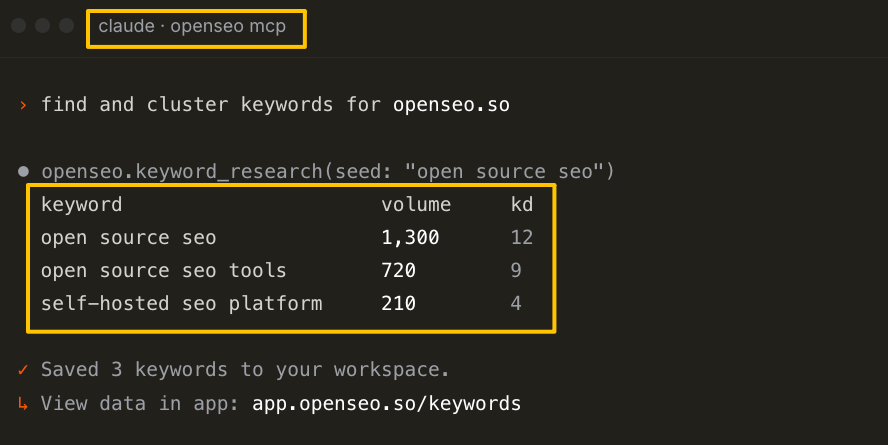
The Keyword Research Agent Skill supplies the research sequence. OpenSEO says it can filter irrelevant terms, inspect ambiguous SERPs, and return a prioritized shortlist with caveats.
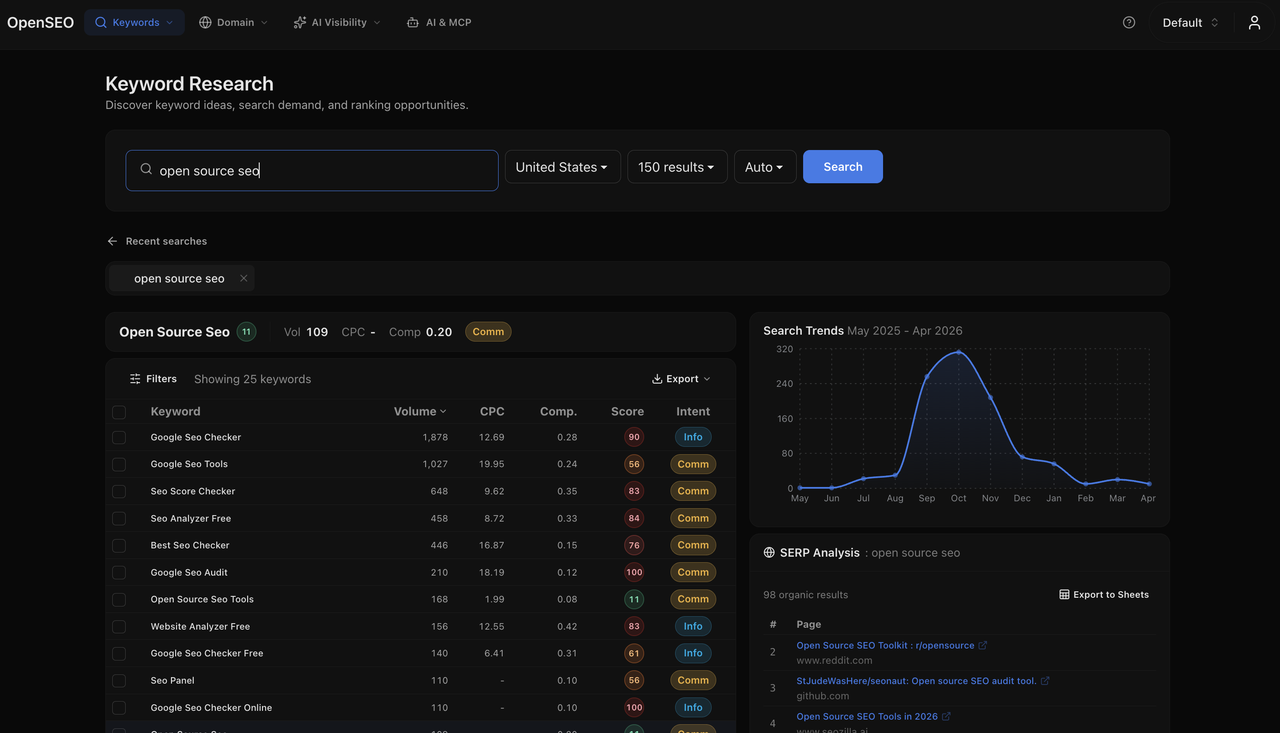
MCP supplies access to the data. The Skill tells the agent how to use it. Neither tells the business whether a proposed page supports the offer, conflicts with an existing URL, or makes a claim the company can prove.
Define the Business Question and Data Budget
Write the question in page terms. “Find SEO opportunities” is too broad. “Should we create one service page for this audience in the United States?” gives the research a boundary.
Set a budget in actions as well as money. Limit the seeds, market, result size, and number of SERP checks. OpenSEO’s current research_keywords source says research consumes credits per seed. Its optional clickstream setting increases that cost.
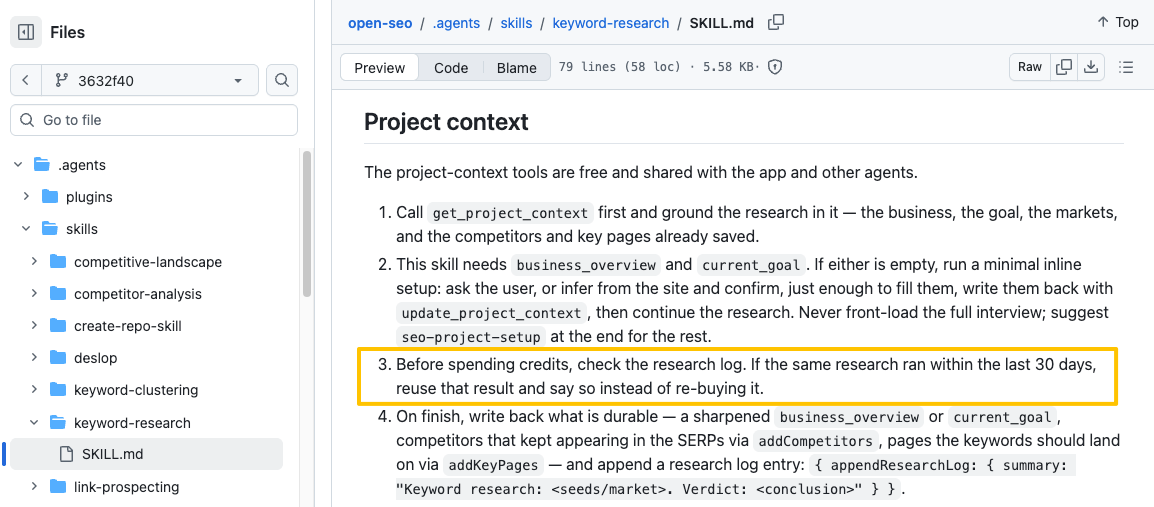
Check the project research log before paying for a repeat request. The current skill instructions tell the agent to reuse equivalent research from the previous 30 days.
Require confirmation before another market, seed set, or paid data pass. A polished answer does not excuse an unapproved charge.
Validate the Evidence Before Choosing a Topic
Start with the research header. It should identify the market, language, date, seeds, and data source. Treat a missing field as a reason to pause, not an invitation to guess.
Then open the leading search results. Confirm that the result types match the planned page. A service page should not quietly inherit a query dominated by tutorials, directories, or unrelated products.
Read metrics as estimates, not promises. Compare volume and difficulty with the visible SERP and the business’s ability to answer the query. Record failed seeds separately so an error does not become “zero demand.”
Keep Strategy and Final Approval Human
OpenSEO’s Agent Skills overview says the user remains responsible for strategy. That division is practical. The agent can organize options while a person judges commercial fit, site overlap, and factual support.
Give one reviewer authority to approve, reject, or request another pass. Saving keywords should require a separate confirmation. OpenSEO’s current tool definition treats saving as a project-changing action, even though it does not publish anything.
This is supervised SEO automation: the agent gathers and narrows the evidence, while a person chooses the page.
Decide When the Workflow Needs SEO Expertise
A small team can review a straightforward topic when the intent is clear and the planned page has a distinct purpose. Bring in SEO expertise when several existing pages target the same need or the results mix incompatible intents.
Expert review also matters when the decision affects a migration, regulated claims, international targeting, or a large content investment. Share the shortlist, SERP notes, discarded options, and unresolved questions. Do not pay for the same discovery twice.
How SpringBrand Can Support the Work Beyond Data Retrieval
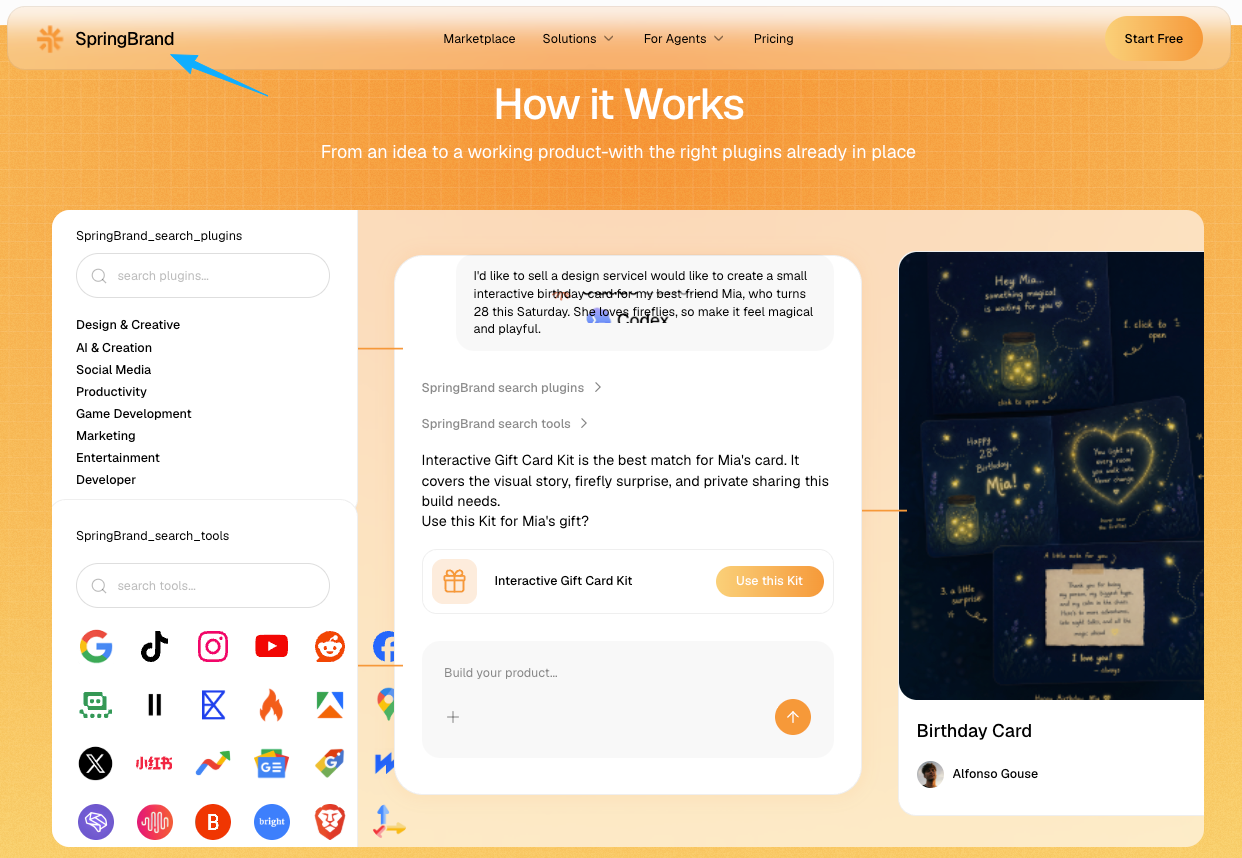
SpringBrand does not supply OpenSEO metrics or make the keyword decision. Its role is the wider Agent or Workflow: connecting approved capabilities, moving a draft brief to review, and stopping before the next action.
Build a supervised research-to-brief workflow, but verify current OpenSEO support before assuming a direct connection.
FAQ
Can OpenSEO restrict an agent to read-only actions?
OpenSEO marks many retrieval tools as read-only, but it does not document one blanket read-only mode. Keyword research spends credits, and saving changes project data. Limit the exposed tools where the client allows it, and test the restriction before use.
Which credentials should stay outside an OpenSEO agent configuration?
Keep DataForSEO credentials in the OpenSEO server environment for self-hosting. Do not place them in prompts or skill files. OpenSEO API keys are personal and act with the user’s workspace authority, so store them through the client’s protected credential method.
Which agent clients currently support OpenSEO’s keyword-research skill?
OpenSEO provides plugin instructions for Claude Code and Codex CLI. Its MCP guide also covers Claude Desktop, Codex Desktop, and Cursor. Other clients need compatible MCP and Skill support, which should be checked individually.
Can OpenSEO agents research keywords in multiple languages?
Yes. The keyword-research tool accepts location and language inputs, and the Skill asks users to specify them when relevant. Availability of metrics can vary by market, and multilingual data does not verify the quality of translated content.
Does the OpenSEO Agent Skill work with self-hosted deployments?
The Skill files are separate from the MCP server, so they can be installed independently. OpenSEO documents MCP access for Cloudflare self-hosting. Docker runs without built-in authentication, so keep it behind a protected network or reverse proxy.
Conclusion
Agent access makes OpenSEO data easier to request, but it also makes a vague question easier to repeat at scale. Start with one page, one market, and a defined data budget.
Approve the topic only after someone checks the SERP, business fit, and existing site. The agent can prepare the choice. It should not quietly make the decision.