SEO Without Link Building: When It Can Work

Written by
Springbrand Editor Team
Editorial team
Springbrand Editor Team creates and maintains blog guides on AI tools, automation, marketing, and agent workflows.

Reviewed by
Springbrand Audit Team
Editorial review team
Springbrand Audit Team supports editorial quality through source checking, clarity, and consistency across the blog.
Updated
Published
SEO without link building can work in specific situations. Learn when content, technical fixes, and internal links may be enough, and when they are not.
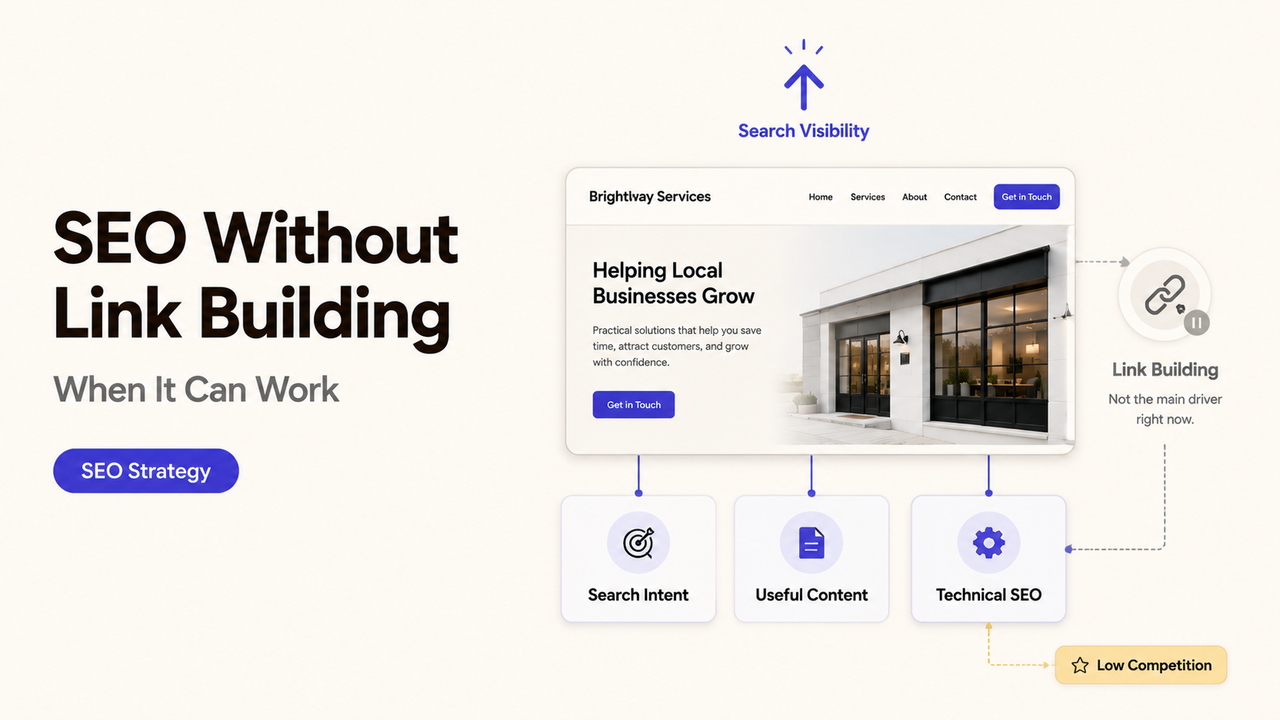
A small-business owner can pause a link-building quote while the site still has unindexed service pages, overlapping articles, and important URLs buried in navigation. Paying for links before separating those problems makes the next result harder to interpret. SEO without link building can work when the main constraint sits on the site; it is less convincing once strong pages are accessible, differentiated, and still outranked by established sources. I’m Alex. Before approving off-page work, identify which constraint the evidence supports.
Direct Answer: Can SEO Work Without Link Building?
Yes, under defined conditions. A site may improve without an active campaign when technical errors suppress pages, content misses the query, internal links hide priority URLs, or the domain already has relevant recognition.
For most owners, SEO without backlinks means running no active acquisition campaign, not expecting zero external references. Google says its ranking systems use many signals, and its link analysis systems and PageRank continue to help it understand how pages relate and which may be useful. Useful resources can still earn mentions naturally.
Treat “no link building” as a testable choice, not an SEO belief. Name the pages, queries, changes, measurement window, and final decision owner.
When Content and Technical Fixes May Be Enough
Start on the site when the problem is visible there. Important pages may be blocked, canonicalized elsewhere, omitted from navigation, duplicated across several URLs, or aimed at a query they do not answer. A backlink would not repair any of those states.
Content-led SEO has room to work when customers ask specific questions that competitors answer poorly. Improve a service page, consolidate overlapping posts, add first-hand product or process detail, and connect supporting articles to a commercial page. Keep the topic narrow enough for the business to demonstrate genuine relevance.
An established site may have recognition it is not using well. If older guides receive links and impressions, refresh them and improve their route to current services. That does not prove authority never matters.
Signals That Authority Is the Constraint
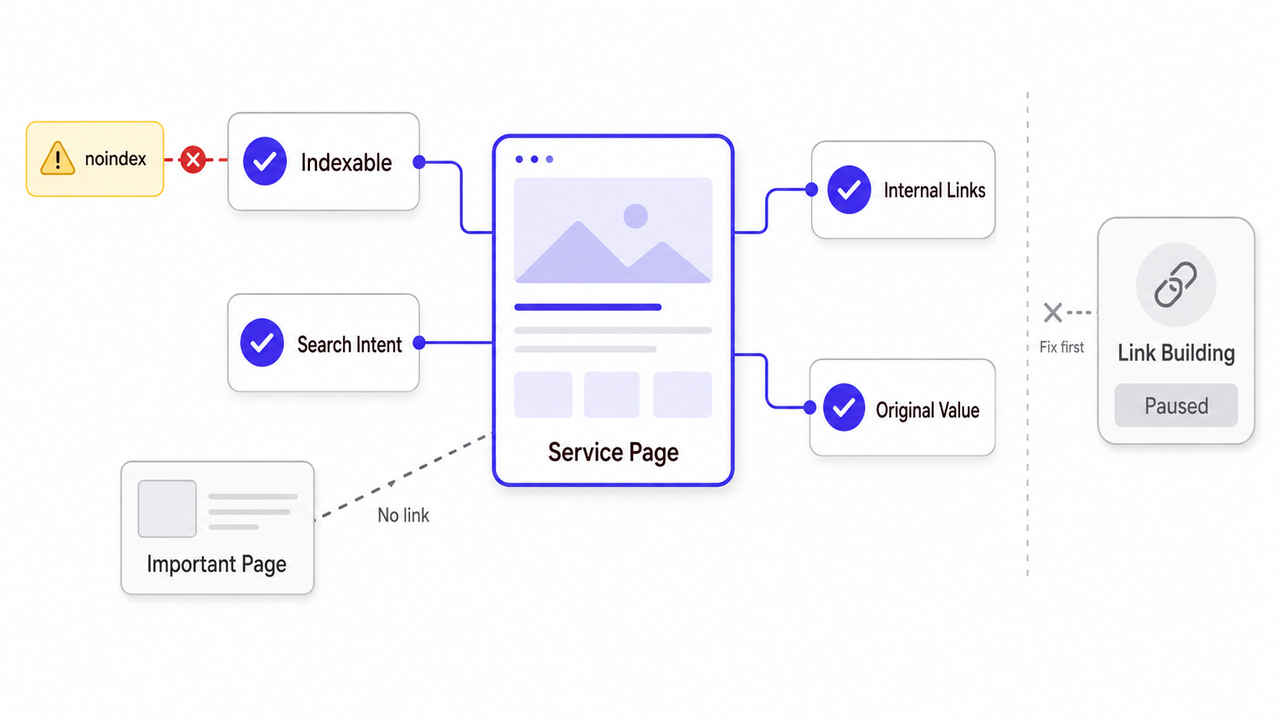
Do not label authority as the problem until the page-level work is inspectable. Confirm that the target URL is crawlable and indexed, matches the search intent, contains original value, loads reliably, and receives relevant internal links. Record what changed and when.
Authority becomes a more plausible constraint when those conditions hold but the same pattern persists across a defined topic set. The pages may earn impressions for narrow variations yet remain weak for competitive terms. Search results may consistently favor sources with stronger industry recognition, original research, expert citations, or wider editorial coverage.
Use backlink metrics as clues, not verdicts. An authority score cannot prove page quality or link legitimacy. Review referring pages, brand mentions, query movement, and competing results before assigning off-page work.
Strengthen Topical Coverage, Internal Links, and Pages
Map one customer problem to the pages that should answer it. Keep the strongest page for the primary intent, merge or reposition overlapping material, and list the supporting questions that deserve separate coverage. An organic SEO strategy becomes easier to evaluate when each URL has one role.
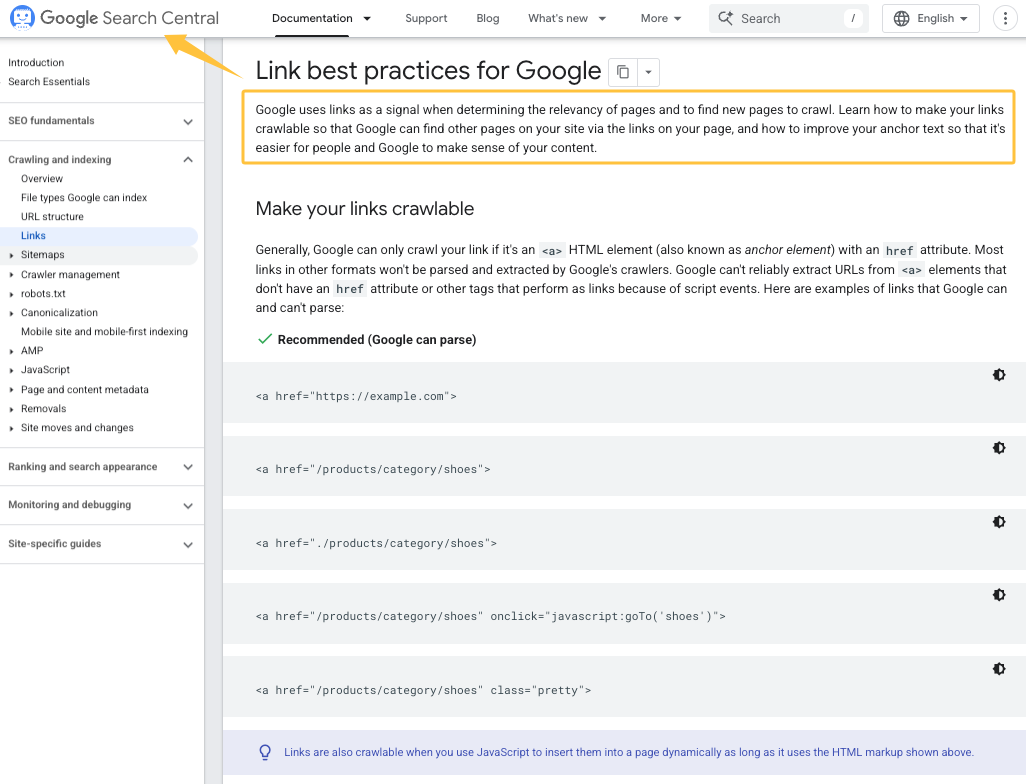
Next, trace the internal path from the home page or relevant hub to the target page. Google’s link best practices explain that crawlable links help it find pages and that descriptive anchor text gives people and Google context. Every priority page should receive a relevant link; adding many keyword-heavy anchors is not an internal linking strategy.
Improve the page itself only where the search task requires it. Add missing comparisons, examples, definitions, images, service boundaries, or proof that the business can legitimately provide. Remove filler written only to make the article longer. Then assign an owner for accuracy reviews, internal links, and future updates so the content does not decay after publication.
Run a 90-Day Test Before Buying Link Building
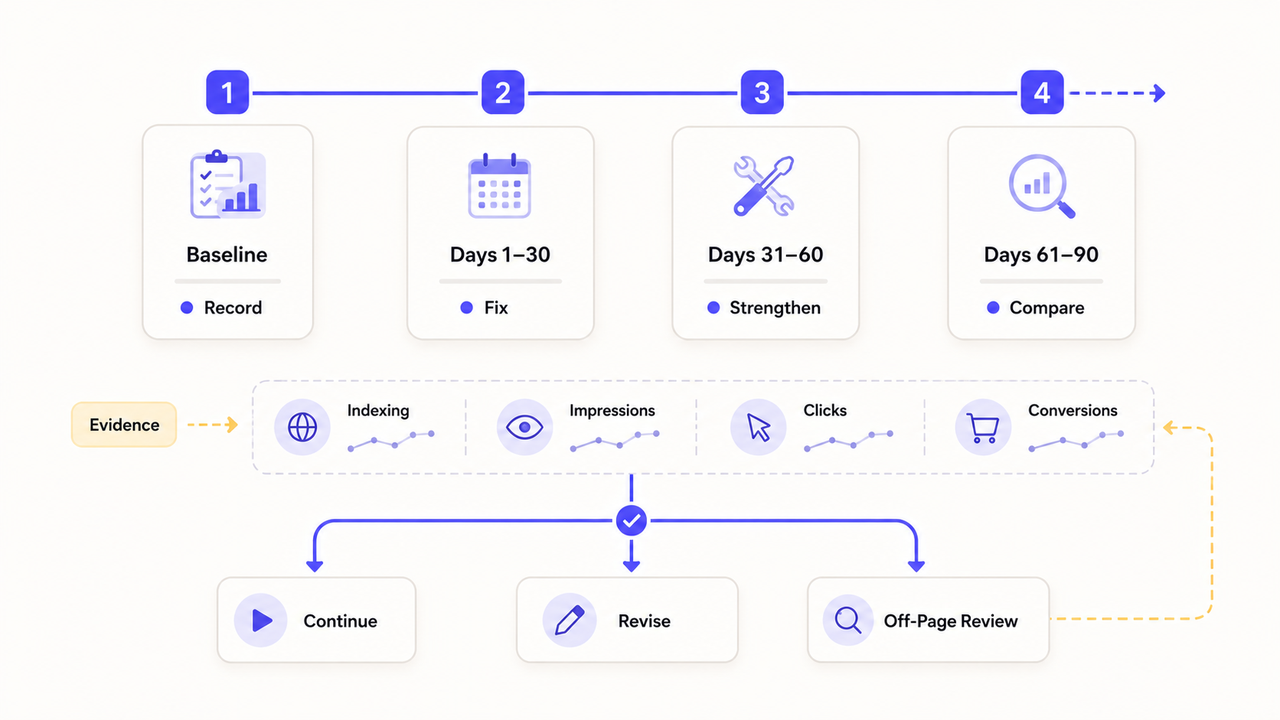
The 90-day period is a diagnostic window for this workflow, not a Google promise about ranking speed. Use it to make a controlled set of changes and decide what evidence would justify a different strategy.
Period | Owner action | Evidence to retain |
Baseline | Select target pages and queries; record current technical state | Index status, impressions, clicks, conversions, internal links |
Days 1–30 | Fix crawl, canonical, duplication, intent, and page-quality issues | Change log, affected URLs, validation results |
Days 31–60 | Publish necessary supporting content and strengthen internal paths | New pages, anchors, crawl dates, editorial approval |
Days 61–90 | Compare page and query trends with the baseline | Relevant impressions, clicks, conversions, unresolved constraints |
Use Search Console’s page and query performance views to look for direction rather than one flattering number. A rise in impressions for relevant queries may show that the content is being evaluated more broadly, even before clicks change. A traffic increase from irrelevant queries does not validate the plan.
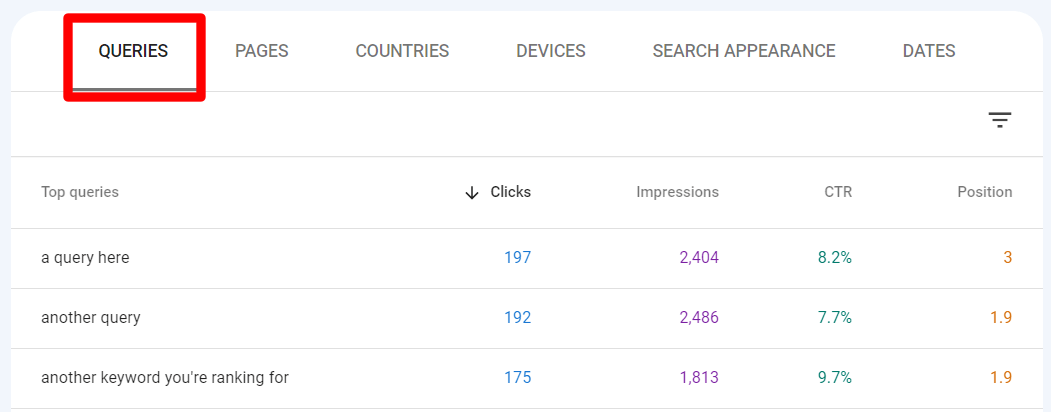
At day 90, the owner should make one recorded decision: continue the on-site plan, revise the page or query target, or investigate off-page support. If several major variables changed at once, the test cannot show which action mattered. Keep the diagnosis open instead of buying links to create movement.
When Off-Page Support Still Matters
Off-page support can matter when the business needs discovery and credible recognition. Industry associations, editorial coverage, partner references, original research, useful tools, and community participation can introduce it to an audience. The business value should stand without ranking credit and remain outside Google’s definition of link spam.
Avoid offers built around passing ranking credit. Google lists buying ranking links, excessive exchanges, automated link creation, and low-quality directory links as violations. Advertising and sponsorships can be legitimate, but compensated links should use rel="sponsored" or nofollow.
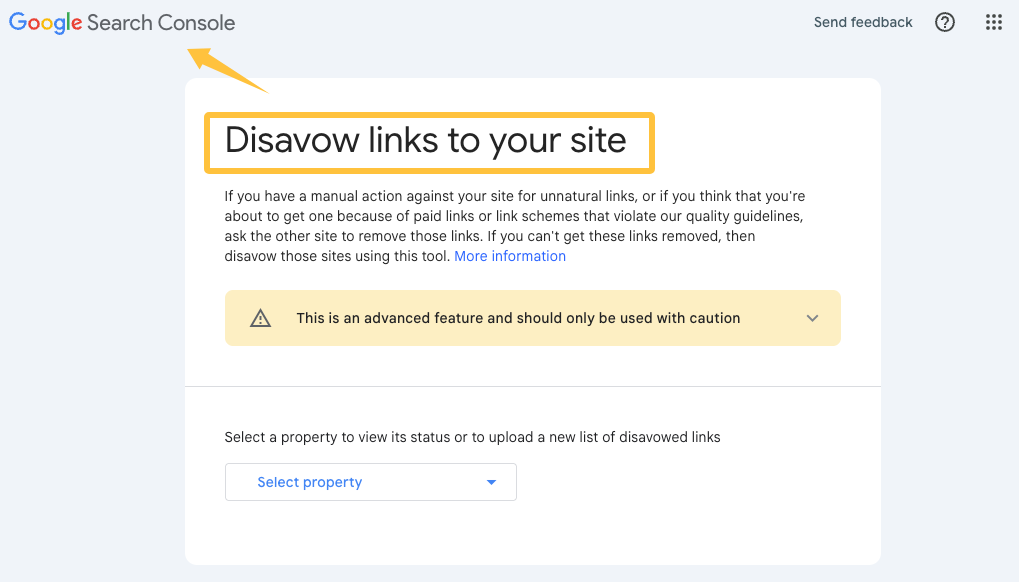
If a previous provider created artificial links, stop the campaign and preserve the agreements, placement lists, and removal attempts. Check Search Console for a manual action before assuming every unfamiliar backlink is harmful. Google describes disavowal as an advanced tool that most sites do not need; use it cautiously and only when the stated conditions fit.
If the test exposes a strategy gap, structure the result as an SEO service brief with SpringBrand before requesting outside support.
FAQ
What if the business cannot publish regularly?
Prioritize maintenance over volume. Improve pages closest to the business goal, consolidate weak overlap, and schedule sustainable factual reviews. An accurate useful page can do more work than thin posts. If no one owns updates, reduce the plan before adding topics.
Should local sponsorship links be treated differently?
Judge the sponsorship by its audience and community value first. A link from a legitimate local event or organization can be useful for discovery even when it is not intended to influence rankings. If money, goods, or services funded the placement, ask the publisher to qualify the link with rel="sponsored" or nofollow rather than treating payment as an SEO shortcut.
Can a site recover after stopping paid link campaigns?
Recovery is possible, but stopping payment does not create a timetable or guarantee. Document the placements, request removal of links you controlled, check for manual actions, and correct the underlying content and technical issues. Use the disavow tool only when Google’s stated conditions apply. Keep the cleanup evidence attached to any reconsideration request.
Can a new domain use this approach differently from an established site?
A new domain can begin with technical access, focused pages, and clear internal links, but has less recognition to draw on. Target a narrow problem and watch whether relevant impressions expand. An established site should first find underused pages, mentions, and links.
How should a business respond to unsolicited backlink offers?
Do not approve the offer from a sample metric, promised ranking, or bulk placement count. Ask how sites are selected, whether payment is disclosed, and who controls the final placement; manipulative answers are a reason to decline. Do not share Search Console, CMS, or domain access merely so a seller can “review opportunities.”
Conclusion
Continue SEO without link building while on-site changes produce inspectable progress in indexation, relevant impressions, qualified visits, or conversions. If the test closes the technical and content gaps while authority remains the best-supported constraint, change the strategy deliberately; do not use purchased links to hide an unfinished diagnosis.
Recommended Reads
Explore SpringBrand
Turn ideas into working workflows
Connect agents, APIs and tools in one workspace. Start with a task you want to get done.
Get started free
One account. 10,000+ APIs & capabilities
Give your agent APIs and plugins without separate keys or integrations for every provider.
Explore APIs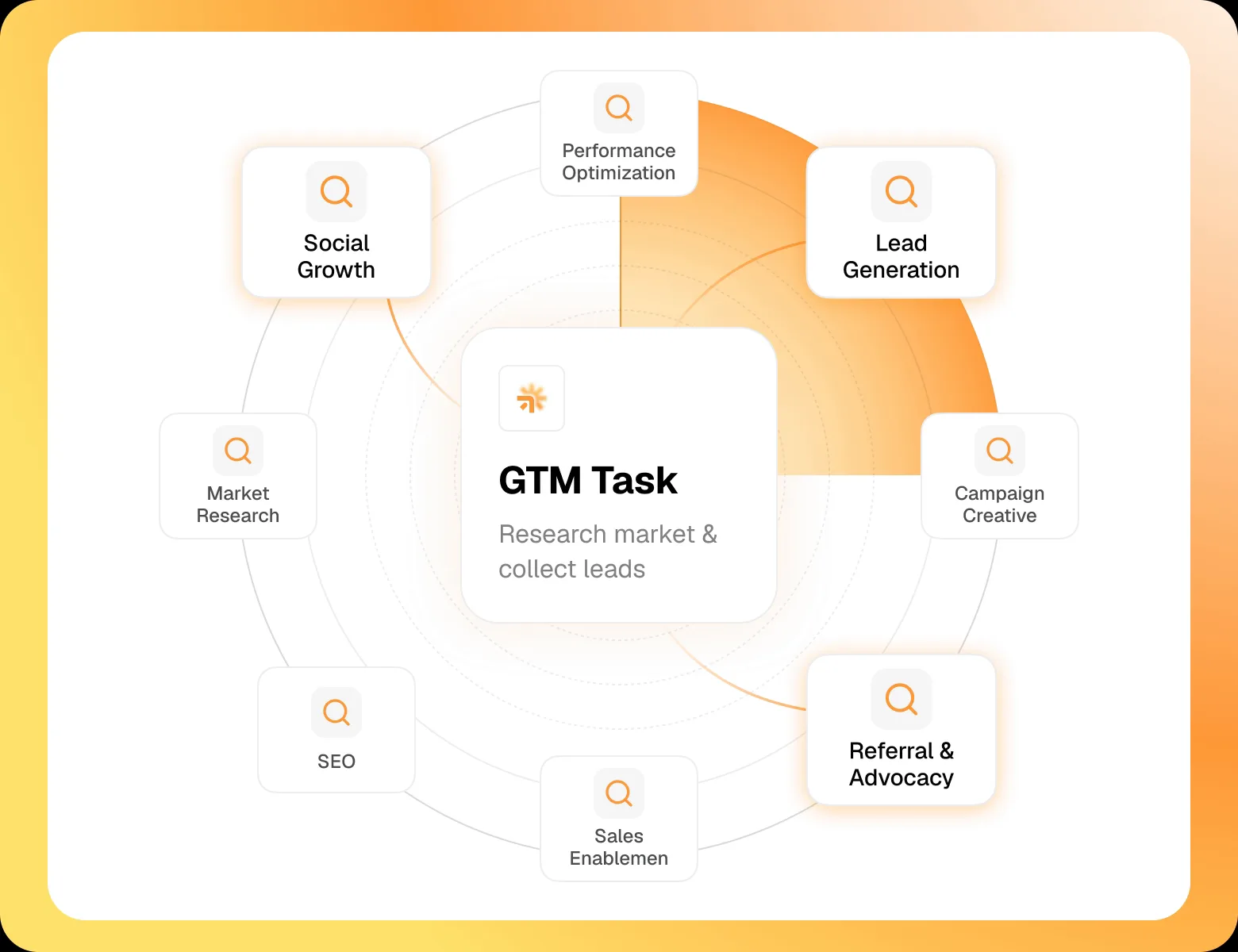
No tool expertise needed
Describe your GTM task. SpringBrand chooses the right APIs and plugins for your agent automatically.
Find tools for your task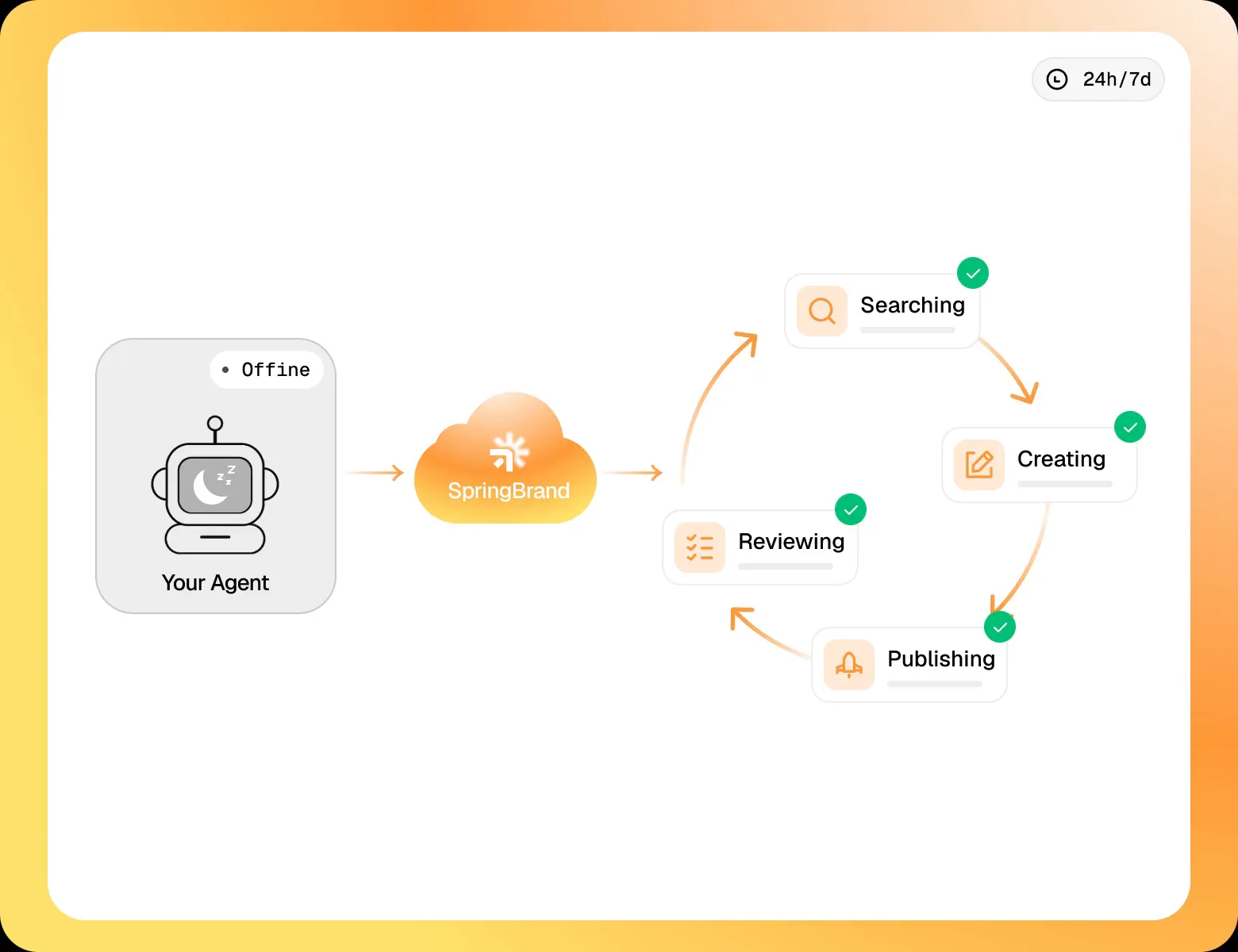
Run tasks 24/7
Connect your agent to SpringBrand to keep tasks running automatically, day and night.
Connect your agent