Enterprise AI Adoption: Lessons for Small Businesses
Enterprise AI adoption offers practical lessons for small businesses. Learn what to pilot, what to outsource, and how to evaluate implementation help.
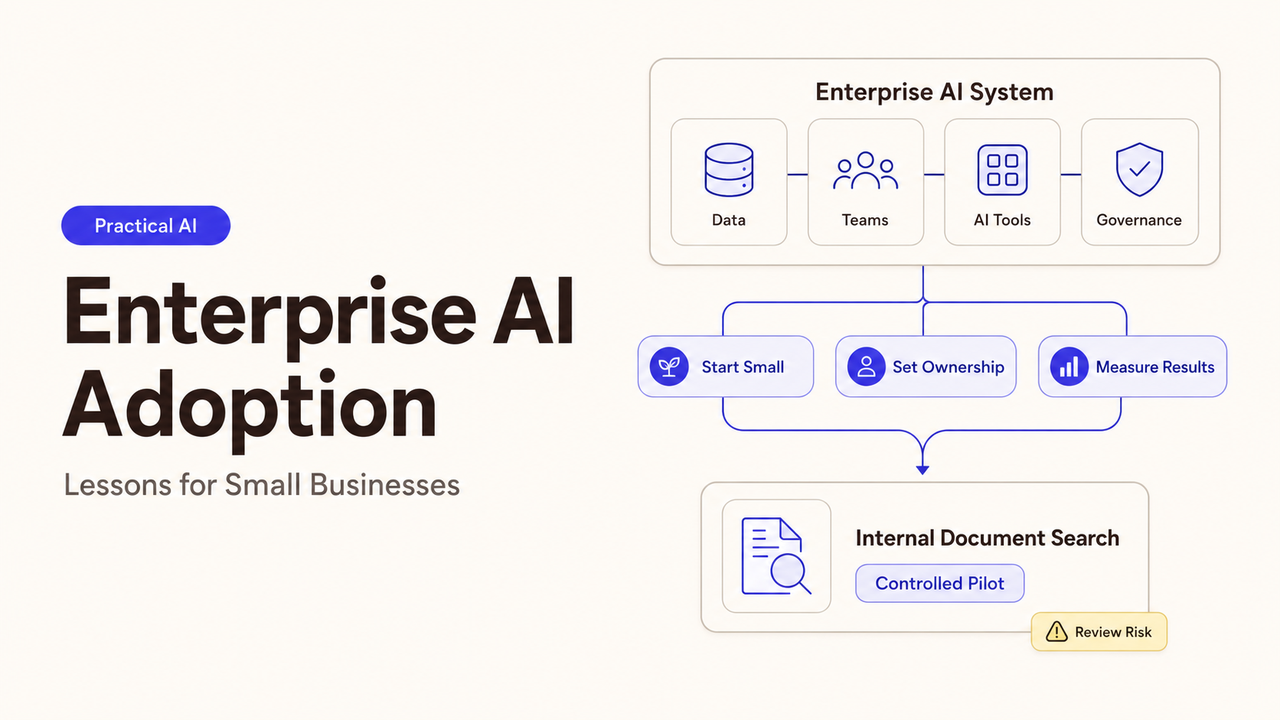
The pilot is marked “successful” because the tool produced usable summaries. Operations still cannot say which customer records entered the system, who checked the output, or what happens if the model changes. That gap is where enterprise AI adoption becomes useful: the work starts with a controlled workflow, not a model purchase. I’m Alex. Keep the pilot narrow until one owner can explain its inputs, review point, fallback, and evidence for continuing.
Enterprise AI Adoption Lessons for Small Businesses
What adoption looks like beyond a model purchase
Buying access proves that a team can reach a model. Adoption begins inside a repeatable process with clear responsibility. For inquiry triage, record the inbox, permitted fields, reviewer, destination, and response to a wrong output or outage.
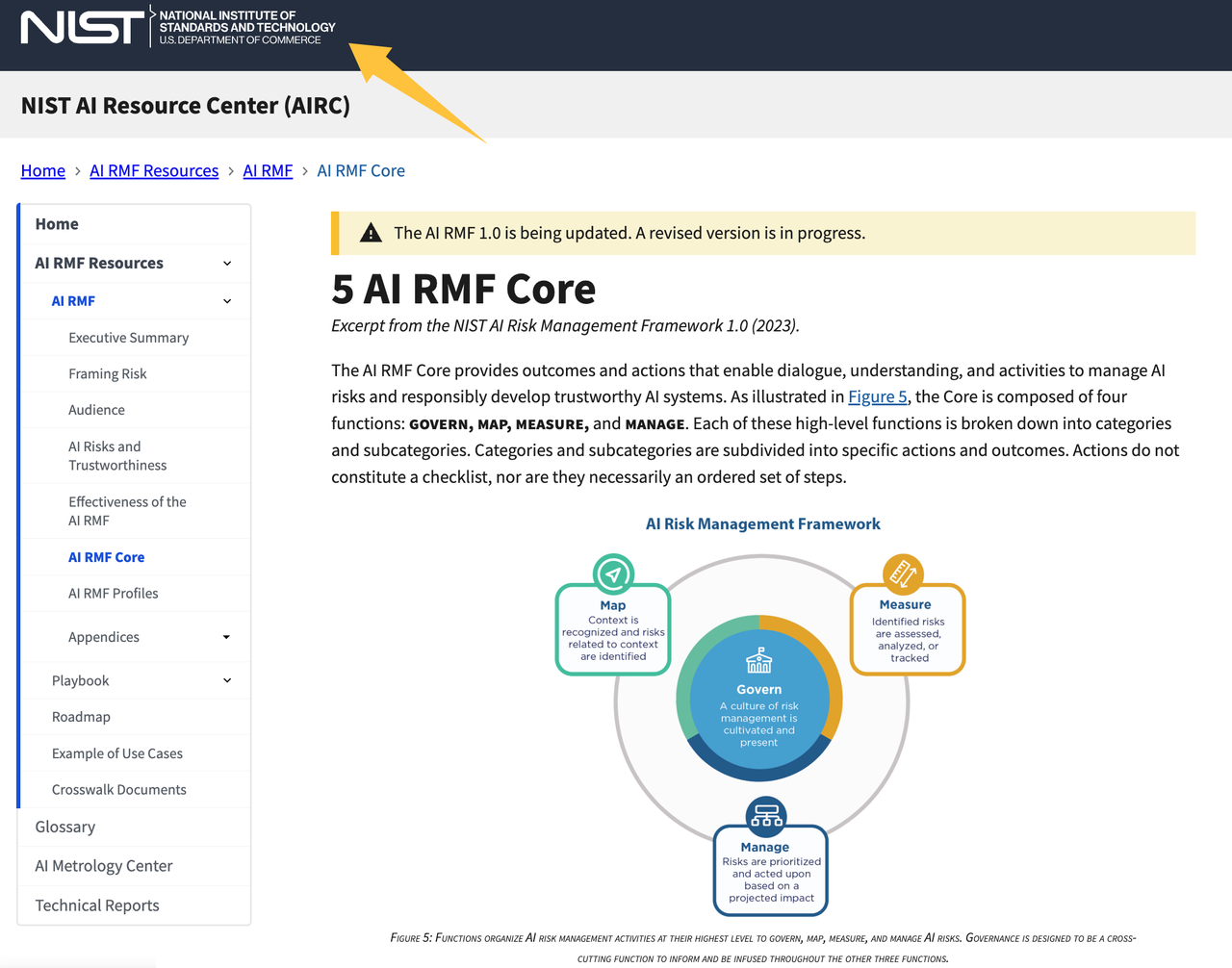
This is why a business AI strategy needs more than a preferred tool. The NIST AI Risk Management Framework Core calls for documented roles, human oversight, testing, and contingency processes. A small company can assign those functions without creating an enterprise committee.
Practices small teams can borrow without enterprise overhead
Borrow the control points, not the bureaucracy. One owner can maintain a short workflow record containing:
- the business outcome and intended users;
- permitted and prohibited inputs;
- the human review step;
- a small test set and acceptance rule;
- the fallback when the system fails;
- the model, provider, version, and change date;
- who may pause or retire it.
The record can fit on one page. If the workflow changes but the record does not, the team has lost its source of truth.
Choose a Low-Risk Business Workflow to Pilot
Define the outcome, users, inputs, and review point
Start with reversible, inspectable work. Drafting internal summaries is a better first pilot than sending refunds or approving supplier payments.
Write the outcome as an observable task: “Turn approved support notes into a draft FAQ for an editor to review.” Name the operator, allowed source files, and editor. Keep confidential, personal, contractual, and regulated data out until an appropriate handling process is approved.
At this point, ownership matters more than automation. The model can prepare an output; the named reviewer accepts, corrects, rejects, or escalates it.
Set a narrow success test without promising ROI
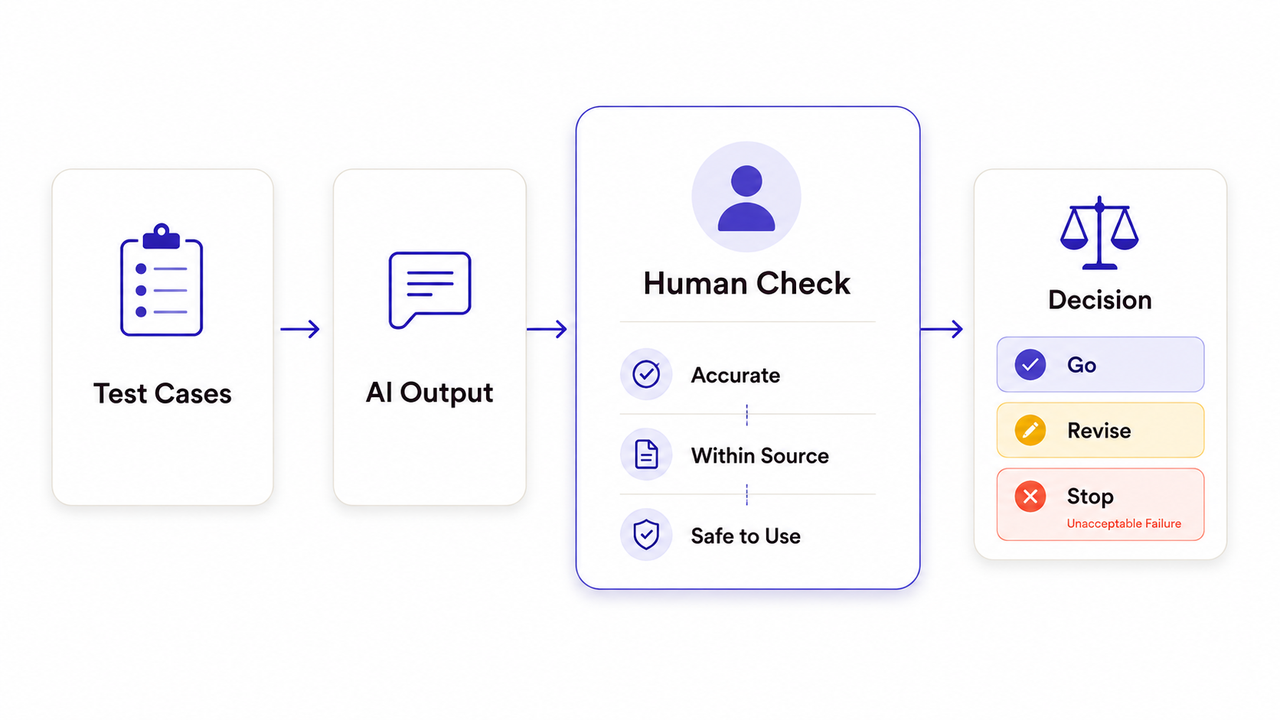
Use a repeatable test. For the FAQ example, select representative notes and check whether each answer stays within them, preserves product terminology, and sends uncertain claims to the editor. Define unacceptable failures before the pilot begins.
Track review time, corrections, failures, and staff feedback. Those observations support a go, revise, or stop decision; they do not prove ROI or justify company-wide adoption.
Put the fallback beside the happy path. If a summary omits a commitment or invents a customer detail, staff should flag it, restore the manual process, and preserve the evidence.
Compare Open Models, Hosted Tools, and Managed Services
Control, skills, data handling, and operating burden
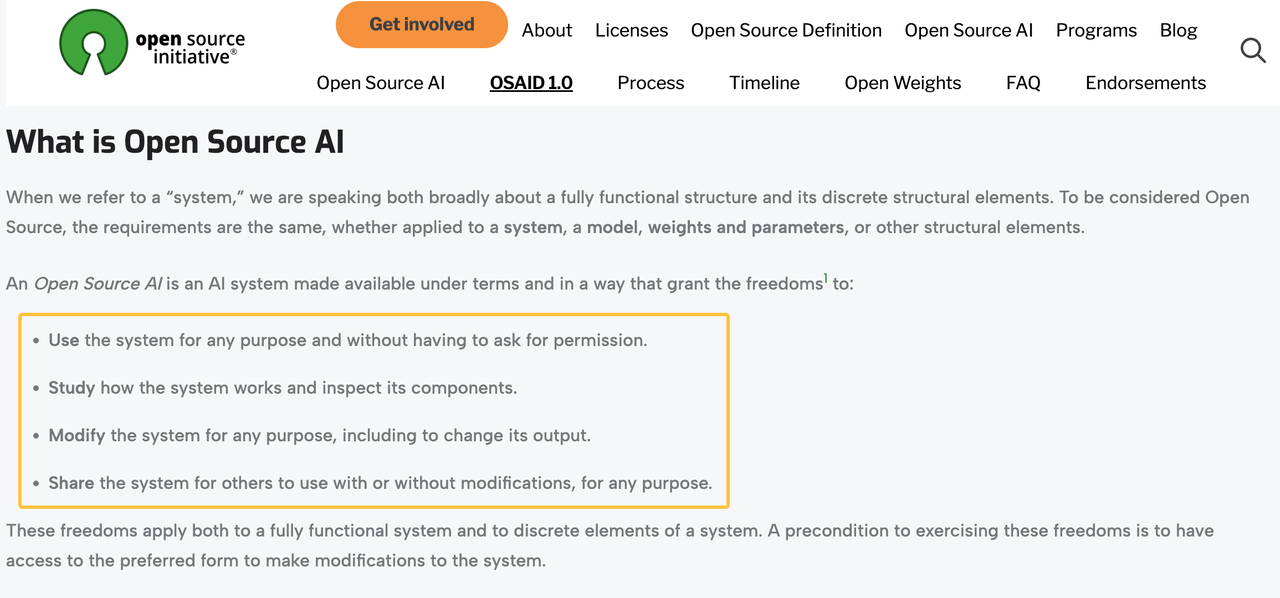
The phrase “open AI models” hides several arrangements. The Open Source AI Definition requires freedoms to use, study, modify, and share, plus the preferred form for making changes. Downloadable weights alone do not settle whether a system meets that definition.
Assign responsibility by deployment choice:
| Option | What the business controls | What it must operate or verify | Common fit |
|---|---|---|---|
Hosted application | User settings, inputs, review, and downstream use | Provider terms, data handling, retention, access, exports, and continuity | A contained workflow with little integration |
Hosted API | Application logic, permissions, test cases, and handoff | API security, logs, vendor changes, data terms, and monitoring | A repeatable process connected to existing software |
Open-weight self-hosting | Infrastructure, model version, logs, and access path | Compute, security, updates, license, testing, and incident response | A team with a clear control need and technical capacity |
Managed implementation | Business goal, approvals, acceptance, and provider access | Scope, dependencies, documentation, support, and exit terms | A valuable workflow with a real specialist gap |
Self-hosting changes where data travels; it does not remove privacy, security, licensing, or maintenance work. A hosted tool reduces infrastructure burden but increases dependence on the provider. Neither route is automatically safer.
Where DeepSeek may enter the shortlist
DeepSeek belongs on the shortlist only if a current release fits the task, deployment route, language, review, and risk boundary. Checked on August 5, 2026, the hosted choices are deepseek-v4-flash and deepseek-v4-pro; the DeepSeek V4 release also links to downloadable weights. The older API names were scheduled for retirement on July 24, so do not scope a new integration from an old guide.

Licensing still needs model-level review. The V4-Flash package currently carries an MIT label in its DeepSeek model card. Check the exact repository, dependencies, and license text selected for the project rather than relying on a broad “open” label.
For hosted services, DeepSeek’s current privacy disclosures cover text, files, photos, feedback, and chat history, and advise against providing sensitive personal data. They do not describe every self-hosted or third-party host. Record the provider, region, service terms, data route, retention setting, and owner. This is general planning information, not legal advice; review the rules that apply to the intended use.
Make the In-House vs Outsourced Implementation Decision
Internal ownership and specialist gaps
Keep the pilot in-house when someone can define the process, configure it safely, test representative cases, support users, and maintain it. Outsourcing becomes reasonable when integration, security review, workflow design, or documentation has no capable internal owner.
Outside help does not transfer the decision. The company still approves the workflow, data boundary, budget, test, and release.
Build an adoption brief, test plan, documentation, and handoff
The brief should let a provider estimate the work without inventing the operating rules:
| Brief field | Decision to record |
|---|---|
Outcome | The task and user result the workflow should support |
Current process | Source, steps, volume, owner, and known failure points |
Data boundary | Allowed inputs, prohibited inputs, storage, and access |
Human control | Review, approval, escalation, and pause rights |
Test plan | Examples, expected behavior, failure conditions, and acceptance evidence |
Delivery | Configuration, code, prompts, documentation, training, and support |
Handoff | Accounts, files, change log, open issues, maintenance owner, and exit route |
If the pilot routes CRM leads, use this marketing automation consulting scope guide to define fields, test records, maintenance, and handoff. Do not let that adjacent project become an unplanned CRM rebuild.
Evaluate implementation partners without relying on guarantees
Give every provider the same brief and ask which assumptions remain open. Compare the test, roles, data access, documentation, change process, support boundary, and exit deliverables. A selected demo does not prove that the provider can maintain the workflow inside your business.
Ask who performs the work, whether subcontractors receive access, how incidents are reported, and what remains usable after exit. Reject guarantees of error-free output or automatic returns. A credible proposal explains how failure will be detected.
How SpringBrand Fits This Workflow
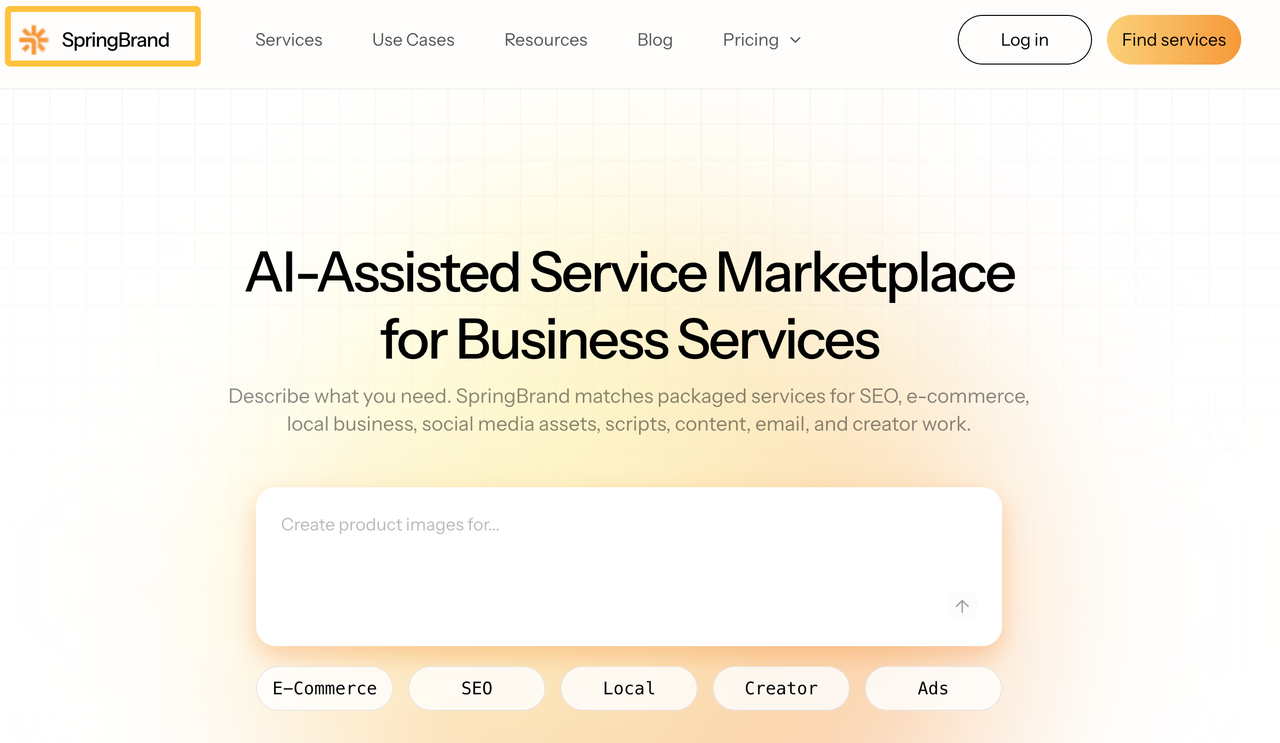
SpringBrand sits at the service-purchasing stage. It can structure a defined goal as a service brief and match the request with third-party packaged services. The owner still chooses the provider and approves access, scope, terms, and acceptance evidence; SpringBrand does not implement or guarantee the work.
If the implementation gap is clear, turn the approved pilot into a service brief and compare third-party service scope before committing access.
FAQ
Can a seasonal business pause and restart an AI workflow?
Yes, if it has a restart record. Preserve the configuration, model and provider version, inputs, test set, access list, incidents, and maintenance notes. Before restarting, rerun the test and review current terms, data practices, integrations, and staff roles.
Can a pilot continue if its chosen model is discontinued?
Only after the replacement passes the workflow’s test. Keep prompts, expected outputs, failure cases, dependencies, and a manual fallback outside the model. Compare the replacement against those records, update documentation, and require owner approval before routine use resumes.
Should customers be told when a workflow uses AI?
It depends on the workflow, customer relationship, applicable law, contract, and platform or industry rules. Disclosure deserves particular attention when AI-generated material is customer-facing or influences a consequential decision. Define the rule before launch and obtain qualified review where obligations are uncertain.
How should staff report an incorrect or unsafe output?
Give staff one reporting route and a stop rule. Preserve the input, output, time, service version, affected record, problem, and action taken. A named owner decides whether to correct the item, pause the workflow, notify affected people, or escalate it.
Can one AI workflow be reused across business locations?
Possibly, after a local comparison. Locations may differ in data, language, offers, staff permissions, or legal requirements. Share the core only where inputs and acceptance rules remain equivalent; document exceptions, assign a local reviewer, and test before connecting live work.
Conclusion
Enterprise AI adoption offers small businesses a useful discipline: define the workflow, owner, data boundary, review point, test evidence, and fallback before expanding access. Model choice comes later, and it can change.
Move beyond the pilot only when the named owner can reproduce the test, explain the remaining failures, and restore the manual process without waiting for a vendor.