Agent Economy: How Businesses Should Prepare

Written by
Springbrand Editor Team
Editorial team
Springbrand Editor Team creates and maintains blog guides on AI tools, automation, marketing, and agent workflows.

Reviewed by
Springbrand Audit Team
Editorial review team
Springbrand Audit Team supports editorial quality through source checking, clarity, and consistency across the blog.
Updated
Published
Agent economy planning starts with services, data, permissions, budgets, and vendor choices that businesses can control now.
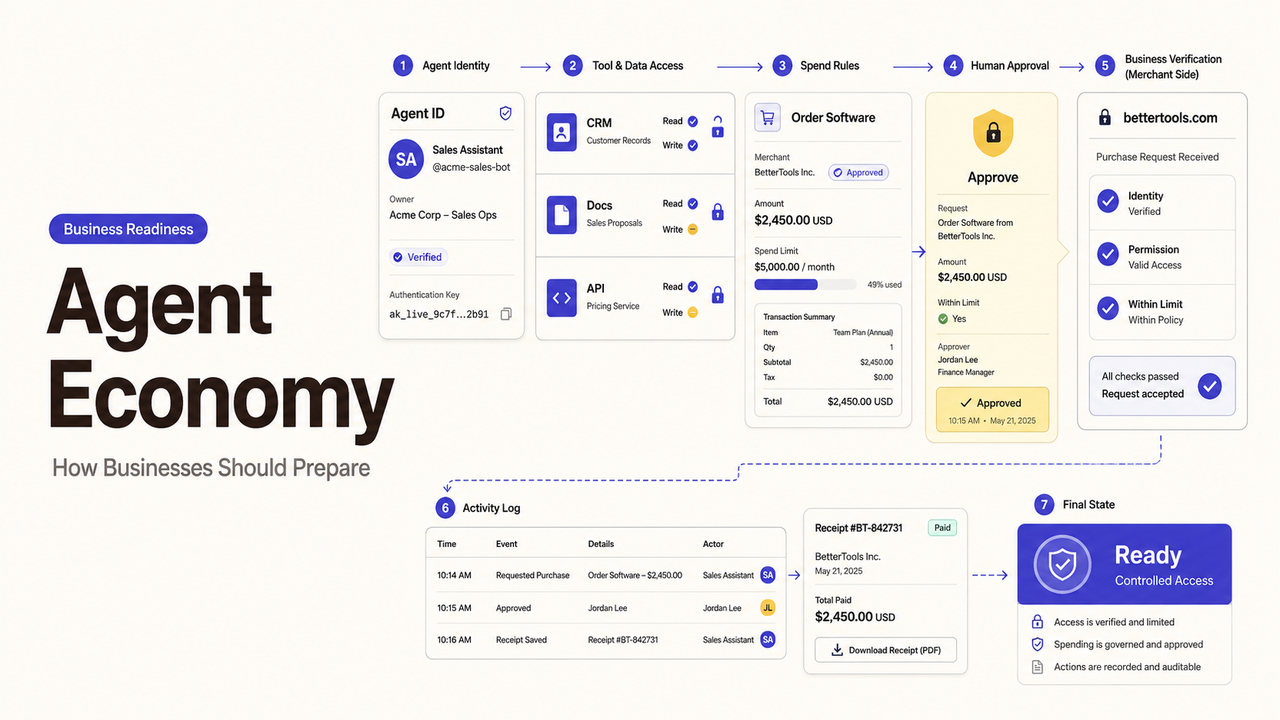
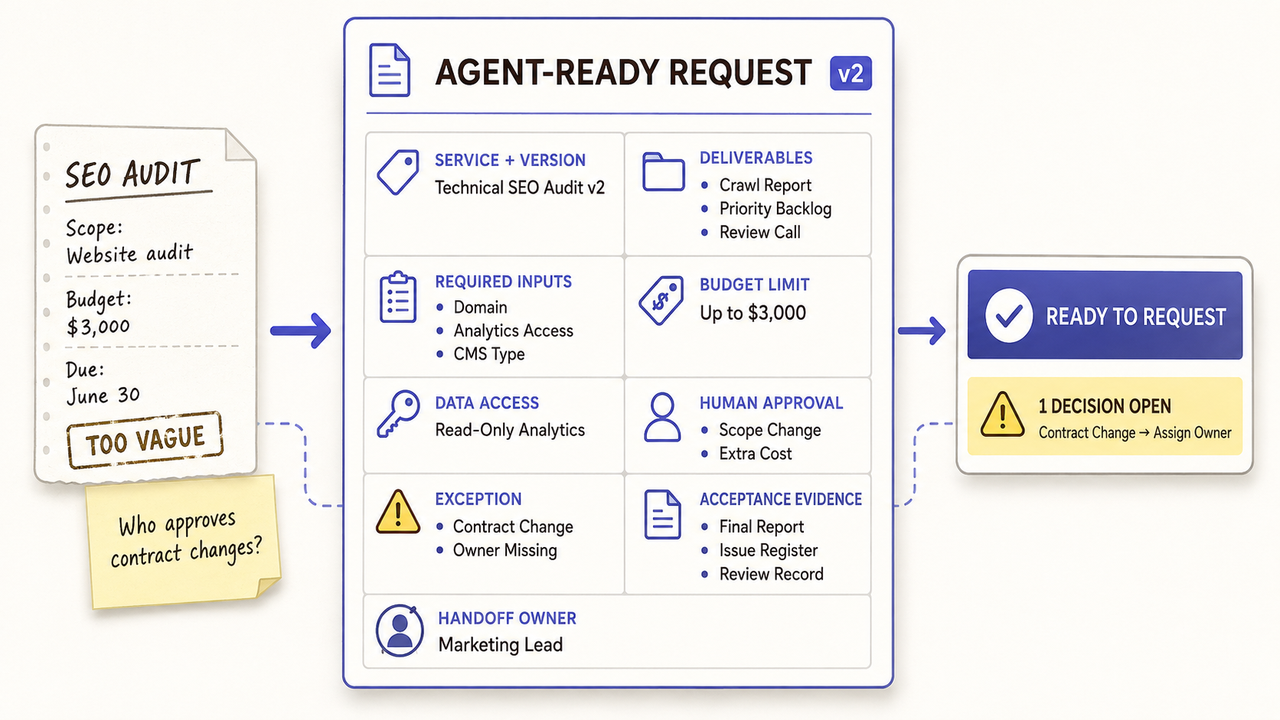
A supplier receives a machine-generated request for an audit. It includes a scope and budget, but no rule for contract changes. The work is not agent-ready until that missing decision has a human owner.
That is how small businesses should prepare for the agent economy: improve the requests, permissions, and records they control today. They do not need to predict when autonomous buying will become common.
What the Agent Economy Means for Businesses
The agent economy describes markets where software agents can discover an offer, compare it with a user’s instructions, and help request or pay for it. The degree of autonomy can vary. One agent may prepare options for approval, while another may complete a permitted transaction.
This remains an emerging operating model, not a settled market with one adoption date. The phrase “Agent Economy Is Coming” works better as a preparation prompt than a forecast.
Current infrastructure shows the direction. Cloudflare’s agentic payments documentation describes a request, payment challenge, credential, verification step, and receipt. That flow can move payment information through software, but it does not define the service scope or prove delivery.
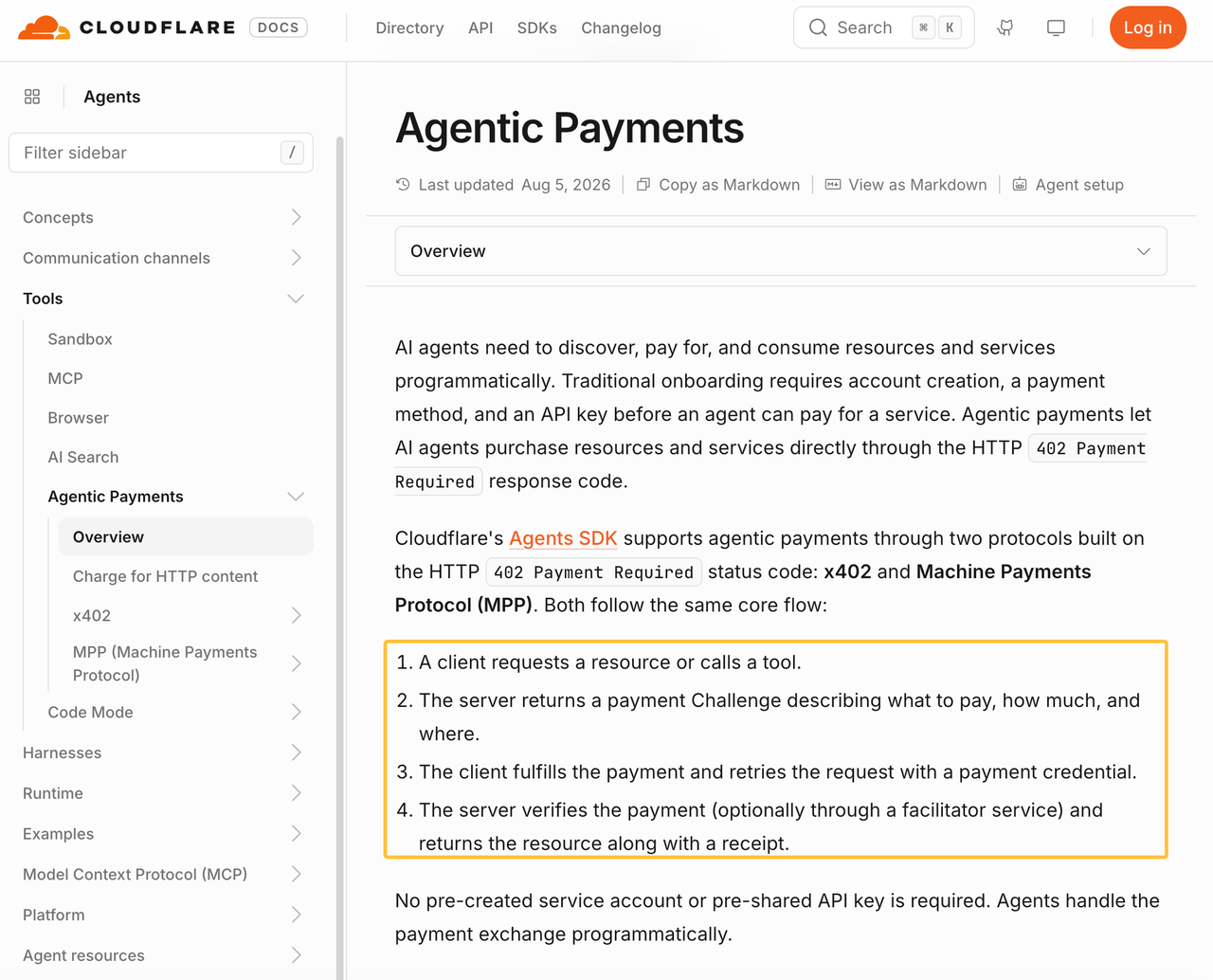
For a small business, the immediate change is practical. Offers need clearer inputs and acceptance terms. Buyer agents need limited authority. People still need to own exceptions, disputes, and final accountability.
Why Services May Become Easier for Agents to Request
Most service pages are written for people who can interpret loose phrases, ask follow-up questions, and notice missing terms. An agent works better when key details appear as explicit fields.
Cloudflare’s current x402 documentation shows how a server can return a price and payment instructions with an HTTP 402 response. A compatible client can return a payment credential and receive confirmation. This can simplify payment for a digital resource or tool call.
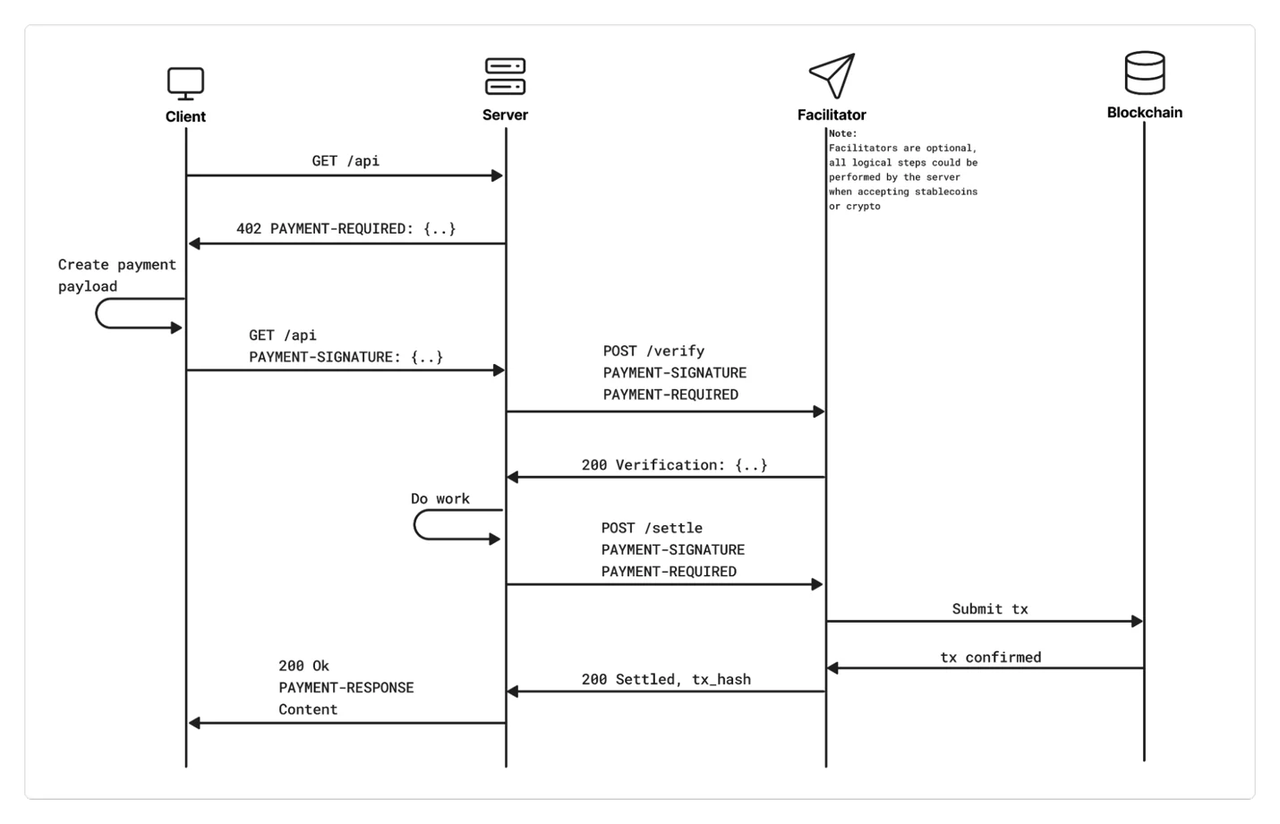
Human-delivered services remain more complicated. Paying for a report is not the same as accepting its quality. A business still needs a defined deliverable, revision rule, due date, acceptance step, and path for incomplete work.
Cloudflare’s Pay Per Use work offers another directional signal. The company describes Pay Per Use as an experiment with partners rather than a proven universal model. Its announced Monetization Gateway also remained a waitlist product when checked on August 30, 2026.
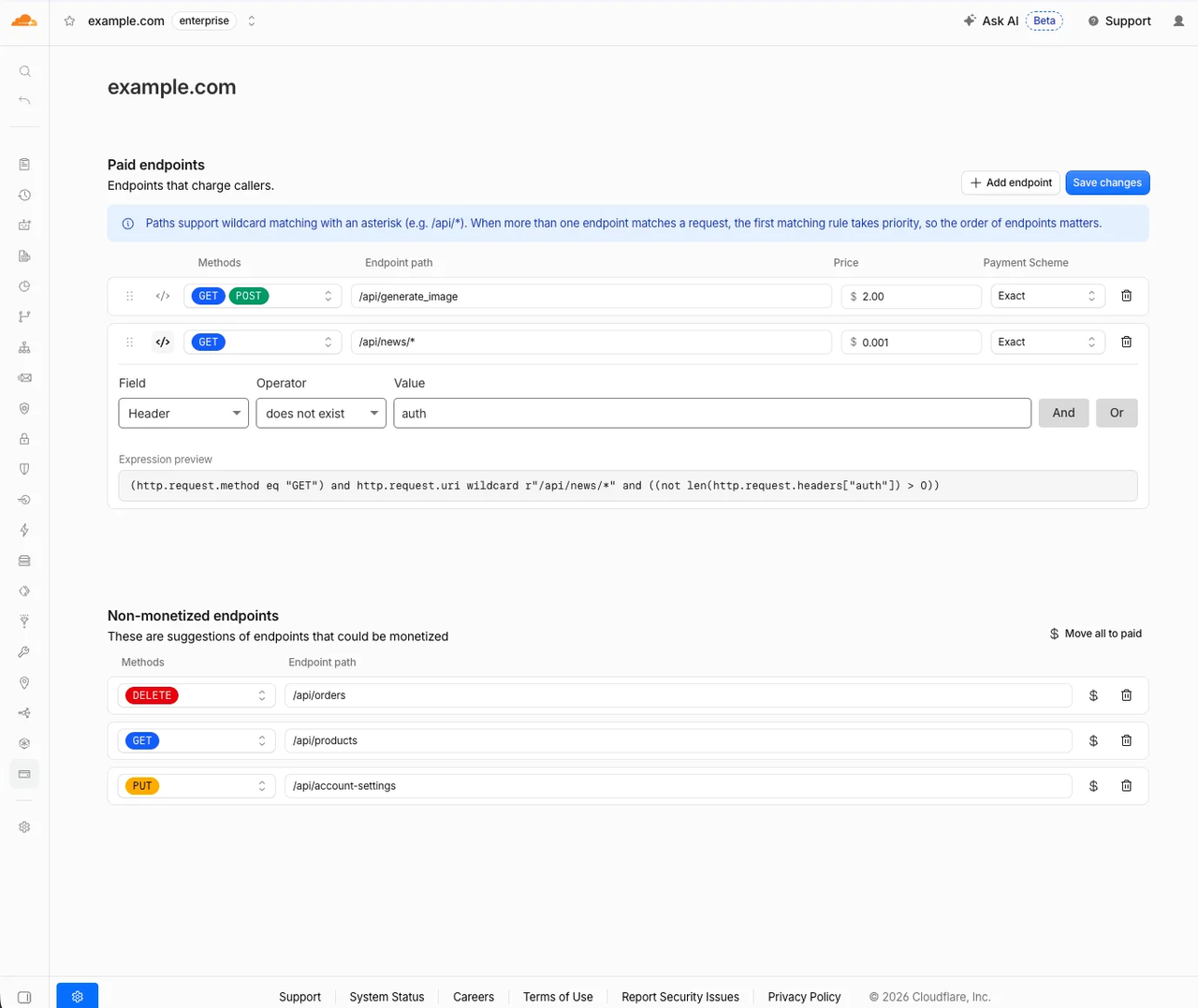
Those initiatives show that machine-readable access and payment are being tested. They do not prove that a brand’s customers, suppliers, or current software can use the same flow.
Prepare Your Offers, Data, and Workflows
Preparation starts with one service that already has stable delivery steps. If every project is priced, reviewed, and accepted differently, an agent cannot repair that operating ambiguity.
Use an agent-ready request record to expose the decisions a person currently keeps in email or memory:
Request field | Question it must answer |
Service and version | What exactly is being requested? |
Included deliverables | Which files, actions, or outcomes belong in scope? |
Required inputs | What must the buyer provide before work starts? |
Price and budget limit | What may the agent approve, and up to what amount? |
Data boundary | Which records may the agent or supplier access? |
Human approval | Which action cannot continue automatically? |
Exception state | What pauses or rejects the request? |
Acceptance evidence | What proves the agreed work was delivered? |
Handoff owner | Who receives files, access, and unresolved issues? |
This is a SpringBrand editorial framework, not an official payment or contracting standard.
Make service scope easier to describe
Give each offer a plain name, current version, included work, exclusions, required inputs, delivery format, and revision boundary. Separate optional work from the base scope.
Avoid using a result such as “grow our audience” as the deliverable. The supplier can deliver an audit, campaign brief, asset set, or configured workflow. Growth depends on later decisions and conditions outside that file.
Decide what agents may access
List the minimum records and systems needed for the request. Give the agent a dedicated identity where the platform supports one. Do not let it inherit an owner’s full account by default.
NIST’s current agent identity and authorization project highlights least privilege, delegated authority, revocation, and audit records as active design questions. A small team can apply those questions before choosing a technical standard.
The access plan should identify who grants permission, who reviews activity, and who removes access after delivery. It should also name the data that must never enter the workflow.
Add approval points for paid actions
Set a transaction limit, approved supplier boundary, valid period, and backup approver. Keep the service request, approval, payment record, receipt, and delivery evidence connected.
Test a rejected path before enabling live purchasing. An expired approval, changed price, or missing deliverable should pause the request. A successful payment demo cannot prove that those controls work.
How to Choose Partners for Agent-Ready Operations
Choose a partner for the gap the business actually has. One provider may structure the service catalog. Another may configure identity, data access, payments, or monitoring. A managed-service partner may operate the workflow after launch.
Ask candidates to mark what is live, what depends on third-party infrastructure, and what remains proposed. Cloudflare, for example, documents current x402 support while describing other monetization work as experimental or announced. A partner should preserve those distinctions.
Compare the ownership model as carefully as the demonstration. The business should control production accounts, approval rules, exportable records, and the offboarding process. The contract should identify who fixes failed integrations and who responds when an automated request falls outside scope.
How SpringBrand Fits This Workflow
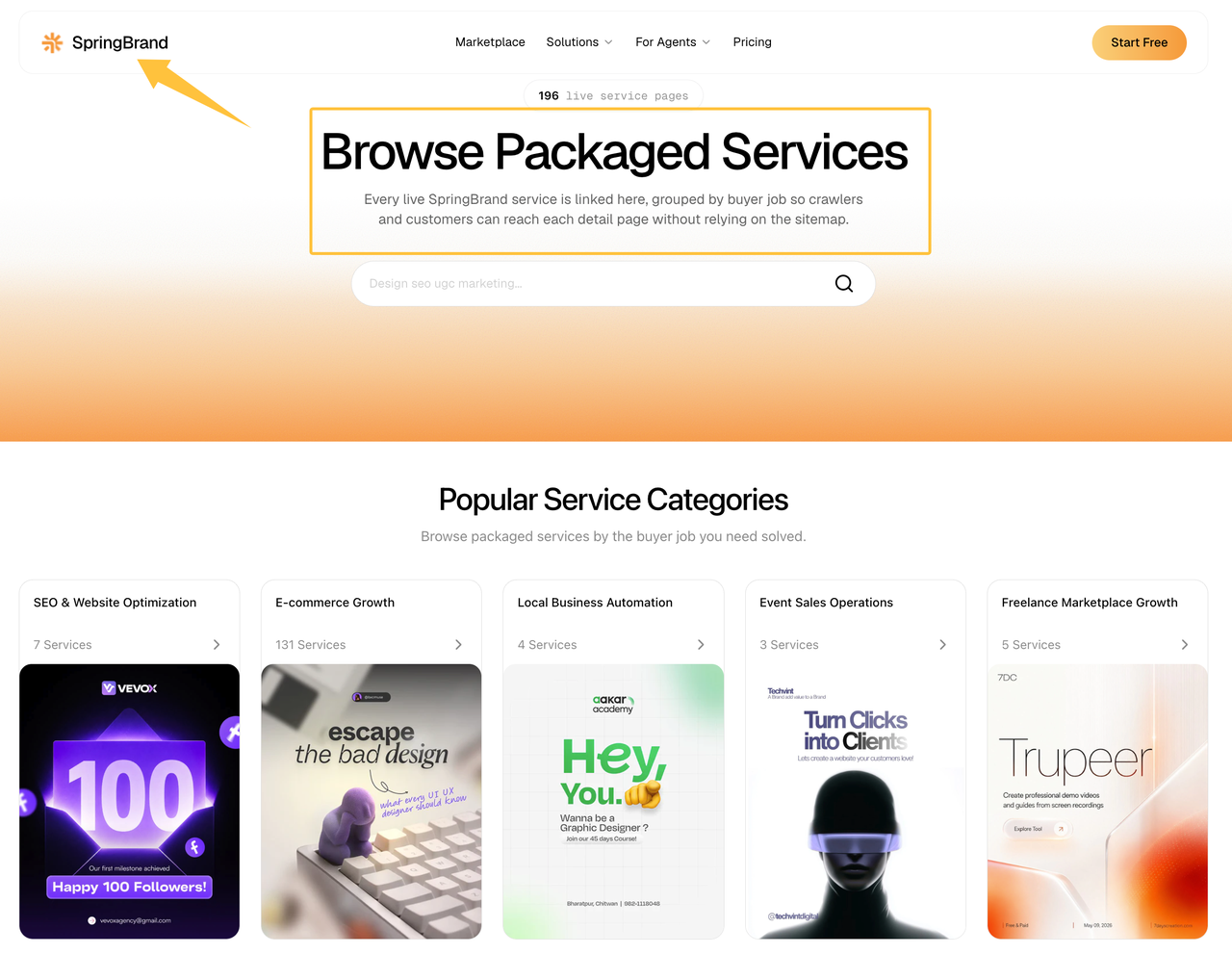
SpringBrand publishes this article and operates the marketplace linked here. It helps buyers describe work and compare independent service options; it does not guarantee agent readiness or delivery.
When the request record is complete, compare third-party services against the defined scope and handoff requirements.
FAQ
The following answers provide general operational information, not legal, tax, or financial advice. Review each decision under the applicable contract and regional rules.
What contract exceptions should block agent-initiated work?
Block the request when the price, scope, supplier, data use, jurisdiction, or delivery terms fall outside the approved record. Also stop when a required consent or human approval is missing. The contract should identify which exceptions require a new authorization rather than an automatic retry.
How should a dispute be escalated outside automation?
Freeze further automated actions and preserve the request, approval, messages, payment evidence, and delivery record. Route the issue to a named business owner and the contractual notice channel. Do not let the same agent approve a refund or settlement unless that authority was explicitly reviewed.
Can agent-ready services still require a human kickoff call?
Yes. A kickoff can remain mandatory when judgment, sensitive context, or several stakeholders affect delivery. The agent may schedule the call and prepare the brief. The service record should state that work begins only after the named person confirms the final scope.
What should happen when a region restricts automated buying?
The workflow should block affected transactions and route them to a qualified reviewer. Do not infer permission from the agent’s technical ability to pay. Record the buyer, seller, service location, payment route, and rule version used for the decision before restoring access.
Can legacy suppliers stay outside an agent-ready workflow?
Yes. Keep a documented manual route when a reliable supplier cannot support structured requests or automated payments. Use the same scope and acceptance fields where practical. A business should not replace a suitable supplier merely to make every transaction follow one technical pattern.
Conclusion
The agent economy does not require a small business to automate every purchase. It requires clearer services, narrower permissions, explicit approvals, and records that survive a vendor change.
Prepare one stable service first. If an agent cannot explain what it may request, when it must stop, and who accepts the work, the workflow is not ready to spend.
Recommended Reads
Explore SpringBrand
Turn ideas into working workflows
Connect agents, APIs and tools in one workspace. Start with a task you want to get done.
Get started free
One account. 10,000+ APIs & capabilities
Give your agent APIs and plugins without separate keys or integrations for every provider.
Explore APIs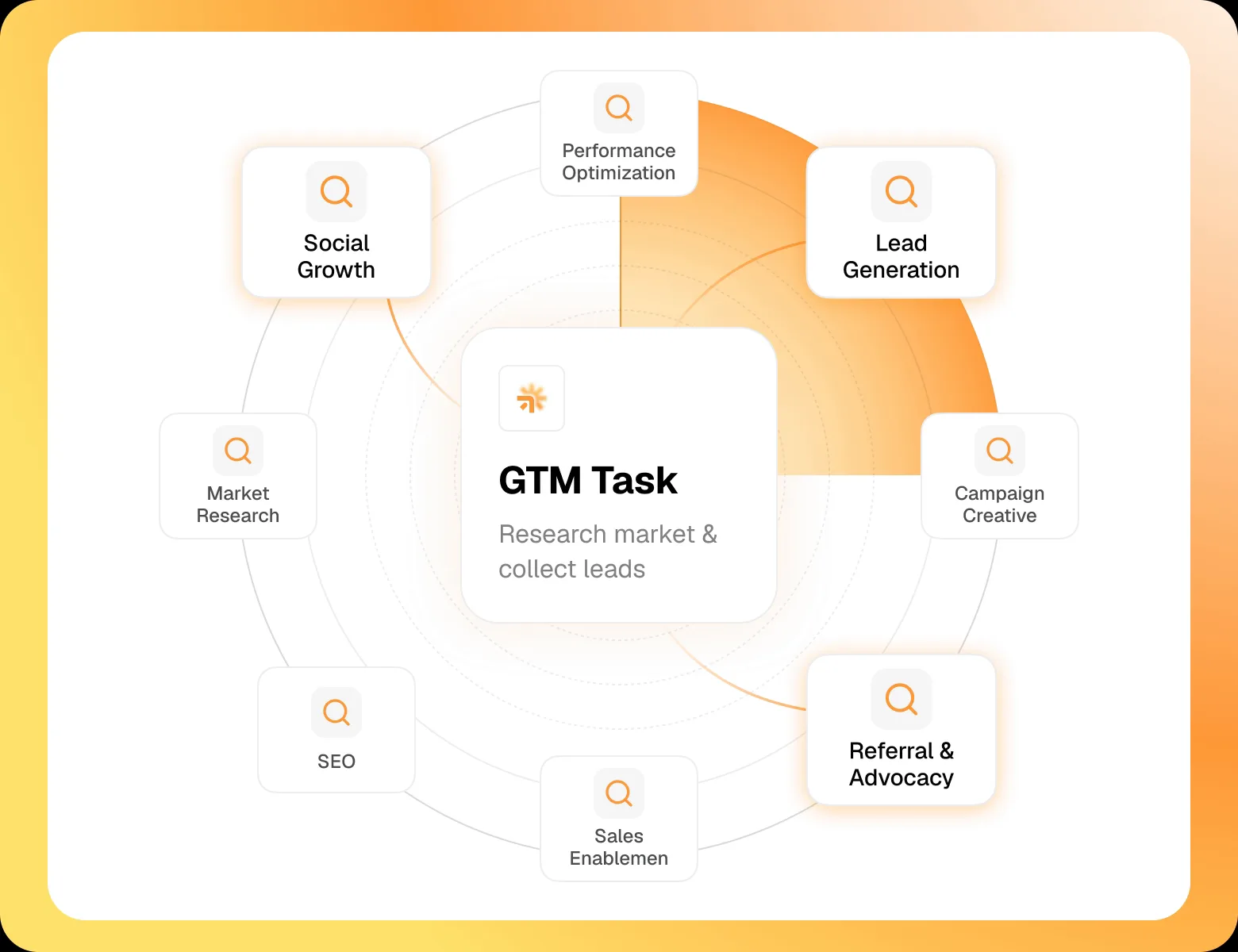
No tool expertise needed
Describe your GTM task. SpringBrand chooses the right APIs and plugins for your agent automatically.
Find tools for your task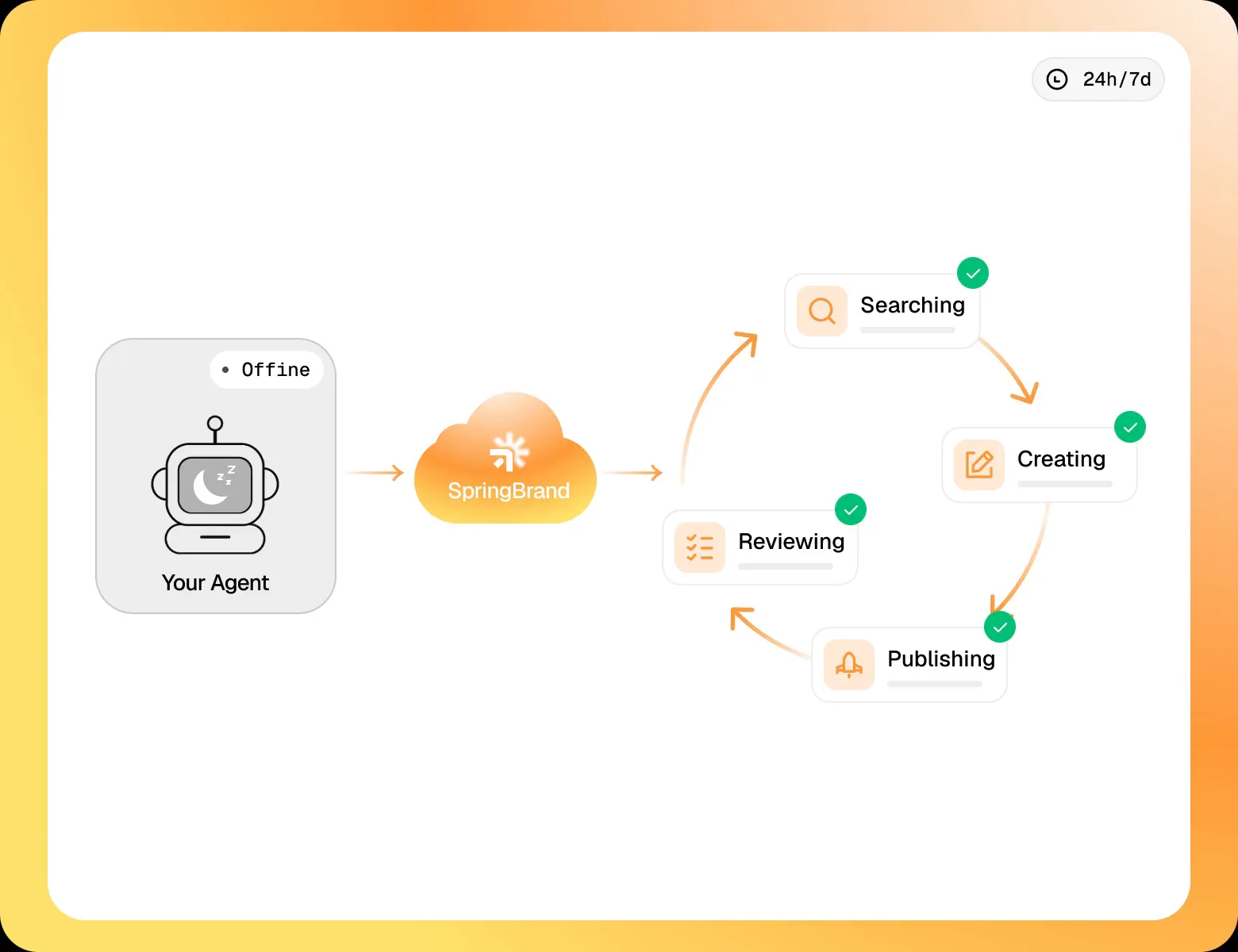
Run tasks 24/7
Connect your agent to SpringBrand to keep tasks running automatically, day and night.
Connect your agent