Skydive AI Review for Small-Business SEO Operations

Written by
Springbrand Editor Team
Editorial team
Springbrand Editor Team creates and maintains blog guides on AI tools, automation, marketing, and agent workflows.

Reviewed by
Springbrand Audit Team
Editorial review team
Springbrand Audit Team supports editorial quality through source checking, clarity, and consistency across the blog.
Updated
Published
This Skydive AI review assesses one small-business SEO workflow: opportunity discovery, draft staging, monitoring, and the human review still required.
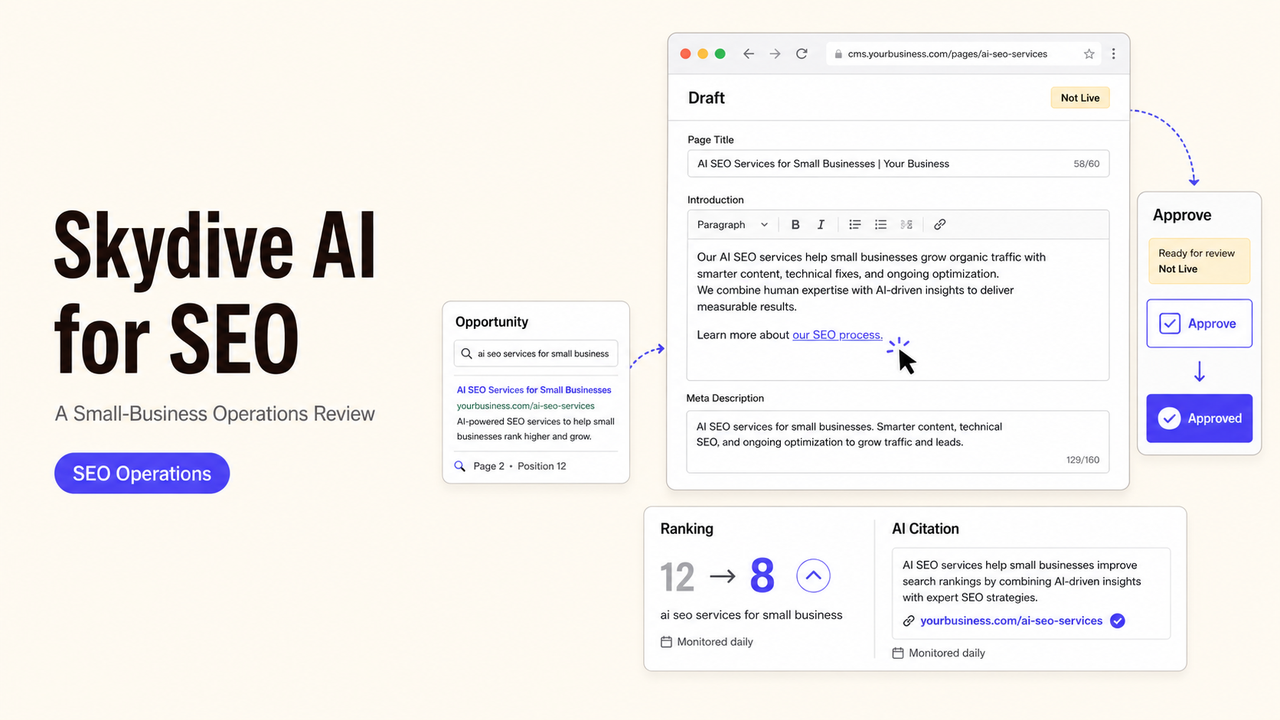
Three records sit beside a staged article: the opportunity note, the CMS preview, and the first monitoring snapshot. If they name different target queries, the pipeline has moved faster than its evidence.
This Skydive AI review examines one documented small business SEO workflow. It is based on Skydive’s public pages checked August 30, 2026. I did not access an account or run the workflow.
Quick Fit Summary
Skydive may fit a team with a stable content process, connected tools, and a person ready to approve every publication. Its official SEO and AEO page describes agents that find opportunities, draft content, stage it in a CMS, and monitor rankings and AI citations.

That supports the advertised role for AI SEO agents, not independent proof of content quality or search performance. The fit is weaker when the business lacks an approved voice, reliable sources, clear CMS permissions, or an owner for SEO decisions.
Review Scope: One SEO Content Pipeline
This review follows one path from opportunity record to monitoring. It does not assess Skydive’s sales, engineering, inbox, or general operations features.
Opportunity Discovery and Briefing
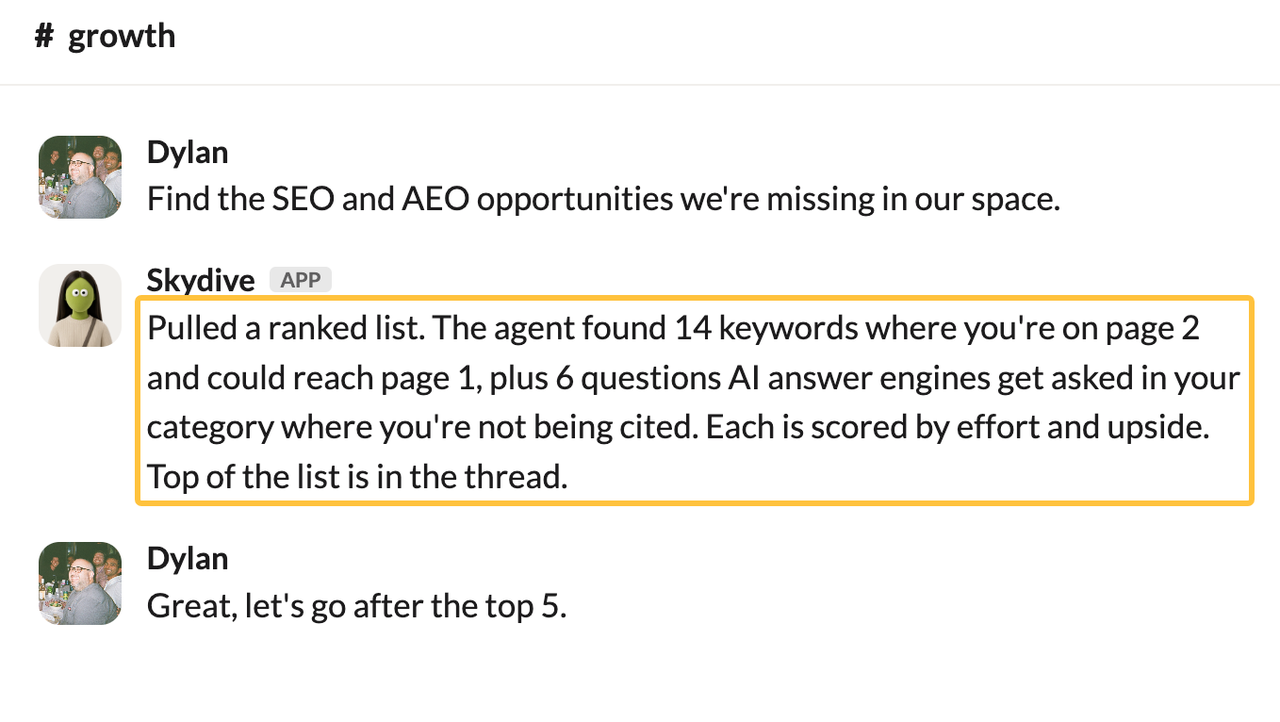
Skydive says its agents can research search opportunities and rank them by effort and upside. The public page does not explain a universal scoring method or provide source-level lineage for every recommendation.
A usable opportunity record should preserve the query, country, language, search surface, source URL, observation date, affected page, and proposed action.
Drafting and CMS Staging
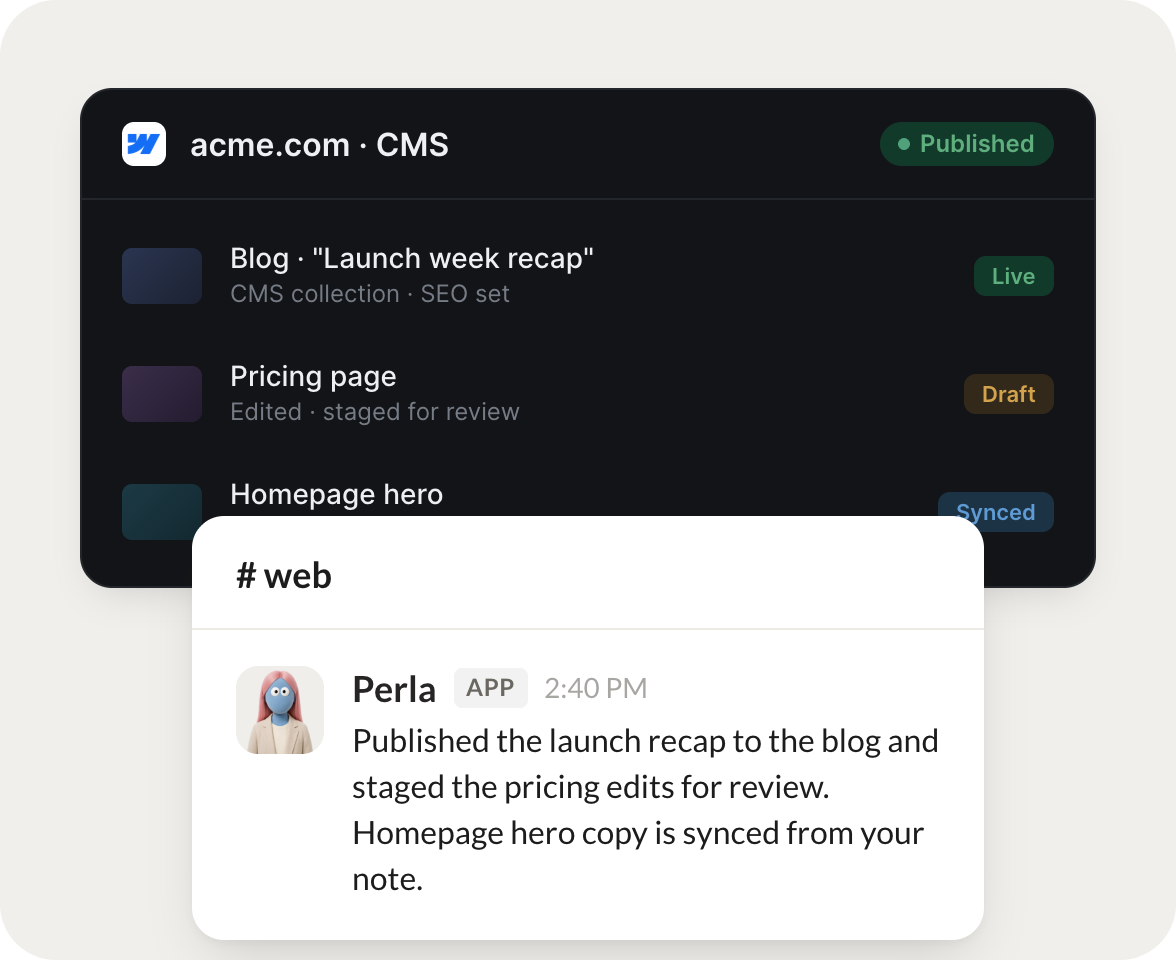
The SEO page says content can be prepared from existing brand material and staged in a CMS for review. Skydive’s Webflow integration page separately shows agents creating CMS items and setting SEO fields.
Confirm the actual CMS, fields, roles, and publish permissions during a pilot. Draft access and live publishing access should be separate. The agent should stop when a required source, claim approval, or destination field is missing.
Performance Monitoring
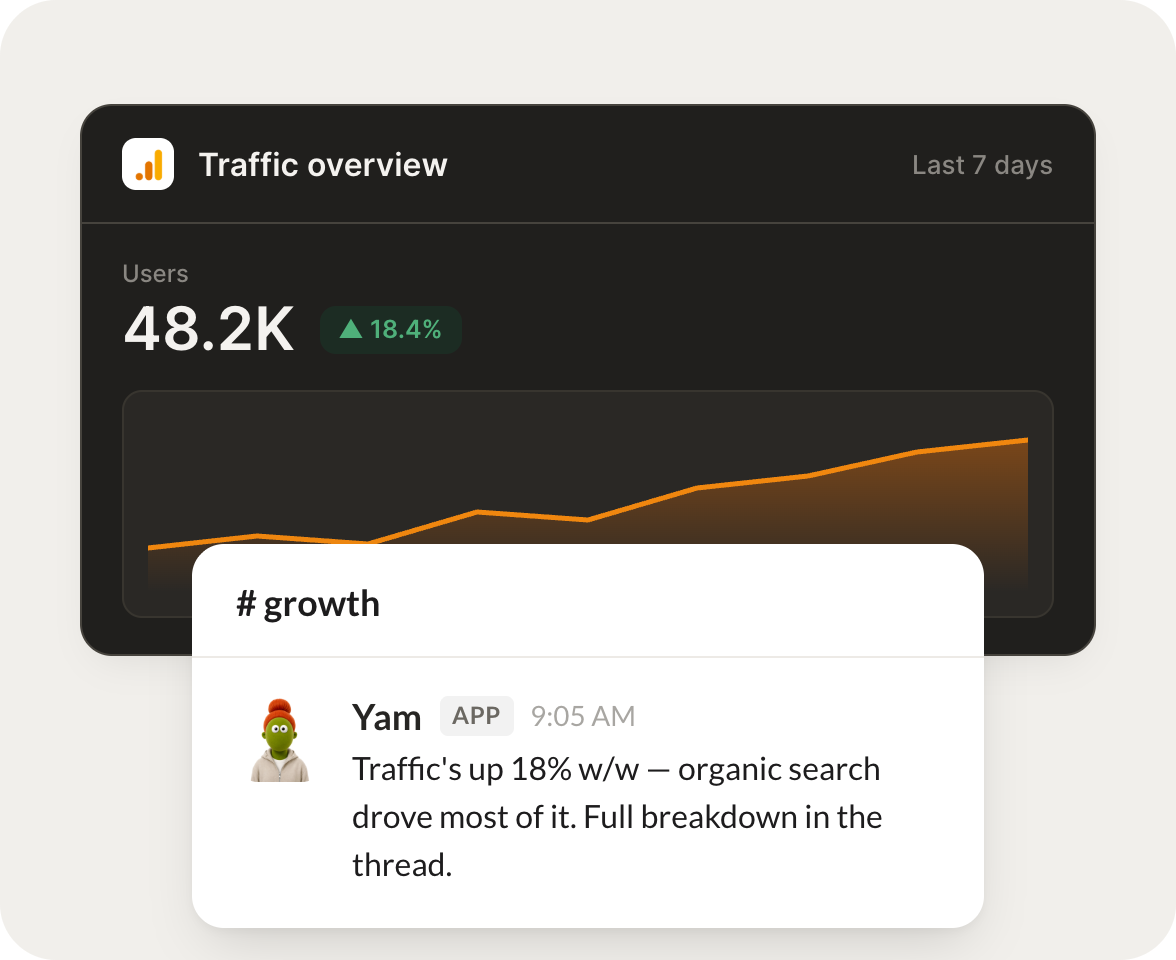
Skydive advertises scheduled monitoring for rankings and AI citations. Its Google Analytics integration says an agent can read sessions, users, traffic sources, and date comparisons.
Monitoring still needs a baseline and fixed query set. A ranking change, citation observation, or traffic movement does not by itself prove that the staged article caused the result. Keep observations separate from causal conclusions.
Where the Workflow Needs Review
Use a pipeline evidence chain to test whether the same decision survives every step:
Stage | Evidence to preserve | Human check |
Opportunity | Query, source, date, page | Is the opportunity real and relevant? |
Brief | Intent, audience, claims, exclusions | Is the proposed page worth creating? |
Draft | Sources, changed claims, internal links | Are facts and voice acceptable? |
CMS stage | Preview URL, fields, permissions | Is the correct version ready? |
Monitoring | Baseline, query set, observation date | What changed, and what remains unknown? |
This is a SpringBrand editorial framework, not a Skydive or Google standard.
Factual Accuracy and Brand Judgment
AI content operations can carry a source into the first brief and lose it during rewriting or handoff. Skydive’s collaboration page says context follows work between agents. It does not specifically document citation preservation between SEO specialists.
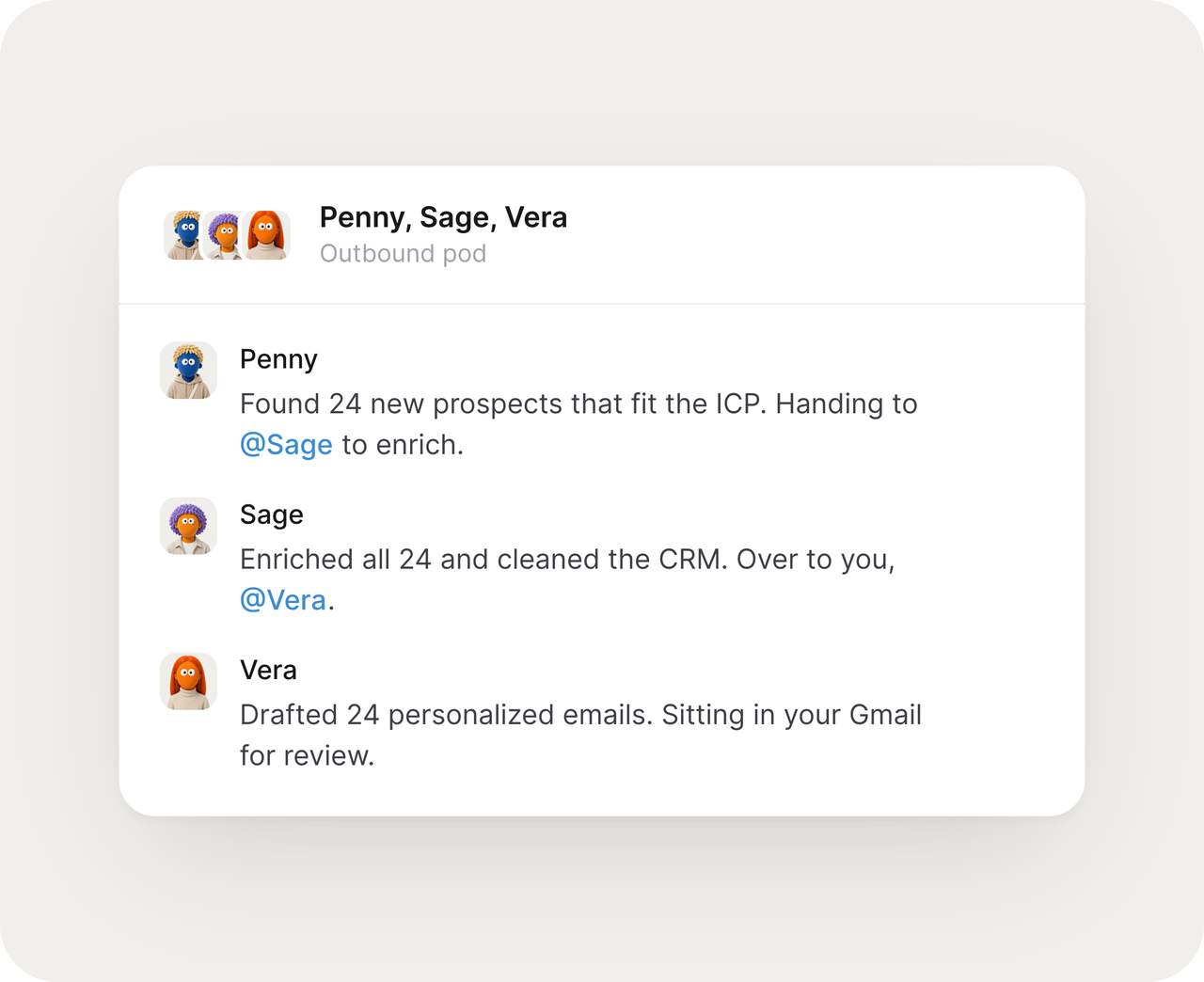
Run a negative test with one required source and one unsupported claim. The final draft should retain the source, flag the bad claim, and show which agent handled each stage. If the record cannot explain the result, keep the finding unresolved.
Publishing Approval and Accountability
One person should approve the exact CMS preview. That person needs authority to reject the draft, remove access, and reverse an unintended publication.
Skydive’s security page describes private, internal, and external agent visibility plus audit logs. Buyers should verify which controls their selected plan exposes and whether those logs cover every CMS action needed for acceptance.
When to Hire an SEO Specialist
Hire specialist help when the problem is not a repeatable content handoff. Examples include unexplained traffic loss, indexing conflicts, a migration, template-wide changes, regulated claims, or disagreement about search intent.
An SEO specialist can validate the opportunity, inspect technical dependencies, and decide which changes deserve implementation. Skydive SEO automation may then support recurring execution, but it should not inherit strategy by default.
Turn the Decision Into a Service Brief
State the site, audience, countries, CMS, analytics tools, approval owner, and one target workflow. List the required evidence at each stage. Add permissions, excluded actions, acceptance tests, rollback, and account handoff.
Test one article before expanding. Seed the brief with a known query, approved source, prohibited claim, and missing-field trap. Compare the final CMS draft and monitoring record with those inputs.
SpringBrand publishes this article and operates the marketplace linked here. If specialist review or execution lacks an owner, compare independent SEO services against the documented workflow.

FAQ
Can Skydive identify which agent consumed each cited SEO source?
Skydive documents action timelines and auditability, but its public SEO materials do not confirm source-by-source consumption records for every specialist. Ask for a pilot export showing the source URL, consuming agent, timestamp, and resulting draft change before treating that lineage as available.
Do Skydive handoff logs reveal where keyword context was lost?
The collaboration page says context travels with a handoff. It does not document a field-level comparison between agents. Seed the opportunity with a distinctive target query and intent note, then inspect each timeline stage to locate the first changed or missing value.
Can one Skydive SEO agent team remain private from coworkers?
Skydive documents a private visibility setting for individual agents. Confirm that every specialist, channel, routine, and shared handoff in the proposed SEO team remains under that boundary. One internal agent could otherwise expose context to validated workspace members.
Does Skydive preserve source citations between specialist agent handoffs?
The public collaboration page promises shared context, not citation-level preservation. Test with a required source, a quoted fact, and a handoff between two agents. Accept the workflow only if the final draft and activity record retain the correct source relationship.
Can Skydive separate client histories inside one shared SEO workspace?
Skydive says agent memory is shared with people who use that agent, while workspace data is separately tenanted. The public pages do not establish per-client history partitions inside one workspace. Agencies should verify the architecture and consider separate private agents or workspaces for sensitive client contexts.
Conclusion
This Skydive AI review finds a plausible documented fit for opportunity discovery, draft staging, and monitoring. It does not establish that the pipeline preserves evidence or produces publishable SEO work without review.
Start with one article and inspect every handoff. Expand only when the CMS draft, activity trail, and monitoring record all point back to the same approved decision.
Recommended Reads
Explore SpringBrand
Turn ideas into working workflows
Connect agents, APIs and tools in one workspace. Start with a task you want to get done.
Get started free
One account. 10,000+ APIs & capabilities
Give your agent APIs and plugins without separate keys or integrations for every provider.
Explore APIs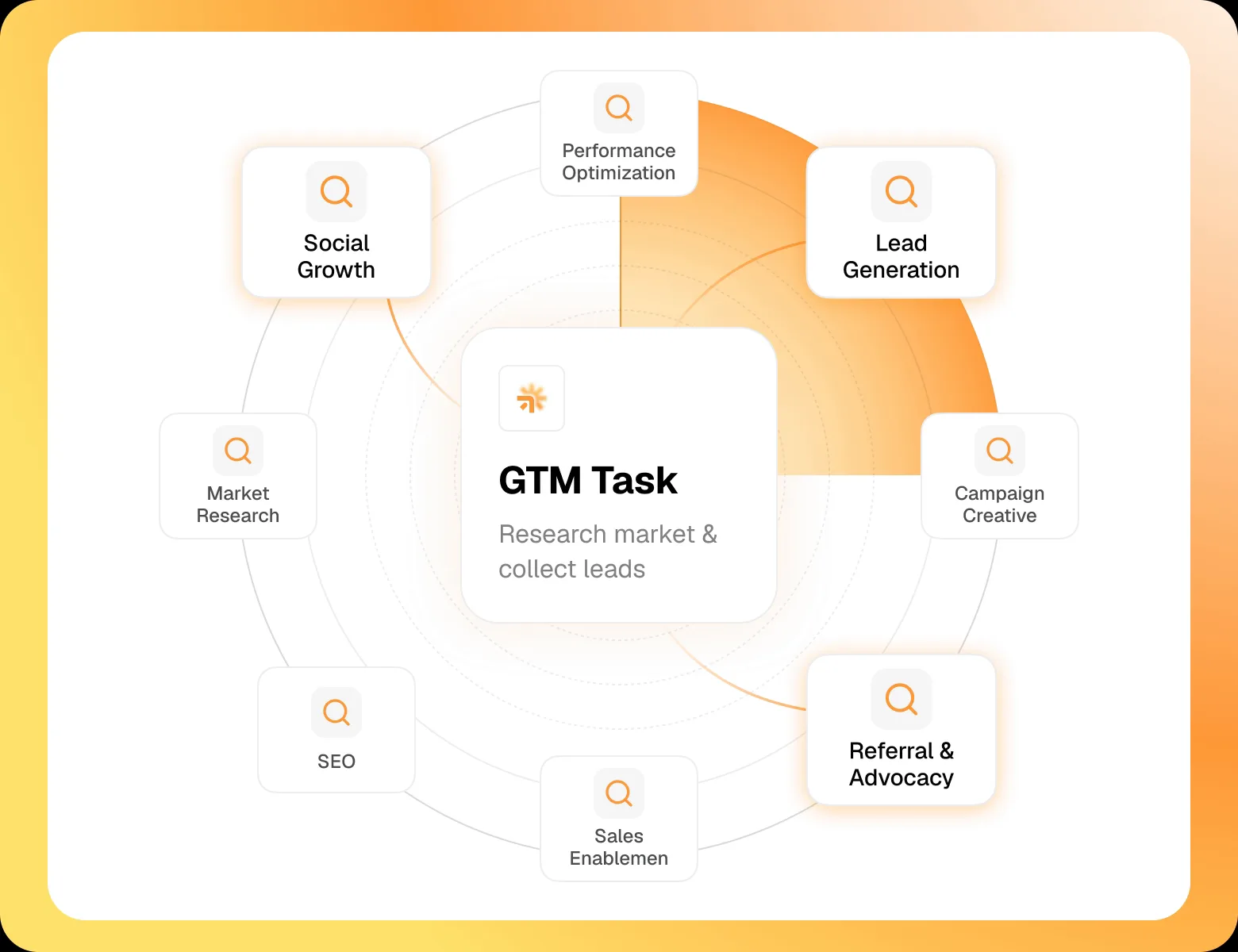
No tool expertise needed
Describe your GTM task. SpringBrand chooses the right APIs and plugins for your agent automatically.
Find tools for your task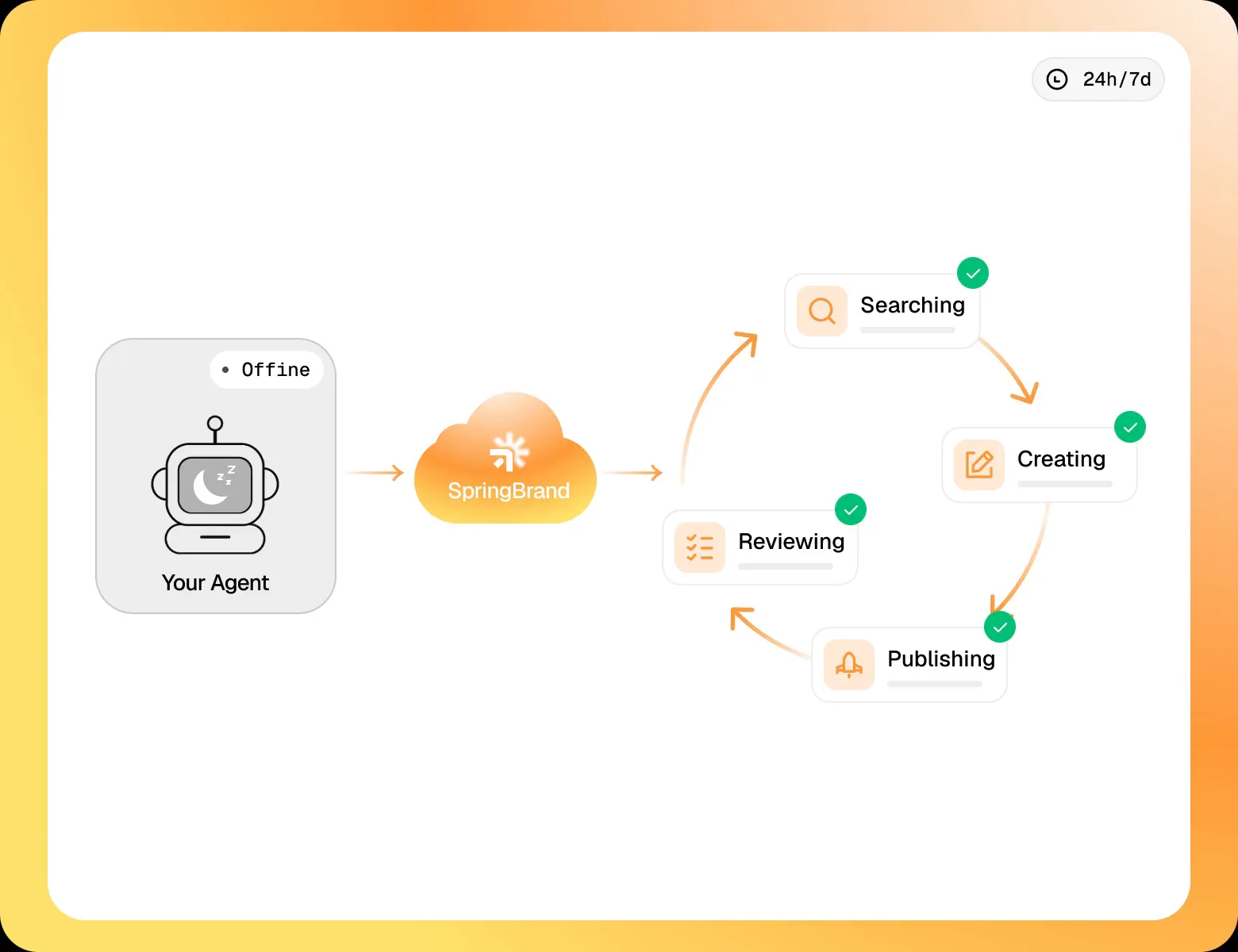
Run tasks 24/7
Connect your agent to SpringBrand to keep tasks running automatically, day and night.
Connect your agent