AI BDR for Small Business: Tasks and Human Handoffs
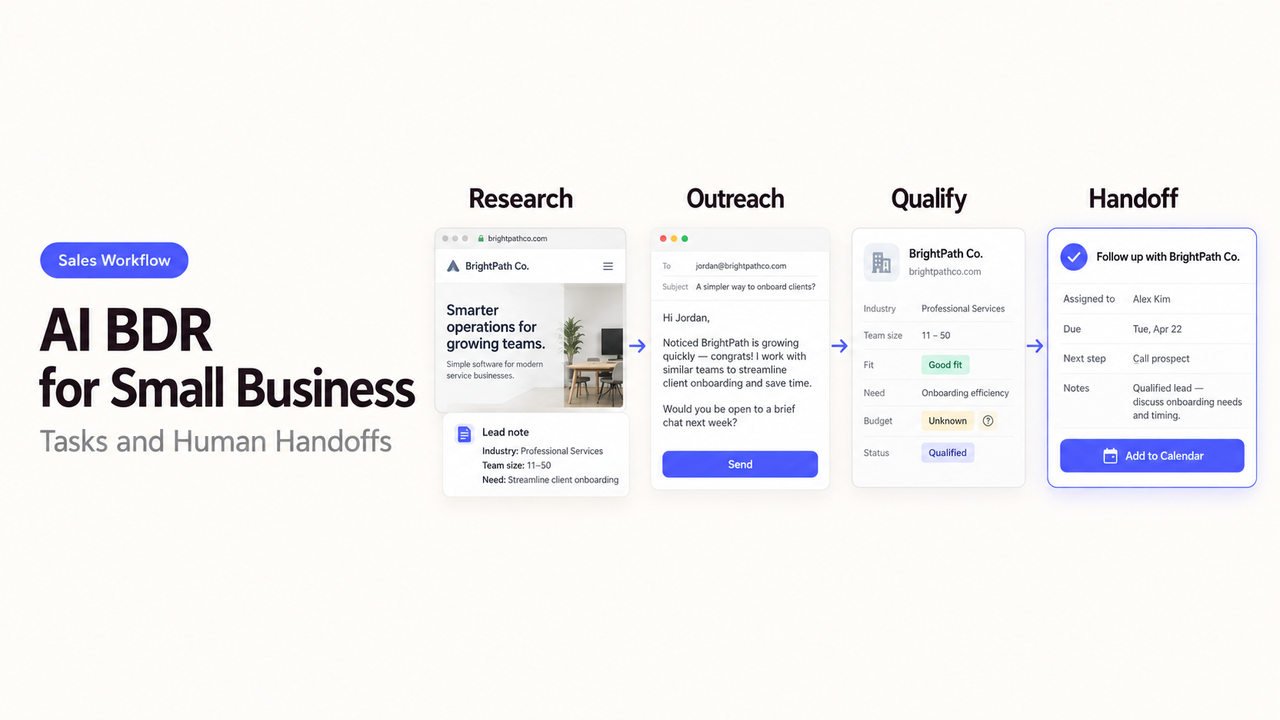
An AI BDR can support research, qualification, outreach drafts, follow-ups, and CRM updates when small teams define approval and human handoff rules.
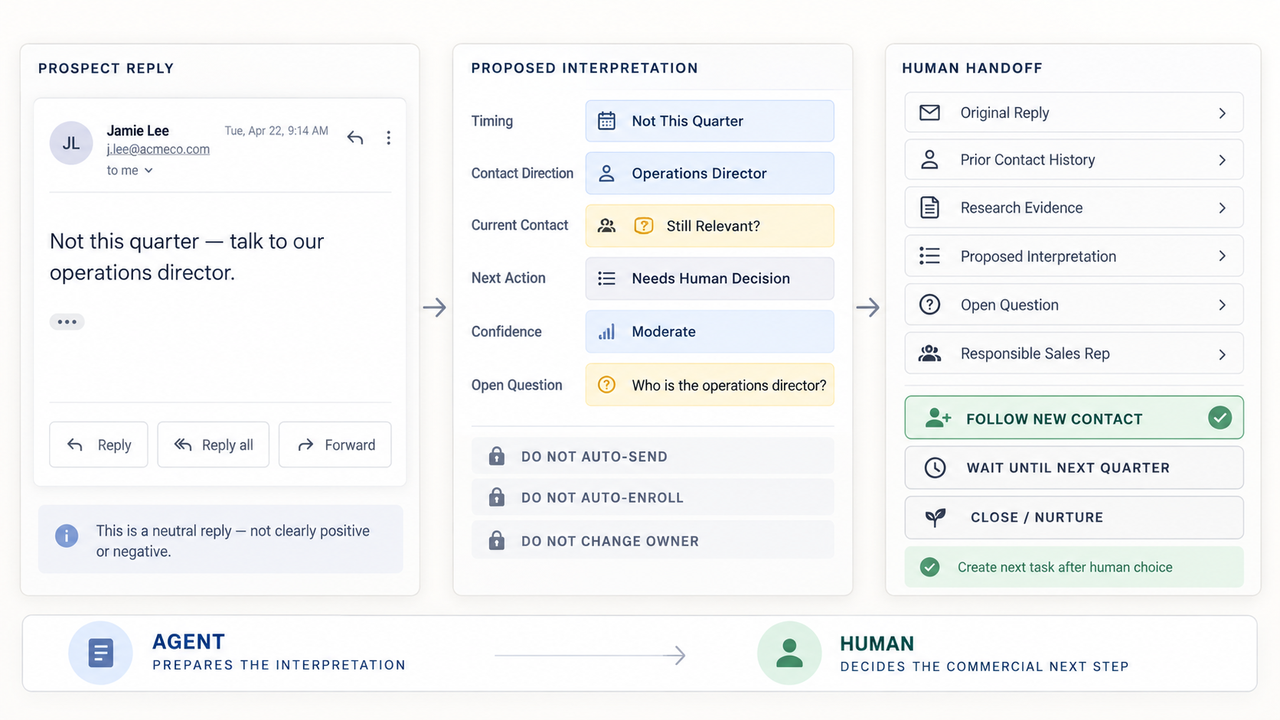
A prospect replies, “Not this quarter—talk to our operations director.” That is not simply a positive reply, a rejection, or permission to schedule another message. Someone must decide what the prospect meant and who should act next.
I’m Alex. An AI BDR is most useful before that decision: gathering evidence, proposing a route, preparing a draft, and leaving the human owner enough context to continue. It should not quietly turn an uncertain signal into an external action.
This guide uses current public documentation checked on September 18, 2026. It describes a bounded operating role, not a hands-on product test or a promise that AI can replace a business development representative.
What an AI BDR Can and Cannot Own
An AI business development representative can prepare repeatable top-of-funnel work. That may include account research, proposed qualification, outreach drafts, follow-up tasks, and suggested CRM changes.
Preparation is different from commercial authority. The sales owner decides whether an account fits, a claim is appropriate, or a message should leave the company. Unusual replies may also need executive attention.
Use a responsibility card for each task:
Field | Required answer |
Input | Which approved records and sources may the agent use? |
Proposed output | What recommendation, draft, or change should it prepare? |
Human checkpoint | Who approves the next consequential action? |
System write | Which fields may change after approval? |
Exception owner | Who receives uncertainty, conflict, or failure? |
If the team cannot complete this card, the task is not ready for an AI sales agent.
Choose BDR Tasks With Clear Inputs and Outcomes
Start with work a sales representative can inspect quickly. The output should be useful even when the person rejects the recommendation.
Account and Contact Research
Give the agent a defined question: confirm the company’s industry, operating region, relevant role, or a stated business initiative. Specify approved data sources and the maximum age of time-sensitive facts.
Every research claim should carry a source URL, retrieval date, and quoted or captured evidence where permitted. “Company is expanding” is not usable without showing what public information supports it. If two sources disagree, retain both and ask for review.
Do not infer a person’s private characteristics or collect data simply because it is available. Limit the record to information needed for the approved sales purpose and follow the organization’s data policies.
Lead Qualification and Routing
Translate the qualification model into visible fields. Required region, company type, requested service, existing relationship, and missing information are easier to review than a single “good lead” score.
The agent may propose qualified, not currently eligible, or needs review. A human should own strategic exceptions, high-value accounts, conflicting data, and any decision that could exclude a legitimate opportunity.
Record the values behind the route. A label without its supporting fields cannot be audited or corrected later.
Outreach Drafts and Follow-Up Preparation
Drafting is a sensible starting task because a person can compare the message with the approved brief before it leaves the business. Provide the audience, purpose, permitted claims, evidence, language, tone, and prohibited topics.
The agent can prepare a subject line, message, and suggested next date. It should not invent familiarity, customer results, mutual contacts, or urgency. A follow-up should reflect the latest reply and current suppression state, not merely the next timer in a sequence.
CRM Updates and Task Creation
Let the agent propose field-level changes before granting write access. Show the current value, proposed value, source, timestamp, and reason.
Low-risk task creation can follow an allowlist: assign a review task, attach the research packet, and set a due date. Account ownership, lifecycle stage, contact deletion, and sequence enrollment need stronger checks because they change how other people and systems behave.
Keep Humans in External Communication and Exceptions
The human handoff is not a fallback after the agent fails. It is a planned stage for work that carries commercial judgment, relationship context, or uncertain evidence.
Approve Messages Before They Are Sent
The approver should see the recipient, data source, draft, selected claims, personalization evidence, suppression status, and next scheduled action. Approval applies to that message and recipient—not every later variation.
Separate draft permission from send permission. Even when a platform credential technically supports both, the agent should have access only to the action required for its current role.
Escalate Ambiguous or High-Value Opportunities
Create clear escalation reasons: decision-maker changed, competitor mentioned, procurement requested, negative sentiment, conflicting identity, or account value above the team’s threshold.
The handoff packet should contain the original reply, prior contact history, evidence used, proposed interpretation, open question, and responsible salesperson. “Human review needed” is not enough if the reviewer must reconstruct the conversation.
Build a Bounded AI BDR Workflow
Begin with one segment and one outreach motion. The trigger might be an approved account entering a research queue.
The agent gathers permitted evidence, returns structured research, and proposes qualification. A sales owner accepts or corrects the route. For accepted leads, the agent prepares a draft and follow-up plan. A person approves the message, after which the system records the decision and creates the next task.
HubSpot’s current sequence documentation can pause a sequence until a manual task is completed. Verify equivalent behavior in the chosen platform.
Before any later step, recheck contact identity, suppression status, sequence state, and new replies. Stop on missing evidence, duplicate records, changed ownership, opt-out signals, or tool failure. The exception should reach a named person without sending or overwriting anything.
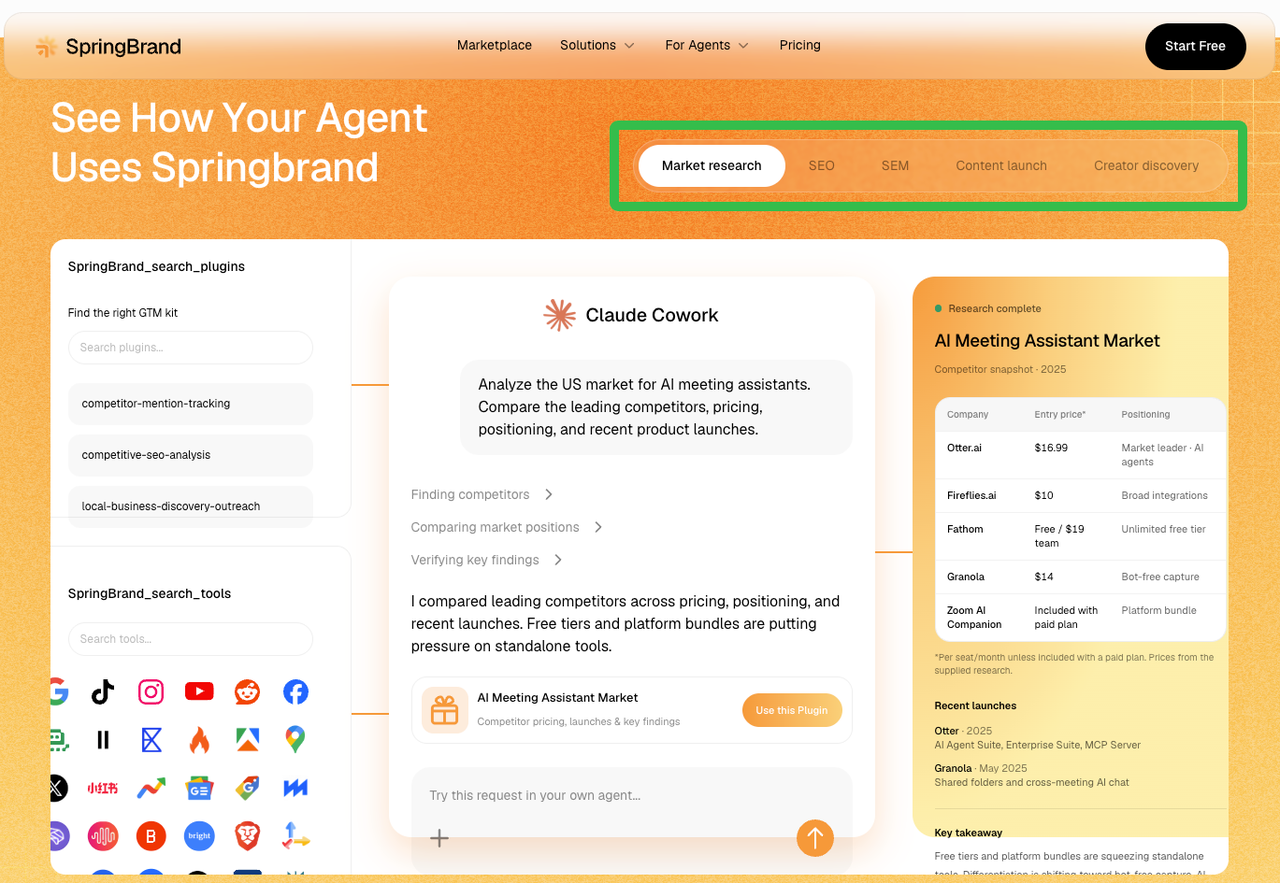
If this role later needs connected capabilities, review SpringBrand’s current plugin marketplace only after confirming the exact action, permission, and data boundary. This article does not establish that a specific CRM, prospecting, or email plugin is available.
Measure Pipeline Quality Before Scaling
More researched contacts or drafted messages do not prove pipeline value. Track accepted qualification, rejected recommendations, duplicate rate, source completeness, message edits, human review time, replies requiring correction, meetings accepted by sales, and CRM reversals.
Review false positives and false negatives separately. A noisy queue wastes sales time; a missed suitable account hides opportunity. Compare results by segment and outreach motion before increasing volume.
Common Failure Modes for Small Teams
The most common failure is a role that grows through convenience. Research access becomes CRM write access, drafting becomes sending, and follow-up preparation becomes automatic enrollment without a new approval decision.
Other failures include stale sources, duplicate contacts, invented personalization, and qualification rules that exclude exceptions. Sequences may continue after a meaningful reply, while lower-quality data overwrites CRM fields.
Small teams also underestimate review load. If every draft needs major rewriting, the agent has moved the work rather than reduced it. Narrow the segment, improve the brief, or remove the task from the role.
FAQ
Can an AI BDR show the source behind each research claim?
Yes, if the research tool returns source details and the workflow requires them in its structured output. Store the URL, retrieval date, relevant evidence, and the claim it supports. A polished summary without traceable evidence should enter review, not qualification.
How should an AI BDR handle duplicate contacts across data sources?
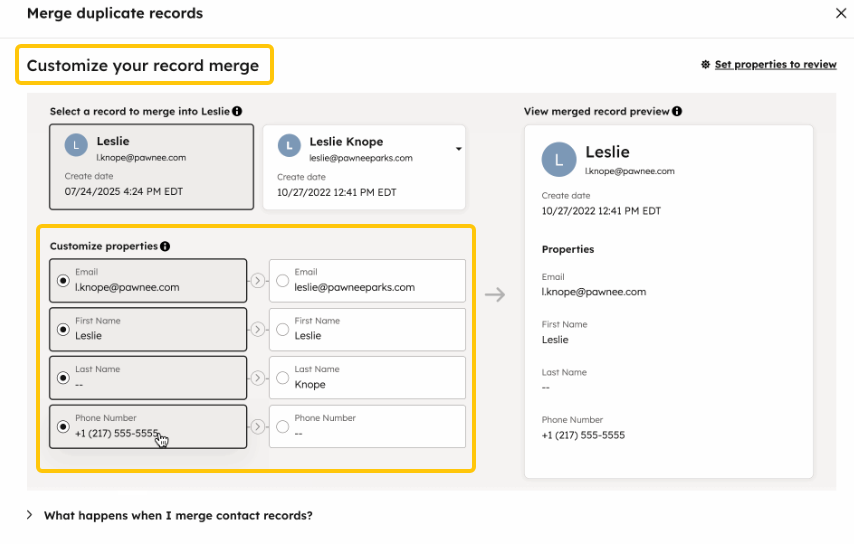
It should flag likely duplicates and avoid creating or merging records automatically. Compare stable identifiers, email addresses, company relationships, activity history, and conflicting fields. HubSpot’s current record-merging guidance says a merge combines activities, associations, and most properties. A human should therefore review the surviving record and field effects.
What happens to scheduled follow-ups when a sales sequence is paused?
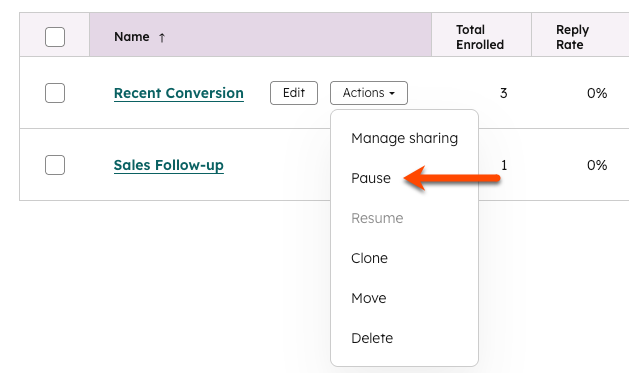
The behavior depends on the platform and who enrolled the contact. HubSpot’s current sequence pause documentation says the pause applies to contacts enrolled by that user. After resumption, the remaining delay continues. Record the platform state rather than assuming “paused” cancels every future step.
Can an AI BDR prepare outreach in more than one language?
Yes, but each language needs an approved brief, terminology, evidence, examples, and a qualified reviewer. Translation alone does not preserve market fit, formality, claims, or local outreach requirements. Keep automatic sending disabled until the localized route has been reviewed.
How should an AI BDR apply suppression and do-not-contact rules?
Check the authoritative suppression source before drafting, before enrollment, and again before sending. Stop on any conflict or opt-out signal, and record which rule blocked the action. For U.S. commercial email, the FTC’s current CAN-SPAM compliance guide describes opt-out and sender duties; other locations and channels may impose different requirements. This is general operational information, not legal, privacy, or compliance advice.
Conclusion
An AI BDR should make early sales work easier to inspect, not make outreach harder to control. Give it bounded research, qualification proposals, drafts, task preparation, and reversible CRM suggestions.
Keep external communication, high-value opportunities, ambiguous replies, suppression decisions, and consequential writes with named people. The quality of that handoff matters more than the number of activities the agent can generate.