Google Business Profile Optimization Services: A Guide
Google Business Profile optimization services: understand scope, deliverables, access, reporting, and vendor questions before choosing a provider.
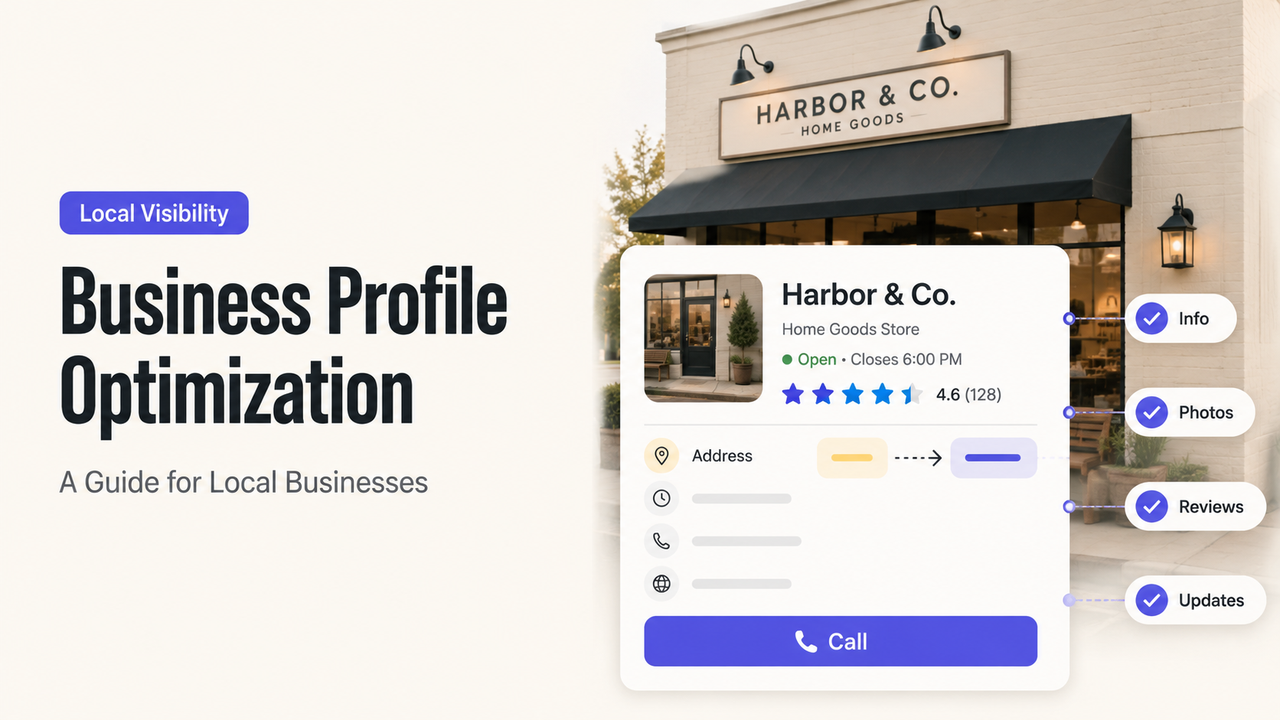
Picture a local business about to sign a management proposal when the provider asks for Owner access and promises weekly posts, review replies, and “better rankings.” The activity list looks busy, but it never says which edits need approval, who keeps primary ownership, or what record the business receives after each change. This guide helps you compare Google Business Profile optimization services by scope, access, reporting, and exit terms before another user is added to the profile. I’m Alex: business-controlled ownership is my first acceptance test, not a detail to settle after kickoff.
Quick Verdict: What the Service Should Deliver
A useful service leaves the profile more accurate, more manageable, and easier for the business to audit. It cannot guarantee verification, reinstatement, visibility, or a position in local results.
At minimum, ask for these deliverables:
Deliverable | What it should contain | Acceptance evidence |
Baseline record | Live profile URL, profile ID where available, fields, photos, access list, and visible issues | Dated screenshots or export |
Policy and eligibility review | Location type, ownership, duplicates, name, address or service area, and category risks | Issue list linked to current Google guidance |
Approved field plan | Proposed old and new values, reason, approver, and affected locations | Signed-off change sheet |
Content plan | Photos, posts, review replies, and customer-question ownership appropriate to the business | Calendar, approval rule, and published URLs or screenshots |
Alignment check | Website, profile, and important listings compared for customer-facing facts | Mismatch log with next action |
Reporting | Google-specific performance data, completed work, unresolved issues, and next decisions | Dated report with definitions and source |
Change and exit record | Every provider edit, current access, open cases, and files needed to continue | Change log and completed access handoff |
A proposal for GBP management services should also list exclusions. Verification appeals, duplicate resolution, review removals, website edits, citation cleanup, photography, and legal complaints are separate work unless the scope names them.
Profile Setup, Categories, Services, and Attributes

The provider should begin by opening the live profile and comparing it with the business’s real-world evidence. Google’s guidelines for representing a business call for a real-world business name, an accurate address or service area, the fewest categories needed to describe the core business, and generally one profile per business.
That order matters. Adding keywords to the business name or selecting every loosely related category may look like Google Business Profile SEO, but it creates a policy problem rather than a reliable optimization.
The setup deliverable should show:
- the current primary and additional categories, plus the reason for each proposed change;
- the services that the location genuinely provides;
- attributes that the business can verify;
- regular, special, and seasonal hours;
- the correct phone, website, appointment, menu, or order route where eligible; and
- any duplicate, ownership, address, or eligibility question that must be resolved first.
The business owner approves identity-level changes. A provider may recommend a category or service-area adjustment, but it should not improvise a new trading name, storefront status, or location model. Some edits can also trigger review or renewed verification, so the work order must distinguish “submitted” from “live.”
Photos, Posts, Reviews, and Q&A
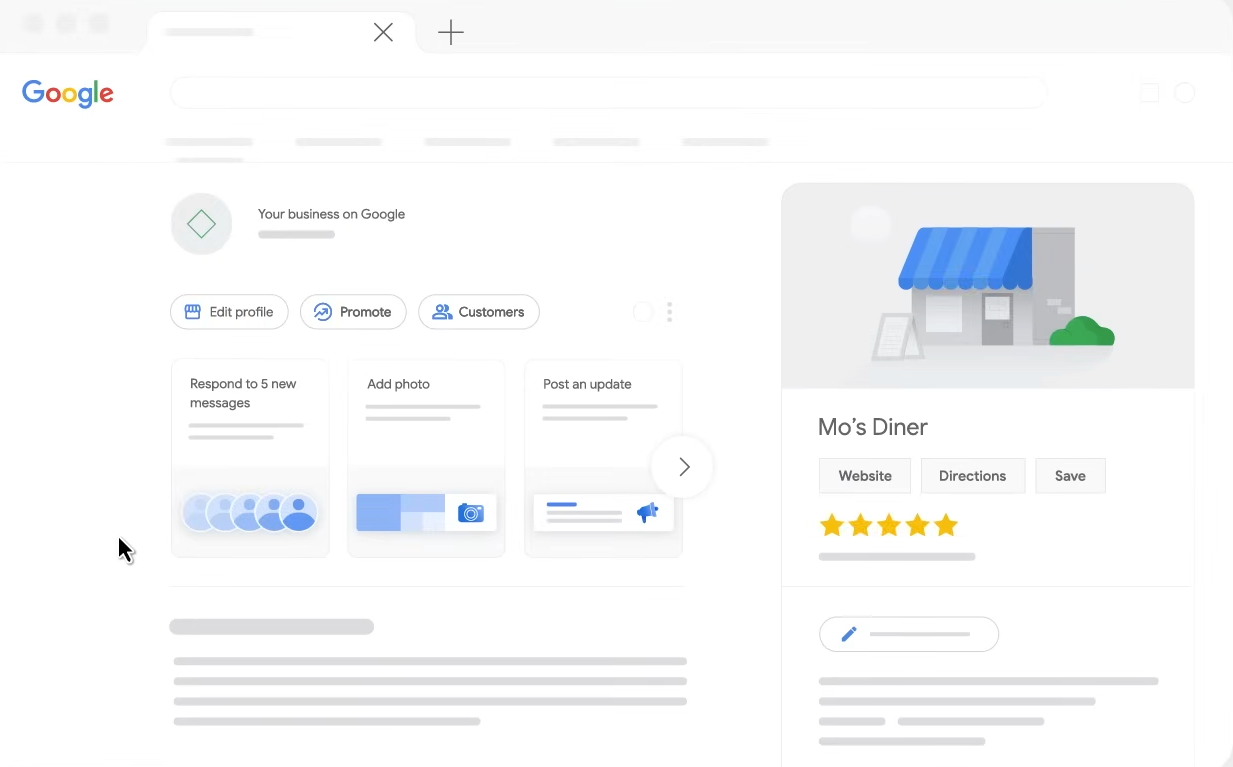
Content management needs a purpose beyond frequency. A photo can help a customer recognize the entrance or evaluate the work. A post may communicate a current event or update where that format is available. A review reply can resolve confusion without exposing customer details.
Area | Provider responsibility | Business approval |
Photos | Select accurate, current images; record source and usage permission | Brand-sensitive, staff, customer, or regulated-subject images |
Posts | Draft relevant updates and check their live status | Offers, dates, claims, prices, and regulated content |
Reviews | Monitor, draft replies, and flag possible policy violations | Refunds, admissions, disputes, and sensitive customer issues |
Q&A | Monitor customer questions where they appear and draft factual answers | Policy, pricing, safety, legal, or service commitments |
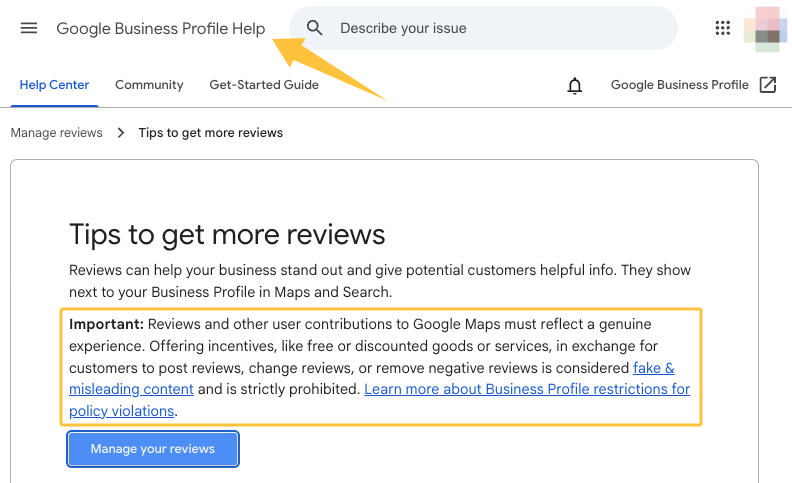
Google says reviews must reflect genuine experiences and prohibits incentives tied to posting, changing, or removing reviews. A provider should document who receives a review request, when it is sent, and whether the same neutral process applies across eligible customers.
Public replies should have an escalation rule. The provider can acknowledge a complaint and move the conversation to an appropriate private route. It should not invent facts, disclose private records, or decide the business’s legal position. If content may involve defamation, privacy, intellectual property, discrimination, or another legal issue, preserve the record and ask qualified counsel for advice.
Citation and Website Alignment
Local listing optimization should begin with the sources customers actually encounter, not a promise to submit the same record to hundreds of directories. Compare the profile with the official website, major map products, important industry directories, local associations, and active booking or ordering partners.
Record each mismatch by location and field. An old phone number that still receives calls has a different consequence from a minor formatting variation. Prioritize changes that could send customers to the wrong place, show the wrong hours, or break a booking path.
The website also needs a stable page that supports the profile’s facts. It should identify the real location or service area, describe the services offered there, and provide a working contact route. UTM parameters may help distinguish profile website traffic in analytics, but the tagging convention and reporting definition must be agreed before the URL changes.
Alignment does not mean every platform will display identical data immediately. Google can use public web content, licensed sources, and user contributions when updating profile information. The provider should monitor exceptions and document corrections rather than promising permanent control over every displayed field.
Access, Ownership, Reporting, and Change Logs
Keep the business as an owner and use named user accounts instead of sharing a password. Google’s third-party policies for Business Profile management require clients to retain ownership or co-ownership, require consent for changes, and recommend that an existing business invite the provider as a manager rather than an owner.
Before access is granted, record:
- the business-controlled primary owner;
- the provider’s role and named users;
- who may approve identity, access, location, and public-response changes;
- what the provider may publish without separate approval;
- the emergency removal contact; and
- the access removal and file-return steps at termination.
The monthly report should separate Google profile management data from other directories or marketing channels. Show the period, location, source, metric definition, completed edits, pending Google decisions, customer actions where available, and qualified inquiries the business can trace. Do not turn views or interactions into implied revenue.
Maintain a provider-side change log because a polished dashboard is not a full audit trail. Each row should include the location, field or asset, previous value, new value, reason, requester, approver, implementer, submission time, live status, evidence, and rollback note. If Google or a user contribution changes a field, log the exception separately rather than pretending the provider made the update.
How to Compare Providers
Ask every provider to price the same scope. Otherwise, one quote may cover setup and monthly publishing while another includes duplicate resolution, review escalation, citation work, and reporting.
Use this proposal scorecard:
Question | Acceptable answer | Warning sign |
Who owns the profile? | The business retains ownership; provider access is role-based | Provider creates or holds the only owner account |
What changes require approval? | Identity, access, claims, and sensitive replies are listed | “We optimize everything for you” |
What is delivered each month? | Named edits, content, monitoring, report, and issue log | A vague activity total |
How is performance reported? | Google-specific source data plus stated business signals | Rankings or leads with no source or definition |
How are suggested changes handled? | Verify facts with the merchant before accepting or rejecting | Automatic reversal without business review |
What happens during a suspension? | Preserve evidence, stop risky edits, and use the current appeal path | Guaranteed reinstatement or a replacement duplicate |
What happens at exit? | Provider access removed; files, logs, and open cases returned | Profile or records held until another payment |
Ask who performs the work, whether subcontractors receive access, how often the access list is reviewed, and which tasks cost extra. A good proposal can still be narrow. The issue is whether the narrowness is visible before commitment.
Claims of a special Google relationship deserve scrutiny. Business Profile itself is available without a management fee, although a provider may charge for its work. No provider should sell ordinary profile access as paid placement or guarantee local rankings.
FAQ
What if the profile is currently suspended?
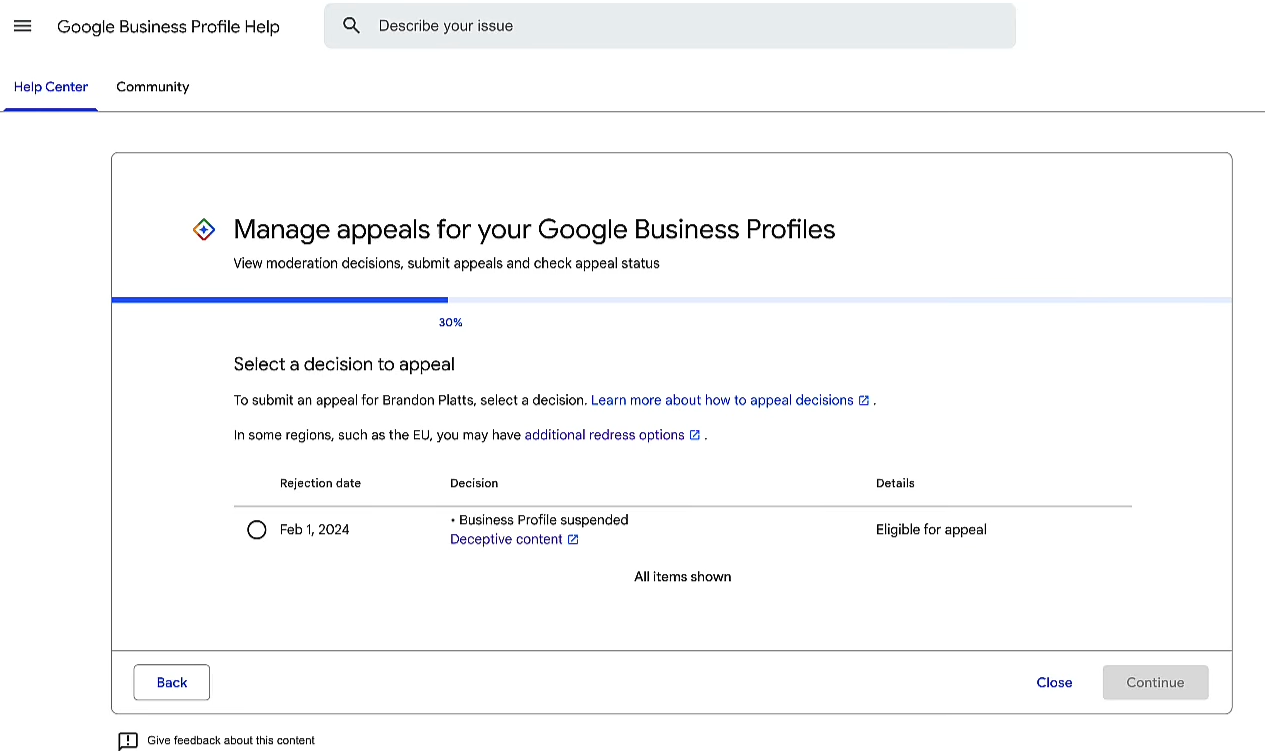
Pause routine optimization and preserve the profile ID, suspension notice, access list, live business evidence, and recent edits. Review the cited policy before submitting through Google’s current Business Profile appeals process. Google advises against creating a new profile for the same business while an appeal is under review. A provider can organize evidence, but it cannot guarantee reinstatement.
Can a provider manage several authorized locations?
Yes, when the business has authorized the provider and each location meets Google’s requirements. Use a consistent account structure, unique location records, and location-level approvals. Google offers bulk management and verification options for eligible businesses with 10 or more locations, but eligibility and verification remain Google’s decisions. Agencies managing different client businesses should follow the agency account rules rather than treating every client as one chain.
Who should handle legal or policy complaints?
The provider can preserve screenshots, identify the affected profile or content, and route a platform-policy report. The business owner should approve factual statements and commercial remedies. A qualified lawyer should advise on legal rights, liability, or formal notices; a profile manager should not decide those issues from a review dashboard.
What evidence should be preserved before disputing an unauthorized profile change?
Save the public profile URL, profile ID where available, timestamped screenshots, old and new values, access roster, notification emails, case numbers, and legitimate real-world evidence such as signage or current business documents. Record who discovered the change and what action followed. Do not post licenses, IDs, customer records, or other sensitive evidence in a public forum.
When should a business contact Google support instead of its optimization provider?
Use Google’s official tools or support when the issue depends on Google’s decision or system: ownership conflicts, unavailable verification, suspension or appeal status, persistent platform errors, and policy-based review or media removal. Use the provider for routine profile edits, content, monitoring, reporting, and evidence preparation. The provider may coordinate the case, but it cannot act as Google or override a platform decision.
Conclusion
Google Business Profile optimization services are ready to approve when the business remains the owner, sensitive changes have an internal approver, and every provider edit can be traced through the change log. Name that approval owner before granting access; ownership recovered after a dispute is a poor substitute for control established at the start.