Local SEO for Hotels: Increase Direct Bookings
Local SEO for hotels can improve discovery and direct booking opportunities through accurate listings, useful pages, reviews, and measurement.
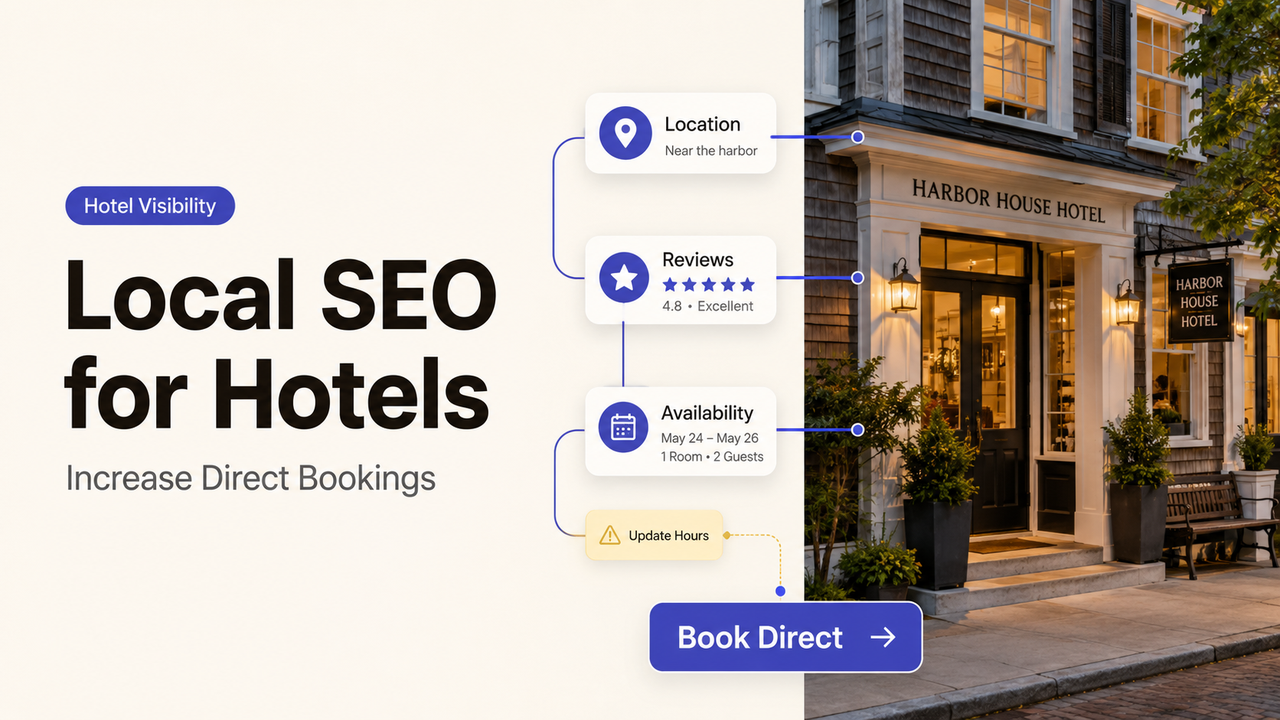
Picture this: the front desk says the pool reopens Friday. The hotel website says Saturday, while the listing a guest found in search still calls it unavailable. This guide shows how to find and remove those disagreements before they disrupt a booking opportunity. Local SEO for hotels starts by making the property, its amenities, and the route to a reservation clear. I’m Alex, and I want you to follow one trip from the first local result to the booking confirmation: every fact that could interrupt it needs an owner.
How Guests Use Local Search During Trip Planning
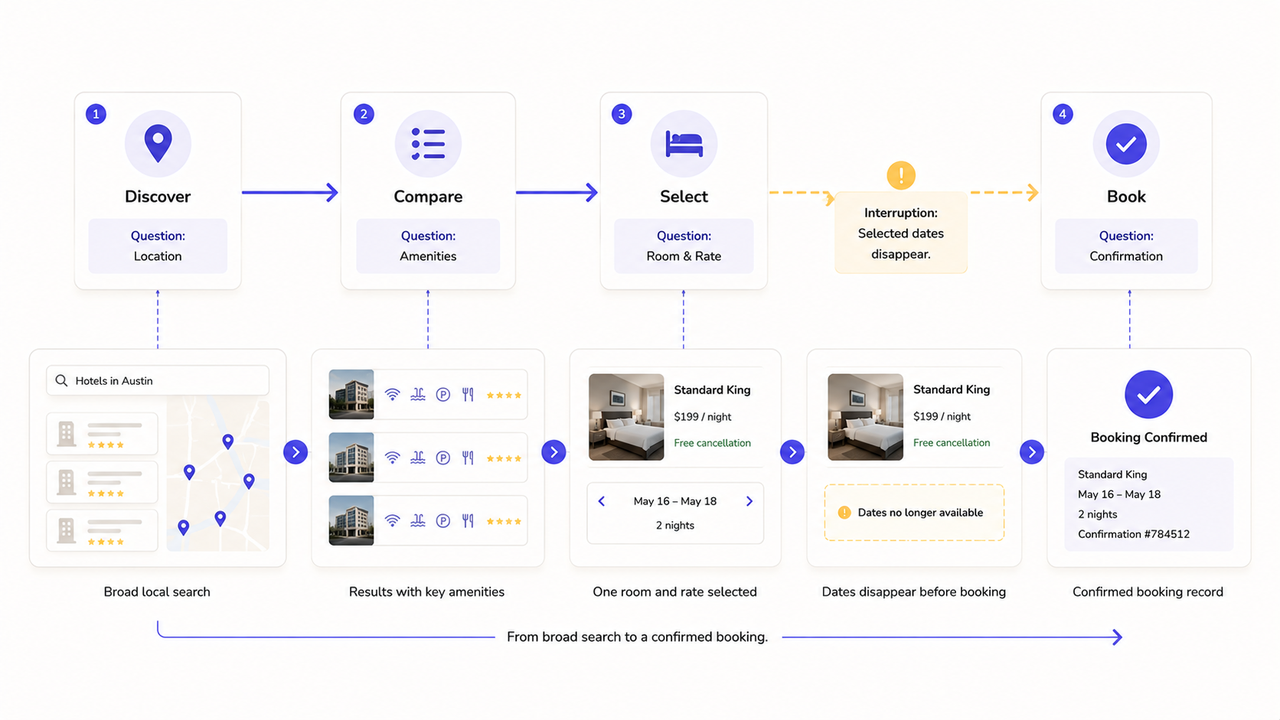
Hotel local search rarely happens in one sitting. A traveler may begin with “hotel near the convention center,” return to compare parking and breakfast, then search the property name before booking. At the discovery stage, guests first need to see where the hotel is and what kind of property it is. Later, they compare the rooms, policies, photographs, and amenities. By the time a guest is ready to book, the search has become much more specific. They need to see the right room, understand the rate, and complete the reservation without having to retrace their steps.
Google groups the main influences on local results into three areas: relevance, distance, and prominence. A complete profile gives the search engine more context about the property. It does not give the hotel a way to pay for or request a higher local position.
Now consider the guests the hotel actually wants to reach. Are they attending a wedding, visiting a nearby hospital, traveling for work, or bringing their family to a local event? Work out what each group needs to know, then put the answer in the most useful place—the hotel profile, a room or amenity page, a location guide, or the booking flow itself.
Align Hotel Details Across Listings and Booking Pages
Guests may encounter the same hotel on its website, Google Business Profile, map listings, a booking engine, or an online travel platform. Correcting a detail in one place does not necessarily update the others. An outdated version can remain visible long after the hotel believes the change is finished.
Keep the approved hotel name, address, phone number, website, property type, check-in and check-out times, amenities, room descriptions, reservation routes, and temporary restrictions in that record.
Do not settle disagreements by copying whichever listing is easiest to edit. Ask the operations owner what is true today, record the answer, then update each public surface and check the live result.
Google lets verified hotel profiles manage many services and amenities through Hotel Details. The same guidance notes that hotels cannot edit ordinary business hours because hotels are treated as open around the clock to guests. That distinction matters: a seasonal closure, a closed restaurant, and restricted front-desk staffing are not the same state.

Booking pages deserve the same review. A listing that says “free parking” should not lead to a room page that introduces a parking charge without explanation. If breakfast is included only with certain rates, say so at the rate or room level rather than turning a conditional benefit into a property-wide claim.
Improve Location, Amenity, and Local Experience Pages
A useful hotel page resolves a travel question. It does not exist merely to repeat a city name.
The location page might explain walking routes, parking arrival, public transport, airport access, and realistic travel considerations for nearby venues. An amenity page should state when it is available and which room or rate conditions apply. A local experience page should help a guest plan a stay, not reproduce a list of attractions found elsewhere.
Choose pages from recurring questions. Where do late arrivals park? Is the event venue genuinely walkable? Does the shuttle need to be booked in advance? Can a guest tell which accessibility features are available inside the room and which apply only to shared areas? A page that answers questions like these will be more useful than one assembled around a loose collection of keywords.
Write the answer first, then place the keyword where it helps a traveler scan. Five thin pages for nearby districts are less useful than one carefully maintained location guide if all five would say the same thing.
Link these pages into the booking route. A guest reading about accessible rooms should reach the relevant room choice or a staffed contact option, not the generic homepage. Keep dates and seasonal details visible, and remove recommendations the team can no longer verify.
Strengthen Reviews, Photos, and Trust Signals
Reviews and photos let guests compare the published promise with other people’s experience. They are most persuasive when the hotel does not try to control the conclusion.
Ask for honest feedback after a completed stay or another appropriate point in the guest journey. Make the request available consistently rather than sending it only to guests expected to leave a high rating. Google does not allow businesses to offer rewards for a review, a revised review, or the removal of a negative one. When responding, keep the conversation calm and helpful. Move reservation details and personal information into a private channel instead of including them in a public reply.
Use photographs to answer practical questions as well as to present the property. Show the exterior and arrival point, representative room types, bathrooms, common spaces, parking, views, and important amenities. Captions should identify what the image actually shows. If a room has been renovated but another category has not, avoid presenting the new design as universal.
Other trust signals include current contact information, clear policies, recognized accessibility details, secure booking pages, and a working pre-booking contact route. Awards and sustainability claims should have an identifiable source and current approval.
Connect Local Visibility With Direct Booking Paths
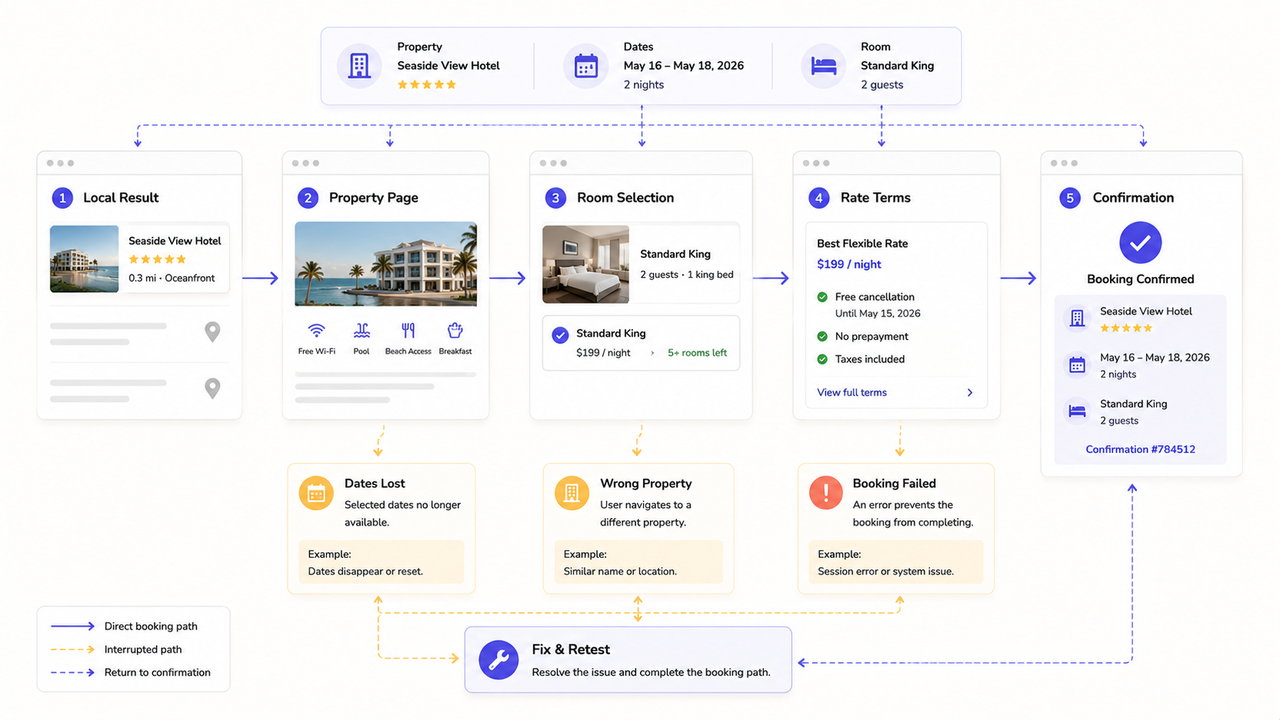
Visibility creates an opportunity; the booking path determines whether the hotel can use it. Open the property result on a phone and test the route as a guest would.
Choose dates, select a room, read the rate terms, check the total, and continue far enough to confirm that the next step works. Test sold-out dates, invalid fields, language changes, and the route back to the property page.
Google’s requirements for an accommodation booking page URL say that it should lead to the hotel’s own website for direct booking, rather than an online travel agency or a social media page. The landing experience still needs to match the property and rate the guest selected.
Direct booking SEO is therefore not just a booking button. The mobile path should preserve dates and room choices, explain rates and cancellation terms, show current availability, offer a usable contact route, and end with a clear confirmation.
Record where the booking engine begins and ends. If it sits on another domain, include that domain in measurement and quality checks instead of treating it as someone else’s page.
Measure Discovery, Calls, and Booking Opportunities
Do not report local visibility as though it were a completed reservation. An impression, a website visit, a phone call, a booking start, and a confirmed reservation are separate points in the guest journey. Report them separately.
In Search Console, review the queries, pages, impressions, clicks, and click-through rates associated with the hotel site. These records can show what guests found before visiting and whether an important page is gaining attention or beginning to lose it.
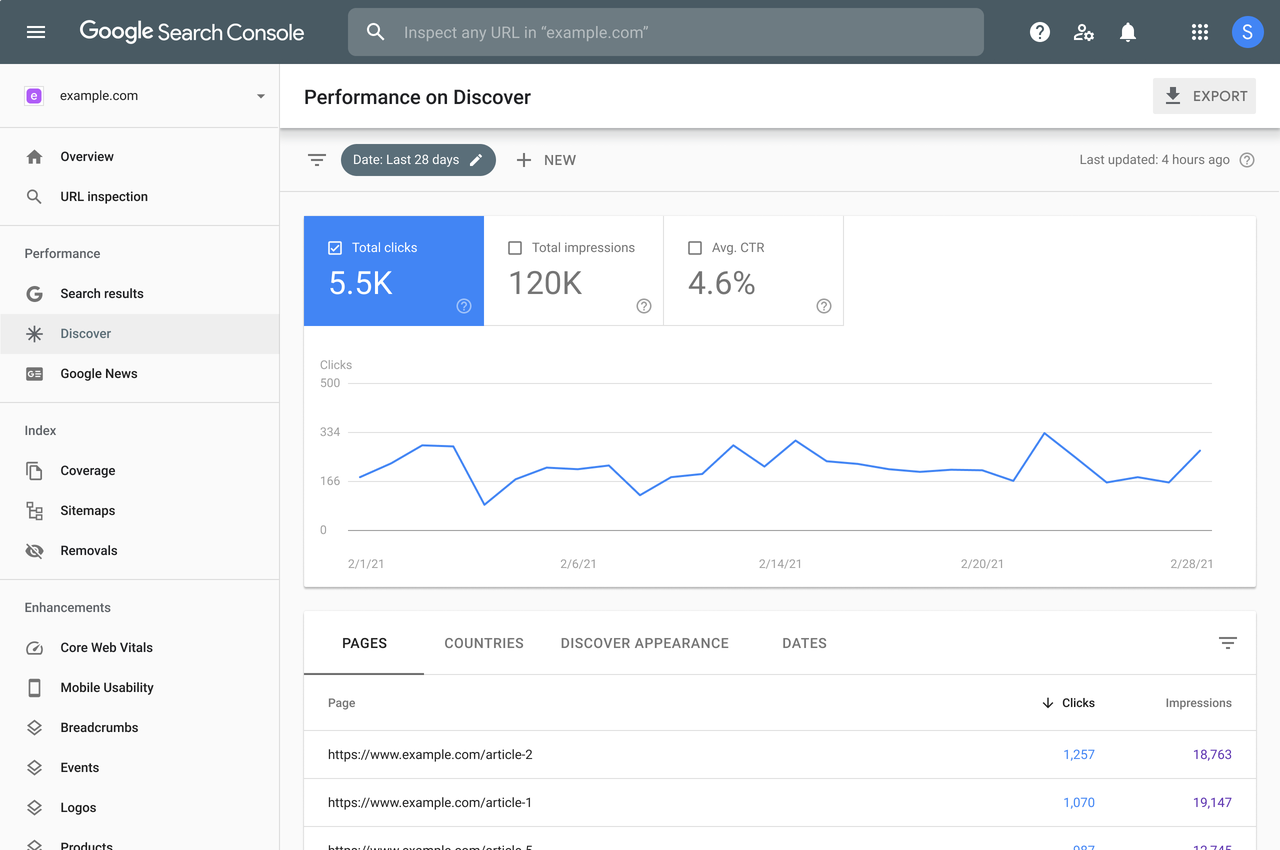
Then connect the search record to actions the hotel can verify: profile visits to the website, calls, contact requests, booking starts, completed bookings, cancellations, and failed handoffs.
A call is not automatically a qualified booking opportunity, and a booking-engine start is not revenue. Agree on the definition of each stage before building the report. Test what guests see and what staff receive; measurement should not lose the reservation context.
Review the record by property, landing page, device, and booking path where the available data supports it. The useful question is not “Did traffic rise?” It is “Which discoverable page led to an action the hotel could receive, attribute, and handle?”
Decide What to Manage Internally or Outsource
The hotel should retain ownership of property truth. Staff need to approve amenity details, operating changes, room conditions, guest-response rules, rates, and booking policies. An outside provider cannot verify from a spreadsheet whether the lift is operating or the airport shuttle is running.
External help may be useful when the work crosses systems or skills: auditing listings, resolving duplicates, planning location pages, coordinating website changes, checking the booking handoff, or setting up measurement. Scope the gap before selecting the provider.
When the work changes hands, do not settle for a final presentation. Collect the URLs and profile fields that were changed, the working files, the approval history, the access list, the completed test results, and a record of anything still unresolved.
Decide who will make the edits, who signs them off, which accounts remain under the hotel’s control, and how each change will be checked. A polished monthly report cannot replace account access, a usable change history, or one person inside the hotel who owns the result.
If listings, local pages, and booking handoffs all need work, use SpringBrand to scope the right hotel support before bringing in an outside team.
FAQ
How should seasonal closures appear in local hotel listings?
Update the website, booking engine, and listings from one approved closure record. Use current closure or status options where available, and verify what appears publicly rather than inventing ordinary business hours for a hotel. State the expected reopening date only when the hotel can support it. Recheck every surface before reopening.
What changes when a hotel changes management companies?
Audit profile ownership, user access, website and booking links, phone routing, descriptions, photos, and reporting accounts. Remove access that the former manager no longer needs, but do not create a duplicate hotel profile simply to represent the new management arrangement. Keep a record of each transfer and confirm who now approves public information and guest responses.
Can several properties share one direct booking domain?
They can, provided each property has a stable, distinguishable page and booking route. A local listing should send the guest to the relevant hotel, not a generic group homepage that requires another search. Keep property names, addresses, phone routes, room inventory, and measurement separate enough to identify which hotel the guest selected.
How should renovations be communicated without losing demand?
Describe the affected area, the dates, and the practical effect on the stay. Update photos and amenity copy when they no longer represent what a guest will find. If rooms remain available, explain what is open without hiding noise, access, or service restrictions. Give the notice an owner and removal date so temporary language does not remain after the work is complete.
What if amenities differ significantly by room type?
Do not turn a room-specific feature into a hotel-wide promise. State the difference on the room page and again where the guest chooses a room or rate. Use labels and photographs that identify the correct category. If a listing field cannot express the distinction, keep the general statement conservative and direct guests to the detailed room information.
Conclusion
Local SEO for hotels works best as an operating record, not a collection of ranking tricks. The profile, hotel pages, photographs, reviews, and booking system should describe the same stay and give the traveler a next step the property can support.
Assign an owner to every material hotel fact and test the path from discovery to confirmation. The work is ready to close when the public details and the booking record agree—not when a dashboard shows a higher number.