Local SEO for Electricians: Win More Service Calls
Local SEO for electricians helps qualified customers find and contact the right service area. Build a practical plan for listings, pages, and reviews.

A homeowner searches “emergency electrician near me” at 8:30 p.m., taps a profile marked open, and reaches voicemail. Google may record the interaction, but the electrical contractor never receives a usable service call. That gap is where local SEO for electricians should begin. I’m Alex, and this guide follows the complete path from the customer’s search and location to the call, qualification, and booking.
How Customers Search for Electrical Services Locally
People rarely begin with the phrase “electrical contractor SEO.” They search for the problem in front of them.
Some queries signal immediate need:
- emergency electrician near me;
- power outage electrician;
- burning smell from outlet;
- electrician open now.
Others describe planned work:
- electrical panel upgrade in [city];
- EV charger installation near me;
- ceiling fan installation;
- commercial electrician in [area].
A third group focuses on trust or eligibility:
- licensed electrician in [city];
- electrician for older homes;
- commercial electrical contractor;
- electrician with weekend appointments.
These searches should not all lead to the same generic homepage. The emergency customer needs accurate availability and a working phone route. Someone planning a panel upgrade may need information about the process, property requirements, expected disruption, and how to request an assessment.
Google says local results are mainly influenced by relevance, distance, and prominence. Complete business information may improve relevance, but no owner or SEO provider can purchase or guarantee a better organic local position through Google’s profile system. Google’s explanation of local ranking factors is a useful boundary for evaluating promises from an electrician marketing provider.
Follow each important search through four checkpoints:
- Does the result accurately describe the service?
- Is the customer inside the real service area?
- Can the customer reach the business at that time?
- Does someone record and follow up on the inquiry?
A ranking report answers only part of that sequence.

Define Services, Locations, and Emergency Availability
Before changing pages or listings, document what the company can actually deliver.
Build a service map with fields such as:
| Service | Area covered | Availability | Customer action | Internal owner |
|---|---|---|---|---|
Emergency fault diagnosis | Defined local area | Staffed on-call periods | Call | Dispatcher |
Panel upgrades | Licensed operating area | Scheduled | Request assessment | Office manager |
EV charger installation | Selected cities | Weekdays | Submit property details | Estimator |
Commercial maintenance | Contract area | By agreement | Request consultation | Commercial lead |
This prevents a common mismatch: the website targets a large region while the crews, licenses, or response process cover only part of it.
Licensing boundaries require separate verification. A city name on a service page does not establish that the business is authorized to perform every type of electrical work there. Check the relevant state, municipal, or other licensing authority before publishing claims about qualifications or operating areas. This article is not a substitute for legal or licensing advice.
Treat emergency availability with equal care. If calls go to voicemail after 6 p.m., do not present the business as continuously staffed. Explain whether the company offers:
- live 24-hour response;
- an on-call electrician during defined periods;
- after-hours call-back service;
- next-business-day scheduling.
The description should match the actual handoff. Test it outside normal hours before publishing it.
Improve the Google Business Profile and Core Listings
An electrician’s Google Business Profile should reflect the real business rather than a list of desired keywords.
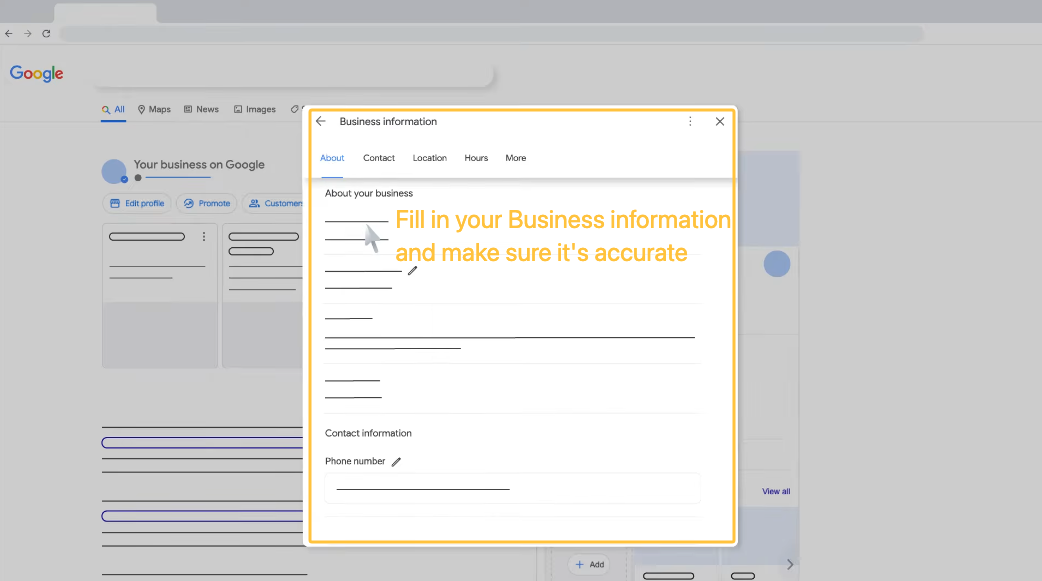
Review:
- the real-world business name;
- the most accurate primary category;
- relevant additional categories;
- service descriptions;
- phone number and website destination;
- regular and special hours;
- service areas;
- photos representing the actual business;
- primary ownership and manager access.
Do not add city names, service phrases, or promotional language to the business name unless they are genuinely part of the name used in the real world.
Address settings are especially important for electricians operating from home. Under Google’s current guidelines, a service-area business that visits customers but does not receive them at its base should hide that address. Google also states that a service-area business should generally use one profile for its central office. Separate profiles may be eligible when the company has distinct real-world locations with separate staff and service areas. Google’s Business Profile representation guidelines provide the current conditions.

Multiple vans or crews do not create multiple locations. If they dispatch from the same operation, keep one profile and handle crew assignment in the scheduling system.
The company should remain the primary owner of the profile. Give employees or outside providers individual access instead of sharing the owner’s password. Record who can change the name, category, hours, phone number, website, and service area. Those edits can affect both customer expectations and lead routing.
Core listings elsewhere should use the same recognized business identity and current contact information. Correct meaningful inconsistencies, especially an old phone number or previous address, but do not spend months chasing every low-quality directory before fixing the profile and website customers actually use.
Build Useful Service and Location Pages
A service page should help a customer decide whether the electrician handles the job. A location page should explain how that service works in a particular area. Merely inserting another city name does neither.
Start with pages for commercially important services, such as:
- emergency electrical repairs;
- panel upgrades;
- EV charger installation;
- rewiring;
- lighting installation;
- electrical inspections;
- commercial electrical work.
Each page should answer practical questions:
- What problem does the service address?
- What information should the customer provide?
- Which property or project types are covered?
- What happens after the inquiry?
- Which qualifications or limitations should be verified?
- What action can the customer take now?
Create a location page only when the business genuinely serves that area and can add useful local information. This might include covered services, relevant property types, scheduling limitations, verified credentials, project photographs, or an area-specific contact route.
Avoid publishing dozens of near-identical pages that send every visitor to the same generic destination. Google classifies substantially similar regional pages created mainly to capture related searches as potential doorway abuse. Its web search spam policies make usefulness and a clear site structure safer standards than city-name volume.
Internal links should reflect how customers think. A panel-upgrade article can link to the panel service page, which may then link to a genuinely relevant location page and the assessment form. Do not make visitors return to the main navigation to find the next step.
Strengthen Reviews, Trust Signals, and Conversion Paths
Reviews can help a prospective customer judge reliability, but the request process must remain genuine.
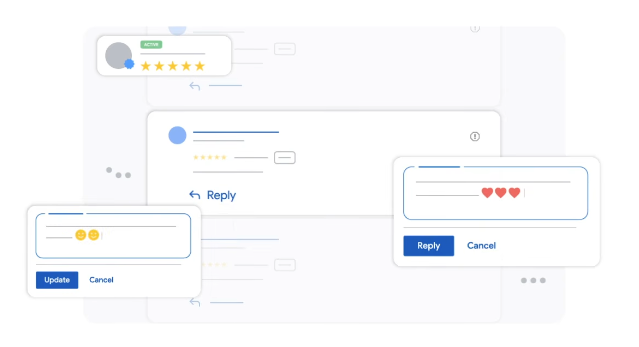
Ask after a completed job, when the customer has enough experience to comment. Make the request easy without telling the customer what rating to leave. Google prohibits offering discounts, free services, or other incentives in exchange for posting, changing, or removing a review. Its review guidance also recommends professional replies and protecting customer privacy.
Electrician trust signals may include:
- a current license reference with its jurisdiction;
- insurance information that has been checked for accuracy;
- recognizable team and vehicle photographs;
- a clear service process;
- recent project examples used with permission;
- financing or payment terms described without hidden assumptions;
- emergency availability that matches staffing;
- contact details that work on mobile.
Avoid vague badges that customers cannot verify. If a certification has expired or applies to only one technician, do not present it as a company-wide current qualification.
Then test the conversion path yourself. Open the profile on a phone. Tap the call button. Submit the website form. Check the confirmation message. Find where the inquiry lands and what happens when the usual recipient is unavailable.
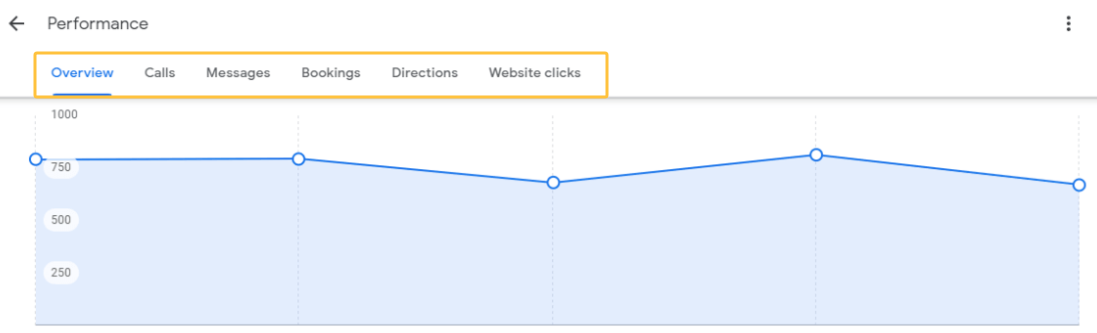
Profile reporting also needs context. Google defines the Business Profile “calls” metric as the number of times customers clicked the call button, not the number of answered or qualified conversations. Business Profile performance documentation also covers searches, views, website clicks, directions, and other available interactions.
Keep a separate operational record for:
- calls answered;
- missed calls returned;
- forms received;
- inquiries inside the service area;
- qualified jobs;
- estimates scheduled;
- booked work;
- lead source when it can be established responsibly.
Visibility is useful. A completed service call is the business outcome.
Create a 90-Day Local SEO Action Plan
A 90-day plan should establish a repeatable operating process, not promise a specific ranking by the end of the quarter.
| Period | Main work | Owner | Evidence to retain |
|---|---|---|---|
Days 1–30 | Verify services, areas, hours, profile ownership, phone routing, listings, and website conversion paths | Owner or operations lead | Baseline exports, screenshots, test-call record, issue log |
Days 31–60 | Improve priority service pages, correct material listing errors, add useful internal links, and begin a compliant review request process | Website owner and customer-service lead | Published URLs, change log, review-request record |
Days 61–90 | Evaluate profile interactions, qualified inquiries, missed-call handling, page performance, and remaining content gaps | Marketing owner and dispatcher | Search terms, inquiry log, booked-job notes, next-quarter priorities |
Review progress weekly at first. A fifteen-minute meeting is enough if every issue has a URL or profile field, a named owner, a next action, and a review date.
Do not change several major signals at once when the business needs to understand what happened. Record edits to the category, phone number, website destination, service area, hours, and important pages. If performance or lead quality changes, the team will have a usable timeline rather than a collection of guesses.
Decide What to Manage or Outsource
A small electrical contractor can manage much of this work internally when someone has the time and access to:
- maintain accurate services and hours;
- review the profile;
- update pages;
- request and respond to reviews;
- test calls and forms;
- record qualified inquiries.
Outside help becomes more useful when the business faces duplicate profiles, a move, several genuine operating locations, a website migration, persistent technical problems, or a content plan that internal staff cannot maintain.
Before hiring, define the problem in operational terms. “Improve our local SEO” is too broad. A stronger scope might ask a provider to audit the profile and top service pages, document policy risks, prioritize changes, implement approved fixes, and show how each result will be checked.
Keep the Business Profile, domain, analytics, call-routing accounts, and source files under company control. The provider should receive the access required for the assignment, while the business retains final approval over identity, operating areas, availability, licensing statements, and customer communication.
Compare proposals by evidence and responsibility, not by the number of directories or pages promised. A provider should be able to explain what it will inspect, what it will change, what remains the client’s responsibility, and how the handoff will work after the engagement.
FAQ
Can electricians keep a home address private on listings?
Yes. If the electrician travels to customers and does not receive customers at the home address, Google instructs the business to remove the public address and use a service area. Do not replace the home with a virtual office or mailbox that the business does not genuinely operate and staff.
How should emergency services be described outside staffed hours?
Describe the actual response process. If a person answers and an electrician is genuinely available, state the applicable coverage period. If the business only collects a message for later follow-up, say that instead. Test the published phone route during every period described as available.
What changes when licensing areas cross city boundaries?
The SEO service area and legal licensing area are different records. Map every public service claim to the relevant license, permit requirements, crew capability, and dispatch range. When the rules are unclear, confirm them with the appropriate authority or a qualified professional before publishing the claim.
Can seasonal demand justify temporary local service pages?
Seasonal demand can justify updating a useful existing service page or publishing content that answers a real seasonal need. It does not justify a batch of nearly identical city pages. Keep a separate page only when it offers lasting value, reflects a service the company actually provides, and has a place in the site’s normal navigation.
How should multiple crews share one business profile?
Crews dispatched from one central operation can share one profile, phone route, and service area. The scheduling system should assign each inquiry to the appropriate crew. Separate profiles generally require separate eligible locations with their own staff and real-world operations, not simply more vans covering additional neighborhoods.
Conclusion
Effective local SEO for electricians connects accurate search visibility with a service area the company can cover, a contact route someone monitors, and evidence showing whether inquiries become qualified jobs.
Before pursuing another keyword or location page, assign one person to own the first handoff after the customer calls. If that handoff has no owner, better visibility may only create more missed opportunities.
Recommended Reads
- Top Digital Marketing Tactics for SMBs in 2026
- What Does a Digital Marketing Agency Do for Small Businesses
- Google Business Profile Optimization Services: A Guide
- Local SEO Checklist for Small Businesses