Manufacturing SEO Agency: How to Choose the Right Partner
Manufacturing SEO agency selection starts with buyer journeys, technical content, lead quality, and measurable deliverables. Learn what to verify.
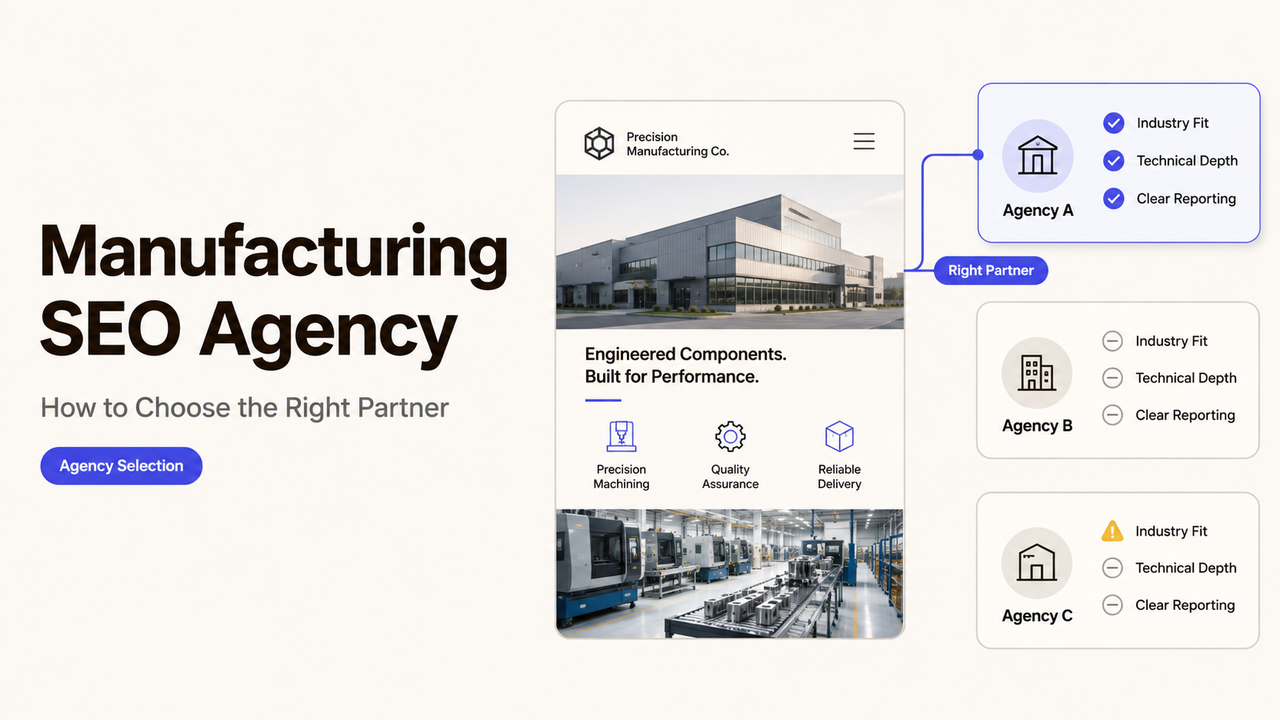
Consider a manufacturer whose agency report shows more organic form submissions while sales marks those inquiries as students, consumer repair requests, or buyers outside the service region. Both teams may be reading their dashboards correctly; the unresolved question is whether SEO is producing the right industrial inquiry. This guide shows how to assess a manufacturing SEO agency through buyer fit, technical accuracy, deliverables, and sales evidence. I’m Alex; before accepting a traffic report, I want to see what entered the CRM and why sales kept or rejected it.
Quick Fit: What a Manufacturing SEO Agency Should Understand
A suitable agency needs to understand how industrial buyers move from a technical problem to a shortlist, specification review, quote, and purchase decision. That journey may involve engineers, procurement teams, operations managers, distributors, and executives searching for different information about the same product.
The agency should be able to explain:
- Which buyer or technical role each page serves
- How applications, materials, tolerances, certifications, and product families affect search demand
- Where engineers need specifications and where buyers need commercial context
- How distributors and regional sales teams influence page ownership
- Which inquiries count as useful manufacturing leads
- Who approves technical claims before publication
Industry familiarity helps, but it should not replace a documented research and review process. An agency does not need to arrive knowing every product. It does need a credible way to learn the product without simplifying claims, confusing applications, or publishing unsupported specifications.
SEO for manufacturing is a poor fit for a provider that treats every visit or form submission as equivalent. The business needs visibility among relevant accounts and applications, followed by a handoff sales can recognize.
Map Industrial Buyers, Applications, and Search Demand
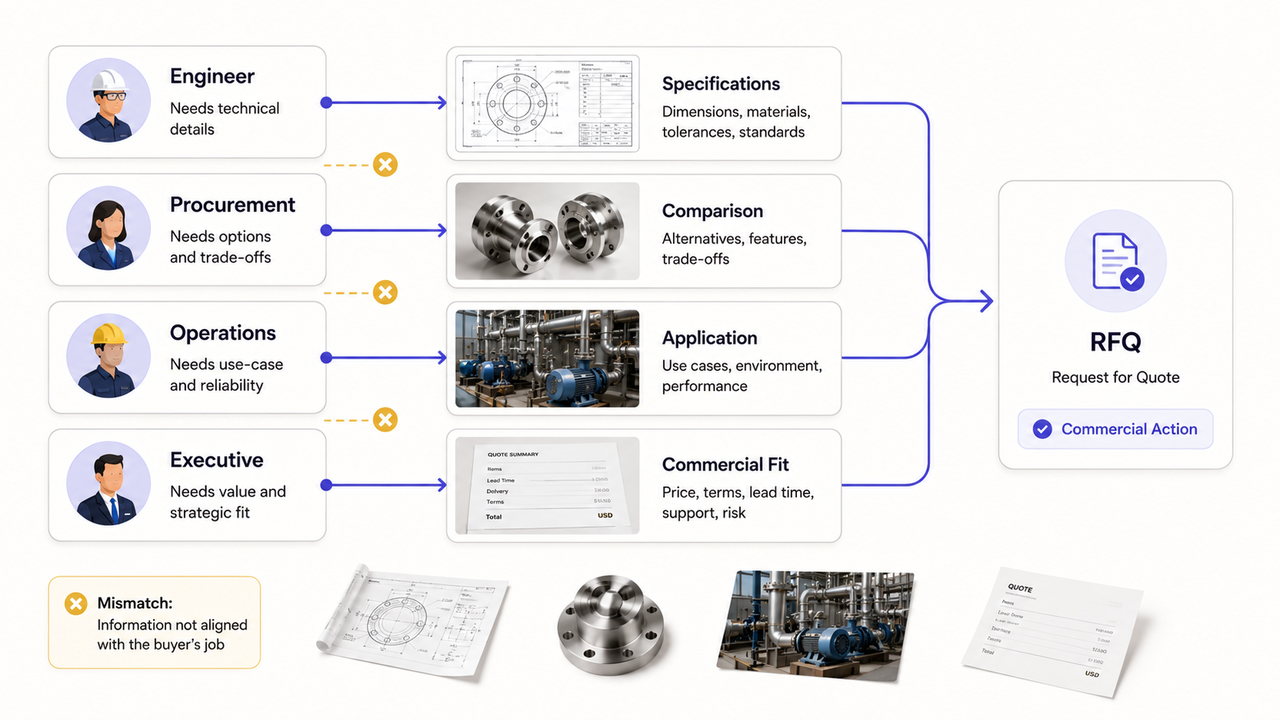
Start with the sales conversation, not a list of high-volume keywords.
Ask sales representatives which problems appear in qualified inquiries. Review request-for-quote forms, call notes, distributor questions, technical-support records, and lost-opportunity reasons. The agency can then connect those signals to searches involving products, materials, processes, standards, applications, and operating conditions.
A practical search map might look like this:
| Search pattern | Likely reader | Page needed | Useful next action |
|---|---|---|---|
Product category | Sourcing or procurement | Product-family page | Compare models |
Application problem | Engineer or operator | Application page | Review suitability |
Material or process | Technical evaluator | Capability page | Check specifications |
Model or part number | Existing informed buyer | Product page | Request a quote |
Certification or standard | Quality or compliance reviewer | Evidence page | Download approved document |
Do not assume every search must end in a quote form. An engineer may first need a drawing, compatibility table, test method, or installation guide. Record the intended next step so the agency can evaluate whether the page is helping the buyer advance.
Search volume also needs context. A low-volume term tied to a priority application may matter more than a broad industry phrase that attracts students, job seekers, or consumer buyers.
Review Technical, Product, and Application Page Scope
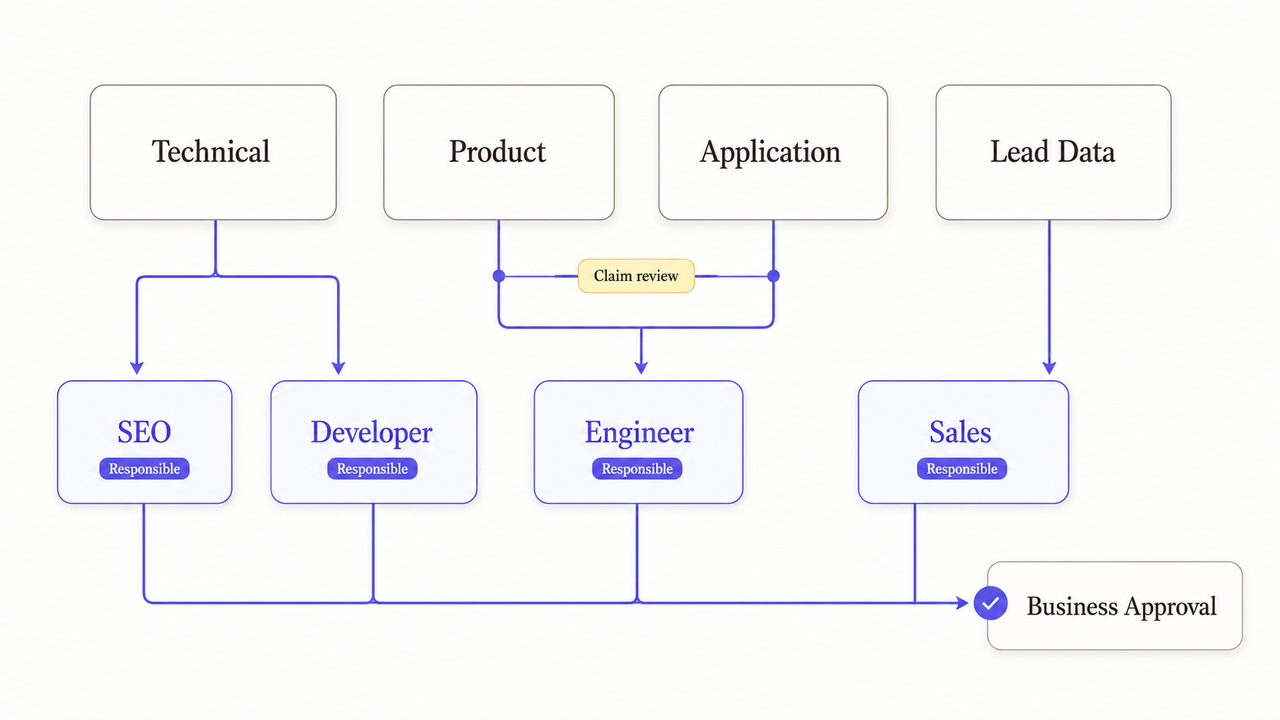
Industrial SEO services can include technical fixes, product information, application content, internal links, and measurement. The proposal should name the templates and page groups involved.
Technical scope may cover:
- Crawl and indexation problems
- Duplicate or competing product URLs
- Redirects and discontinued products
- Navigation and internal-link depth
- JavaScript-rendered specifications
- PDF discovery and HTML alternatives
- Structured data
- Page performance
- Regional or language variants
The agency should show how each technical problem was discovered and which URLs it affects. “Duplicate content” is not an implementable finding unless the report identifies the competing pages, the intended primary page, and the proposed behavior.
Product-page SEO requires coordination with product management or engineering. A page may need clearer titles, specifications, application boundaries, comparison information, downloadable resources, and links to related products. The agency can structure the information, but the business must approve technical accuracy.
Application pages require a different brief. They should explain the operating problem, relevant product families, selection factors, limitations, and next step without claiming suitability the manufacturer has not verified.
A useful scope table assigns one owner to each layer:
| Workstream | Agency responsibility | Client responsibility | Acceptance evidence |
|---|---|---|---|
Technical audit | Diagnose and prioritize | Confirm platform constraints | Reproducible finding |
Product pages | Recommend structure and search targeting | Approve specifications | Published page matches approved source |
Application pages | Draft around buyer questions | Validate use conditions | Expert approval recorded |
Internal links | Propose relationships | Confirm product priorities | Links tested on affected templates |
Measurement | Define reports and fields | Maintain CRM status | Search and sales records can be joined |
Build Expert-Led Content Without Losing Accuracy
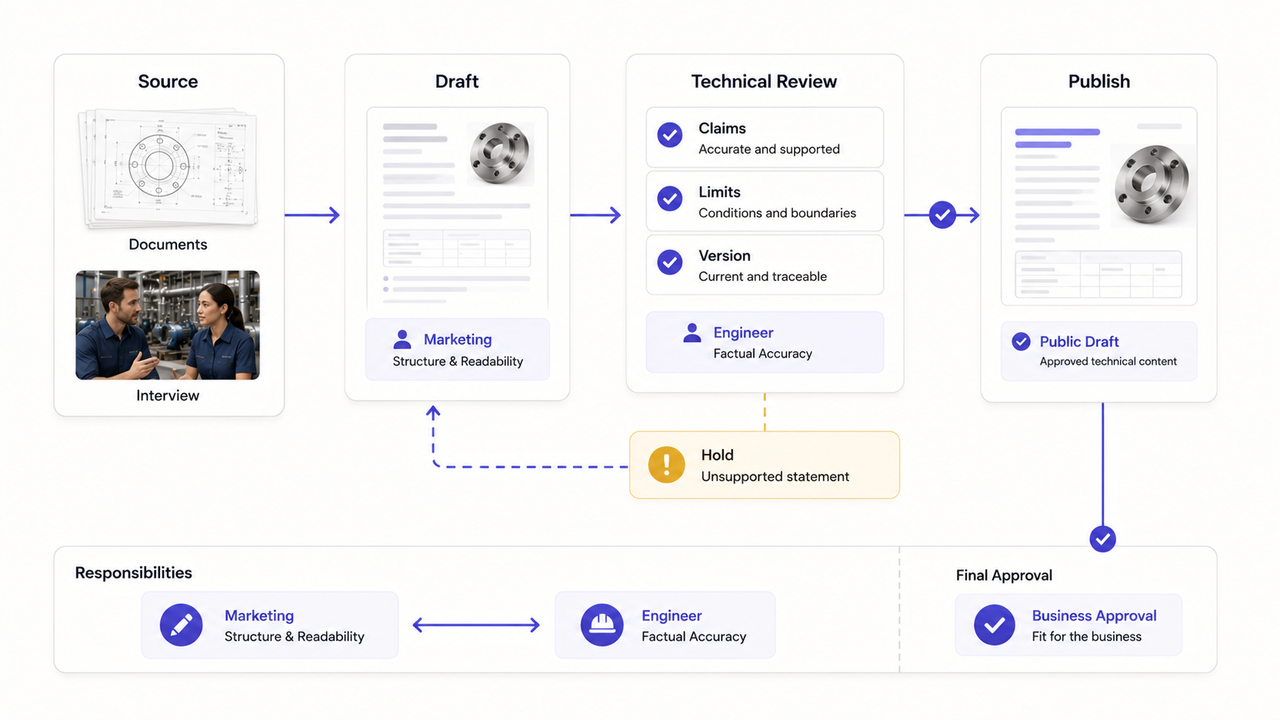
Technical content marketing should capture internal knowledge without asking engineers to become full-time writers.
The agency can interview a subject-matter expert, organize the explanation, and draft the page. The expert should then review claims involving performance, tolerances, materials, installation, safety, standards, or product compatibility. Marketing owns readability and publication; the technical reviewer owns factual approval.
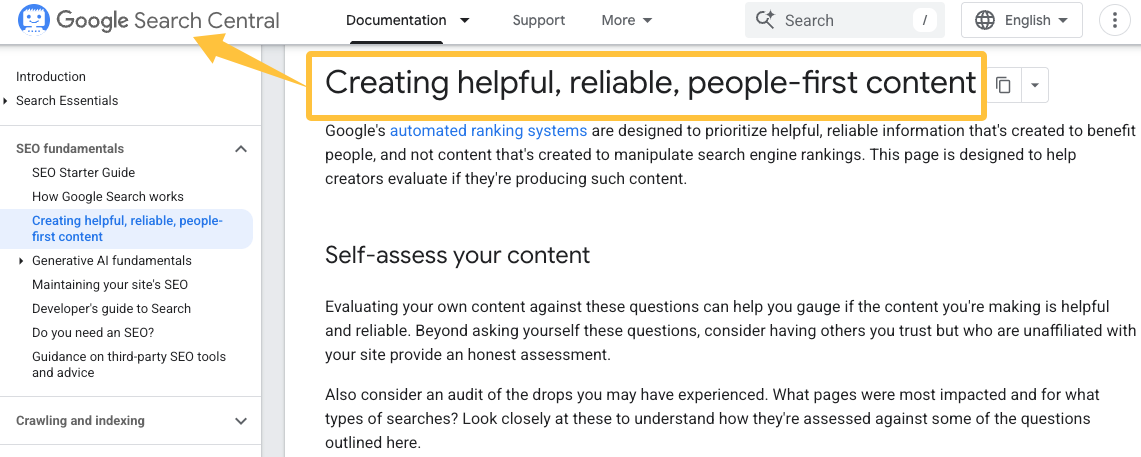
Google’s guidance on helpful, reliable, people-first content asks whether material demonstrates real expertise, provides original value, and makes authorship clear. For a manufacturer, that expertise may come from engineering, applications, quality, service, or product teams rather than the SEO writer alone.
Create a content approval record with:
- Source documents used
- Interview participant
- Claims requiring verification
- Technical reviewer
- Approval date
- Product or document version
- Conditions and exclusions
- Date for the next review
Avoid turning an interview transcript directly into an article. Spoken explanations often assume context, skip limitations, or use internal terminology differently from customers. The agency should clarify the structure while preserving the meaning.
If the reviewer cannot approve a claim, keep it out of the public draft. An unresolved technical statement is not ready for keyword optimization.
Connect Organic Leads With CRM and Sales Follow-Up
Manufacturing lead generation cannot be judged from form totals alone. Define the stages that matter before the agency builds its report.
A basic lead path might be:
- Organic visitor submits a quote or information request.
- Marketing confirms that the record entered the CRM correctly.
- Sales reviews geography, company, application, volume, and timing.
- The lead is accepted, disqualified, or returned for more information.
- Accepted leads move through technical review, sampling, quotation, and commercial stages.
Google Analytics currently recommends separate events for actions such as generate_lead, qualify_lead, disqualify_lead, working_lead, and closing a lead. Its lead-generation event guidance reflects the distinction between receiving a form and determining whether the inquiry is useful.
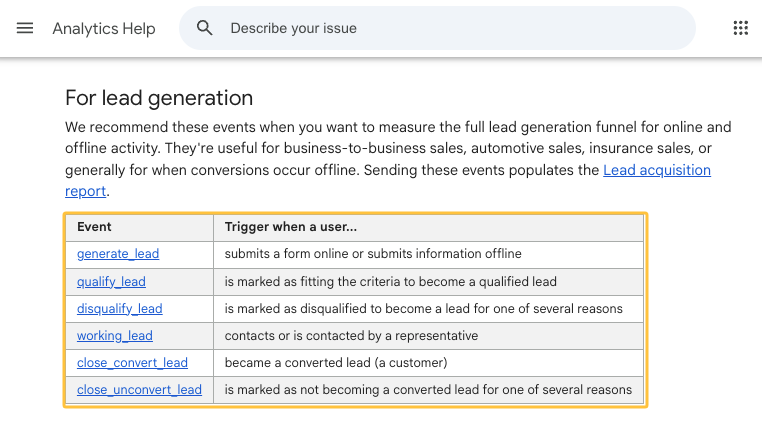
Use that distinction in the agency scorecard. Review organic sessions and form activity, but also examine:
- Sales-accepted leads
- Application fit
- Target accounts or industries
- Quote requests
- Opportunities influenced
- Disqualification reasons
- Time between submission and follow-up
- Pages and queries associated with qualified inquiries
The CRM does not have to expose confidential deal values to the agency. It does need a consistent status signal. Otherwise, the provider will optimize for whichever online action is easiest to count.
Evaluate Evidence, Reporting, and Collaboration
Ask each shortlisted B2B SEO agency to walk through a sample finding and the resulting work item. You are testing whether the recommendation can survive the handoff to a developer, writer, product manager, or engineer.
A usable deliverable should include:
- Affected page or template
- Current behavior
- Evidence and test method
- Business relevance
- Recommended change
- Dependencies
- Client approver
- Implementation owner
- Acceptance criteria
- Review date
Reports should separate search visibility from lead quality. Google Search Console’s Performance report provides clicks, impressions, queries, pages, countries, devices, and related dimensions. Those signals can show where visibility changed, but they do not reveal whether sales accepted the resulting inquiries.
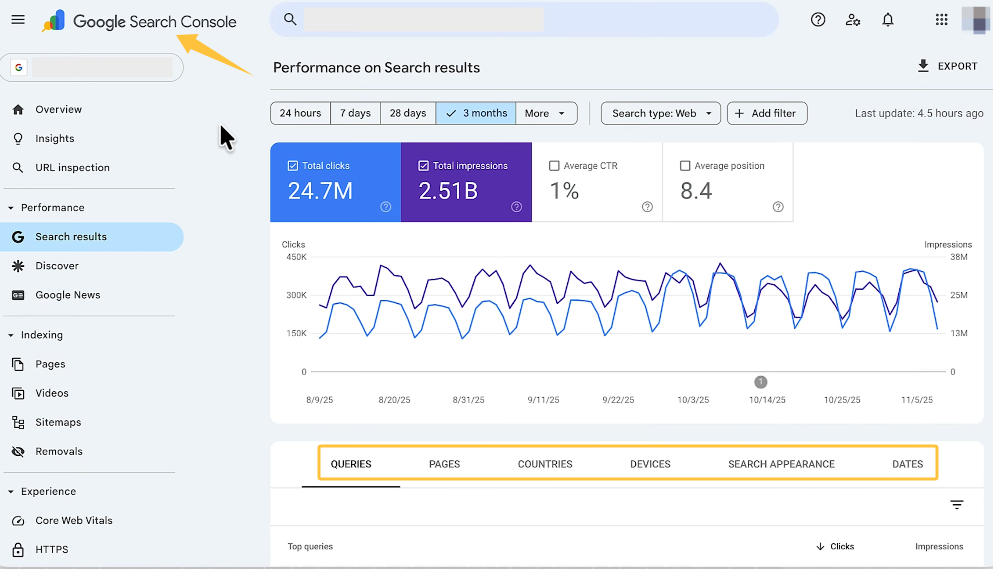
Ask how the agency will handle conflicting evidence. If impressions rise while qualified leads fall, the team should investigate query mix, landing pages, geography, forms, and CRM outcomes rather than presenting the visibility increase as an uncomplicated win.
The collaboration model matters as much as the report. Confirm who schedules expert interviews, reviews technical claims, creates development tickets, publishes changes, and responds when sales disputes the lead data.
Use a proposal comparison table:
| Criterion | What strong evidence looks like |
|---|---|
Manufacturing understanding | Buyer roles and applications are reflected in the approach |
Diagnostic quality | Findings are reproducible and tied to page groups |
Content governance | Technical reviewers and approval stages are named |
Lead measurement | CRM status and disqualification reasons are included |
Deliverables | Recommendations become assignable work |
Collaboration | Agency and client responsibilities are separated |
Outcome discipline | No ranking, lead, or revenue guarantees |
FAQ
Can an agency work with distributor-controlled product pages?
Yes, but it cannot directly control every change. Separate the manufacturer’s pages, distributor pages, shared data feeds, and reseller-created content. Agree on which party owns product facts, canonical product references, updates, and outdated claims.
The agency should optimize the manufacturer-controlled assets first and document distributor dependencies instead of reporting them as completed work.
How should confidential technical drawings be shared during SEO work?
Use the company’s approved access-controlled system and share only the material required for the task. Avoid personal email, open links, or unrestricted shared folders. Set an access owner, expiration date, download policy, and removal step.
NIST provides small-business cybersecurity guidance for managing information-security risk. Contractual, export-control, customer, or regulatory obligations should be reviewed by qualified security and legal professionals.
What changes when sales cycles last longer than a year?
Use intermediate evidence instead of waiting for closed revenue. Track target-account visits, relevant applications, sales-accepted leads, technical consultations, sample requests, specifications, quotes, and opportunity stages.
Keep the original source attached to the CRM record where practical. Review trends over a period appropriate to the business, and do not claim that SEO caused revenue merely because an organic visit occurred earlier in the journey.
Should regional dealer sites publish separate technical content?
Only when the regional page serves a distinct market need and can remain accurate. Separate content may be appropriate for different languages, product availability, regulations, service coverage, or applications.
If every dealer republishes the same generic copy, the network gains pages without adding much buyer value. Establish a common technical source, regional ownership, review dates, and rules for retiring outdated material.
Can SEO support products that have no public pricing?
Yes. Industrial buyers may search by application, capability, material, specification, model, or problem even when pricing requires configuration or quotation. The page can still explain fit, evidence, limitations, and the next commercial step.
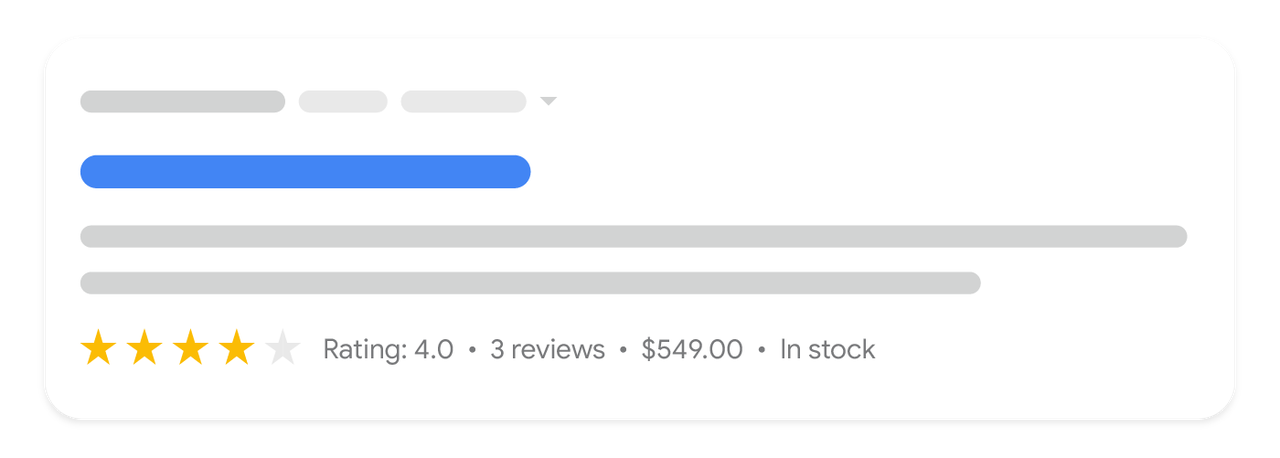
For Google product snippets, price information is strongly recommended but not always required; merchant-listing experiences have different requirements. Check the current Product structured-data guidance before adding markup.
Conclusion
Choose a manufacturing SEO agency when it can connect search demand to industrial buyers, technically accurate pages, qualified CRM records, and work your internal team can approve. A polished traffic report is not enough if engineering cannot validate the content or sales cannot recognize the leads.
Because SpringBrand’s current public catalog is Etsy-focused, take this manufacturing SEO brief directly to qualified providers unless a relevant industrial service is later published.
Approve the engagement only after the agency, sales owner, technical reviewer, and implementation team agree on what will be delivered and what evidence will close the work.
Recommended Reads
Technical SEO Audit Service: What Should Be Included?
Content Marketing Lead Generation: A Practical Funnel