Brand Identity Design Services: What You Receive
Brand identity design services may include strategy, visual systems, guidelines, and rollout support. Learn how to compare scope and deliverables.
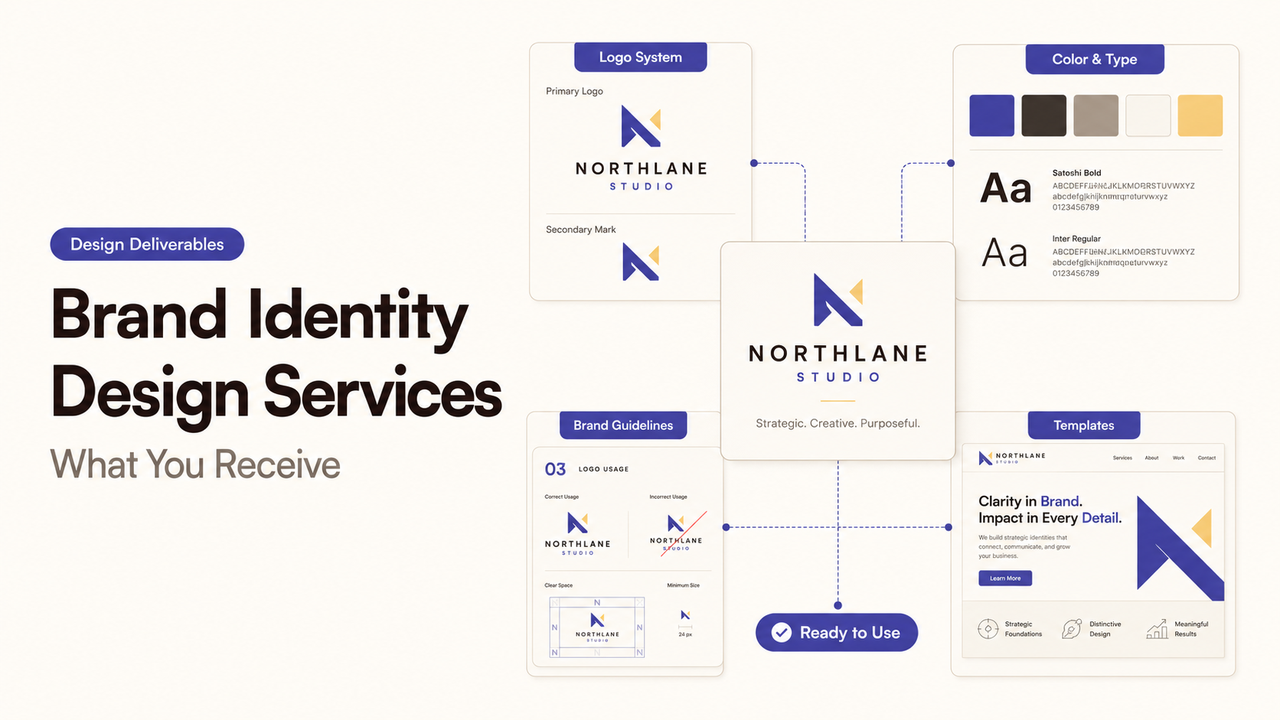
The new logo looks finished on the presentation slide. Then the printer asks for a vector file, the website team cannot identify the approved colors, and a regional manager rebuilds the mark from a screenshot. The design was approved; the operating handoff was not. This guide explains how to compare brand identity design services through the files, rules, review stages, and rollout responsibilities they actually deliver. I’m Alex. I’ll consider the identity usable only when the people applying it can find the right asset and know who approves an exception.
When Brand Identity Design Services Are Useful
Visual identity work becomes useful when the business has outgrown the way its appearance is currently managed. Perhaps the logo exists in several versions, sales decks look unrelated to the website, or every new supplier has to guess which colors and typefaces are current. Growth has exposed a system problem.
When comparing small business branding services, confirm whether the offer covers strategy, visual identity, or both.
The project is probably premature when the business cannot yet explain its audience, offer, or position. A designer can explore how an agreed idea should look. Asking visual identity design to settle an unresolved business model usually produces attractive concepts built on shifting instructions.
Ask where inconsistency creates rework, which materials the identity must support, and who will own the system afterward. Those answers define a better scope than “make the brand look professional.” Professionalism is not one aesthetic.
Separate Brand Strategy From Visual Identity Work
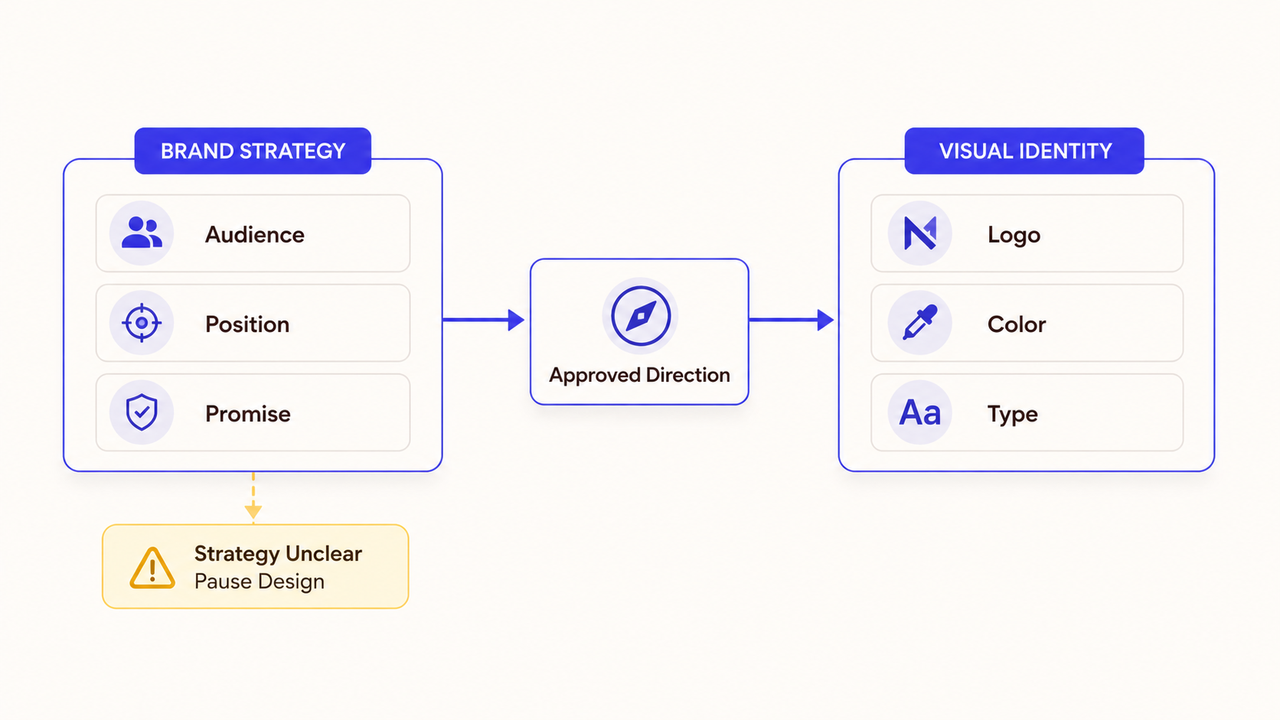
Brand strategy and visual identity are connected, but they do different jobs. Strategy clarifies the audience, competitive context, positioning, promise, personality, and organizing idea. Visual identity turns those decisions into a recognizable system of marks, color, typography, imagery, layout, and other design elements.
Providers use brand identity services to describe different scopes. One may include audience research and positioning workshops; another may expect an approved strategy before design begins. The scope has to match the unresolved problem.
| Decision | Usually strategy-led | Usually visual-identity-led |
|---|---|---|
Which buyer matters most | Yes | No |
What the company should be known for | Yes | No |
How the agreed positioning should look | Input | Yes |
Logo relationships and responsive variants | No | Yes |
Color and typography system | No | Yes |
Rules for applying the system | Input | Yes |
The designer should question a brief that is not stable enough to use, not quietly invent a market position because the documents are thin. If strategy is included, name its research, approver, decisions, and deliverables separately.
Compare Core Deliverables and Optional Assets
There is no universal brand design package. The useful question is not whether a proposal includes “all branding deliverables,” but whether it supplies what the business needs to make, publish, print, and maintain.
A focused identity project may include:
- a primary logo and approved secondary versions;
- horizontal, stacked, compact, or small-format variants where required;
- full-color, one-color, light, and dark applications;
- an approved color system with values for relevant production environments;
- primary and supporting typefaces, plus substitution rules;
- graphic devices, icon direction, illustration style, or image guidance;
- spacing, minimum-size, background, and misuse rules;
- a concise identity guide or a broader standards document;
- editable source files and approved exports;
- a handoff index explaining which file to use where.
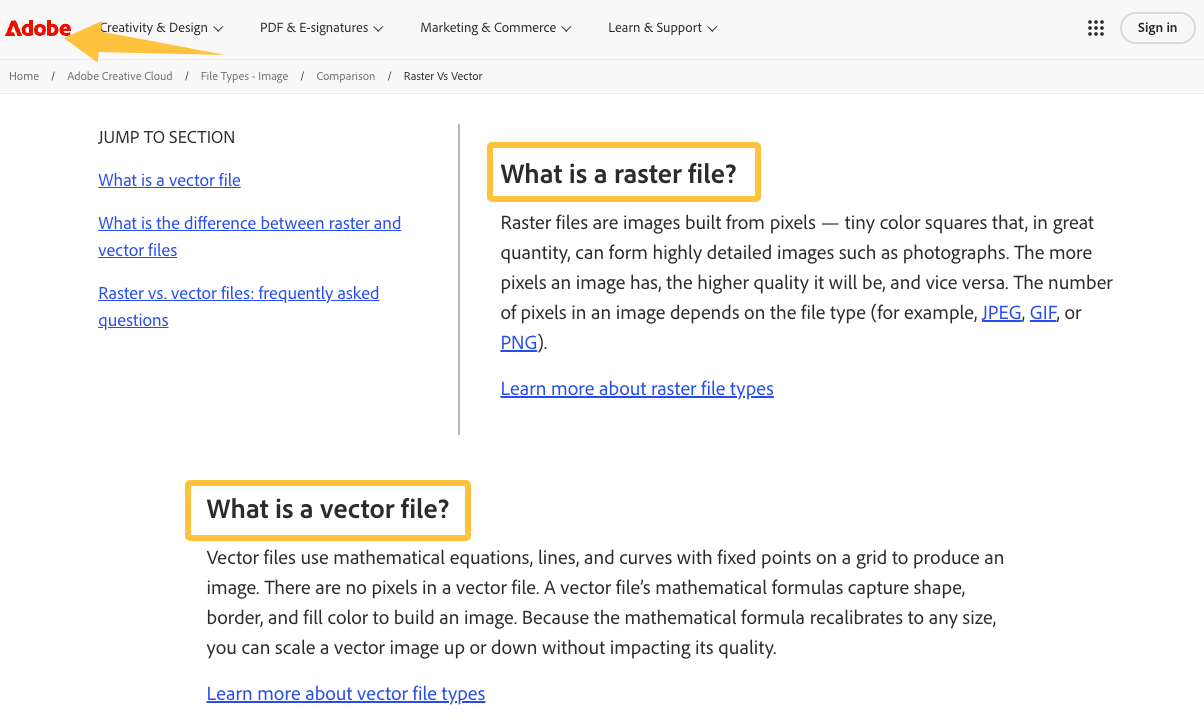
File labels need more precision than “logo pack.” A sign supplier may need a scalable file, while a staff member needs a ready-to-place presentation asset. Because vector graphics can be resized without the quality loss associated with enlarging pixel-based images, the logo delivery should not consist only of raster exports. State the formats, color modes, backgrounds, and intended uses.
Optional work might cover presentations, social layouts, packaging, signage, motion, UI components, photography, or launch support. Optional means outside the core scope, not unimportant.
Ask for a matrix listing each asset, supplied format, intended user, and acceptance check. “Business-card design” is vague; print-ready artwork, an editable master, and a printer specification are reviewable.
Understand the Design and Feedback Process
Identity projects commonly move from discovery and brief confirmation to creative direction, concept review, refinement, finalization, and handoff. Concepts, meetings, and revision rounds vary, so state them in the proposal.
Useful feedback connects a reaction to the brief. “I do not like blue” offers little direction. “This palette makes safety documents difficult to distinguish from sales material” identifies an operating problem. Subjective reactions matter, but they are not universal design rules.
Before the first concept review, name the participants, comment owner, final approver, review criteria, conflict path, and revision boundary. Record decisions and exceptions.
Show concepts in relevant situations. A logo may work alone but fail on a storefront, invoice, label, or app header. Test the uses named in the brief, not an endless collection of mockups.
Prepare Business Inputs Before the Project Starts
The designer needs more than the current logo. Prepare a compact input set containing the business goal, priority audiences, approved positioning, products or services, competitors, required applications, known constraints, current assets, and upcoming events that affect timing.
Examples help when the client explains why they matter. “We like this” invites imitation; “this remains recognizable across technical documents and trade-show signage” reveals a requirement.
Also identify the markets and languages to support, current assets, production platforms, mandatory partner or parent-brand elements, materials that cannot change, and the required factual, technical, or legal reviewers.
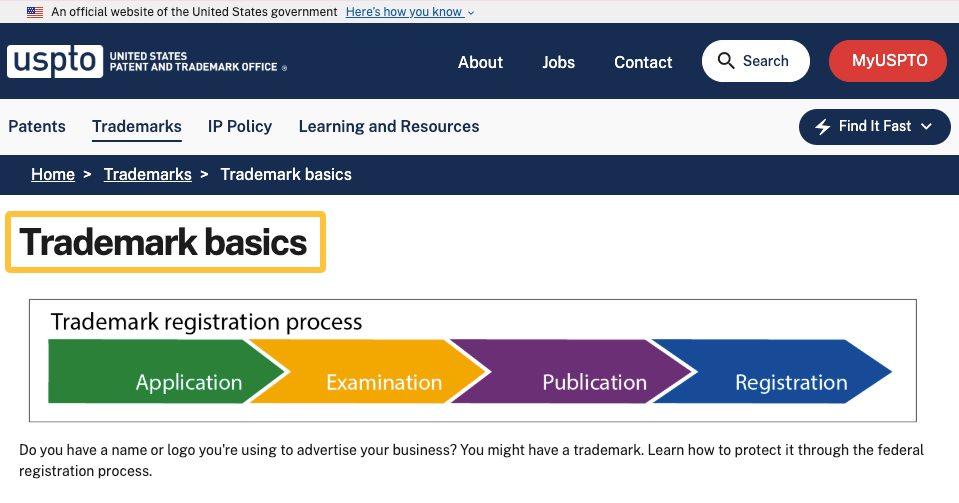
A design review is not trademark clearance. In the United States, business names and logos used in advertising may function as trademarks, with registration handled through a separate process. Requirements differ by jurisdiction; qualified professionals should review clearance, registration, ownership, or infringement questions.
Fonts, photography, stock elements, illustrations, and other third-party materials also need a recorded source and permitted use. Do not assume that receiving a final PDF transfers every underlying right or license.
Evaluate Proposals, Evidence, and Collaboration Fit
Compare providers against the same brief. A proposal should state the inclusions, exclusions, responsibilities, client inputs, approvals, files, and change process.
Check that the process covers the real use cases, separates strategy from visual work, defines revisions, names the files and guidance to be delivered, records third-party assets, shows client dependencies, and includes final acceptance and correction.
Portfolio evidence is more useful when it shows a system across contexts. Ask how the designer handled constraints. A redacted guideline or handoff index may reveal more about delivery discipline than isolated logos.
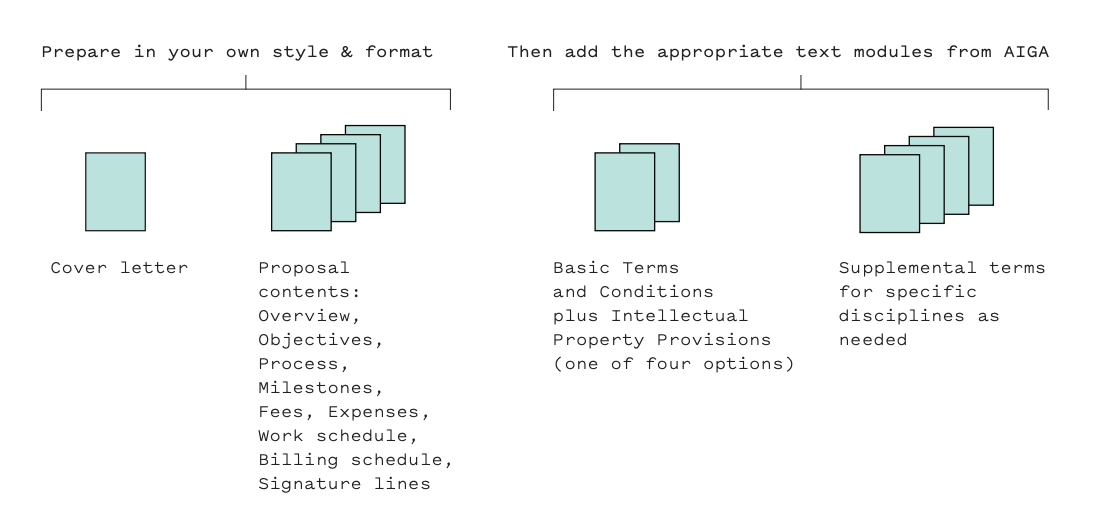
Rights cannot be inferred from the presence of a file. The alternative intellectual-property provisions and separate treatment of third-party materials in AIGA’s Standard Form of Agreement for Design Services show why the selected terms must be explicit. The contract should identify deliverables, working files, permitted uses, modifications, licenses, and post-project access. Qualified legal professionals should review ownership, trademark, licensing, sub-brand, or franchise questions.
Collaboration fit is practical. Can the provider explain a choice without hiding behind taste? Can the client consolidate feedback? Even a strong process stalls when several reviewers send separate comments and nobody can approve a decision.
Plan the Internal Rollout and Handoff
Delivery day starts the operating phase. Store final assets in a controlled location, archive superseded versions, assign an owner, and tell staff and suppliers what changed. Distinguish approved masters from previews, drafts, and retired files.
Test the system on a few high-use materials before replacing everything. A website header, proposal, email signature, invoice, and print item often expose missing rules quickly. Record exceptions instead of letting teams solve them privately.
Brand colors also need testing in the product or website where they will be used. For web content, color should not be the only visual means of conveying information, and text must meet applicable contrast requirements. A palette can be approved for the identity and still need different combinations for interface text, form states, charts, or calls to action.
The handoff should include the promised final and editable files, asset index, usage guide, typeface and third-party records, color values, templates, production notes, unresolved exceptions, source locations, access requirements, internal owner, and provider support boundary.
Rollout need not replace every old item on one day. Set priorities, transition dates, and replacement triggers so usable inventory is not discarded while important touchpoints remain unchanged.
Use the approved deliverable list to explore current graphics and design services through SpringBrand without expanding the project into an undefined rebrand.
FAQ
Can a business keep using its old logo during the transition?
Yes, when the transition is planned. List where the old identity may remain, how long it can stay, and who approves exceptions. Leaving both versions active with no date or owner encourages people to use whichever file they find.
What changes when several founders approve the work?
Use one method for combining feedback and name a final approver. Founders may review individually, but the designer should receive one decision tied to the brief. Resolve disagreements before requesting another concept.
Can one identity system support multiple sub-brands?
It can, but the relationship must be deliberate. Decide which elements are inherited, which can vary, who approves a sub-brand, and how it is documented. Some may share typography and layout while using distinct marks; others need greater separation. Contract and trademark implications require qualified review.
Should franchise locations receive separate design files?
Provide the files needed for approved local applications, with version control and rules for co-branding, signage, and production. That does not give every location unrestricted source-file access. The franchise and design agreements should define use, modification, access, and ownership; legal questions need qualified review.
How should a multilingual business review visual concepts?
Test real translations, not placeholder text. A typeface may lack required characters, while spacing, emphasis, and line breaks can change across writing systems. Font, line-breaking, and alignment considerations differ by script, so native-language reviewers should assess readability, meaning, and cultural fit.
Conclusion
Useful brand identity design services leave the business with more than a logo it likes. They create a visual system, the files needed to apply it, rules for common situations, a documented feedback trail, and a person responsible for keeping the system current.
Define the strategic inputs before asking design to begin. Compare proposals through applications and deliverables, write rights and file expectations into the agreement, and test the identity where customers and staff will encounter it. The project is ready to close when the internal owner can locate the correct asset, explain how it should be used, and route an exception without reopening the designer’s presentation.