Marketing Automation Software for Small Teams in 2027
Compare marketing automation software for small teams in 2027, including Mailchimp, Brevo, HubSpot, Klaviyo, and Omnisend. Find the best fit for your workflow.
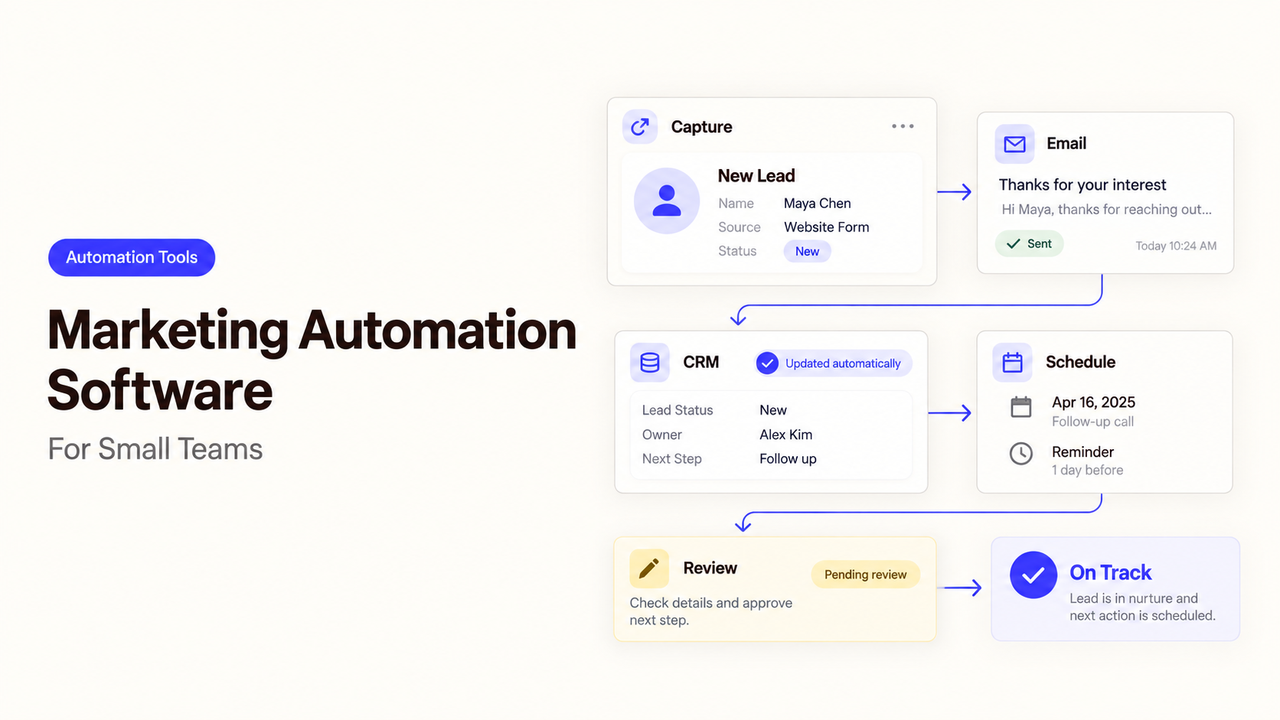
Before opening another comparison chart, write down the first campaign your team needs to keep running. A welcome series and a sales handoff may both be called automation, but they ask very different things of the software.
That first job is the best filter for choosing marketing automation software. It reveals which data must move, who will maintain the setup, and which “helpful” features would only add work. This guide compares a focused shortlist, its costs, and its ownership demands.
Product capabilities and plan structures were checked on September 10, 2026, for this 2027 buying guide. Vendors change tiers, limits, and integrations frequently, so confirm the exact plan before signing.
Quick Verdict for Small Teams
Choose the smallest platform that can handle your first important campaign and still leave room for the next one. An email-led business may be perfectly comfortable with Mailchimp or Brevo. A B2B team that lives in its CRM should look first at HubSpot. An online store should compare Klaviyo and Omnisend around actual store events.
Here is the practical starting point:
| First job to solve | Platforms to examine first | Main question before buying |
|---|---|---|
Email campaigns and a straightforward nurture series | Mailchimp, Brevo | Can the team build, review, and maintain the sequence on the chosen tier? |
Lead routing between marketing and sales | HubSpot | Will the CRM hold the fields and lifecycle rules that drive the handoff? |
Store-triggered messages across the customer lifecycle | Klaviyo, Omnisend | Does the store integration pass the events, products, and consent status the workflow needs? |
These five products form a starting shortlist rather than a ranking. A tool that handles newsletters beautifully may still create awkward sales follow-up. A strong CRM can feel heavy when the only need is a welcome email.
Decide What the Software Must Automate
Start with a campaign that already has an owner. Write its trigger, audience, message, exit condition, and human checkpoint on one page. If the team cannot describe those five items, software selection is premature.
The detailed build belongs in a separate marketing automation workflow guide. For this buying decision, the goal is simpler: identify the task that every shortlisted platform must perform in a demo or trial.
Email and Lead Nurture
Email-first tools fit teams that need forms, lists or segments, scheduled campaigns, and a modest nurture sequence. The deciding details are often mundane. Can a reviewer approve the message without becoming an administrator? What happens when a contact changes segments halfway through the sequence? Can the team see why someone entered or exited?
Mailchimp’s current marketing plans vary by contact allowance, monthly sends, seats, audiences, and automation depth. Brevo takes a different path: its marketing plans combine email-volume tiers with contact storage, automation, seats, and optional channels. That difference can change the bill even when two teams send the same campaign.
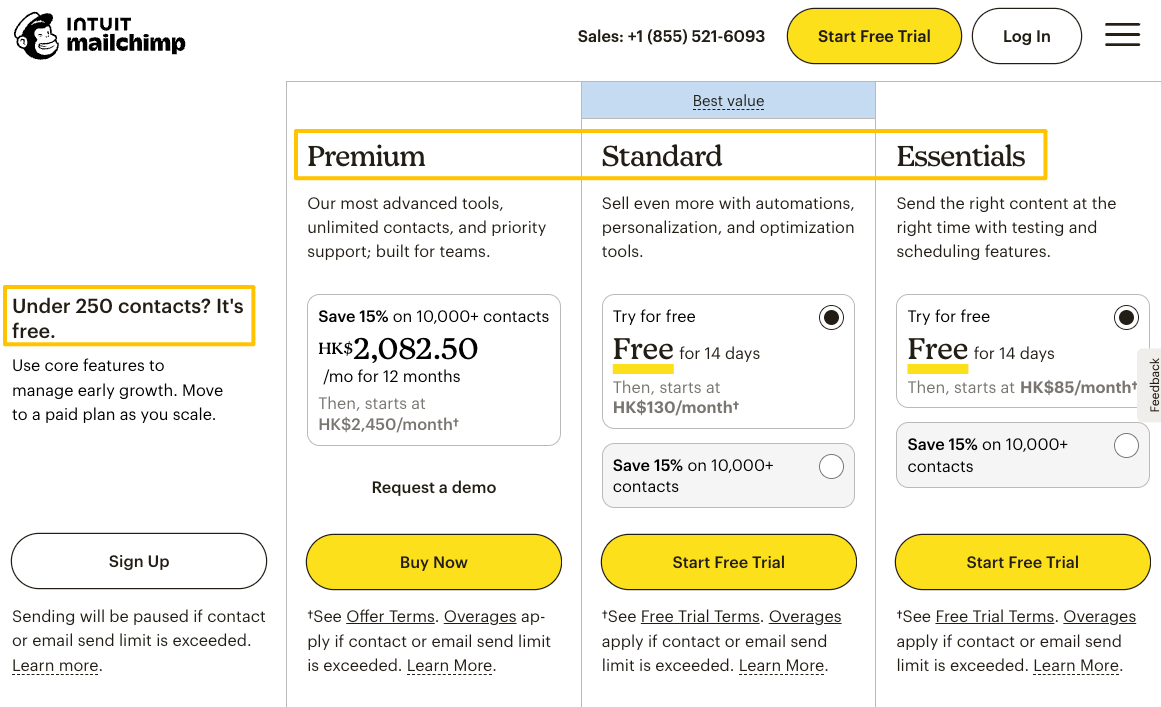
Use a real list size and send frequency during the trial. Test an unsubscribe and a missing field too. A polished email builder says little about messy contact data.
CRM Handoffs and Sales Follow-Up
B2B marketing automation usually depends on shared definitions. Marketing and sales must agree on lifecycle stage, lead owner, qualification fields, and the event that creates a follow-up task. Without that agreement, automation can move confusion faster.
HubSpot Marketing Hub is the clearest CRM-centered candidate here because campaigns, forms, contact records, and sales context can share one system. In return, properties, permissions, lifecycle rules, marketing-contact status, and reporting all need an owner.
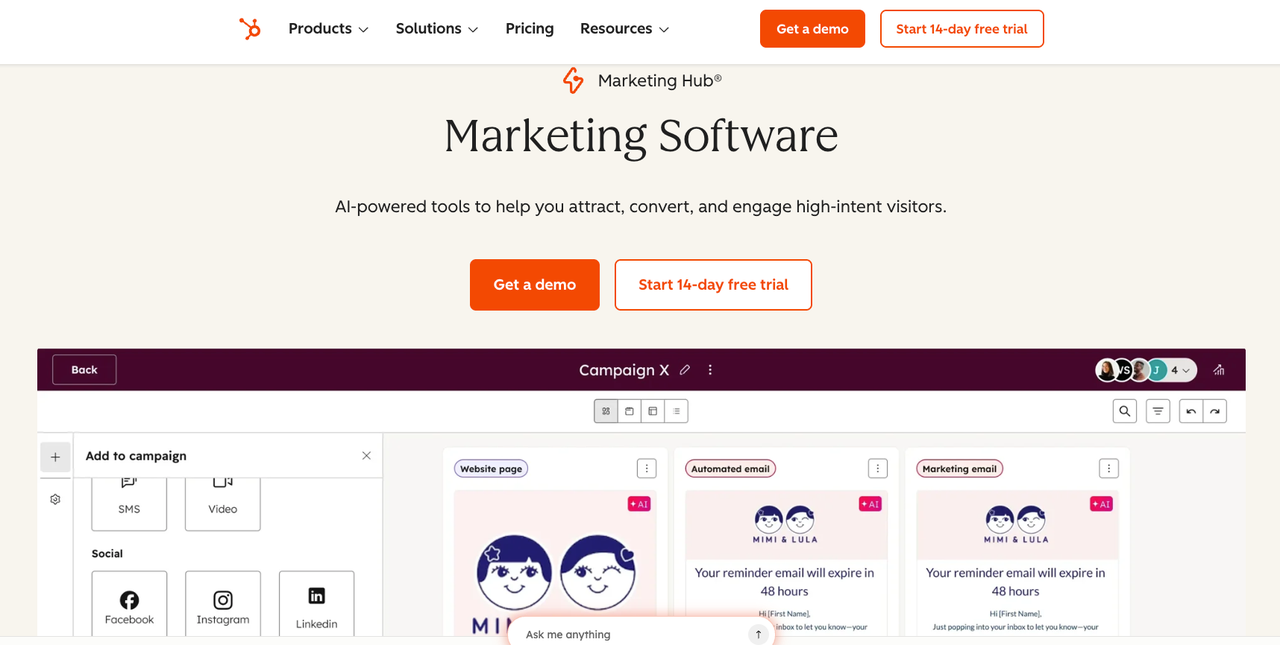
Ask the vendor to demonstrate one lead from form submission through assignment. Then change a required field, submit a duplicate contact, and reassign the account. The useful demo is the one that exposes the exception path.
Ecommerce and Customer Lifecycle Messages
Online stores need triggers that reflect shopping behavior: checkout started, order placed, product viewed, fulfillment status, or customer inactivity. The exact events vary by commerce platform and integration.
Klaviyo and Omnisend deserve the first look when those store events drive the campaign. Klaviyo’s billing model makes active profiles and channel usage especially important to forecast. Omnisend’s plan comparison ties contact levels to email and channel allowances and lists ecommerce workflows such as welcome, cart, and post-purchase messages.
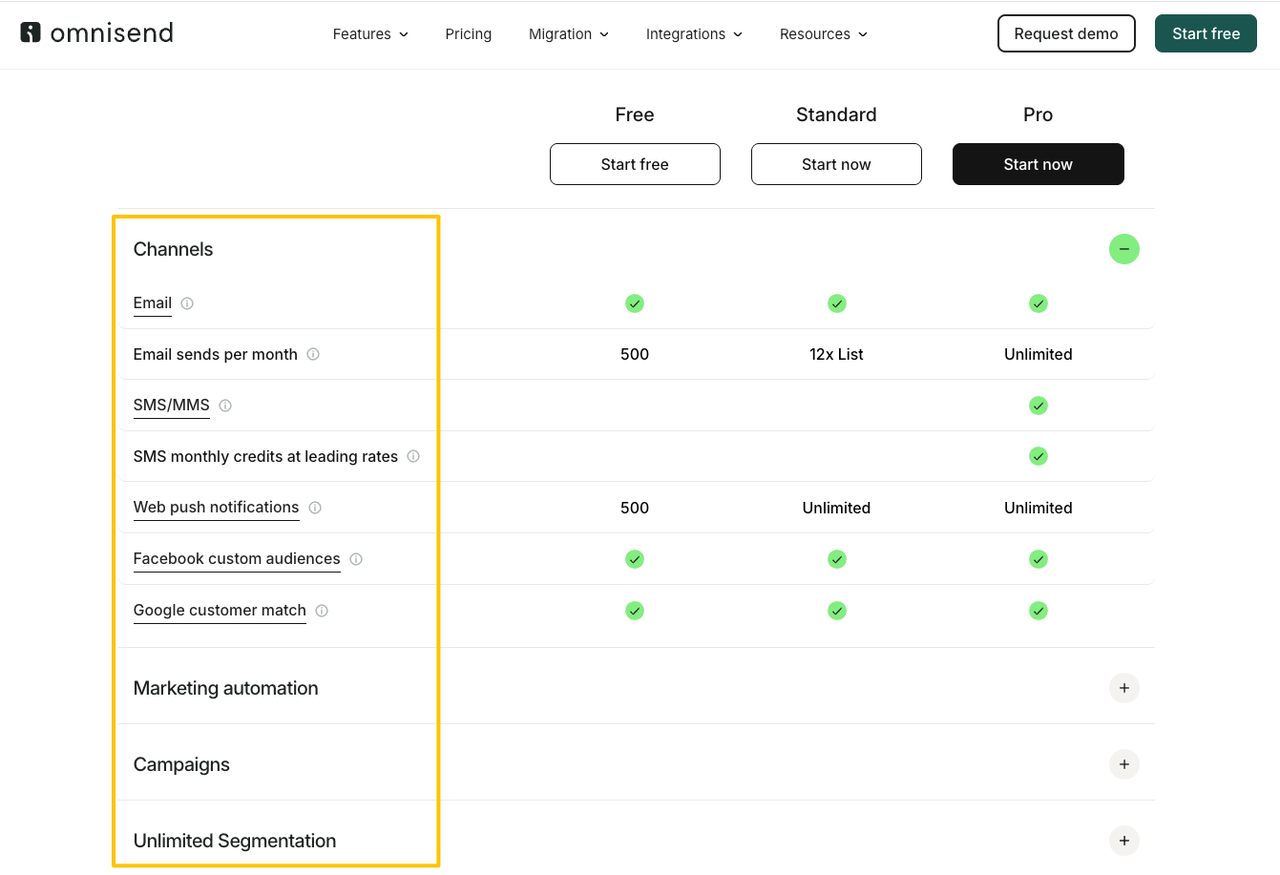
Connect a test store before judging either platform. Check which events arrive, how quickly they appear, and what the workflow does with canceled orders or missing product data. An “integration available” badge does not prove that your required event and field are included.
A Task-Based Shortlist
A useful shortlist gives each marketing automation platform a job to earn. Narrow the field to two candidates whenever possible.
Email-First Platforms
Mailchimp is a reasonable candidate for a team whose work centers on email campaigns, forms, audiences, and relatively contained customer journeys. Pay close attention to contact counting, audience structure, send limits, automation depth, and the number of people who need access.
Brevo is worth considering when email volume matters more than a contact-only comparison. It also belongs on the list when other messaging or sales features may share the account. Check the channels and automation limits on the tier you would actually buy.
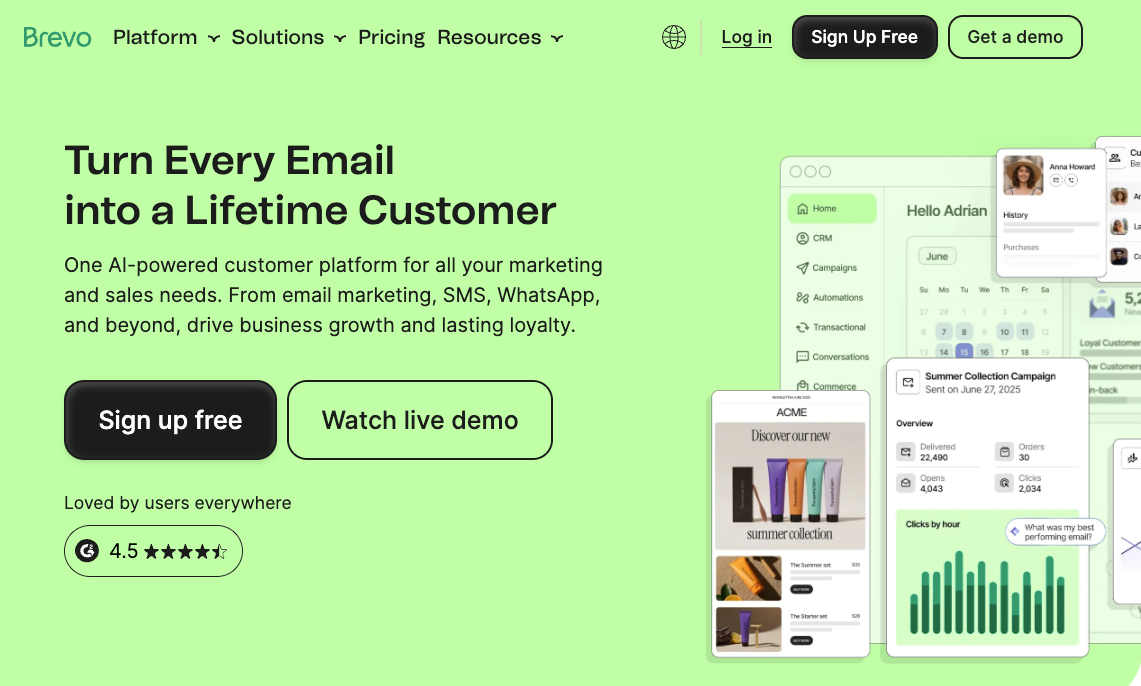
Build the same welcome or nurture sequence in both. Count the approval steps, manual fixes, and settings the owner must remember next month.
CRM-Centered Platforms
HubSpot fits when the CRM record is the operating center for marketing and sales. It becomes more compelling when one team captures demand and another team follows up inside the same customer record.
Test the handoff before buying the wider platform story. Confirm paid seats, billable contacts, and features that sit above the entry tier.
Ecommerce-Centered Platforms
Klaviyo suits stores that want detailed customer profiles, commerce events, segmentation, and lifecycle flows in one marketing environment. Omnisend also centers ecommerce messaging, with email, SMS, and push options depending on plan and account conditions.
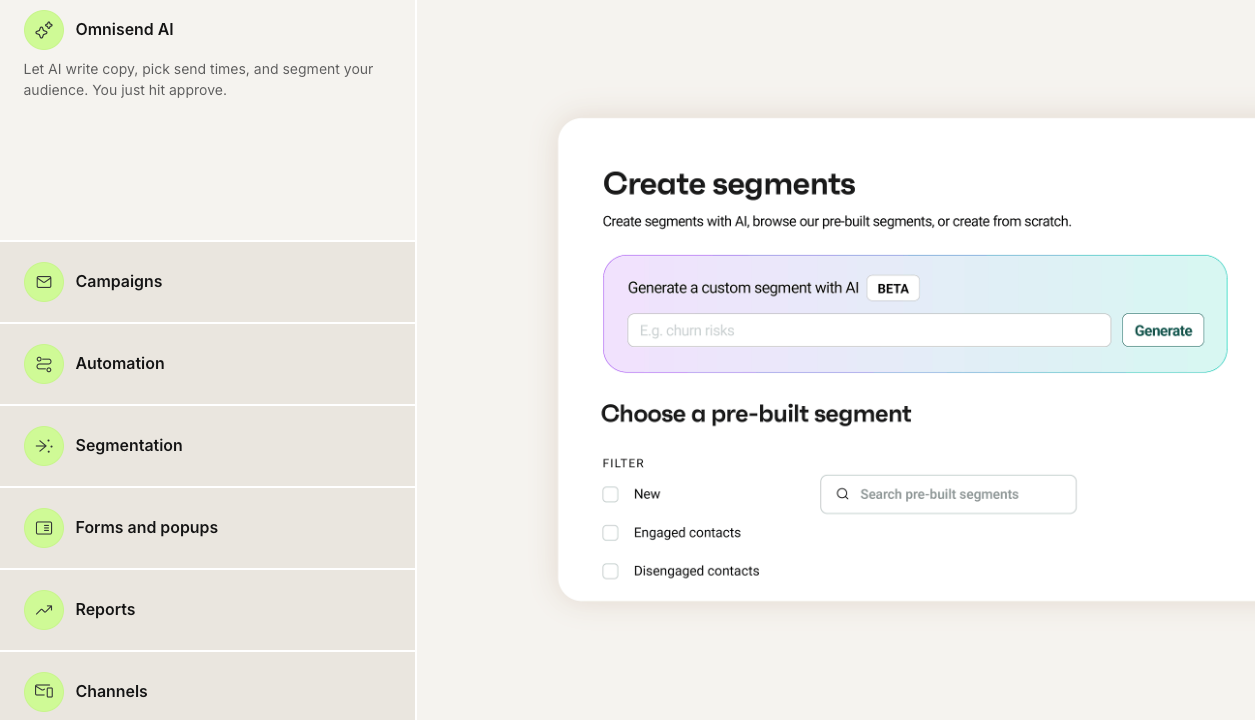
The better choice among these marketing automation tools depends on your store connection, profile count, channels, and daily maintenance. Test a normal order, a cancellation, an unsubscribed shopper, and a repeat customer.
Compare the Costs Beyond the Subscription
The monthly price is only the visible part of ownership. A fair comparison includes migration, data cleanup, implementation, message production, training, monitoring, and the work required when a campaign breaks.
Use the same assumptions for every quote:
- Current and projected marketable contacts
- Expected monthly email, SMS, or other channel volume
- Number of builders, reviewers, and reporting users
- Required CRM, store, form, analytics, and ad connections
- Workflows included at launch
- Support, migration, and onboarding needs
For a deeper budgeting model, use the marketing automation pricing guide. This comparison stays with the software decision and its maintenance burden.
Contact, Seat, and Channel Limits
“Contacts” can mean stored records, marketable people, active profiles, or recipients reached during a billing period. Ask each vendor to calculate your account using a sample export. Include unsubscribed, duplicate, and inactive records so the estimate reflects the database you actually have.
Seats matter when a marketer builds campaigns, a manager approves them, and sales needs reporting. Channel pricing may sit outside the base subscription, particularly for SMS or high-volume sending. Record the overage rule, upgrade trigger, and contract term beside the headline price.
Setup, Data Cleanup, and Ongoing Ownership
Someone must map fields, connect domains, authenticate integrations, rebuild templates, test messages, and document the finished setup. After launch, that owner handles broken connections, plan changes, staff access, stale content, and reporting questions.
Name that person before purchasing. If no one has the time or access to maintain the account, a low subscription price is misleading. The team is buying an unfinished operating responsibility.
Choose DIY Setup or Implementation Help
DIY setup makes sense when the first campaign uses one clean data source and a standard integration. It also needs a reviewer who can test the result. Keep the launch narrow enough that the same person can explain every trigger and field.
Implementation help becomes more useful when records must be merged, lifecycle stages need redesign, or several systems must agree on consent and ownership. Ask for a fixed starting scope, named deliverables, administrator access, documentation, and an export test before the engagement ends.
SpringBrand helps small teams use an AI agent and plugin layer around a defined business problem. It neither supplies the marketing platform nor guarantees campaign results.
If your chosen platform still leaves a multi-step process disconnected, explore SpringBrand after documenting the data, approvals, and human owner.
FAQ
Which platforms offer discounts for startups or nonprofits?
Programs change, but Mailchimp currently publishes a nonprofit discount, while HubSpot runs an eligibility-based startup program. Apply before purchase and verify the eligible plan, term, renewal price, and required documentation. Do not assume a general promotion will stack with either program.
Can marketing automation software manage consent rules by region?
Many platforms can store subscription status, segment by location, and suppress contacts by channel. They do not decide which legal basis or notice your business needs. The FTC’s CAN-SPAM guidance covers U.S. commercial email, while other regions apply different rules.
Have a qualified reviewer confirm the configuration for each market; this is general information, not legal advice.
How portable are templates, segments, and engagement histories?
Contact tables are usually the easiest asset to export. Template designs may require HTML or manual rebuilding. Segments often depend on platform-specific fields and logic, while engagement history may export without recreating the original reports. Request sample exports before migration and price the rebuild separately.
Can one account keep several brands or business units separate?
Sometimes, but “separate” can refer to branding, permissions, domains, subscription types, or billing. HubSpot offers a paid Brands structure under specific account conditions; other platforms may use audiences, subaccounts, or separate accounts. Test user isolation and opt-out behavior before consolidating brands.
Which platforms support custom attribution windows?
Klaviyo currently documents configurable attribution windows for its messaging channels. Other products may offer fixed windows, report-specific models, or advanced attribution only on certain tiers. Compare definitions as carefully as settings: changing a window can change reported credit without changing customer behavior.
Conclusion
The right small business marketing automation software earns its place by handling one important campaign without creating a larger maintenance problem. Email-first teams can begin with Mailchimp or Brevo. CRM-led B2B teams should examine HubSpot, while stores can start with Klaviyo and Omnisend.
Take two candidates into the same real-world test. Use your own contact count, one required integration, an ordinary campaign, and a messy exception. The better platform is the one your team can understand, own, and repair after the salesperson leaves the call.