OpenDuet vs SpringBrand: Hosting and Workflow Fit
Written by
Alex
Springbrand Researcher

Reviewed by
Springbrand Audit Team
Editorial review team
Springbrand Audit Team supports editorial quality through source checking, clarity, and consistency across the blog.
Updated
Published
Compare openduet vs springbrand for one recurring team workflow, focusing on hosting, task design, and review responsibilities.
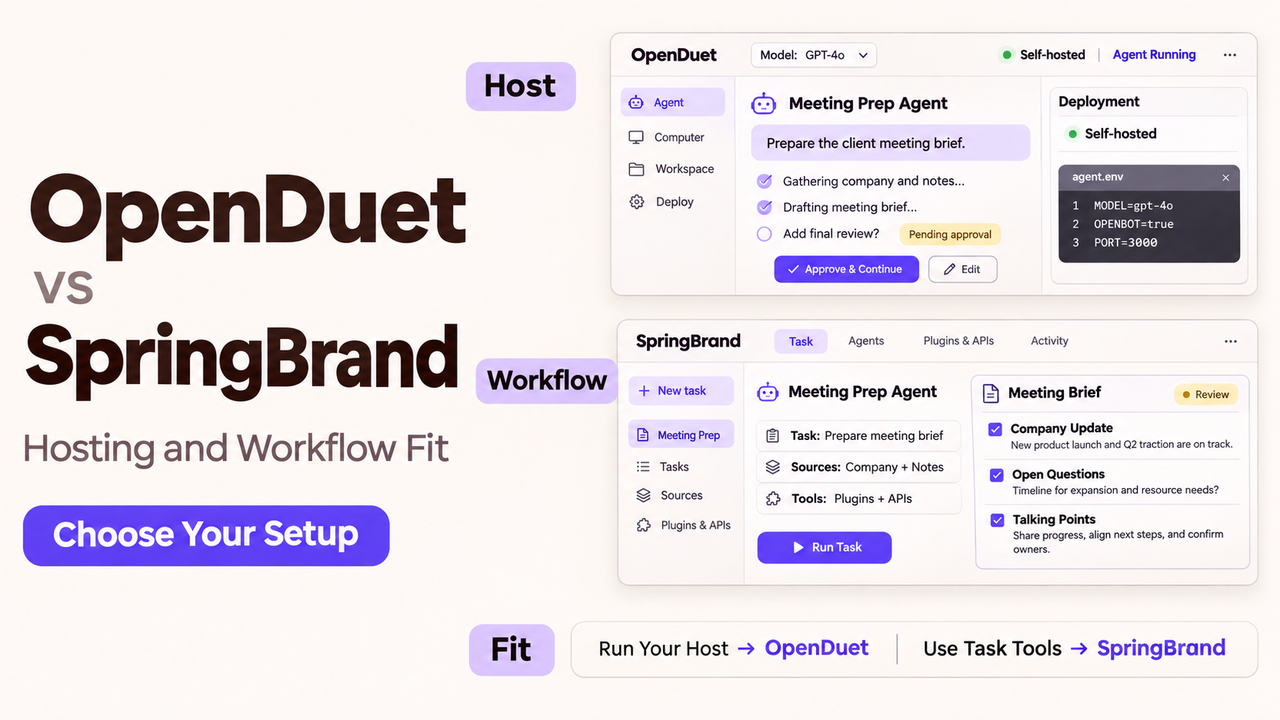
OpenDuet earns a closer look when your team needs to change how an agent runs or waits for approval. For a weekly feedback digest, I’d want a specific reason to operate another platform. Supplying an approved export to a reusable analysis task may already cover the work.
This SpringBrand comparison uses a proposed weekly feedback digest to examine the setup and maintenance each route requires. It draws on product documentation checked November 3, 2026, including hosting requirements and approval controls.
What Is the Recurring Team Task?
The team needs a draft for its weekly operations meeting. An operator supplies the current CSV with unnecessary personal information removed. The digest groups recurring issues, flags comments needing follow-up, and points back to the rows behind its findings.
Consistent counting matters as much as a readable summary. Several comments from one customer can indicate repeated frustration, but they should not become several affected customers. If the export has no permitted identifier for that distinction, the digest should report comments and leave the customer count unresolved.
The reporting period and grouping rules stay the same each week. The manager needs to see which comments support each grouping before circulating the draft. A missing or outdated export should stop that week’s analysis with an explanation; quietly reusing last week’s file would give the meeting an answer to the wrong question.
Automatic customer replies fall outside this assignment.
What Does Each Route Require to Start?
OpenDuet puts the software under the team’s care. SpringBrand’s app offers a hosted place to configure and save the task. That difference will matter long after the first digest looks acceptable.
The OpenDuet quick start requires Docker, Bun, Node, a model key, and a CopilotKit Intelligence project. It starts PostgreSQL, Bot computers, an API server, a routine worker, and the app. Intelligence supplies threads and memory, so following this quick start does not produce a fully offline setup.
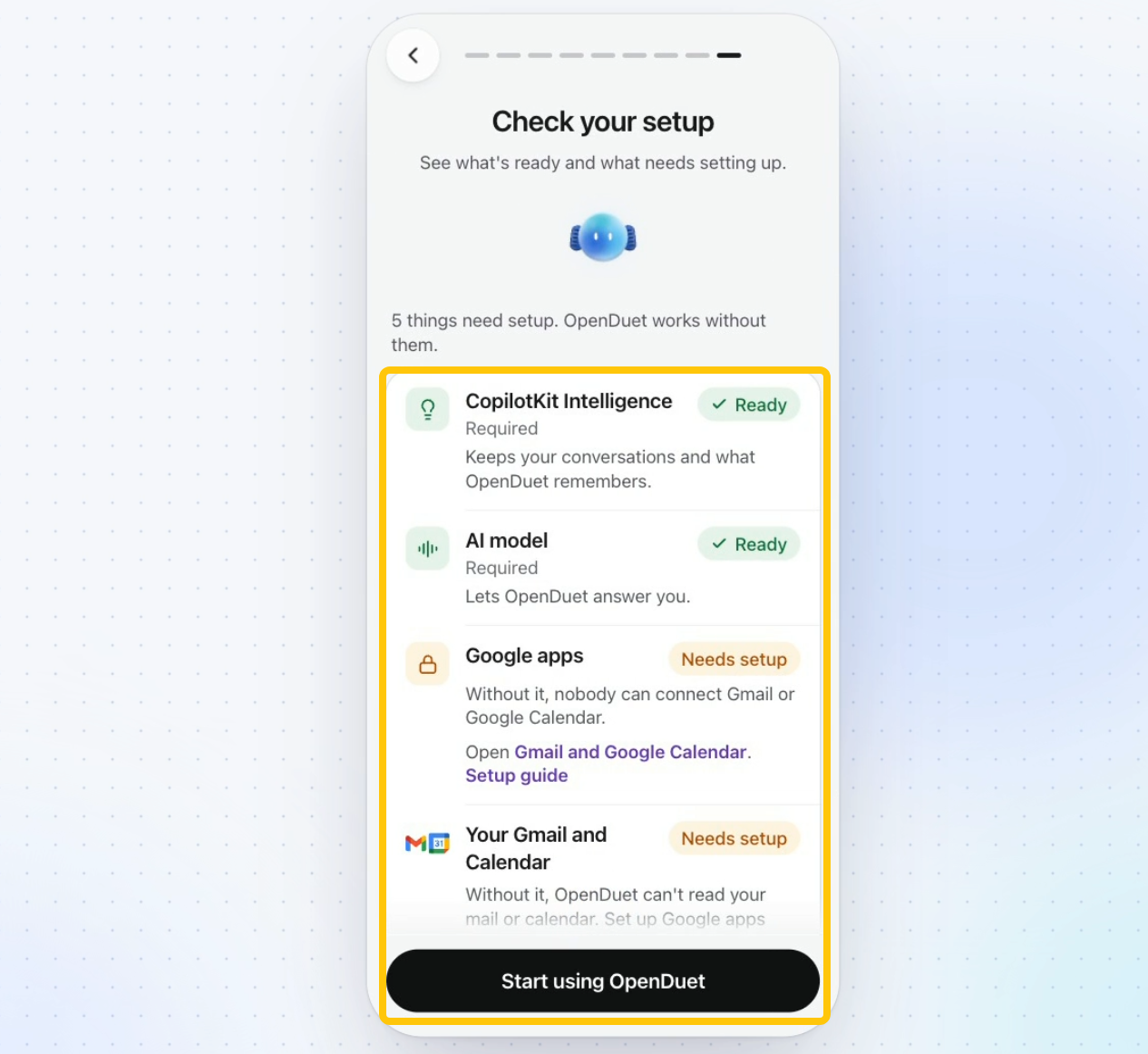
The README also calls the project early and actively changing. Its source quick start is the supported OpenDuet path; the included OpenBot deployment guides deploy plain OpenBot. A successful local launch would therefore leave the team with production-deployment questions to resolve.
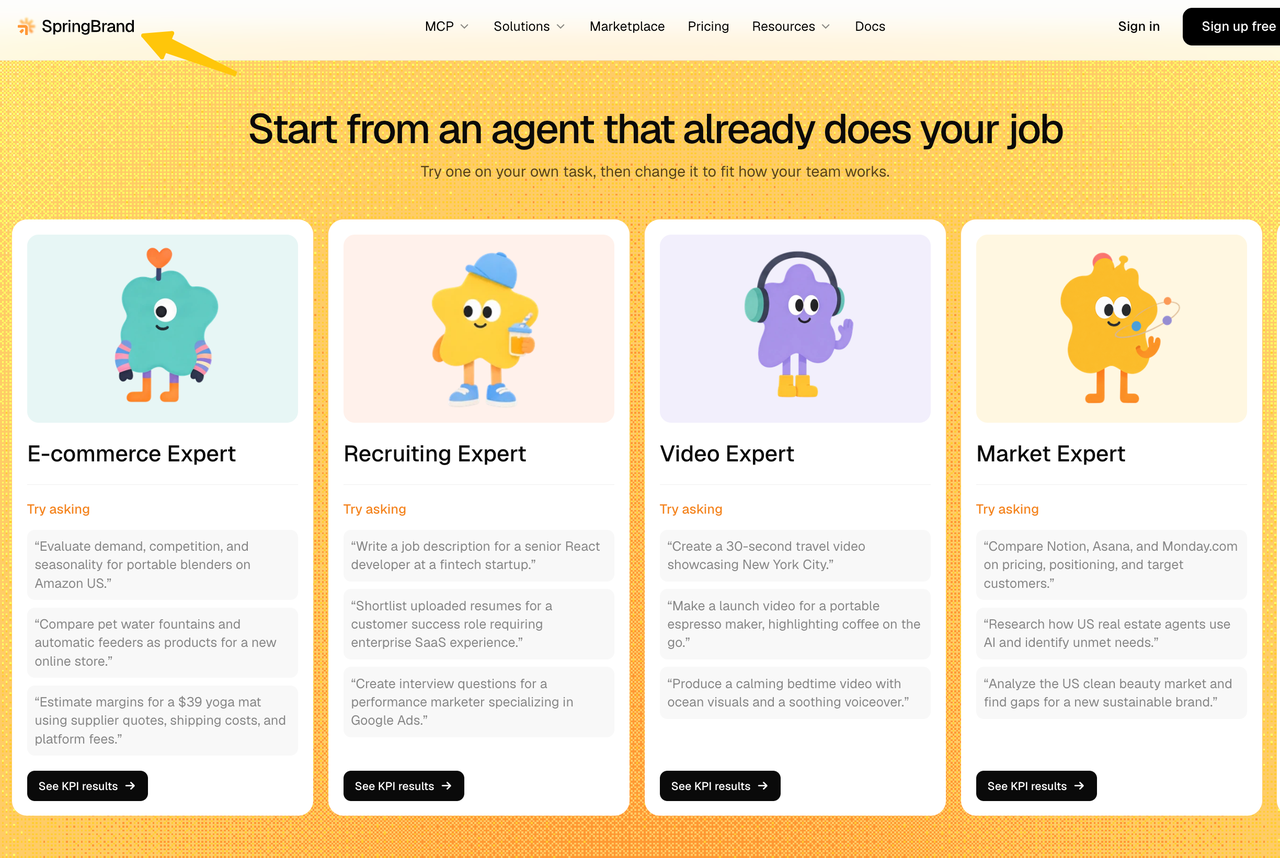
SpringBrand’s hosted agent app describes saving instructions and tools as an agent colleagues can reuse. That is the workflow builder route considered here. Its connected-agent route lets an existing agent use available Plugins and APIs, with that client remaining part of the team’s setup.
For this digest, the practical question is whether maintaining OpenDuet lets the team do something it actually needs. Control over the software can justify that work. A requirement to summarize the same kind of export every Friday may not.
Where Are Task Steps and Approvals Defined?
The digest needs clear analysis instructions wherever it runs. OpenDuet also exposes configuration for scheduled work and action policy. Those controls become relevant when the team wants more than a draft returned for review.
OpenDuet’s tenant configuration holds Bot instructions and Skills in a configurable package. For this task, the instructions would set the reporting period, grouping rules, and draft format. A Skill can name the tools it needs, but those tools must also be available and granted to the Bot.
A Routine supplies a standing scheduled instruction and runs with its creator’s access. The worker must be running for it to fire. Someone also needs to make the current export available; putting “every Friday” in a schedule does not solve that part.
OpenDuet’s action gateway evaluates policy and records decisions. Configured rules can make an action wait for approval. That pause controls whether the action proceeds; the manager still has to decide whether the draft counted and grouped the feedback correctly.
SpringBrand states a native approval limitation: it has no mid-run human approval step. A draft that waits outside the workflow can be enough for this meeting. The task finishes, the manager reviews it, and the manager decides what to circulate.
The requirement changes if the team wants the agent to prepare the digest, pause for a decision, and then distribute it within the same run. That is where OpenDuet’s configured approvals deserve closer evaluation.
Which Route Fits Each Team?
OpenDuet is worth a technical evaluation when the team has a concrete change to make in the running software and someone who can maintain it. SpringBrand is worth considering when the task can be expressed as reusable instructions using supported capabilities.
| Requirement for this digest | Documented basis | What it means for the choice |
|---|---|---|
Change the Bot’s instructions, tools, or runtime behavior in your own source tree | OpenDuet exposes its tenant package and underlying OpenBot code | The ability to make those changes may justify maintaining the platform |
Produce a repeatable draft from an approved export | SpringBrand describes saved agents and analysis of supplied data | Evaluate the analysis task before taking on another platform to operate |
Require a person to approve an action during execution | OpenDuet documents policy-driven approvals; SpringBrand states a native mid-run limitation | Evaluate OpenDuet’s configured behavior rather than assuming equivalent approval steps |
Keep the entire setup offline | OpenDuet’s quick start requires Intelligence for threads and memory | The supplied quick start does not establish an offline deployment |
These are documented differences applied to one assignment, not benchmark results. Neither hosting choice establishes that the digest will distinguish repeated comments from affected customers.
For a digest that stops at a draft, I’d first judge the analysis and the manager’s correction work. If the grouping needs extensive repair each week, more control over scheduling will not address the main problem.
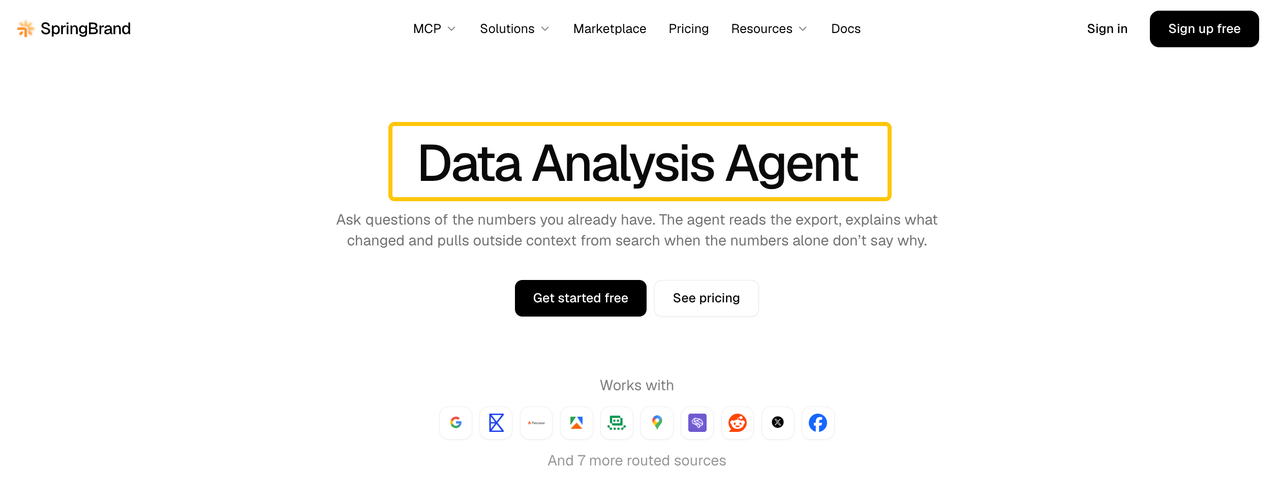
For the next feedback meeting, start with SpringBrand’s data-analysis approach using an approved export and a draft-only output.
FAQ
Is This OpenDuet the CopilotKit Project?
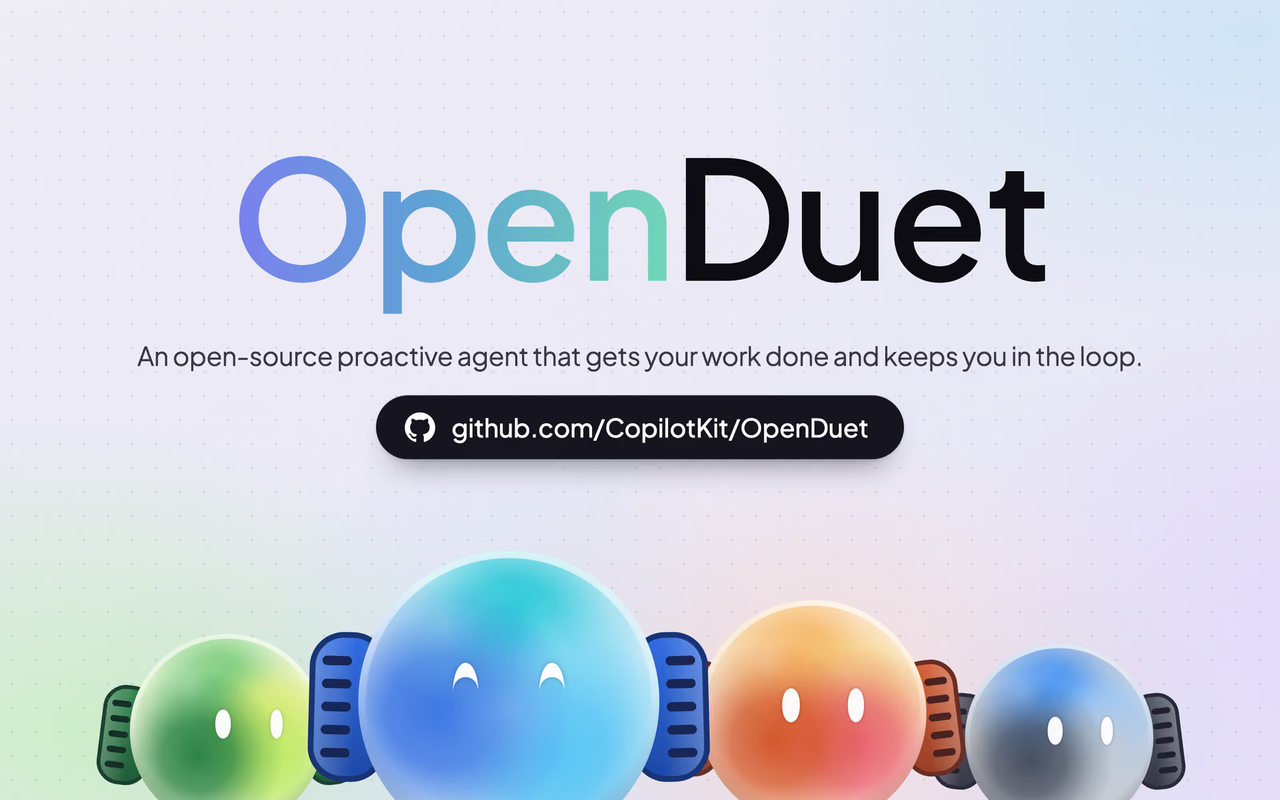
Yes. This comparison covers CopilotKit/OpenDuet, an early assistant built on CopilotKit’s OpenBot platform. OpenBot supplies the runtime foundation; the OpenDuet package adds its specific Bots, instructions, and branding. Other projects with similar names are outside this comparison.
Can an Existing OpenDuet Routine Be Exported?
The Routine guide does not define a portable export bundle. It says tenant packages cannot yet ship routines. Copying the tenant folder therefore should not be treated as moving its schedules, ownership, or run history; those need separate migration arrangements.
Can a Team Change OpenDuet’s Model Provider?
Yes. The tenant’s model configuration supports OpenAI or Anthropic. The selected model, credentials, and runtime settings need to agree. After a provider change, the team should compare the digest against known source rows, since grouping and tool behavior may differ.
Does SpringBrand Publish a Workflow Export Format?
The public setup Docs reviewed for this comparison do not define a portable workflow schema. A downloaded digest preserves the output without necessarily preserving the agent configuration. Teams that need an exit path should also retain their instructions and a description of the required tools and connections.
Can Existing OpenDuet Skills Be Imported Into SpringBrand?
A direct import is not documented in SpringBrand’s public setup guides. The instruction text can help define a new task, but tool references and connected accounts need mapping. Permissions must be established in the new setup; they do not travel with copied instructions.
Conclusion
Self-hosting makes sense when the team needs enough control over the running software to justify maintaining it. For this weekly digest, a reusable draft followed by manager review may be sufficient. A required pause before an action continues would change the choice—and is worth settling before anyone starts the deployment.
Explore SpringBrand
Turn ideas into working workflows
Connect agents, APIs and tools in one workspace. Start with a task you want to get done.
Get started free
One account. 10,000+ APIs & capabilities
Give your agent APIs and plugins without separate keys or integrations for every provider.
Explore APIs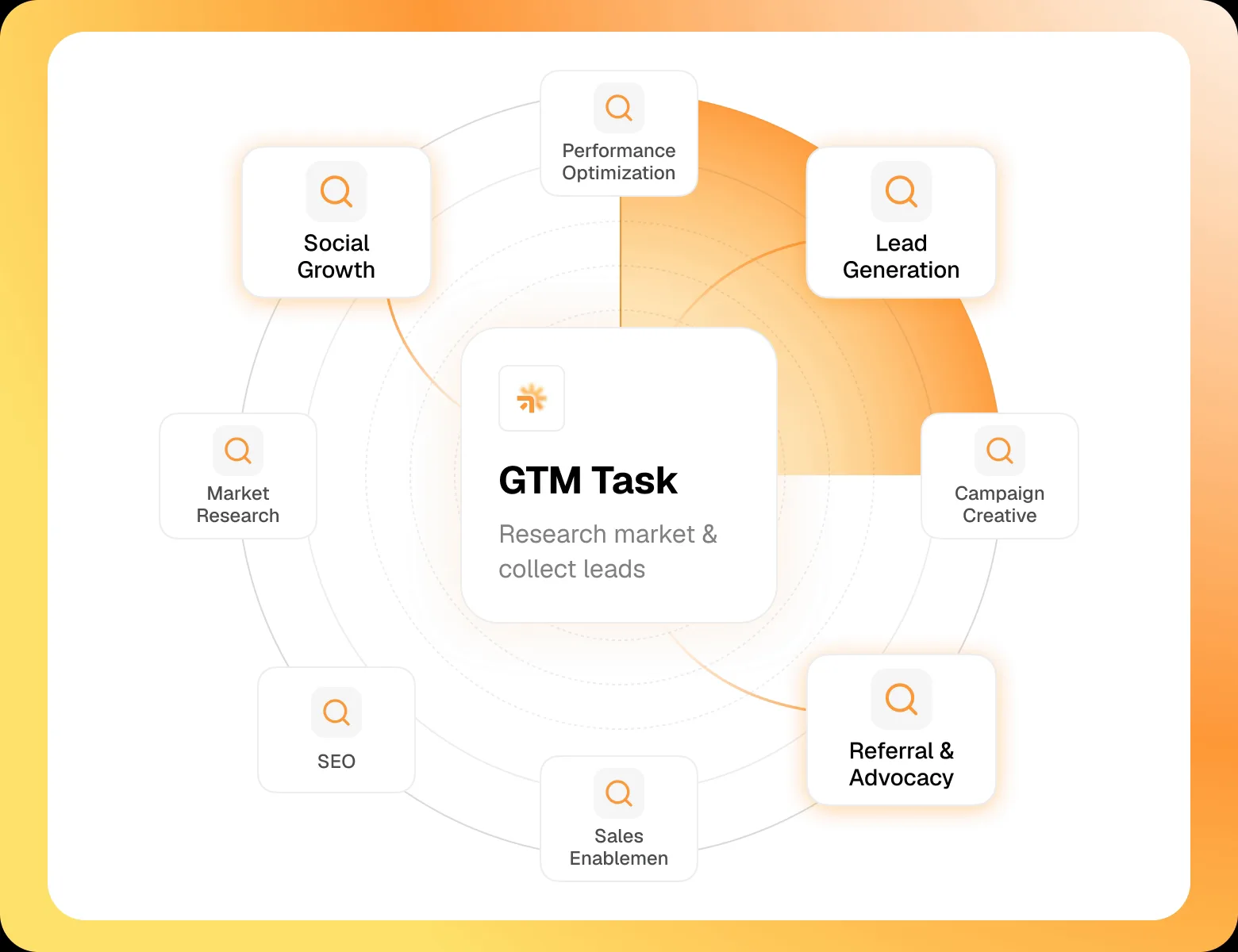
No tool expertise needed
Describe your GTM task. SpringBrand chooses the right APIs and plugins for your agent automatically.
Find tools for your task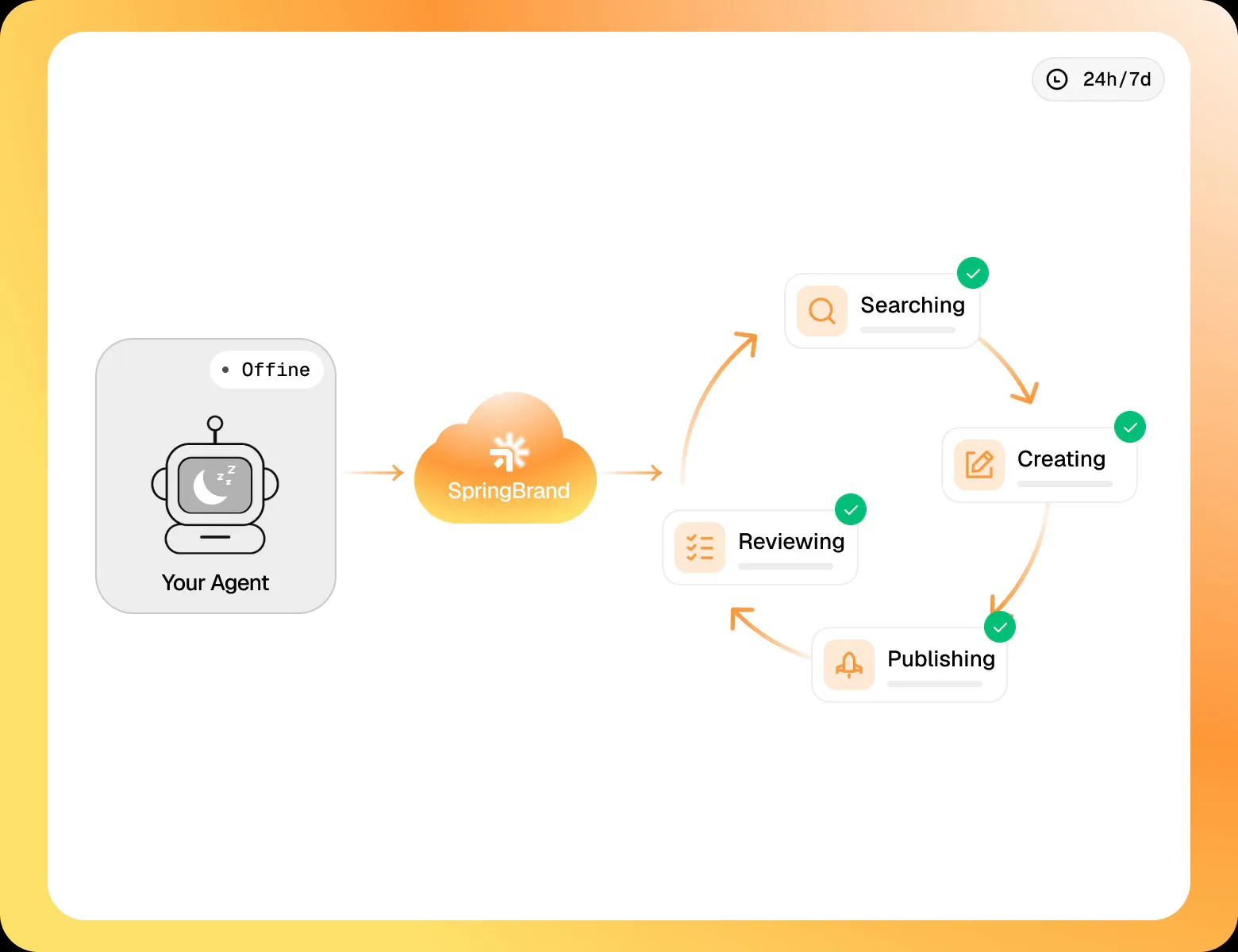
Run tasks 24/7
Connect your agent to SpringBrand to keep tasks running automatically, day and night.
Connect your agent