Zapier Alternatives for Small Teams and AI Workflows
Compare Zapier alternatives for small teams by workflow logic, AI support, deployment control, integrations, maintenance, and operating cost.
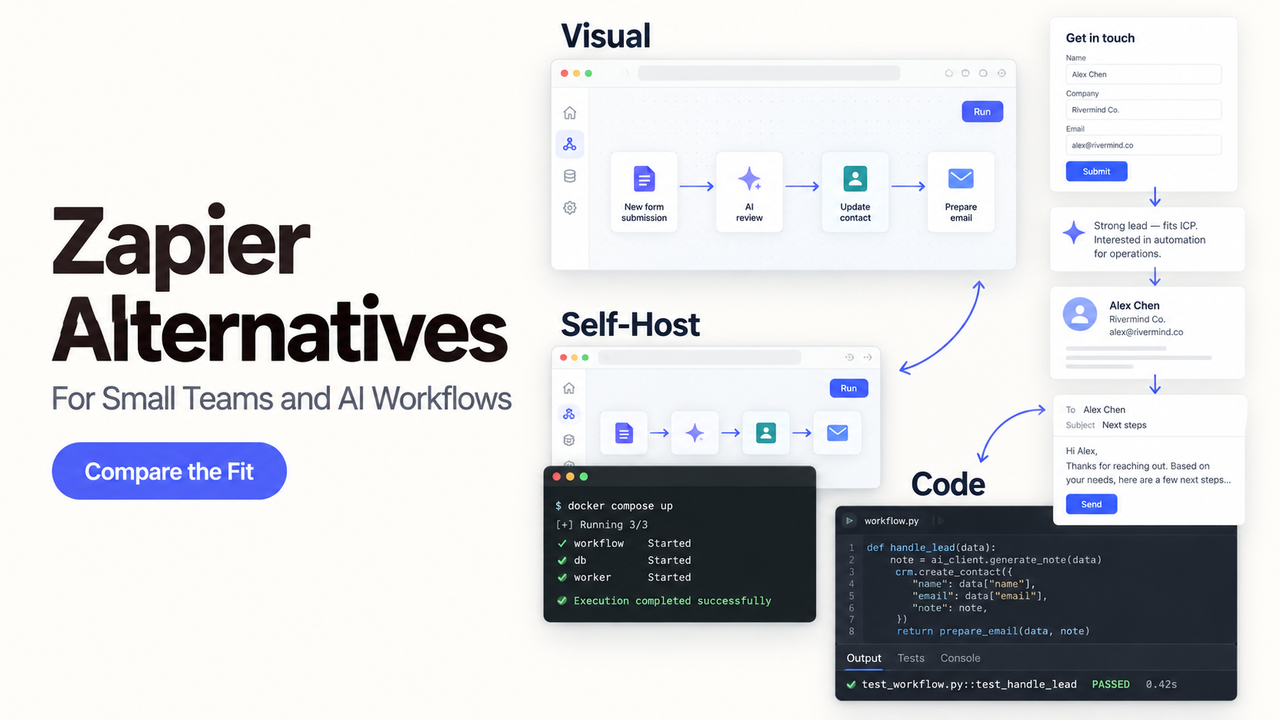
Leaving Zapier can be justified in five minutes and mishandled for weeks. The subscription may be the visible problem, while the migration work sits in webhook endpoints, field mappings, credentials, retry rules, and run history.
I’m Alex. This comparison starts with the reason your current workflow no longer fits. The right Zapier alternatives for complex visual logic, self-hosted control, developer-owned orchestration, and AI-led decisions are not the same products.
This documentation-based comparison is not a hands-on performance ranking. Product and pricing information was checked on September 17, 2026. Test one existing Zap before moving the rest.
Why Teams Look Beyond Zapier
Teams usually look beyond Zapier when a workflow outgrows a simple trigger-and-action structure, cost rises with volume, or deployment and recovery need tighter control. Migrate only if the replacement improves that constraint without creating a maintenance problem.
Write one sentence first: “We are leaving because ___.” If the answer is only a surprising invoice, inspect task usage before rebuilding working automations elsewhere.
Complex Logic and Long-Running Work
A workflow becomes harder to manage when it branches repeatedly, waits for another event, processes collections, or carries state across systems. The replacement must make those paths easier to inspect.
Make is a strong candidate when a business operator wants branching and data movement on a visual canvas. n8n becomes more relevant when a technical owner wants code, APIs, or control over where the platform runs. Pipedream fits teams that are comfortable treating the workflow as an engineering asset.
Test a timeout, rate limit, expired credential, and partial success. Retry support is incomplete if the owner cannot tell which steps already changed an external record.
Agent Decisions and Human Review
An agent-oriented platform fits when the next step depends on variable language or context rather than a stable condition. It should not replace deterministic rules that already work.
An agent may classify an unusual request and prepare a response. Fixed steps can validate fields, enforce an allowlist, request approval, and record the result. Lindy is one candidate because its current plans and approval model state that actions with outside impact wait for approval.
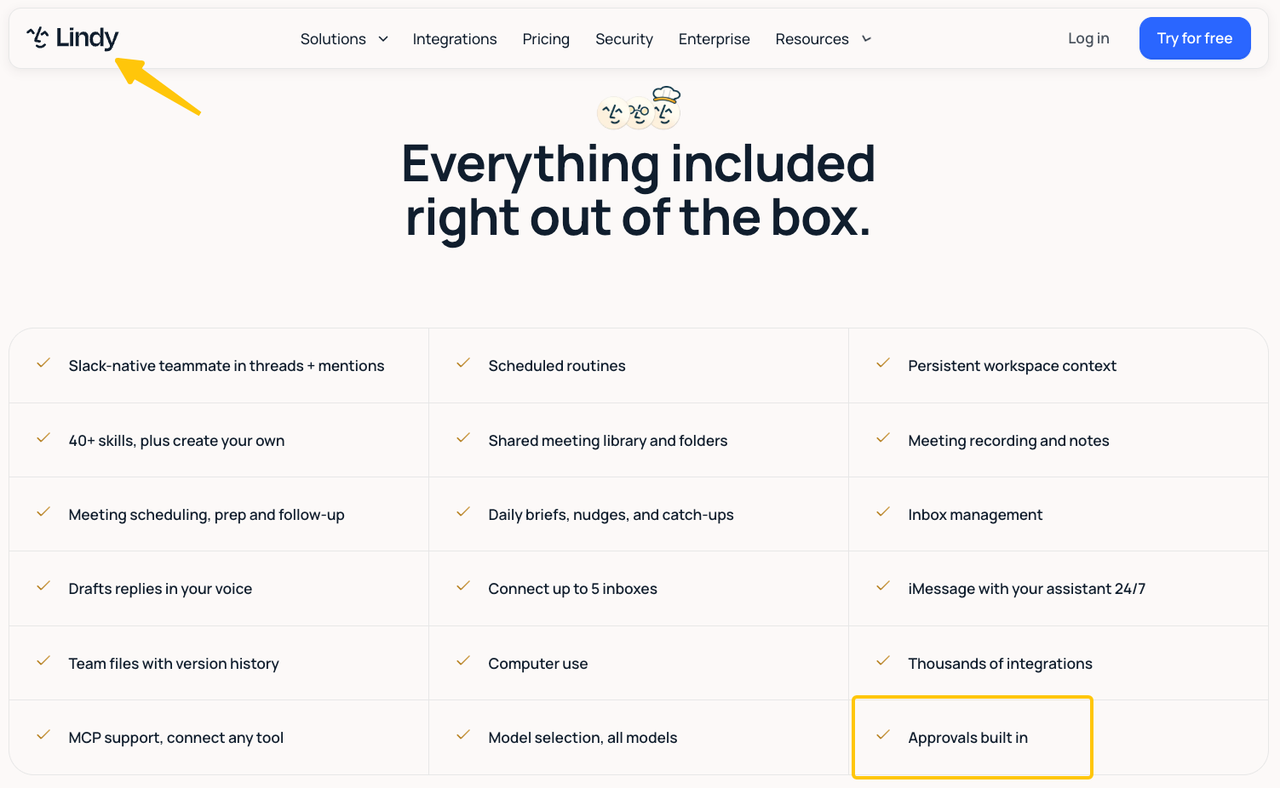
That approval claim does not prove that every connector exposes the fields or recovery behavior your workflow needs. Test the exact action, not the category label “AI workflow.”
How We Evaluated Zapier Alternatives
We compared each route against one workflow: receive a request, validate fields, look up a record, route an exception, prepare an update, obtain approval, and write the result.
The shortlist is a route map, not a universal ranking:
Reason for leaving Zapier | Candidate to examine | Strongest fit | Operating burden to accept |
Visual branching has become difficult to follow | Make | Business teams that want a graphical scenario | Credit use, mapping discipline, and scenario maintenance |
Hosting or execution control matters | n8n | Technical teams prepared to operate or govern the platform | Deployment, upgrades, credentials, and execution storage |
Custom code and source-controlled delivery matter | Pipedream | Developers combining prebuilt actions with code | Engineering ownership, testing, and platform-specific components |
Variable inputs need bounded judgment | Lindy | Teams that want an agent to prepare work and seek approval | Credit use, connection coverage, and review workload |
Integration Coverage and Action Depth
An integration logo does not prove the platform can perform your Zap’s action. Check the trigger, object, fields, pagination, attachments, and write operation separately.
Inventory the existing Zap. Mark each step as read, create, update, delete, notify, or approve, then verify the replacement at that level. A generic CRM connector may omit a required custom object or search rule.
Debugging, Recovery, and Maintenance
The owner must find a failed run, inspect important inputs, and determine what already happened. Check history length, safe replay, and version restoration.
A self-hosted platform shifts uptime, backups, upgrades, and incident response to your team or provider. A managed platform keeps more work with the vendor but may limit deployment or exports.
Use four migration tests: a duplicate event, a malformed record, an expired credential, and a rejected approval. Record whether the run stops visibly, preserves evidence, and can resume without repeating a successful write.
Pricing at Real Workflow Volume
Price the same 1,000 monthly events with identical steps, branches, retries, AI calls, data volume, seats, and history requirements.
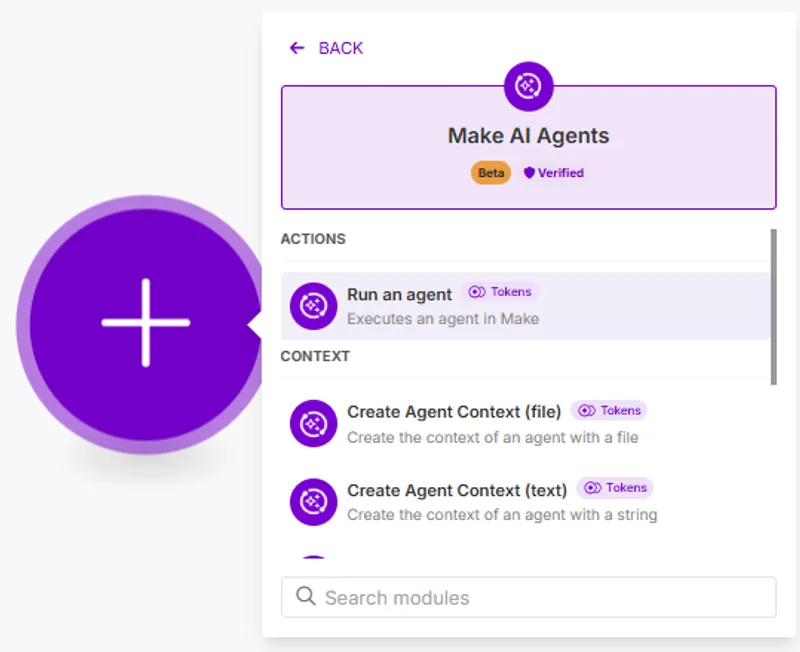
Billing units differ. Make a documents module and AI token use in its current credit guidance. n8n prices hosted plans around executions, Pipedream meters compute, and Lindy combines seats with credits. Headline prices are not equivalent.
Add hosting, monitoring, credential rotation, test environments, upgrades, and diagnosis time. A lower software bill can still produce a higher operating cost.
Zapier Alternatives by Workflow Need
Choose the category that addresses the reason for moving. The four candidates below overlap, but their default operating models lead to different migration work.
Visual Automation for Business Teams
Make fits operators who want branches, filters, iterators, and data movement on one canvas, with ownership remaining with a business automation lead.
Rebuild one scenario and count credits for a normal run, an empty trigger check, a multi-item bundle, and a retry. A visually complete flow may still depend on an HTTP module or unsupported field.
Self-Hosted Control for Technical Teams
n8n fits when deployment control matters more than no-code convenience. It offers managed cloud and self-hosted routes, but self-hosting transfers more runtime responsibility to the team.
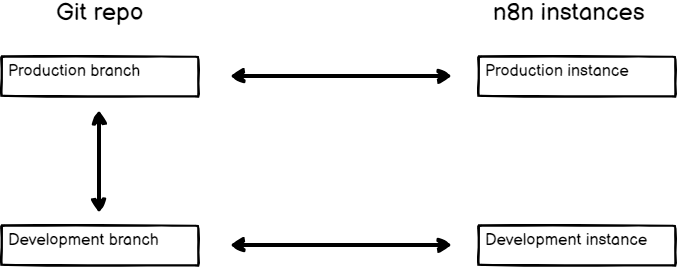
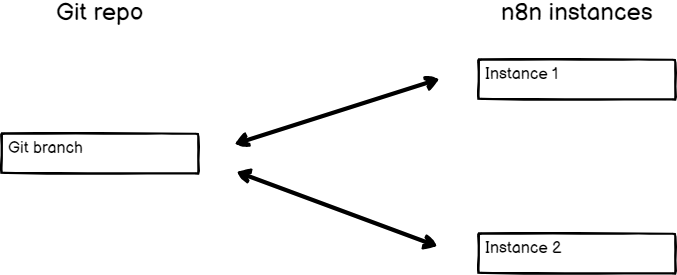
This route needs an owner for databases, keys, backups, upgrades, queues, logs, and recovery. Use n8n’s documented development and production environment pattern to estimate the release process, not just the build.
Code-First Orchestration for Developers
Pipedream fits developers who want prebuilt app actions beside custom Node.js or Python steps. It can handle authentication and triggers while leaving transformation and API logic in code.
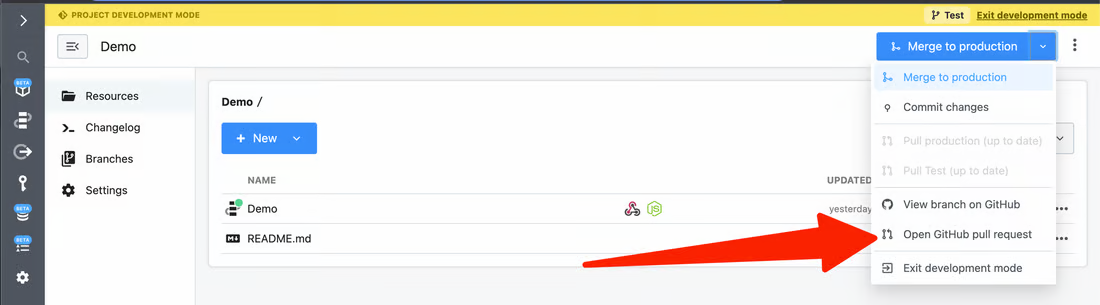
Someone must review dependencies, test payload changes, and distinguish reusable components from local code. Pipedream’s GitHub Sync workflow documents development branches, a production branch, and pull-request-based promotion.
AI-Native Agent Workflows
Lindy fits when variable requests are central, and a person should approve outside actions. It is not the default for high-volume, deterministic data movement.
Give the agent a narrow outcome, approved tools, an output format, and a stop condition. Measure corrections. If review takes longer than the original decision, the agent has only moved the work.
Migration Risks to Check
A Zap cannot be assumed to import cleanly elsewhere. Treat it as process evidence, then rebuild and verify its behavior.
Rebuilding Triggers and Data Mappings
Inventory the trigger, polling interval, webhook owner, sample payloads, filters, paths, transformations, time zones, and deduplication keys.
Record each field’s type, allowed values, null behavior, and owning system. During cutover, prevent both workflows from writing the same record unless the action is deliberately idempotent.
Replacing Credentials and Error Paths
Authorize new connections in the destination and name a business owner for every account. Personal credentials create an offboarding risk even when the workflow runs correctly.
Recreate notifications, retry limits, failed-run handling, and recovery instructions. Start in read-only or shadow mode. Use disposable records for write tests and confirm how to reverse each change.
Choose the Right Migration Path
Stay on Zapier if the workflow remains understandable, its actions fit, and usage can be simplified. A longer feature list is not a reason to migrate.
Choose Make for visual branching, n8n for technically owned deployment control, Pipedream for code-reviewed delivery, and Lindy for contextual decisions with approval.
If the real requirement is to keep two systems continuously aligned, compare a synchronization product before rebuilding two opposite automations. If only one connector is missing, an API adapter may be smaller than a platform migration.
SpringBrand publishes this guide and is not ranked as a Zapier replacement. Its current site positions SpringBrand as an AI-native plugin marketplace that gives an existing agent access to GTM capabilities, not as a general workflow runtime.
Check the available SpringBrand agent capabilities only if your chosen workflow needs a verified GTM tool after its trigger, controls, and review path are defined.
FAQ
Can Zapier workflow history be exported before migration?
Yes. Zapier currently allows up to 5,000 Zap runs to be exported at a time as CSV or JSON. Its broader account export includes workflow data and task-history download URLs.
Use Zapier’s history and account export instructions before the cutover. The result is evidence for rebuilding and auditing; it is not a documented one-click import into the alternatives in this shortlist. Export connection metadata too, but expect to authorize credentials again.
Which alternatives support two-way sync instead of trigger-action runs?
Unito is a purpose-built option for two-way synchronization between supported work tools. Its field-mapping documentation allows compatible field pairs to update in one direction or both directions.
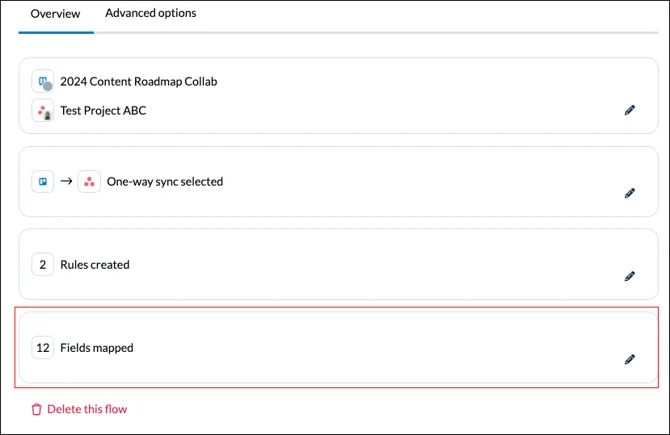
Coverage depends on the exact pair of tools and fields, and some mappings remain one-way. General automation platforms can imitate bidirectional updates with two workflows, but the team must prevent loops, duplicate creation, and conflicting writes.
Which alternatives provide separate staging and production environments?
Pipedream and n8n document development-to-production patterns, but availability and setup differ. Pipedream uses GitHub branches and production promotion; n8n’s documented environment pattern uses separate instances connected through source control.
Do not treat a test button as a staging environment. Confirm separate credentials, endpoints, data, secrets, and release permissions before relying on the separation.
Can one alternative run both cloud and self-hosted workers?
Not as one interchangeable worker pool across the four shortlisted products based on the public documentation reviewed. n8n offers cloud and self-hosted deployment choices. Make’s on-premises agent lets eligible cloud customers reach local HTTP systems; it does not self-host the Make runtime.
Ask the vendor to diagram the control plane, execution plane, credential location, logs, and failover route. “Hybrid” can describe several different architectures.
Can an alternative reuse existing webhook URLs without changing upstream apps?
Usually not when the upstream app points directly to a Zapier-owned webhook URL. The replacement platform normally creates its own endpoint, so the sender must be updated.
An endpoint on a domain your team controls can preserve a stable public URL while routing traffic to a new backend. This is an architectural option, not an automatic migration feature. Keep the old workflow from processing the same events during the switch, and test signatures, authentication, responses, and retries.
Conclusion
The best Zapier alternatives solve a named constraint without transferring the workflow to an owner who cannot maintain it. Make favors: visual business automation, n8n offers more deployment control, Pipedream fits developer-owned orchestration, and Lindy is worth testing for bounded agent decisions with approval.
Start with one Zap, preserve its history, rebuild its mappings and error paths, and test ordinary and failed cases on the same cost basis. Move the next workflow only after the replacement is easier to understand, recover, and own.
Recommended Reads
- Lindy AI Review for Small-Business Inbox Workflows
- Marketing Automation Workflow for Small Teams
- AI Agent Development Services: A Buyer’s Guide
- Skydive AI for Small Business: What It Can Do