How Much Does DeepSeek Harness Cost in a Website Project?
How much does DeepSeek Harness cost in a website project? Separate tool and API charges from provider labor, review, maintenance, and handoff.
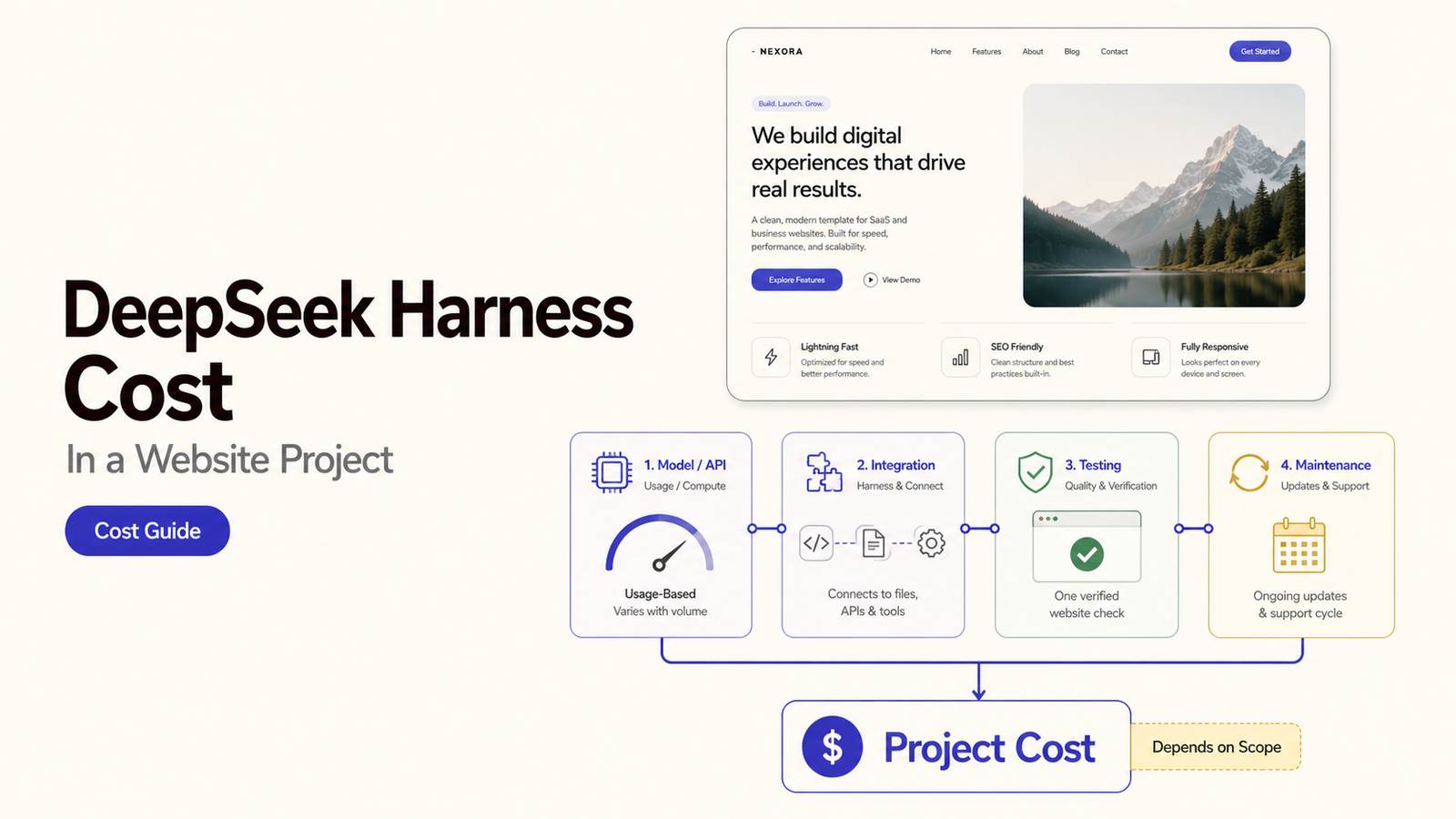
A website proposal lists DeepSeek Harness as part of the development workflow, followed by one combined project fee. The buyer cannot tell whether that amount covers software, model usage, development labor, testing, maintenance, or all five.
So, how much does DeepSeek Harness cost? As of August 14, 2026, the official project is publicly available under the MIT License, and DeepSeek does not list a separate Harness licence charge. A website project still has no single Harness-based price. The total depends on API consumption, infrastructure, provider labor, review, rework, maintenance, and handoff.
I’m Alex. This guide shows how to separate those amounts before accepting a website development quote.
How Much Does DeepSeek Harness Cost in a Website Project?
Start with this cost structure:
Total website-project cost = Harness-related setup + model/API usage + infrastructure + provider labor + testing and rework + maintenance + handoff + applicable taxes
The Harness line may be small or absent as a separate charge. The service around it can be much larger.
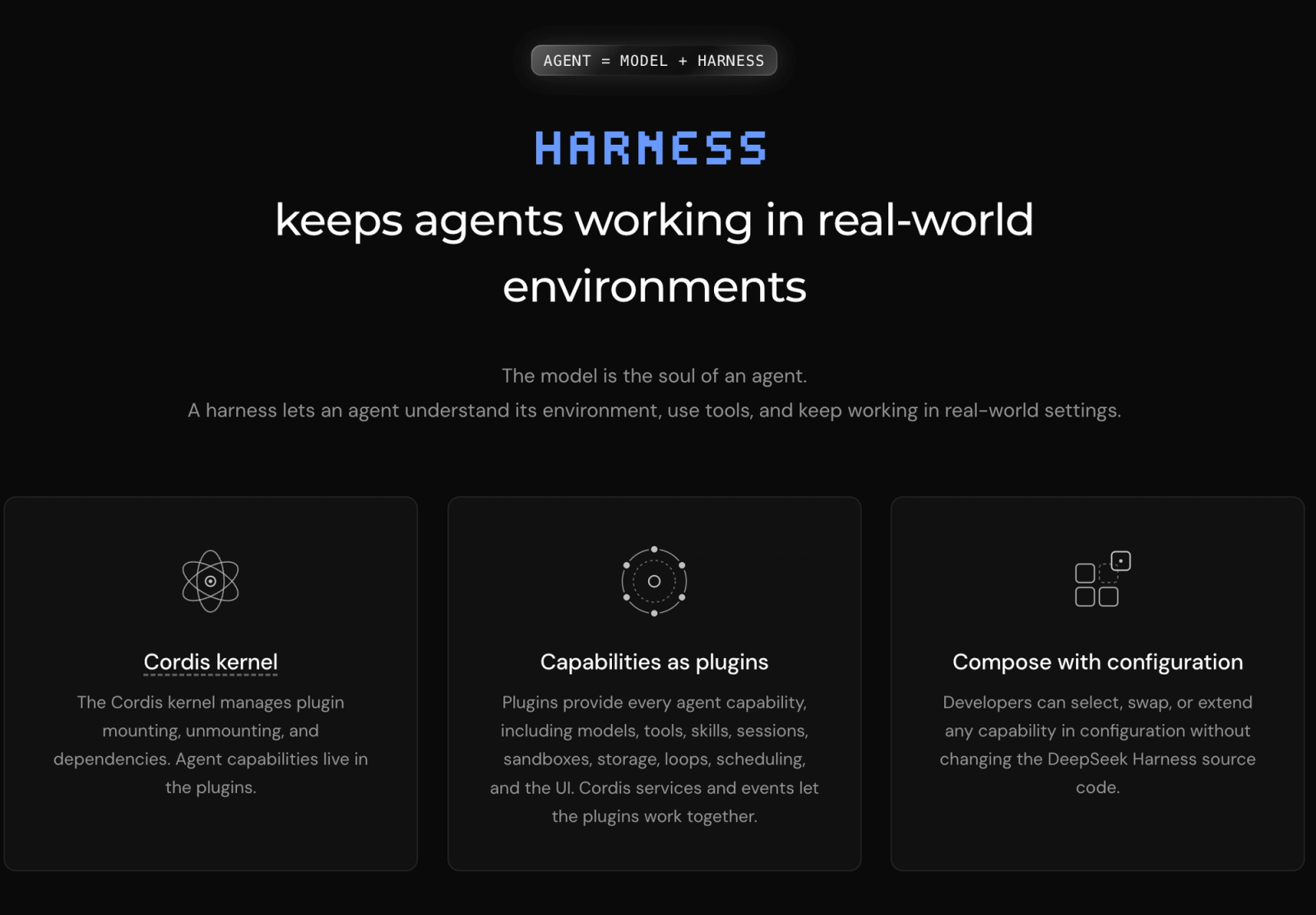
The official DeepSeek Harness page identifies the product as open source and currently in Developer Preview. Open-source access does not include website planning, configuration, hosting, model usage, implementation, testing, technical support, or future maintenance.
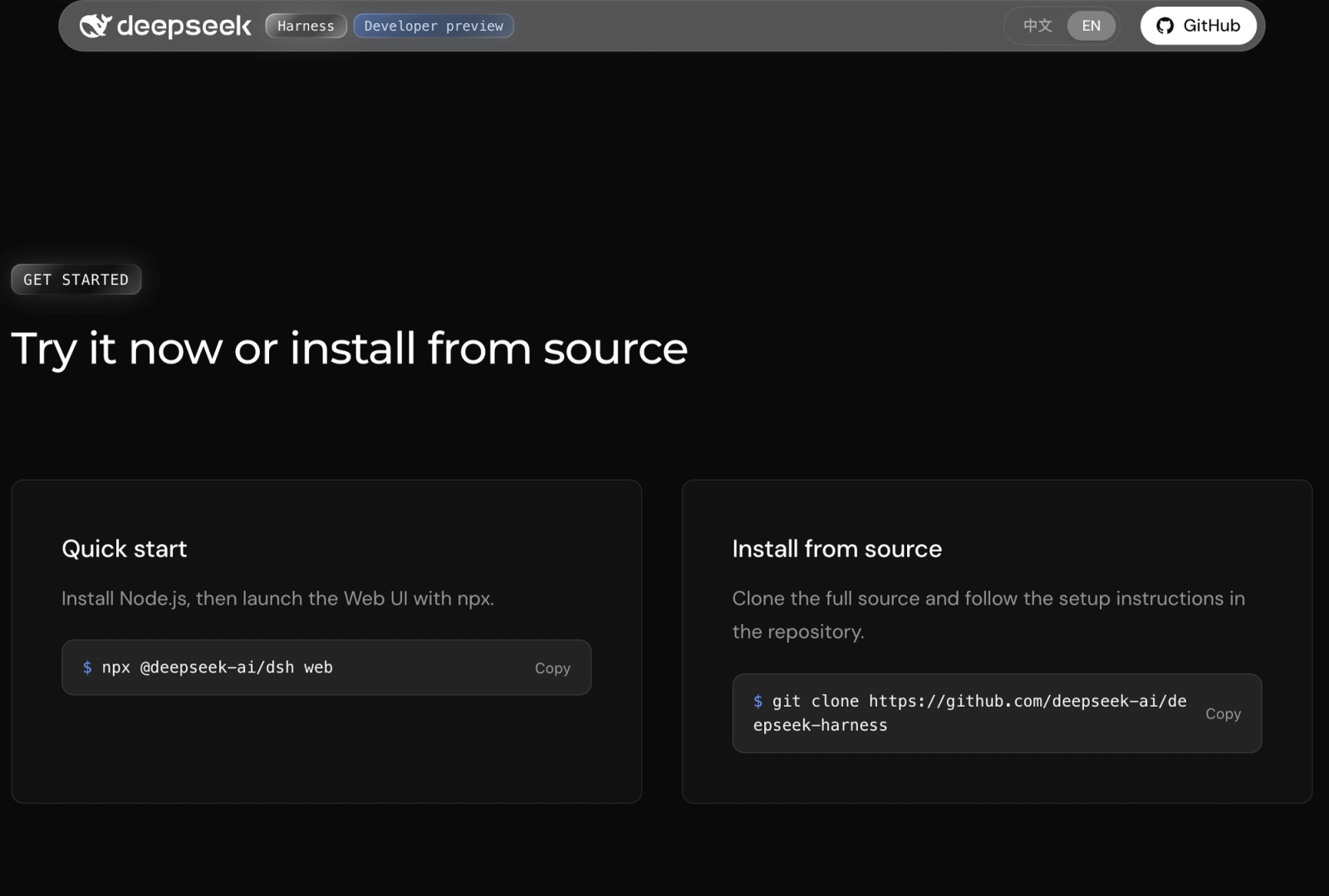
A provider should therefore explain what each quoted amount purchases. “Powered by DeepSeek Harness” is a workflow description, not a complete pricing unit.
Separate Tool Access From the Website-Service Quote
Do not compare one combined number until the provider separates the underlying cost categories.
Repository and License Terms
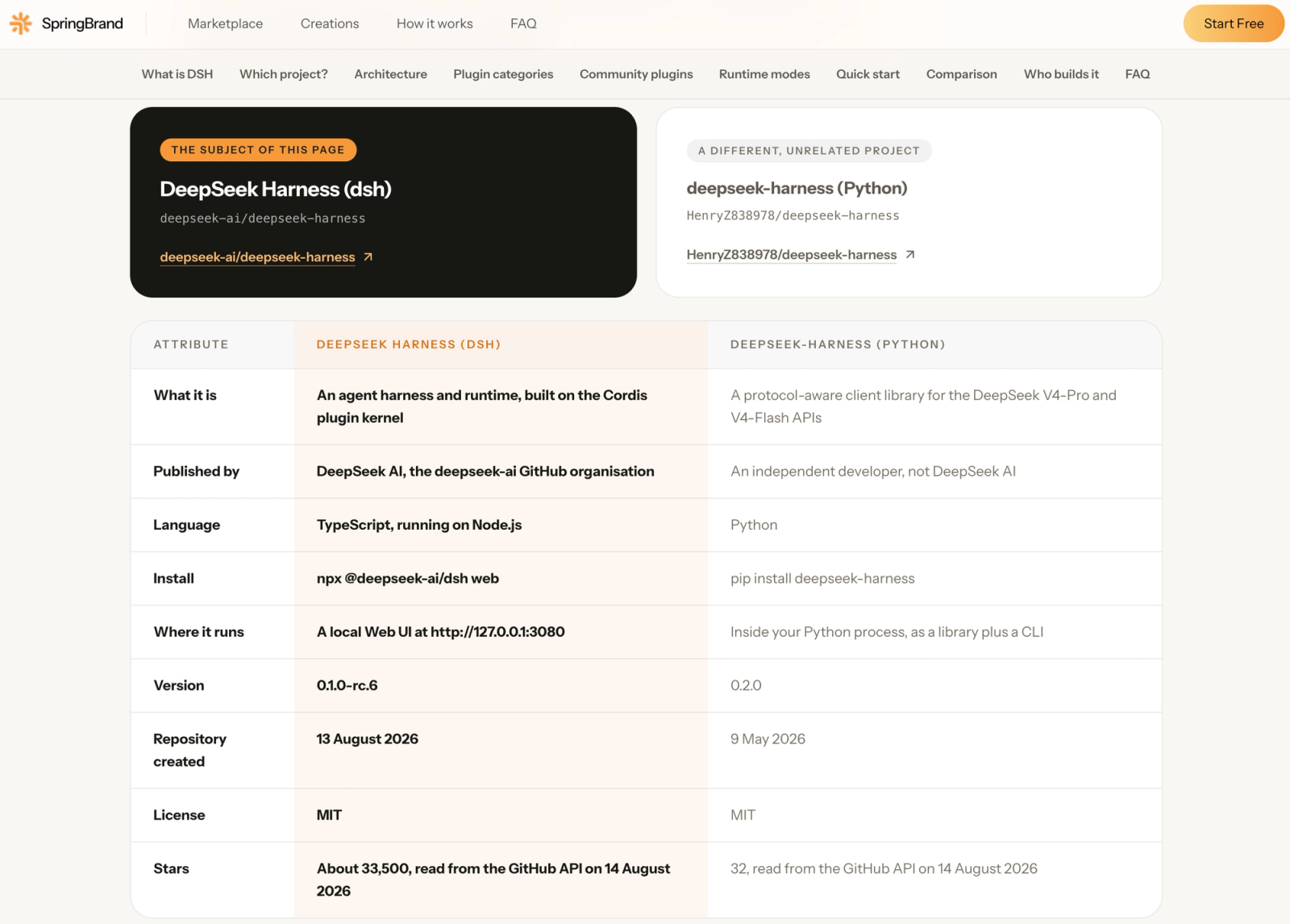
DeepSeek Harness is published in an official GitHub repository under an MIT License. The official sources reviewed on August 14, 2026, do not list a separate fee for accessing the repository or using the Harness software under that licence.
That does not make the complete setup costless. A provider may charge for:
- selecting and configuring profiles or plugins;
- integrating the workflow with a repository;
- setting permissions and sandboxes;
- connecting model services;
- preparing project instructions;
- documenting the configuration;
- updating or troubleshooting the setup.
The official project also contains third-party components with their own terms. DeepSeek publishes a third-party notices file, while a provider’s additional plugins or website dependencies require separate review.
Licence interpretation and commercial-use questions should be checked against the current files and project contract. This article does not provide legal advice.
DeepSeek API Usage and Billing
DeepSeek Harness does not train or replace a model. A configured model service may create a separate AI coding API cost.
DeepSeek’s official pricing page charges for input and output tokens per one million tokens. Input pricing also differs between cache hits and cache misses.
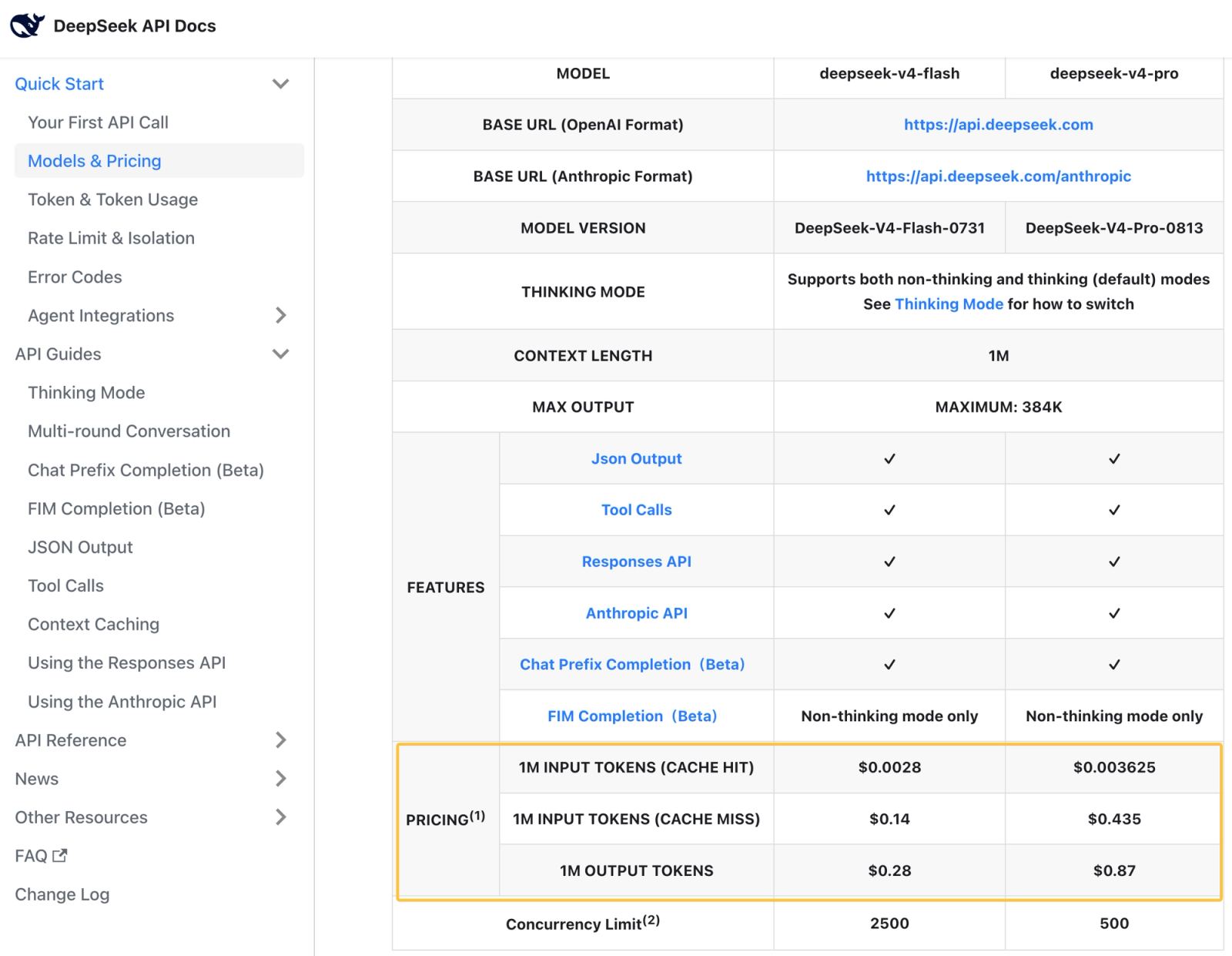
The basic formula is:
API cost = cache-hit input × hit rate + cache-miss input × miss rate + output × output rate
Divide each token figure by one million before multiplying it by the published rate. If peak and off-peak rates apply, calculate the two periods separately.
The provider should identify:
- the model and model version;
- the account paying for usage;
- expected token categories;
- whether billing is passed through at cost or marked up;
- reports supplied with the invoice;
- spending alerts or limits;
- treatment of unused prepaid or granted balances.
API expense is usage-based. It should not be treated as a fixed website fee unless the proposal specifies an allowance and explains what happens when usage exceeds it.
Provider Labor and Project Management
Provider labor is usually a separate and more substantial part of the website service. There is no reliable universal rate that applies across projects, markets, or provider types.
Ask the quote to identify work such as:
- discovery and requirements;
- technical planning;
- Harness configuration;
- website design and development;
- content implementation;
- integrations;
- project management;
- stakeholder communication;
- deployment;
- documentation and training.
The provider may charge hourly, by milestone, through a fixed project fee, or under a continuing retainer. Whatever the model, request the assumptions behind it: included pages, integrations, review rounds, environments, decision deadlines, and exclusions.
Do not assume that using DeepSeek Harness must reduce labor. The provider still needs to understand the brief, check generated or modified work, resolve failures, and remain accountable for delivery.
Account for Testing, Review, and Rework
Testing should appear in the scope rather than being absorbed into an undefined AI fee.
Depending on the project, the quote may need to cover:
- responsive and browser checks;
- navigation, forms, and integrations;
- analytics and event verification;
- accessibility checks included in scope;
- content and claim review;
- regression testing;
- staging review;
- production verification.
Separate defect correction from client-requested changes. A defect is work that fails the agreed requirement. A change request alters that requirement after approval. The contract should explain how each is handled.
Also ask who pays when an AI-assisted change fails review. The answer may depend on the pricing model, but it should not remain undecided until the invoice arrives.
Include Maintenance and Handoff Costs
DeepSeek Harness is currently a Developer Preview, and its official documentation warns that compatibility-changing updates may occur. Maintenance may therefore involve the website, the provider’s Harness configuration, its plugins, or connected model services.
Clarify whether the quote includes:
- compatibility checks after updates;
- plugin or dependency maintenance;
- monitoring and incident response;
- model-provider changes;
- website fixes after launch;
- documentation updates;
- removal or transfer of provider access.
Handoff can also require paid work. Budget for repository transfer, account ownership, deployment instructions, dependency records, training, configuration summaries, and a list of unresolved issues.
A low initial quote can become expensive when the buyer cannot operate the website without the original provider. Compare exit and maintenance terms before comparing headline totals.
Build a Website-Project Cost Scenario
Use a replaceable worksheet rather than a claimed market average.
For example, assume the business is commissioning a limited website update on staging:
| Cost component | Replaceable calculation |
|---|---|
Harness setup | Setup hours × quoted provider rate |
API usage | Token usage by category × applicable official rate |
Infrastructure | Development, staging, hosting, storage, or tool charges |
Implementation | Development hours × quoted rate, or agreed milestone fee |
Review | Technical and business-review hours × applicable rates |
Rework | Included correction allowance plus approved change requests |
Maintenance | Monthly support amount × planned months |
Handoff | Documentation, training, transfer, and access-removal work |
Taxes | Amount determined from the invoice and applicable treatment |
The scenario should specify one page set, integration boundary, review cycle, environment, and acceptance rule. Replace every assumption with figures from the provider’s proposal.
Do not add an arbitrary “AI savings” line. If the provider expects a different cost because of its workflow, ask it to identify the affected task and contractual assumption.
Compare Provider Quotes on the Same Scope
Give each provider the same requirements and request the same cost breakdown.
| Quote question | Why it matters |
|---|---|
Is Harness setup included? | Prevents a later configuration fee |
Whose API account is used? | Establishes billing control and visibility |
Is API usage included, capped, or passed through? | Reveals overage exposure |
How many reviews are included? | Defines the feedback boundary |
How are defects and change requests separated? | Clarifies rework charges |
What maintenance is included? | Exposes post-launch obligations |
What is delivered at handoff? | Shows whether the client can leave |
How long is the quote valid? | Protects against stale prices and assumptions |
A useful website service pricing comparison shows both the total and its conditions. The cheapest headline amount may exclude testing, content migration, model usage, documentation, or post-launch support.
Check Current Prices, Terms, and Change Dates
The following DeepSeek API prices were checked on August 14, 2026. They apply per one million tokens, but the official page has already announced replacement pricing beginning at 16:00 UTC on August 16, 2026.
| Model and period | Cache-hit input | Cache-miss input | Output |
|---|---|---|---|
V4 Flash before the announced change | $0.00 | $0.14 | $0.28 |
V4 Pro before the announced change | $0.00 | $0.44 | $0.87 |
V4 Flash off-peak from Aug. 16 | $0.01 | $0.22 | $0.66 |
V4 Flash peak from Aug. 16 | $0.01 | $0.44 | $1.32 |
V4 Pro off-peak from Aug. 16 | $0.02 | $0.66 | $1.98 |
V4 Pro peak from Aug. 16 | $0.04 | $1.32 | $3.96 |
The announced peak periods are 01:00–04:00 and 06:00–10:00 UTC; other hours are listed as off-peak. DeepSeek states that prices may change and recommends checking the current page before adding balance.
For every quote, record:
- pricing-page URL and review date;
- model and rate period;
- quote issue and expiry dates;
- currency;
- taxes or pass-through treatment;
- account owner;
- included usage;
- overage approval;
- balance and credit rules.
DeepSeek’s pricing page says granted balance is used before topped-up balance when both are available. Eligibility, expiry, transfer, or promotional conditions still depend on the applicable program terms.
How SpringBrand Fits This Website-Service Decision
SpringBrand is not the Harness licensor, API billing provider, or website developer. Its dedicated resource can help buyers understand the current product boundary before comparing third-party service scope.
FAQ
Can nonprofit credits be used for a commercial website project?
Check the terms of the specific nonprofit or credit program. Eligibility for credits does not automatically establish that every commercial activity is permitted. Confirm the account holder, eligible use, expiry, restrictions, and reporting requirements before including credits in the budget.
Who controls prepaid credits after a provider contract ends?
Control usually follows the billing account and applicable platform terms, not the website files. Use a client-owned account when appropriate, and state how remaining balances, access, keys, invoices, and usage records will be handled when the provider leaves.
Can several website projects share one billing account?
They may share an account if the platform and business controls allow it, but costs can become difficult to allocate. Require separate credentials, usage records, or internal cost labels where available. Do not let one project consume another project’s approved balance without authorization.
How should taxes on pass-through API charges be reviewed?
Ask whether the provider is reselling, reimbursing, or passing through the charge and request supporting invoice details. Tax treatment can depend on jurisdiction, contracting structure, and service classification. A qualified tax professional should review the specific arrangement.
What happens to promotional credits when the project owner changes?
Do not assume promotional credits can transfer with the website or contract. Check the issuing program’s current eligibility, ownership, expiry, and transfer provisions. The handoff should state whether the new owner receives the account, only the project files, or neither.
Conclusion
DeepSeek Harness does not create one standard website-project price. Its official source is currently available under the MIT License without a separately listed Harness licence fee, while API usage, infrastructure, provider labor, testing, rework, maintenance, and handoff remain separate costs.
Build the estimate from those components. Use dated official rates, insist on a comparable provider breakdown, and assign account and exit responsibilities before approving the quote. The relevant number is the cost of a controlled, accepted, and maintainable website service—not the price of the tool name.