DeepSeek Harness Review for Website-Service Buyers
DeepSeek Harness review for website-service buyers: assess provider claims, workflow controls, project evidence, maintenance risks, and proposal fit.
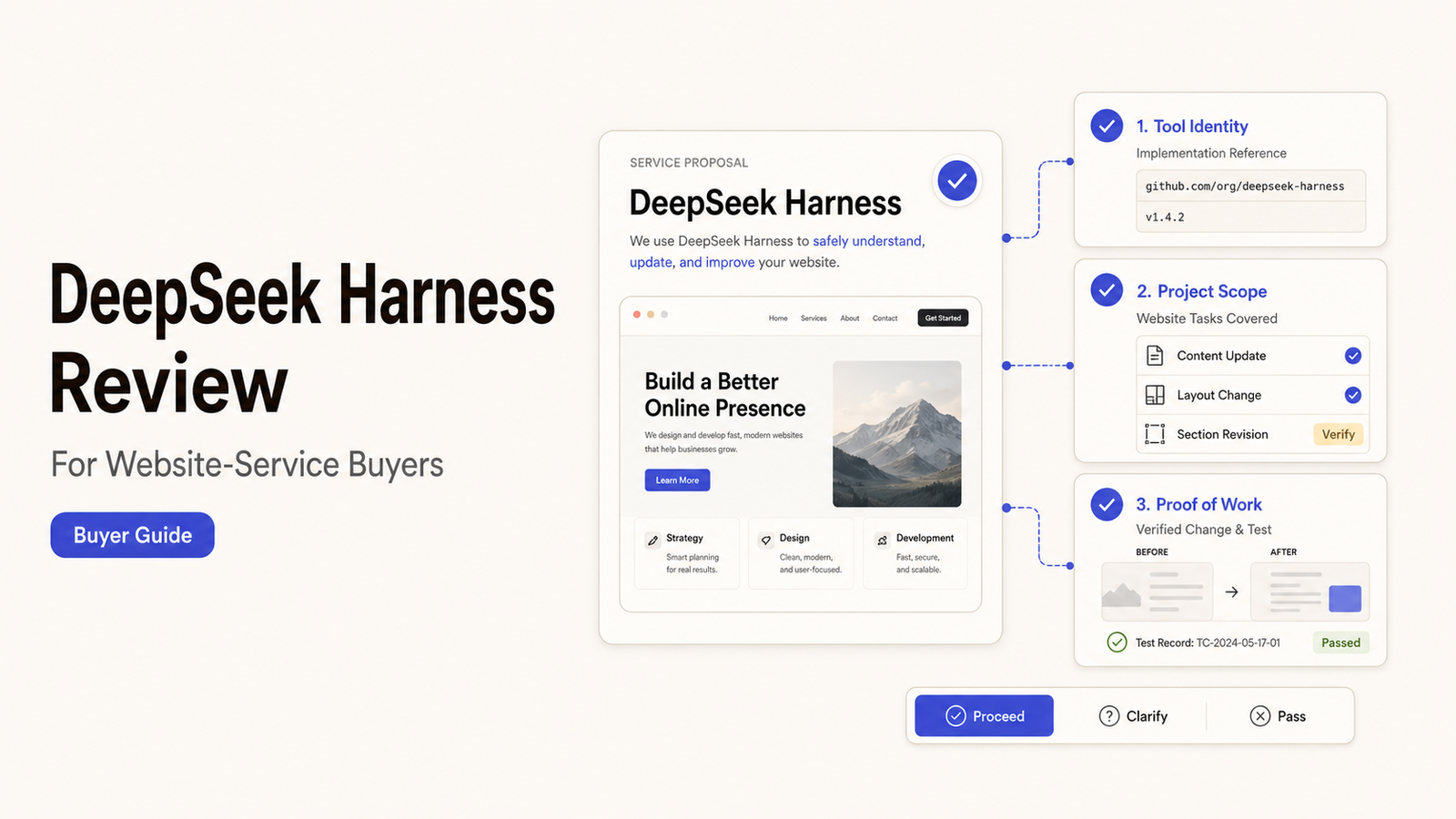
A website provider includes DeepSeek Harness in its proposal and presents the tool as a reason to choose its service. Another provider uses a different workflow but offers clearer testing, approval, and maintenance terms. Which proposal is stronger?
This DeepSeek Harness review examines what the tool claim means for a small-business buyer. It is not a hands-on product benchmark or a ranking of coding tools. The decision still rests on the provider’s scope, controls, evidence, and ability to leave the website maintainable after delivery.
I’m Alex. Here is how I would evaluate that proposal claim before committing a full website budget.
Quick Verdict for Website-Service Buyers
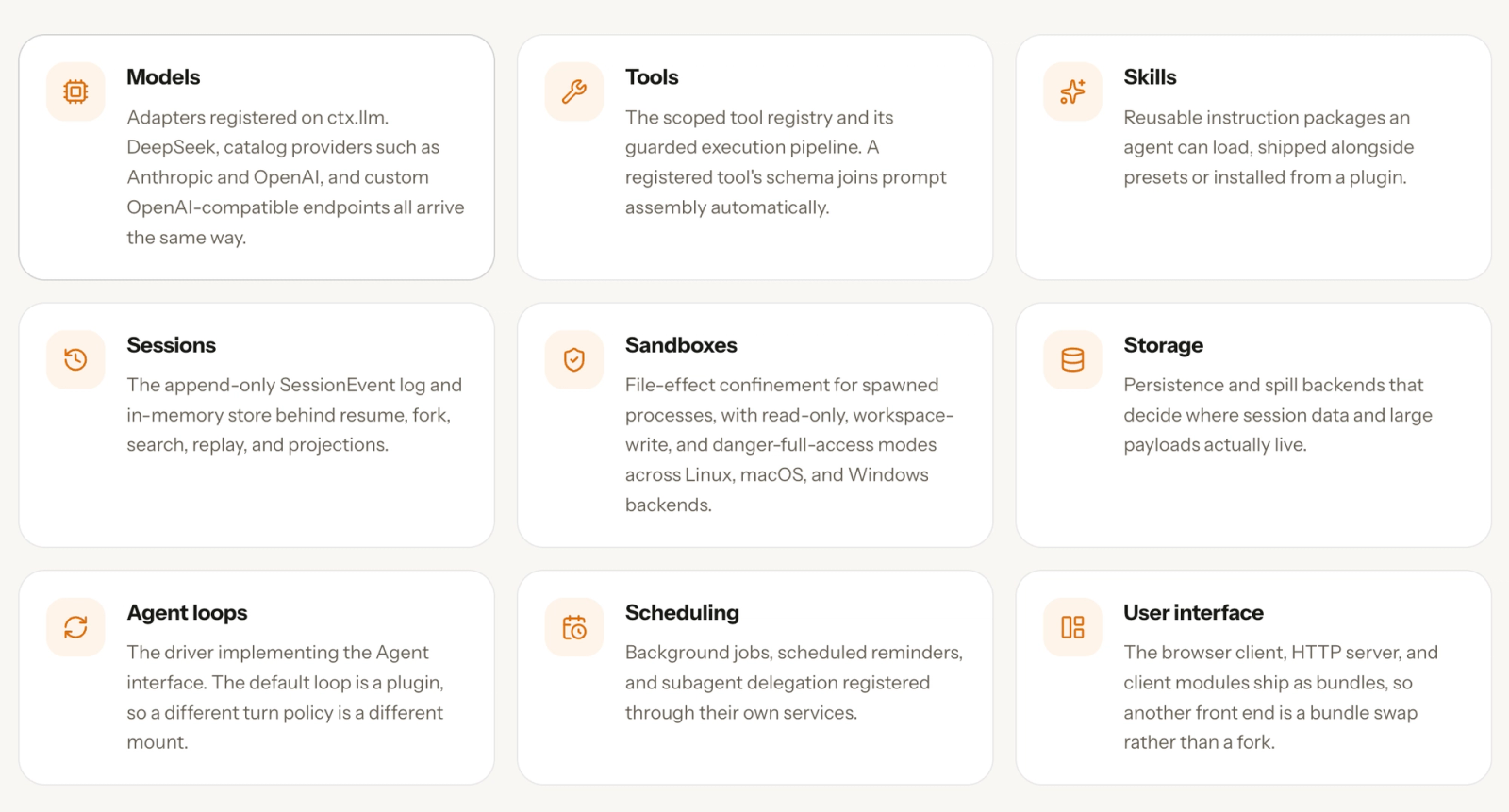
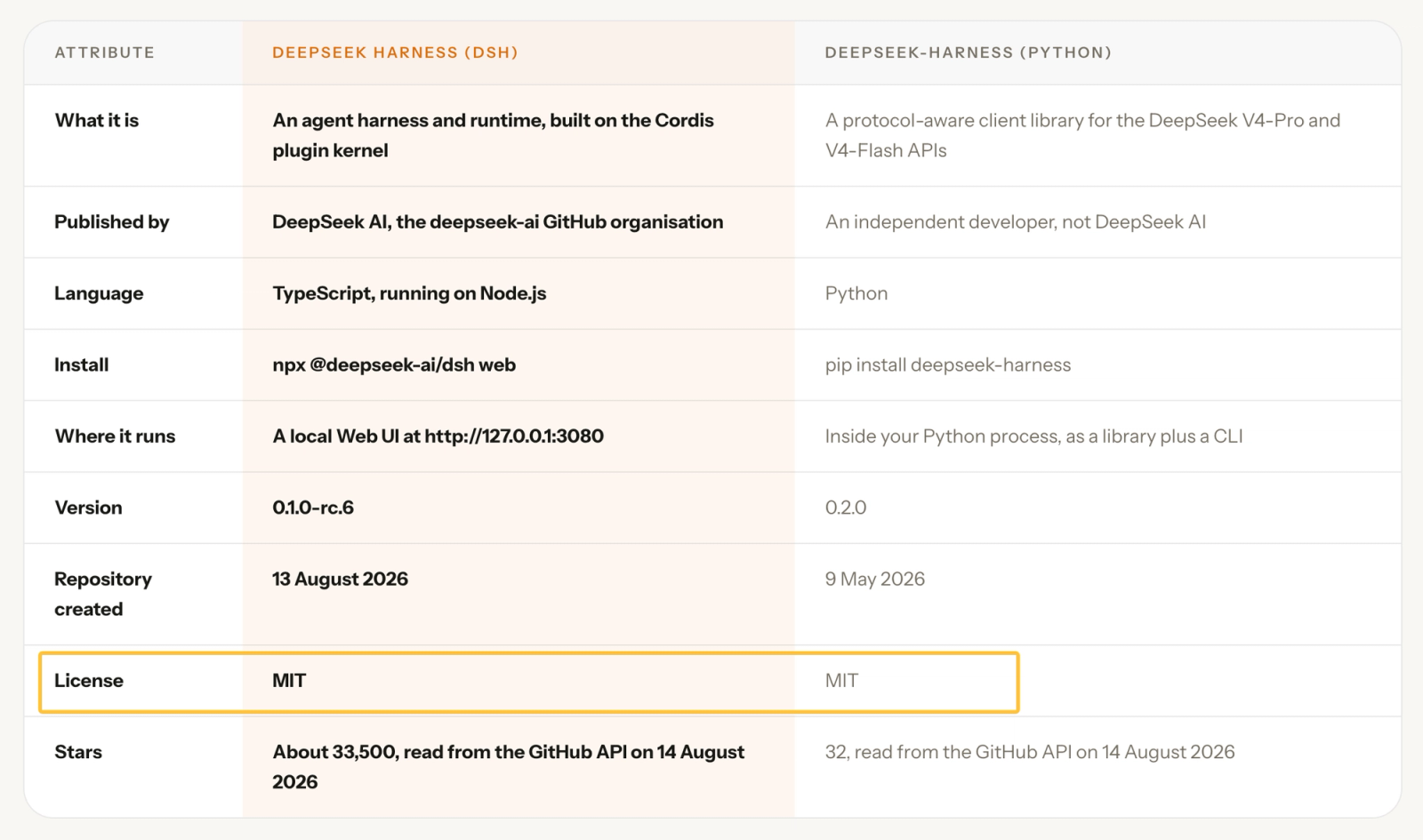
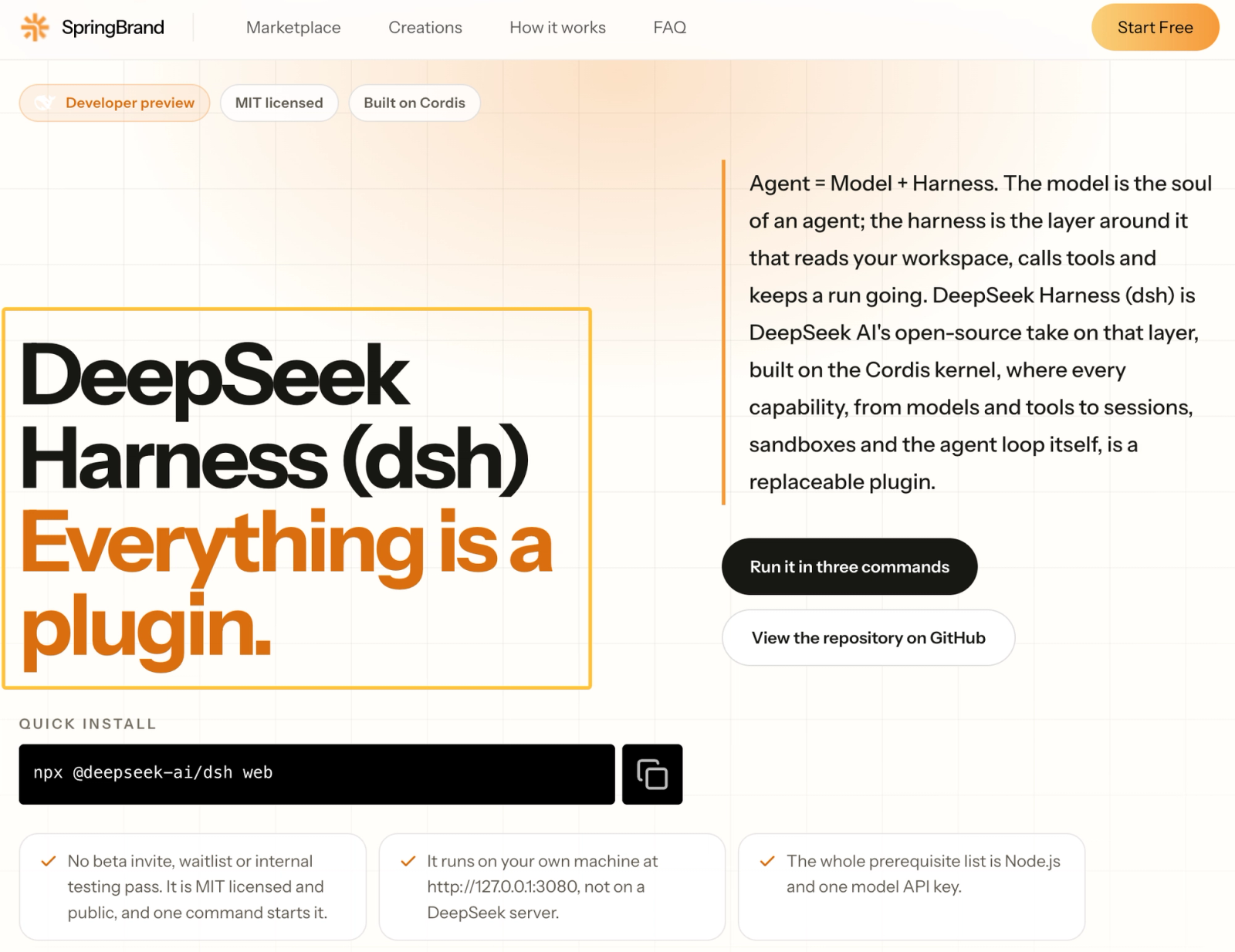
DeepSeek Harness is an official, open-source Agent Harness developed by DeepSeek AI. The official product page describes a plugin architecture covering models, tools, skills, sessions, sandboxes, storage, loops, scheduling, and the interface.
That makes the product identity verifiable. It does not validate a website provider.
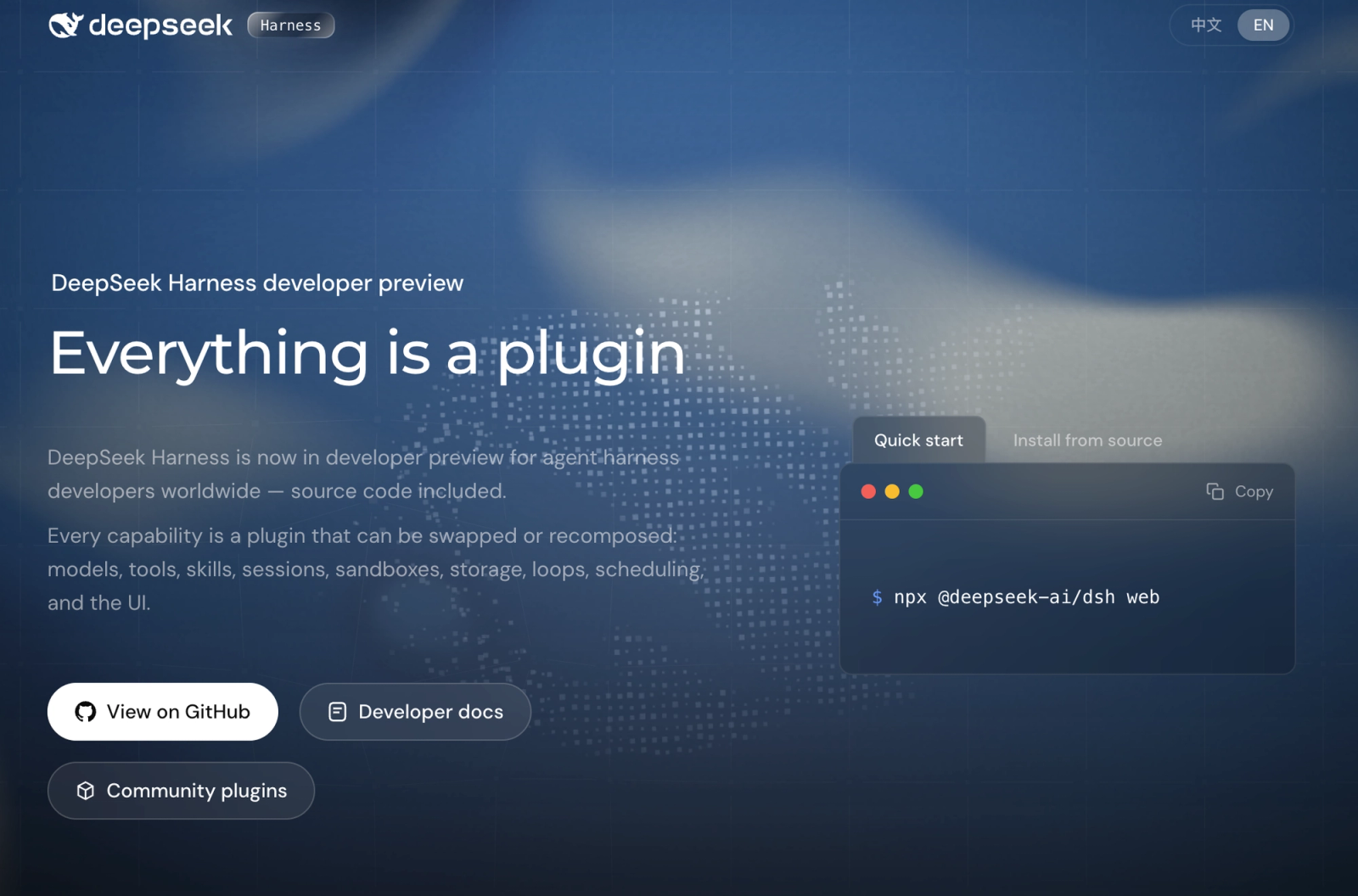
My buyer-focused verdict is conditional: the tool claim becomes useful only when the provider identifies its version, configuration, connected services, permissions, review process, and maintenance owner. Without that evidence, the name adds little to a website proposal.
The product is currently labelled a Developer Preview, and DeepSeek says its core plugins and APIs will continue to evolve. Buyers should therefore examine change management and compatibility rather than assuming the current setup will remain stable.
How This Buyer-Focused Review Was Conducted
This review was completed on August 14, 2026, using public first-party materials.
The reviewed sources included:
- the DeepSeek Harness product page;
- the official GitHub repository;
- the README and architecture documentation;
- the published licence and dependency notices;
- the official Data Processing Statement.
The repository snapshot checked for this article was the default master branch at commit 47f9438, dated August 13, 2026. No GitHub release or tag was used as the review baseline.
I did not install the software, run website tasks, benchmark models, audit the complete source code, test plugins, or review a provider’s private configuration. No claim in this article should be read as a hands-on finding about reliability, security, coding accuracy, or website quality.
This is an AI coding tool evaluation from the buyer’s procurement perspective: what should a provider prove before its use of the product influences a purchasing decision?
Evaluate the Provider’s Tool Claim
Start by asking the provider what “we use DeepSeek Harness” means in practice.
Request:
- the official repository, fork, or other source;
- the exact commit or package version;
- the selected profile, plugins, and model services;
- the tools permitted to read or change project files;
- the environments available to the system;
- the approval policy;
- the data sent to external services;
- the person responsible for reviewing output;
- the maintenance plan when components change.
The official architecture documentation shows that models, tools, sessions, sandboxes, approval policy, and other capabilities can be assembled through plugins and configuration. Two providers can therefore use the same official product while operating materially different workflows.
Do not let the official product name stand in for provider-specific evidence.
Review Controls Across the Website Delivery Cycle
A useful DeepSeek Harness website review connects the tool to each stage of the website service rather than inspecting it in isolation.
Requirements and Scope Control
The provider should begin with an approved website brief covering users, pages, functions, integrations, content, technical constraints, environments, and exclusions.
Ask how that brief becomes model-visible context. Who prepares the instructions? Which files can enter the session? How is an outdated requirement removed? What happens when two stakeholders provide conflicting directions?
The workflow should also distinguish suggestions from actions. A model may recommend changing a template, while a tool may have permission to edit the file. Those are different commitments.
The buyer should know which actions are read-only, which are allowed on a development branch, and which require confirmation before they affect staging or production.
Testing and Human Approval
A recorded agent run can show that a request, tool call, or result occurred. It does not establish that the website change meets the brief.
Require testing suited to the affected work. Depending on scope, that may include forms, navigation, responsive layouts, integrations, browser behaviour, tracking, content accuracy, accessibility requirements, or regression checks.
Name the reviewers as well. A developer may approve technical implementation, while marketing reviews public messaging and another owner assesses privacy or regulatory issues.
Human approval should occur before production deployment and whenever the workflow introduces a new external service, expands data access, or changes an important customer-facing function.
Documentation and Handoff
The provider should preserve enough information for the client or a future team to understand the delivered website.
The handoff may include:
- source code and repository access;
- hosting, CMS, domain, and analytics ownership;
- deployment and rollback instructions;
- staging and production details;
- configuration and plugin summary;
- dependencies and licence records;
- test results and approval history;
- continuing maintenance duties;
- known issues and temporary workarounds.
Raw prompts and complete internal logs may contain confidential material or provider-specific methods. When those are not part of the handoff, require a useful execution record connecting the assigned task, files changed, tests completed, reviewer, and final decision.
Check Maintenance and Dependency Risks
Developer Preview status creates a practical maintenance question: what happens when the official project changes?
Ask whether the provider pins a particular version or commit, tests updates before adoption, and can continue maintaining the website if a plugin or interface changes. The provider should also explain whether its support includes Harness updates or only the website code produced during the engagement.
The official repository currently uses an MIT licence, but the project also contains third-party components. DeepSeek publishes third-party notices covering declared dependencies and their respective terms.
A provider may add plugins, packages, integrations, or modifications beyond that official list. Project-specific website vendor due diligence should therefore request:
- direct and significant transitive dependencies;
- applicable licences and notices;
- modified or vendored components;
- update and vulnerability-monitoring responsibility;
- components excluded from ongoing support;
- a replacement or removal plan for abandoned dependencies.
These checks do not determine legal rights. Licensing, redistribution, maintenance, and ownership questions should be reviewed against current source documents and the project contract.
Identify Good-Fit and Poor-Fit Website Projects
The tool claim may be easier to evaluate when the project already has a controlled development process.
Potentially stronger-fit conditions include:
- an approved brief and source repository;
- separate development, staging, and production environments;
- named technical and business reviewers;
- testable milestones;
- restricted-data rules;
- a provider able to document configuration and changes;
- an internal owner prepared to receive the handoff.
Poor-fit conditions include:
- direct experimentation on the live website;
- no identifiable version or configuration;
- unclear ownership of hosting or source code;
- sensitive data with no documented access boundary;
- no staging or rollback process;
- a provider relying on the tool name instead of deliverables;
- no owner for maintenance after launch.
These are service-fit observations, not findings that DeepSeek Harness causes or prevents any particular outcome.
Compare Providers With the Same Evaluation Criteria
Give each provider the same brief and score the proposals against the same evidence.
| Evaluation area | Question for the provider |
|---|---|
Tool identity | Which repository, version, fork, and configuration will you use? |
Service scope | Which website tasks will the workflow support? |
Access | Which files, systems, tools, and data can it reach? |
Review | Who examines code, content, claims, and integrations? |
Testing | What evidence must exist before deployment? |
Maintenance | Who handles changes to Harness, plugins, and dependencies? |
Handoff | What accounts, files, records, and instructions will the client receive? |
Exit | How will access be removed and unfinished work transferred? |
A provider that uses DeepSeek Harness may score well or poorly under this framework. A provider using another development approach may offer stronger controls.
That is the purpose of a website service proposal review: compare the service being purchased, not the promotional value of its technology list.
Run a Low-Risk Pilot Before a Full Website Build
A pilot can test the provider’s workflow without placing a critical launch or production system at immediate risk.
Choose a contained task, such as a non-transactional component, an internal prototype, or a limited staging-page change. Avoid sensitive customer data and business-critical integrations unless they are essential to the test and properly controlled.
Define the pilot before work begins:
- approved requirement and exclusions;
- repository and environment;
- permitted tools and data;
- expected deliverable;
- required tests;
- human reviewers;
- rollback method;
- evidence and handoff;
- decision rule for continuing.
Evaluate whether the provider followed the agreed process and produced usable evidence. Do not treat one successful pilot as proof that every larger or more complex website project will behave the same way.
How SpringBrand Fits This Website-Service Decision
SpringBrand does not audit a provider’s DeepSeek Harness configuration, endorse website vendors, or guarantee delivery results. Its DeepSeek Harness resource can help buyers understand the current product boundary before defining website requirements and comparing third-party support.
FAQ
Can a provider place an AI-tool logo in the client’s website credits?
Only when the relevant brand rules, contract, and client approval permit it. Using a development tool does not automatically authorize its logo or require public credit. Confirm who approves the credit, its wording, placement, duration, and removal after the engagement.
Can a client request source-code escrow for a critical website?
A client can request it, but the parties must define what enters escrow, how often it is updated, who verifies deposits, and which events permit release. Suitability and enforceability should be reviewed by qualified technical and legal professionals.
Who approves a public case study about AI-assisted website development?
The provider should obtain written approval from the client’s authorized owner. That review should cover names, logos, screenshots, workflow details, data, performance claims, quotations, and confidential information. Approval for delivery does not automatically authorize publicity.
Should accessibility audits be repeated after major maintenance work?
Material changes to templates, navigation, forms, media, or interactive components can justify renewed accessibility testing. Define the review trigger in the maintenance plan. The required standard and testing depth depend on the website, audience, contract, and applicable requirements.
Should customer-support staff be told which development tools were used?
They may not need a complete tool inventory. They should understand changes that affect customers, known limitations, expected behaviour, and escalation routes. More detailed internal disclosure may be appropriate when tool use affects data handling, incident response, or support obligations.
Conclusion
DeepSeek Harness is an identifiable official product, but a provider’s use of it remains a claim that requires project-specific evidence.
For a website buyer, the decisive questions concern scope, access, review, testing, maintenance, dependencies, acceptance, and handoff. Evaluate those elements consistently, document what was not tested, and use a limited pilot when the workflow is still uncertain. The provider—not the tool name—must explain how the website service will be controlled and delivered.