What Is DeepSeek Harness in a Website Project?
What is DeepSeek Harness in a website project? Learn what a provider claim means, what evidence to request, and how to compare website-service proposals.
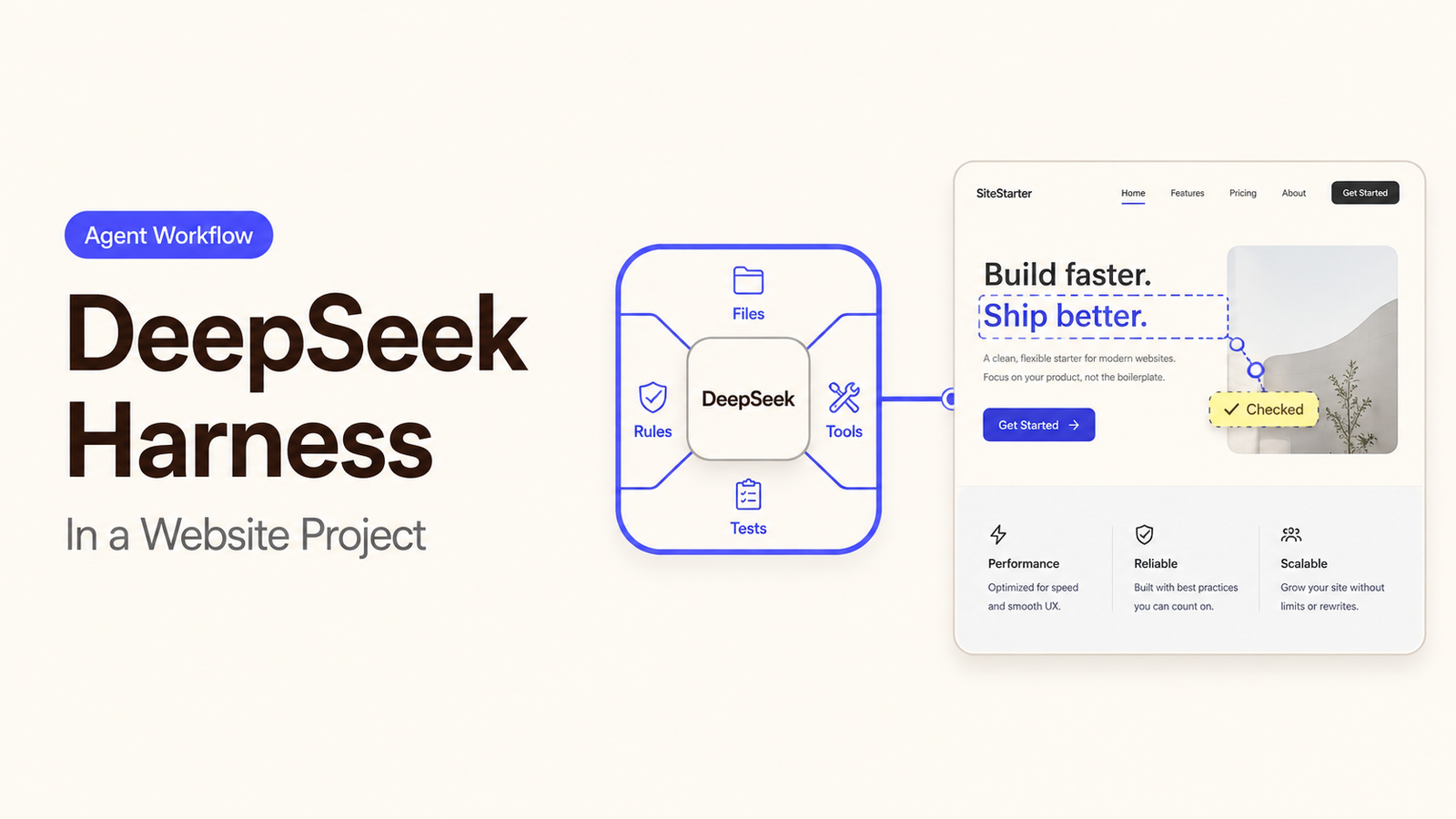
A small-business owner receives a website proposal with “DeepSeek Harness” listed under the development stack. The provider says it supports faster execution, but the proposal never explains which tasks it performs, what data it can access, or who checks its output.
If you are asking what is DeepSeek Harness, the product now has a clear first-party identity. It is an open-source Agent Harness developed by DeepSeek AI. That makes the name verifiable, but it still does not prove that a website provider uses it correctly—or that the resulting website will meet the brief.
I’m Alex. This guide explains how to investigate the claim, connect it to deliverables, and compare website-service proposals without buying the tool name alone.
What Is DeepSeek Harness in a Website Project?
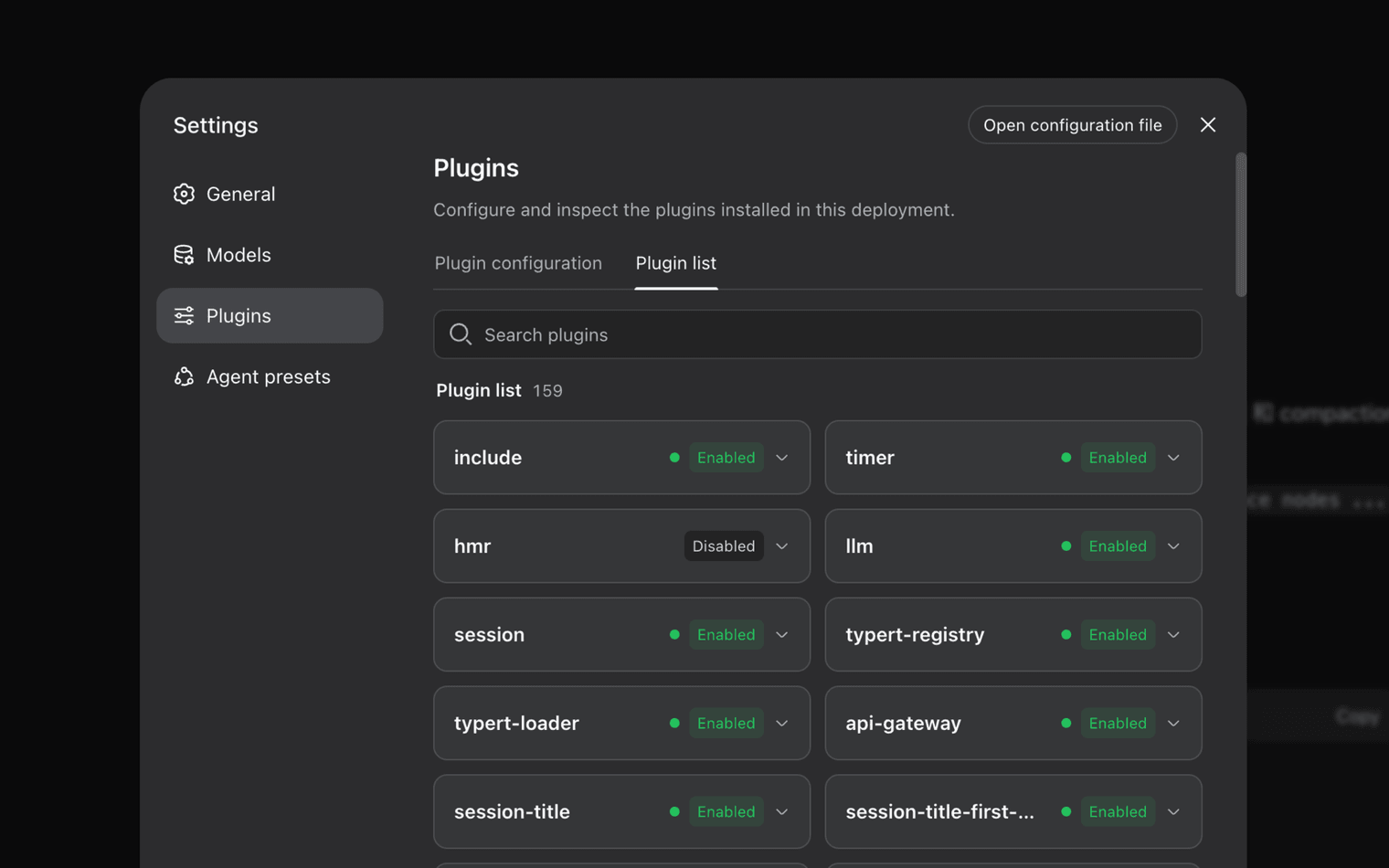
The official DeepSeek Harness website describes the product as an open-source, plugin-based environment for agents. Models, tools, skills, sessions, sandboxes, storage, loops, scheduling, and the interface can be supplied or changed through plugins.
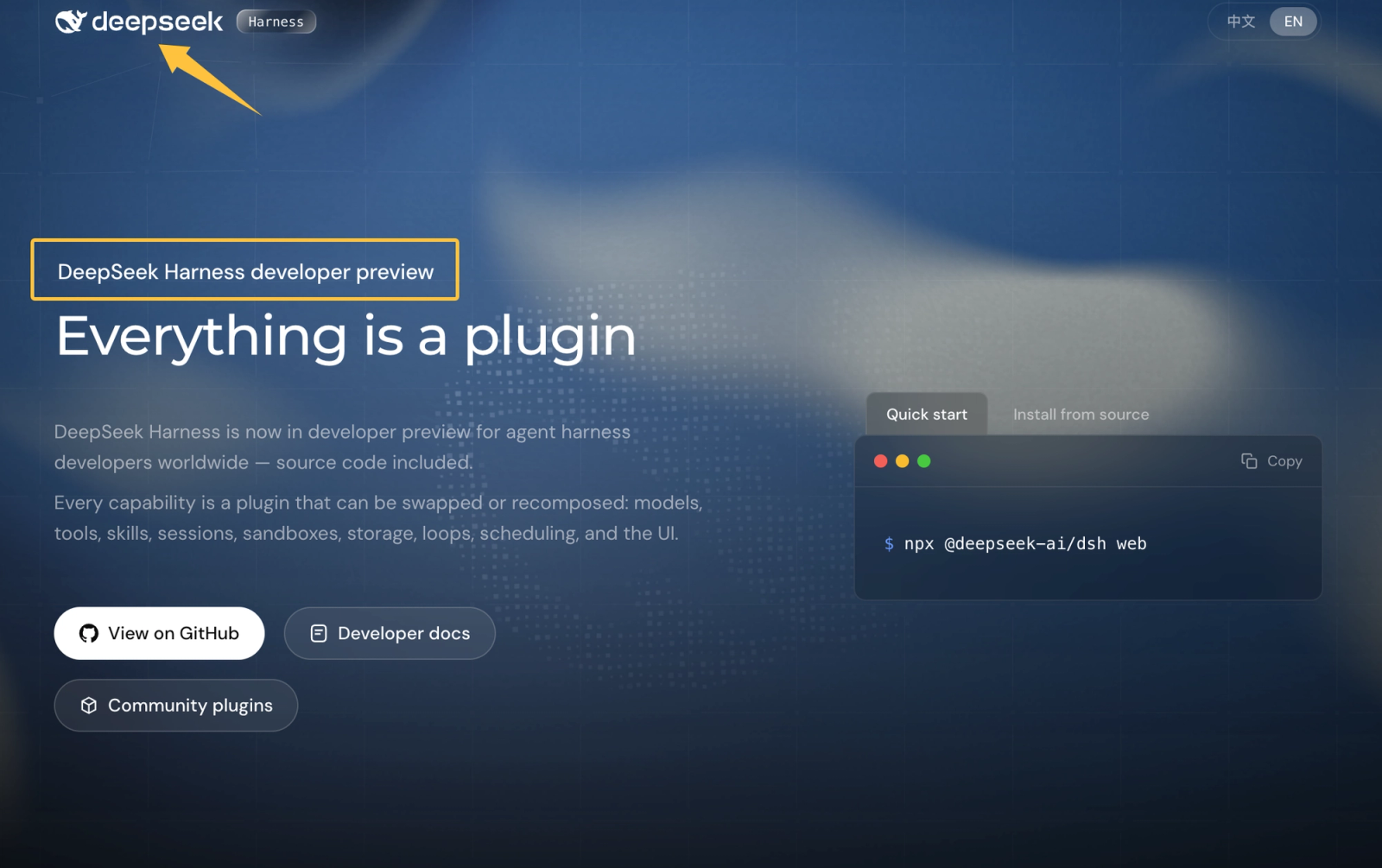
The official site also labels it a Developer Preview. Its capabilities and underlying interfaces may continue to change.
DeepSeek Harness is not presented as a turnkey website builder. In a DeepSeek Harness website project, a provider might configure it to help inspect files, propose code, use development tools, preserve session records, or coordinate other approved actions. The exact workflow depends on the plugins, model services, permissions, and operating process selected by that provider.
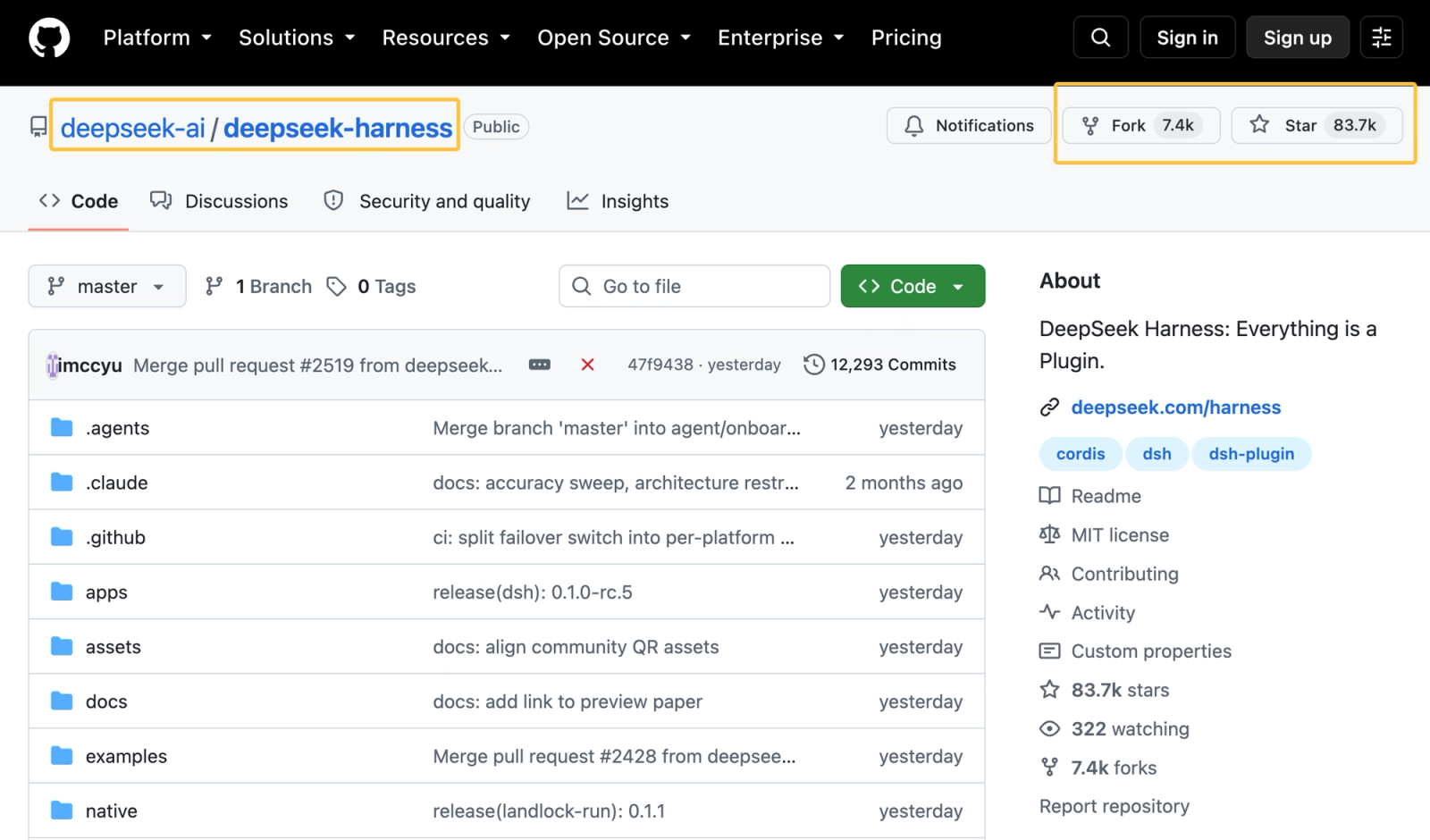
The official GitHub repository can confirm the current project identity, source code, documentation, licence, and development status. It cannot confirm how a particular vendor configured the product for your website.
Understand What a Provider Is Claiming to Use
“Built with DeepSeek Harness” is incomplete. Before comparing proposals, ask the provider to identify:
- the official repository, private fork, or separate project being used;
- the exact commit, release, or project snapshot;
- the models and external services connected to it;
- the plugins, tools, and permissions enabled;
- the website environments it can access;
- the information it processes;
- the tasks it performs;
- the human reviews required before changes are accepted.
These questions turn an AI coding tool vendor claim into something that can be examined. They also reveal whether “DeepSeek Harness” describes a meaningful part of the delivery process or merely a name added to the proposal.
Because the official product remains in preview, recording the tested version or commit is more useful than relying on the product name alone.
Separate the Harness From the Website Service
The official harness, its connected services, and the provider’s operating process are different layers. Each needs separate evidence.
The Third-Party Project
A provider may point to a same-name third-party project, a modified fork, or an internal tool that predates the official release. That does not automatically make the tool unsuitable, but it is not the same claim as using DeepSeek AI’s official repository.
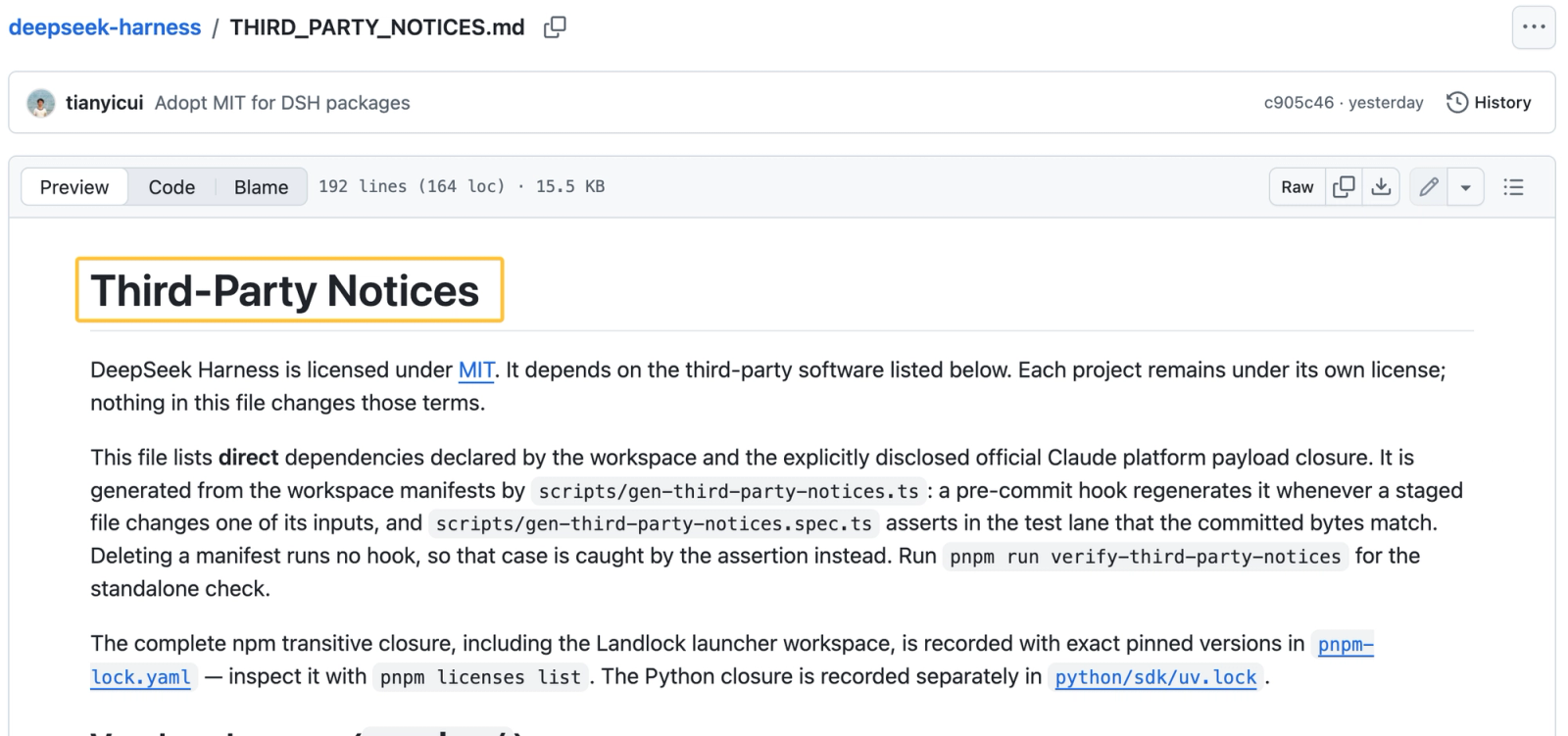
Check the repository owner, source commit, modification history, maintainer, and applicable terms. The official project currently publishes an MIT licence, while additional components can carry their own terms.
DeepSeek also maintains a third-party notices file. A provider’s fork or plugin set may introduce dependencies that do not appear in that official record, so request a project-specific inventory.
DeepSeek Model and API Access
Using DeepSeek Harness does not necessarily prove that every model request goes directly to DeepSeek. The official architecture allows model capabilities to be provided through plugins, and a provider may configure another model service or endpoint.
If the provider claims to use the DeepSeek API, ask whose account controls it, which endpoint is used, where credentials are stored, and what data is submitted. DeepSeek’s official API documentation describes authenticated access, but the provider must document its own implementation.
Keep model access separate from harness access. The harness may organize an interaction; the model service processes the request sent to it.
The Provider’s Own Process and Controls
The provider still decides which project files become available, which tools can act, when commands may run, and what requires approval.
Ask how it:
- prepares project instructions;
- limits file, shell, browser, or deployment access;
- prevents secrets from entering model context;
- reviews generated or modified code;
- tests changes away from production;
- records failures and exceptions;
- reverses an unsuccessful change.
Those controls are evidence of the provider’s working method. They should not be inferred from the official product’s feature list.
Ask for Evidence Behind Tool and Capability Claims
Match each proposal statement with evidence that relates to your project.
| Claim | Evidence to request |
|---|---|
“We use the official product” | Official repository URL and exact commit or snapshot |
“Our setup can modify the site” | Enabled tools, access limits, environment, and approval rule |
“Every change is traceable” | Project-specific session, change, test, or review record |
“Your data remains local” | Actual data flow, connected services, reporting settings, and exceptions |
“The output is production-ready” | Staging result, completed tests, human reviewer, and unresolved issues |
A screenshot of a successful AI interaction is not acceptance evidence. It does not establish that the provider used the approved brief, protected restricted information, tested the change, or delivered a maintainable website.
Connect the Tool Claim to Website Deliverables
Bring the discussion back to what the business is purchasing.
Website deliverables may include approved pages, working forms, responsive layouts, integrations, source files, account access, deployment instructions, test results, dependency records, and a list of unresolved issues.
For every deliverable, identify:
- who creates or changes it;
- whether DeepSeek Harness participates;
- who reviews the result;
- what evidence supports acceptance;
- who owns the final file or account;
- who maintains it after launch.
A harness may support parts of the work. It cannot replace the provider’s responsibility to deliver the agreed result or the client’s responsibility to make business approvals.
Compare Proposals Without Buying the Tool Name
Give competing providers the same brief and acceptance requirements. Then compare their answers about scope, access, review, testing, documentation, and handoff.
A provider using fewer website development AI tools may offer the stronger proposal if its process is clearer. Another provider may have a sophisticated harness configuration but leave the client responsible for testing, deployment, or maintenance.
If a provider claims that the tool will reduce time or cost, ask which task is affected and what assumptions support the estimate. Do not treat a general product capability as evidence of a project-specific outcome.
The purpose of a website service evaluation is to understand what will be delivered and controlled—not to select the proposal containing the most recognizable technology.
Set Approval and Acceptance Requirements
Write approval boundaries before the provider begins work. Require permission before production deployment, material content changes, new integrations, restricted-data access, or the addition of unapproved external services.
DeepSeek’s Data Processing Statement describes Harness as local-first and says listed information is processed and stored on the user’s device by default. It also warns that external models, web tools, MCP services, plugins, or other connected services may upload data under their respective providers’ practices.
That distinction belongs in the project record. Ask which data stays local, which data can leave the environment, which provider receives it, and whether reporting settings have been changed.
Final acceptance should confirm the delivered website, completed tests, approved changes, account ownership, dependencies, access removals, documentation, and known issues. Licence, privacy, data-processing, and ownership questions should be reviewed against current terms and the project agreement. This article provides general information, not legal advice.
How SpringBrand Fits This Website-Service Decision
SpringBrand does not implement DeepSeek Harness, certify configurations, or guarantee provider performance. It can help a buyer describe the website goal, clarify the required service scope, and consider matched third-party providers.
FAQ
Can a provider use a private fork without naming the changes?
A provider may use a private fork, subject to its licence and agreement. The buyer can still require the source commit, a description of material changes, testing evidence, maintenance responsibility, and disclosure of any change affecting data, security, compatibility, or handoff.
Who is responsible for third-party dependencies added during the build?
Assign responsibility in the contract or scope. The provider may select and document dependencies, while the client approves them and names the post-launch maintenance owner. Record versions, licences, update duties, exceptions, and components excluded from continuing support.
What happens if the public project changes its license?
Preserve the commit, licence, notices, and dependency records for the version used. Do not assume later releases retain identical terms. Review the applicable documents before updating, modifying, or redistributing the software, with qualified legal advice where necessary.
Can a provider name the client’s project in a public AI case study?
Only when the applicable agreement and client authorization allow it. Approval should cover the company name, logo, screenshots, project details, data, and reported results. Permission to develop the website does not automatically include permission to publicize the engagement.
Can a client prohibit external model access for specific website data?
Yes, this can be stated as a project requirement. Identify restricted data, approved services, permitted environments, logging rules, and exceptions. The provider should confirm whether its proposed workflow can operate within those limits before the engagement begins.
Conclusion
DeepSeek Harness is now an official, open-source DeepSeek AI project—not merely a third-party name appearing in vendor proposals. Its official status makes the product easier to identify, but it does not prove the capability of a website provider.
Confirm the repository, version, configuration, connected models, plugins, permissions, data flow, review process, and maintenance owner. Then compare the proposal through its website deliverables, acceptance evidence, account control, and handoff.