A2A BlogSep 21, 2026
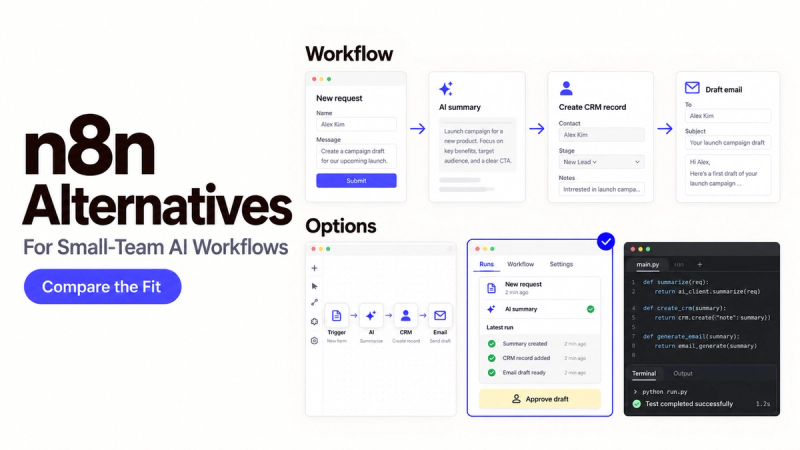
n8n Alternatives for Small-Team AI Workflows
Compare n8n alternatives for small-team AI workflows by deployment, integrations, code flexibility, debugging, recovery, governance, and operating cost.
Guides, pricing breakdowns and tool comparisons on workflow automation, SEO, AI agents and service delivery, written from vendor sources and field notes.
Compare n8n alternatives for small-team AI workflows by deployment, integrations, code flexibility, debugging, recovery, governance, and operating cost.
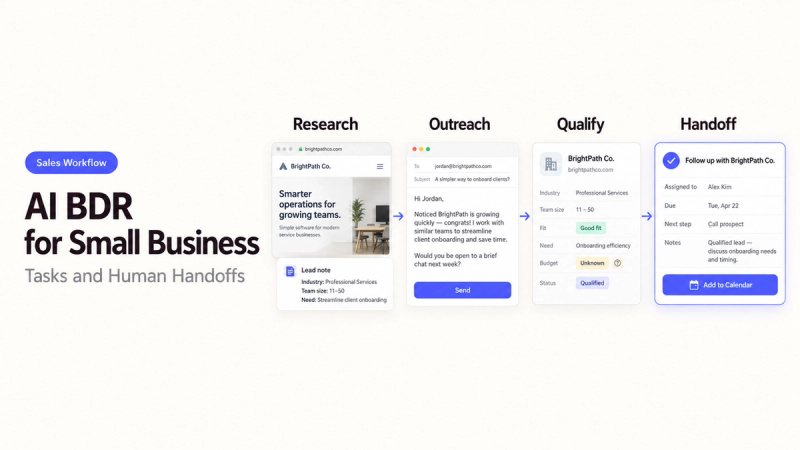
An AI BDR can support research, qualification, outreach drafts, follow-ups, and CRM updates when small teams define approval and human handoff rules.
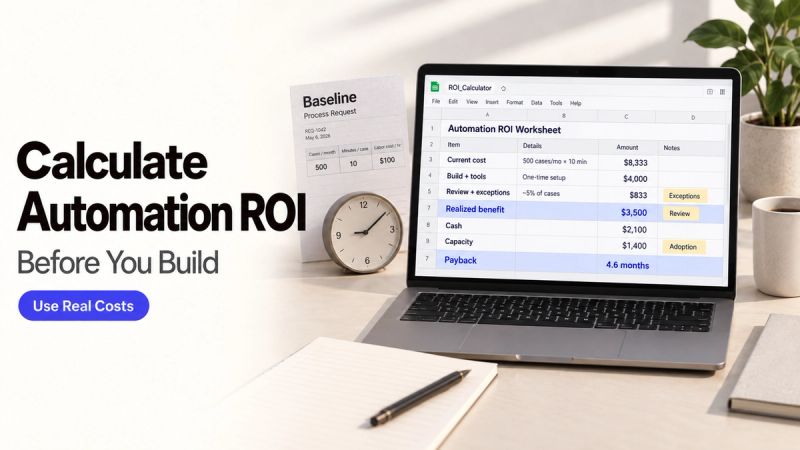
Calculate automation ROI with realistic labor, error, software, setup, review, maintenance, adoption, and exception costs before investing.
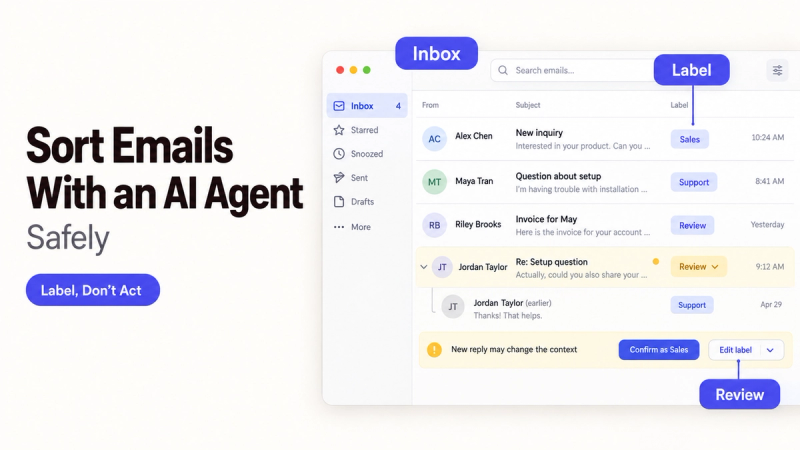
Learn how to use an AI agent to sort emails with clear categories, confidence thresholds, protected actions, review, and a reversible rollout.
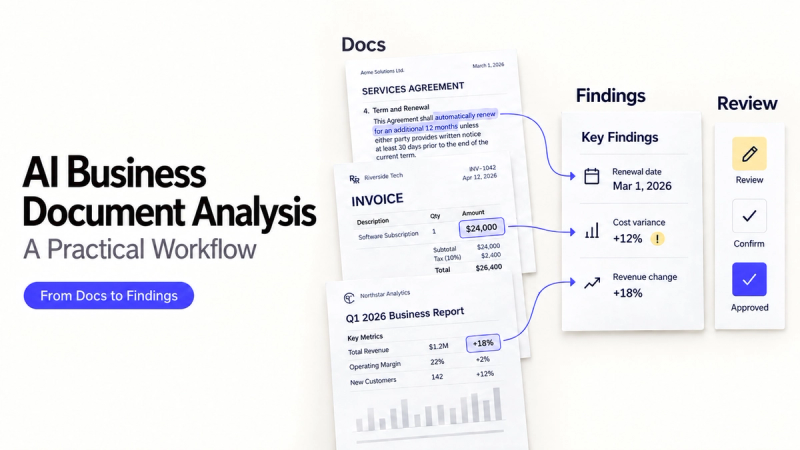
Learn how AI business documents analysis extracts evidence, compares records, flags uncertainty, preserves references, and routes results for review.
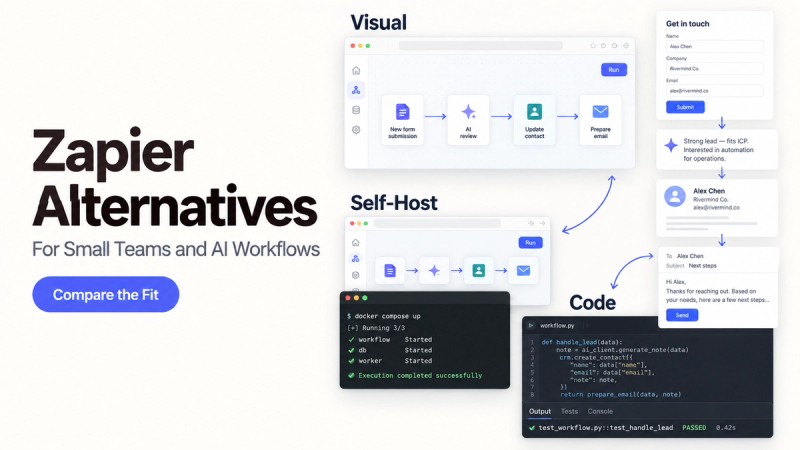
Compare Zapier alternatives for small teams by workflow logic, AI support, deployment control, integrations, maintenance, and operating cost.
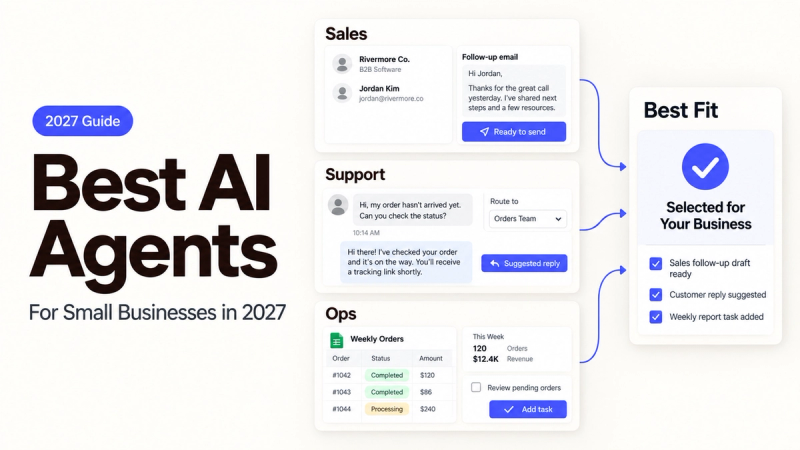
Compare the best AI agents for small-business workflows in 2027 by task fit, connected actions, human review, recovery, deployment, and cost.
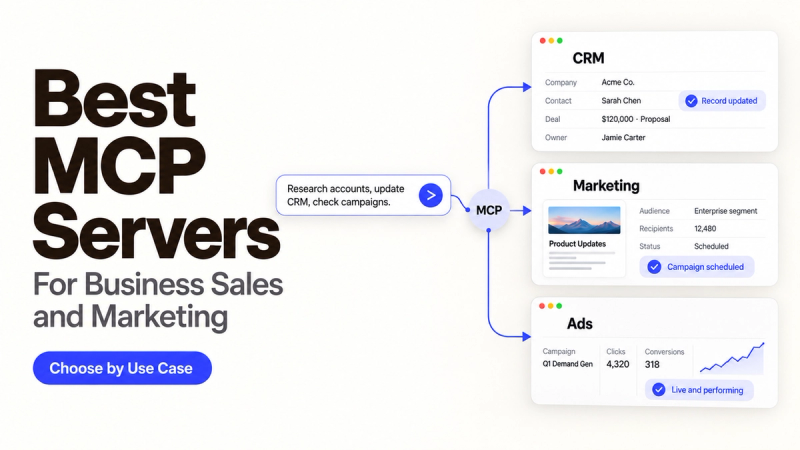
Compare the best MCP servers for business sales and marketing workflows by actions, permissions, maintenance, compatibility, and task fit.
How SpringBrand connects your AI assistant to 10,000+ APIs for SEO, market research, content and outreach — setup, prompts, and six things people have built.
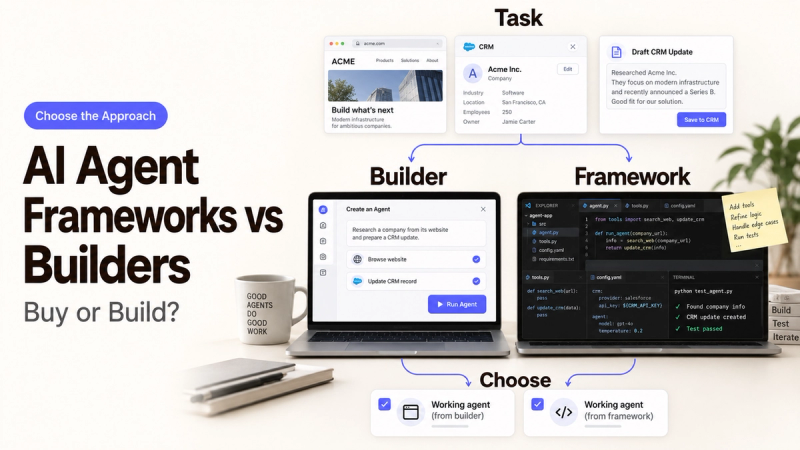
AI agent frameworks offer code-level control, while managed builders can reduce infrastructure work; the right choice depends on ownership and constraints.
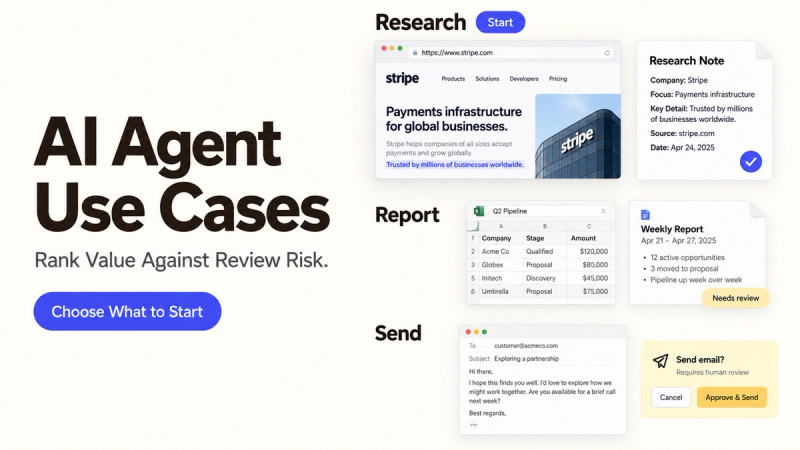
AI agent use cases should be ranked by business value, task repeatability, review burden, action risk, and the cost of handling exceptions.
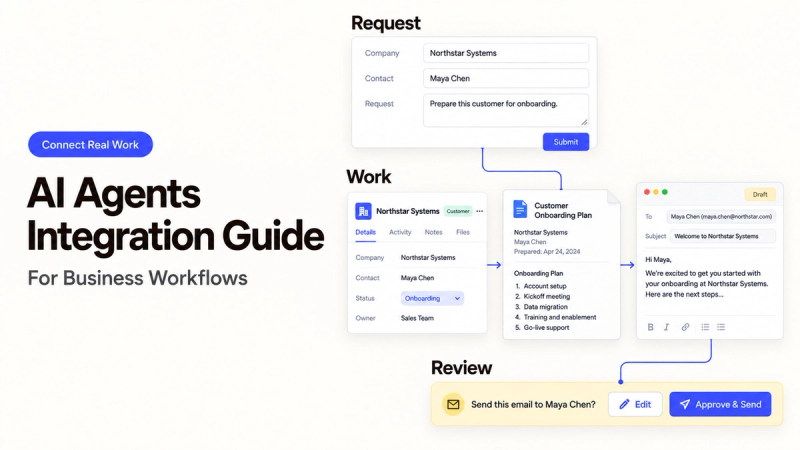
AI agents integration planning defines data access, tool actions, credentials, failure handling, and review before a workflow reaches production.
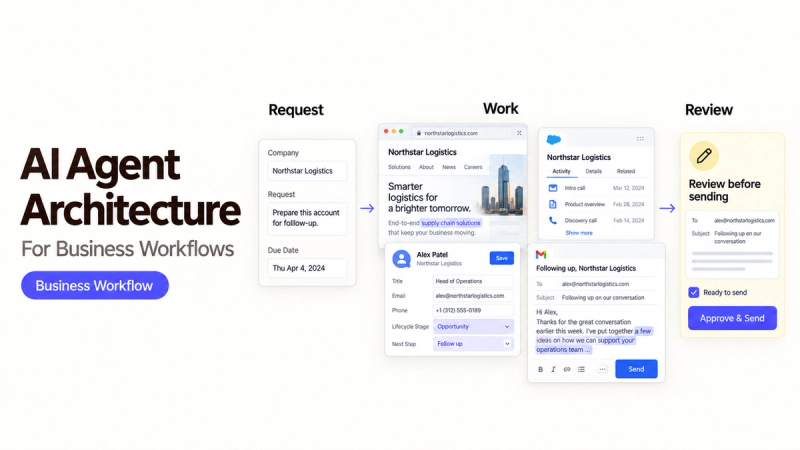
AI agent architecture connects task logic, context, memory, tools, execution state, and human review into one inspectable system.
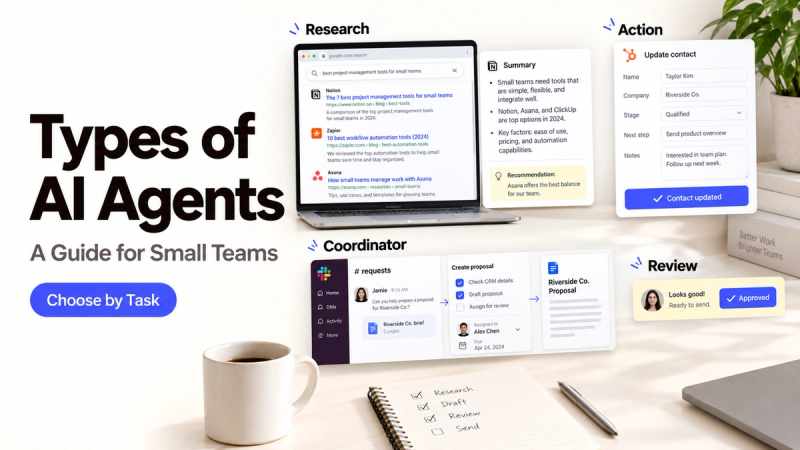
Types of AI agents differ in how they use context, pursue goals, weigh trade-offs, learn from feedback, and coordinate work.
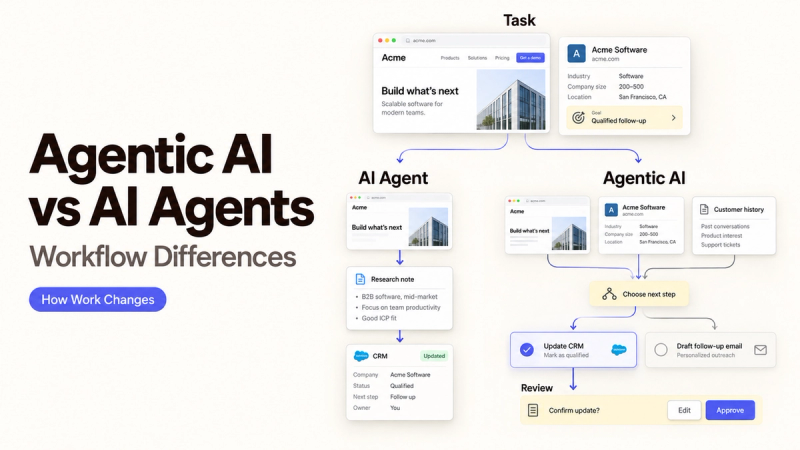
Agentic AI vs AI agents compares a bounded task performer with the broader workflow behaviors that coordinate decisions, state, tools, and feedback.
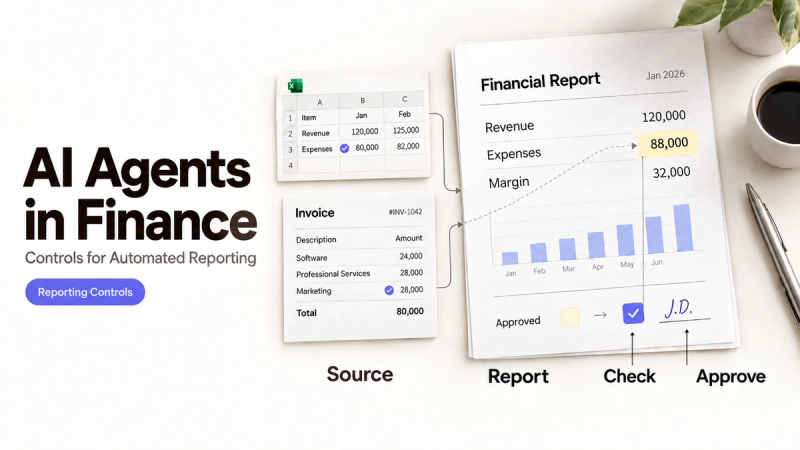
AI agents in finance can assist reporting preparation when source traceability, permissions, review, exceptions, and posting authority stay controlled.
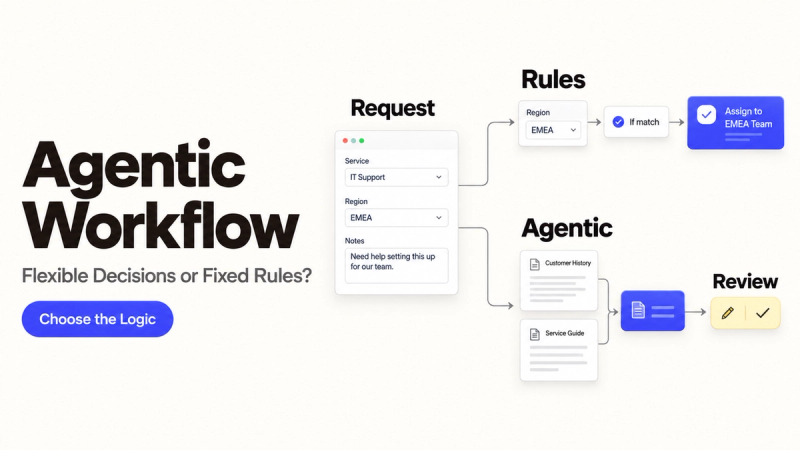
An agentic workflow adds bounded decisions where fixed rules cannot handle variation, while keeping goals, tools, review, and stop conditions explicit.
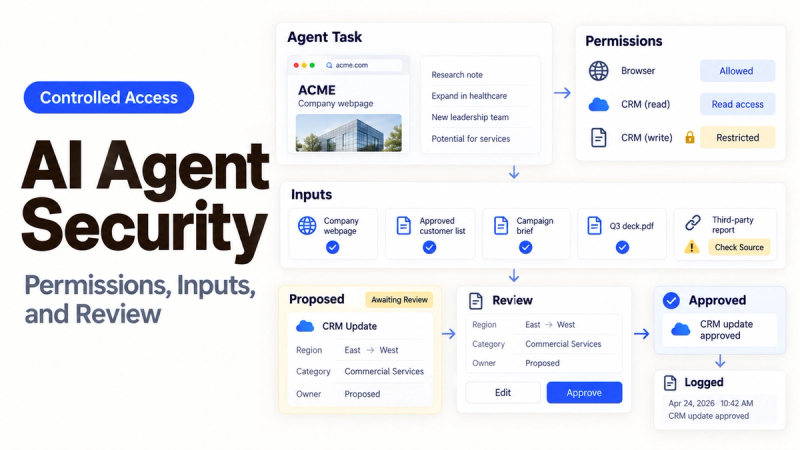
AI agent security starts with bounded permissions, untrusted-input handling, human approval, testing, revocation, and observable actions.
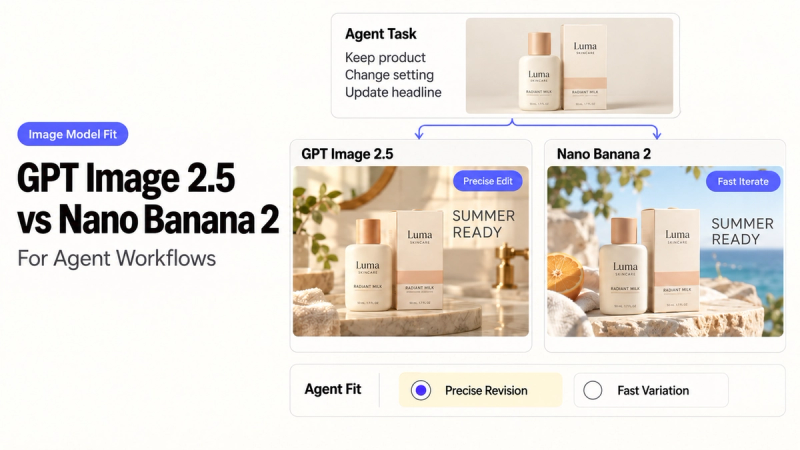
Compare GPT Image 2.5 and Nano Banana 2 for agents by call inputs, parameters, failure paths, saved outputs, and human review.
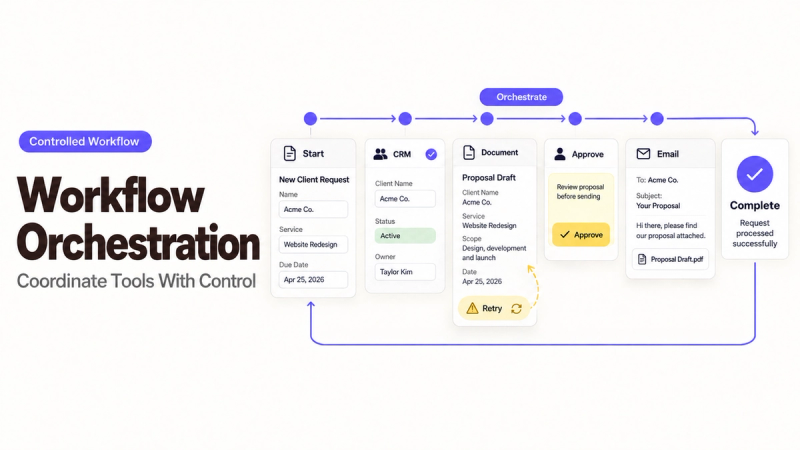
Workflow orchestration coordinates tools, people, and agentic steps while preserving state, ownership, recovery, and human control.
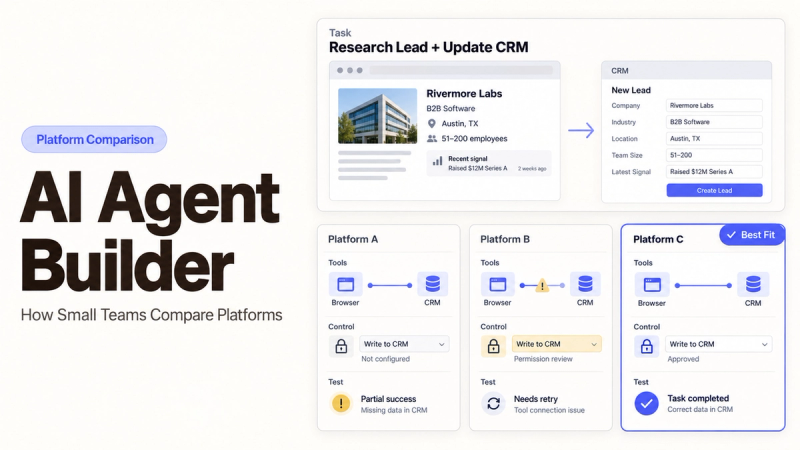
An AI agent builder comparison for small teams, focused on workflow fit, connected capabilities, testing, control, and operating effort.
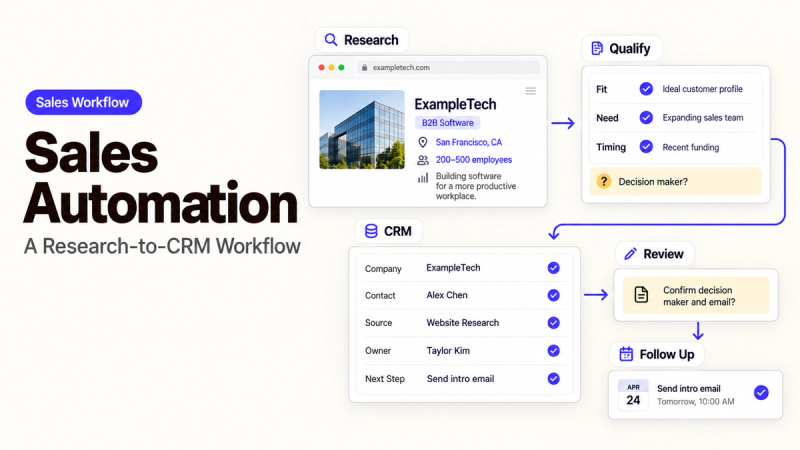
Sales automation connects research, qualification, CRM updates, and human review in one controlled workflow for a small sales team.
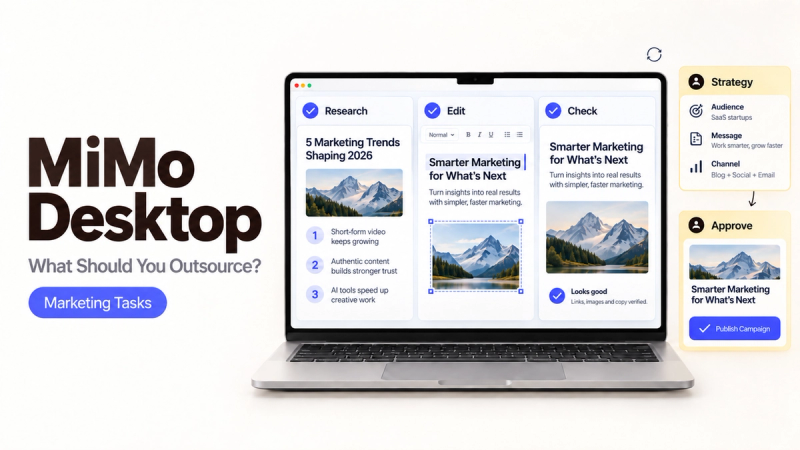
MiMo Desktop for marketing can speed up drafts, but small teams still need human review and specialist delivery. See what to test and outsource.
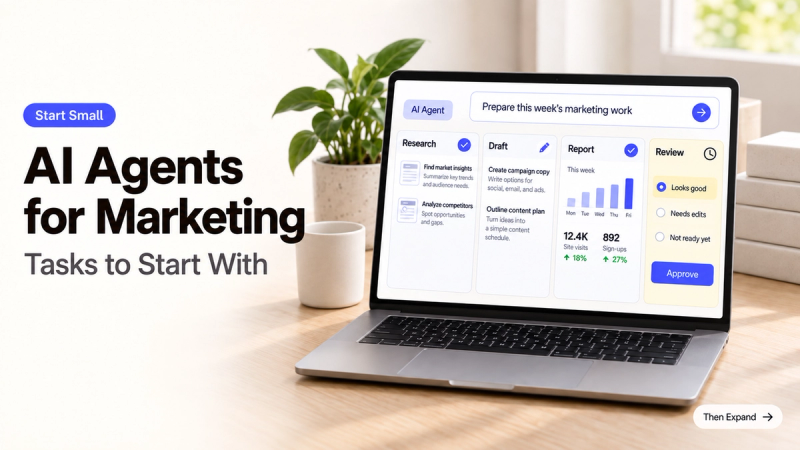
AI agents for marketing can support bounded research, drafting, and reporting tasks when small teams control access, review, and publishing.